Wounds Treatment: How It Works, Results and What to Expect

Wounds treatment begins with assessing the wound, controlling bleeding, cleaning damaged tissue and protecting the area. Healing may be slower when circulation is reduced or when conditions such as diabetes, infection or pressure injury are present.
Key Takeaways
- Wounds treatment begins with assessing the wound, controlling bleeding, cleaning damaged tissue and protecting the area.
- Healing may be slower when circulation is reduced or when conditions such as diabetes, infection or pressure injury are present.
- Advanced options can include specialist dressings, debridement, negative-pressure wound therapy, skin grafting or treatment of an underlying condition.
- A wound that becomes increasingly painful, red, swollen, malodorous, draining pus or associated with fever needs prompt medical assessment.
- Follow-up is important because treatment plans often change as a wound moves through healing stages.
Wounds treatment is tailored to the cause, depth, location and healing progress of an injury. Most uncomplicated wounds heal with appropriate cleaning, protection and follow-up, while complex or slow-healing wounds may need specialist assessment and advanced treatment.
Overview: How Wounds Treatment Supports Healing
Wounds treatment helps the body repair damaged skin and deeper tissues while reducing the risks of infection, excessive scarring and delayed healing. It may involve simple first aid for a small cut, or coordinated care for a surgical wound, burn, pressure injury, diabetic foot ulcer or traumatic injury. The right approach depends on why the wound occurred, how deep it is, whether it is clean, and the person’s general health.
Clinicians aim to create the best possible healing environment. This can include stopping bleeding, gently cleaning the area, removing non-viable tissue when necessary, choosing an appropriate dressing, relieving pressure and treating infection or poor blood flow. Some wounds can be managed at home after professional advice; others need regular review by a wound-care team.
Healing is not always linear. A wound may need a different dressing or treatment as drainage, tissue quality and wound size change. For wounds that are complex, deep or slow to close, specialist wound treatment can bring together medical, surgical, vascular, infectious disease and rehabilitation expertise when appropriate.
Who May Need Specialist Wounds Treatment?
Professional wound assessment is particularly important for wounds that are large, deep, contaminated, caused by a bite, associated with an operation, or not improving as expected. People with diabetes, reduced circulation, immune-system suppression, reduced sensation, limited mobility or poor nutrition may also require closer monitoring because these factors can delay repair.
Chronic wounds are generally wounds that do not follow the expected path toward healing over time. Examples include venous leg ulcers, arterial ulcers, pressure injuries and diabetic foot ulcers. Addressing the underlying cause is central to care: an ulcer related to diabetes may require glucose management and pressure relief, while a leg ulcer may need circulation assessment and compression therapy if it is safe and clinically indicated.
Candidacy for advanced treatments is determined individually. A clinician considers the wound’s appearance and depth, blood supply, signs of infection, pain, mobility, medicines, allergies and overall health. The aim is not to use the most complex therapy, but the treatment that best matches the wound and the person’s needs.
How Wounds Treatment Works: Assessment to Dressing Plan
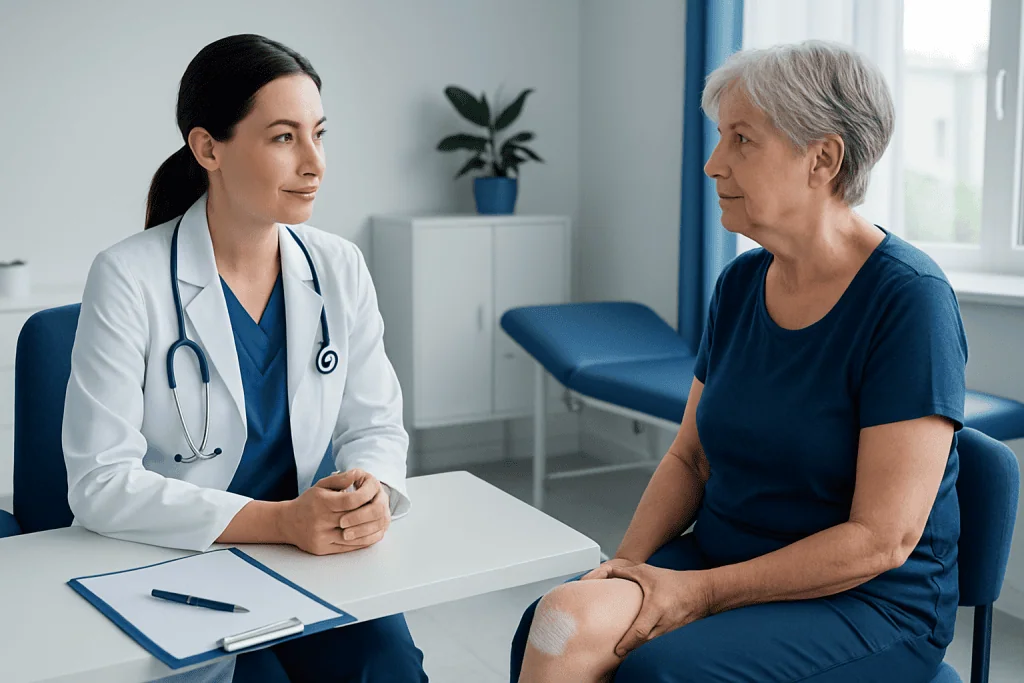
The first step is a structured assessment. A clinician may measure the wound, examine the skin around it, check for pain, odor, drainage and infection, and ask how the injury happened. They may also assess circulation, sensation and movement, especially for wounds on the feet or lower legs. Blood tests, wound cultures, imaging or vascular tests may be considered when infection, a foreign body, bone involvement or impaired blood flow is suspected.
Care commonly follows a step-by-step process. Bleeding is controlled, the wound is irrigated with an appropriate solution, and surrounding skin is protected. If dead tissue, debris or infected material is present, debridement may be performed using surgical, mechanical, enzymatic or autolytic methods. The clinician then selects a dressing that supports moisture balance while managing drainage and protecting the wound from further injury.
Some wounds need closure with stitches, adhesive strips, staples or tissue adhesive. Others heal gradually from the base upward and are managed with dressings. A wound may be left open temporarily if closing it immediately would trap contamination or infection. Follow-up visits allow the care team to monitor progress and adjust the plan safely.
- Simple dressings may protect clean, low-drainage wounds.
- Absorbent or antimicrobial dressings may be used for selected wounds with heavier drainage or infection concerns.
- Compression may be recommended for certain venous leg ulcers after arterial circulation has been assessed.
- Off-loading devices can reduce pressure on wounds of the foot.
- Grafts or reconstructive procedures may be considered when tissue loss is extensive or a wound cannot close with conservative care.
Advanced Options, Benefits and Possible Risks
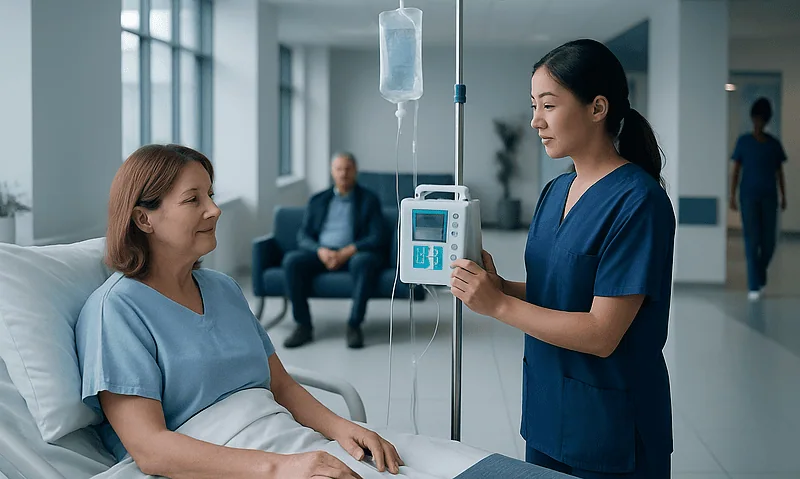
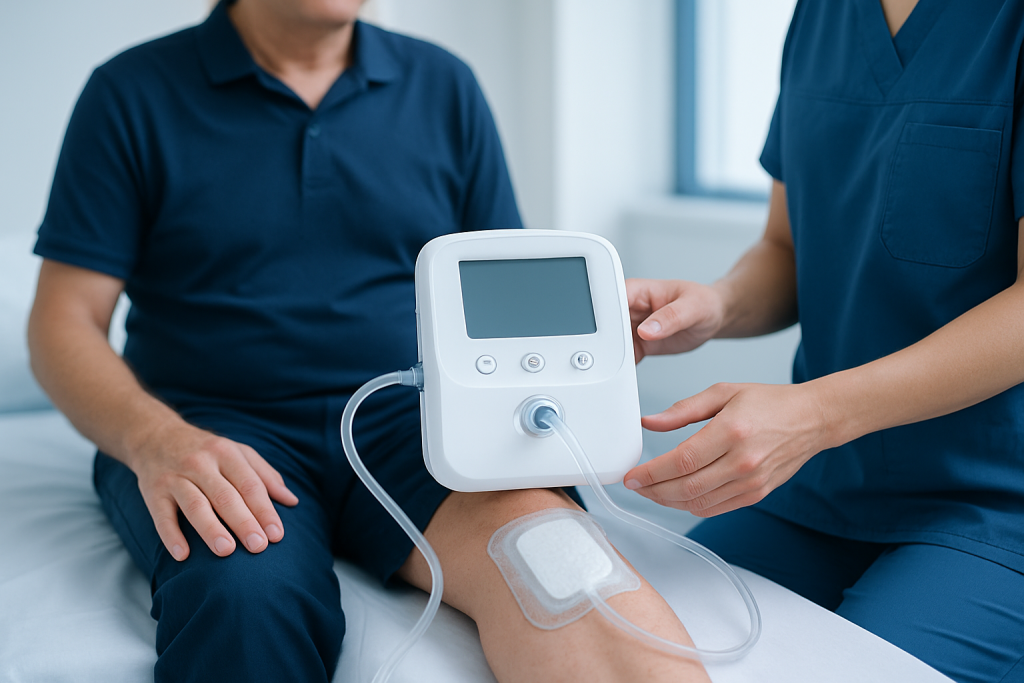
Advanced wound therapies are used when standard measures are insufficient or when a wound has particular clinical needs. Negative-pressure wound therapy, often called a wound vac, uses a sealed dressing connected to a controlled suction device. It can remove fluid, help manage drainage and support formation of healthy granulation tissue in selected wounds. It is not appropriate for every wound and should be prescribed and monitored by trained clinicians.
Other options may include specialized dressings, biologic materials, skin grafts, flap reconstruction, infection treatment, revascularization procedures for poor blood flow, or surgery to remove damaged tissue. When a wound is related to an underlying vascular, metabolic or pressure-related problem, treatment of that cause is essential for durable healing.
Potential benefits of effective wounds treatment include better comfort, lower infection risk, protection of nearby skin, reduced drainage and a greater chance of timely closure. Risks vary by treatment and may include pain during dressing changes, skin irritation, bleeding with debridement, allergic reactions to products, infection, or device-related problems. Antibiotics are used when a clinician identifies or strongly suspects infection; they are not routinely needed for every wound.
People receiving complex care may benefit from a multidisciplinary plan. Acibadem International’s multidisciplinary specialists and JCI-accredited hospitals diagnose and treat complex wounds for international patients, with care coordinated according to individual clinical needs.
Recovery Timeline and Everyday Wound Care
Recovery time varies widely. A minor superficial wound may heal in days to a few weeks, while a deep injury, surgical complication or chronic ulcer may take weeks or longer. Healing is influenced by wound size, depth, location, circulation, infection, nutrition, smoking status and long-term health conditions. A clinician can provide the most meaningful estimate after examining the wound and reviewing its progress over time.
At home, people should follow the care instructions provided for their specific wound. This commonly includes washing hands before and after touching the dressing, keeping the wound protected, changing dressings as advised, avoiding pressure or friction, and attending scheduled reviews. It is important not to use peroxide, alcohol, herbal products or topical antibiotics unless a clinician has recommended them, as some products can irritate tissue or interfere with healing.
Good nutrition, adequate fluids, regular movement when safe and avoiding tobacco can support the body’s repair processes. People with diabetes should work with their healthcare team to manage blood glucose and inspect their feet regularly. Those with reduced circulation or foot numbness should not attempt to cut away calluses or dead tissue themselves.
What Stage of Wound Healing Takes the Longest?
The remodeling, also called maturation, stage usually lasts the longest. It begins after new tissue has formed and the wound has closed or substantially filled in. During this stage, collagen fibers are reorganized and strengthened, and the scar gradually becomes flatter, softer and less red.
Remodeling can continue for many months and sometimes longer than a year. This does not necessarily mean a wound is failing to heal; it is a normal part of scar maturation. Even after healing, repaired skin may not regain the full strength of uninjured skin, so protecting the area from repeated injury remains important.
Earlier stages include hemostasis, when bleeding stops; inflammation, when the body clears damaged tissue; and proliferation, when new tissue and blood vessels form. These phases overlap, and the pace differs from person to person and from one type of wound to another.
How Do You Know If a Wound Is Getting Better?
A wound is often improving when it becomes smaller or shallower, develops healthy pink or red granulation tissue, produces less drainage and has less surrounding redness, swelling and tenderness. The skin around the wound should generally remain intact rather than becoming increasingly soggy, discolored or painful. A clinician may document measurements and photographs over time to assess progress accurately.
Some mild discomfort and a small amount of clear or pale drainage can occur during healing, depending on the wound. However, worsening pain, spreading redness, warmth, increasing swelling, pus-like drainage, a strong odor, darkening tissue, fever or feeling unwell may signal infection or another complication and should be assessed promptly.
Progress can be slower for chronic wounds, but there should still be evidence of change with an effective plan. If a wound remains the same or worsens despite appropriate care, the underlying cause and treatment approach should be reviewed by a qualified clinician.
How Long Do People Stay on Wound Vacs?
The duration of negative-pressure wound therapy varies according to the wound and its response. Some people use a wound vac for days, while others need it for several weeks or longer as part of a broader treatment plan. The device is usually reassessed regularly, often when dressings are changed, to ensure it remains beneficial and safe.
A wound vac may be used before delayed closure, skin grafting or reconstructive surgery, or until the wound produces enough healthy tissue to continue with another dressing approach. The treatment plan can change if drainage decreases, the wound becomes smaller, skin irritation develops or the device is no longer needed.
People should follow instructions for device use, mobility, bathing and alarms. They should contact their care team promptly if the seal breaks and cannot be restored, the device stops working, bleeding occurs, pain suddenly increases, or they develop symptoms of infection.
Do Wounds Ever Fully Heal?
Many wounds heal fully, meaning the skin closes and the tissues recover enough for everyday function. The final result may include a scar, altered sensation, stiffness or a difference in skin color or texture. The extent of recovery depends on the injury and whether deeper structures such as nerves, tendons, muscles or bone were involved.
Some chronic wounds may be difficult to close permanently, particularly when poor circulation, repeated pressure, uncontrolled diabetes or other underlying conditions continue. In these situations, treatment may focus on healing where possible, preventing deterioration, controlling symptoms and reducing recurrence. Treating the underlying problem can improve the likelihood of lasting closure.
After a wound has healed, scar care, sun protection and gradual return to activity may be advised. People with a history of foot ulcers, pressure injuries or vascular ulcers may need ongoing preventive care to lower the chance of another wound developing.
When to Seek Medical Care
Urgent medical care is appropriate for severe bleeding that does not stop with direct pressure, a deep or gaping wound, an injury involving the eye, face, hand, genitals or joint, a possible fracture, or a wound caused by an animal or human bite. Medical assessment is also important when a wound is contaminated, contains a foreign object, was caused by a dirty or rusty object, or may require tetanus vaccination review.
Seek prompt advice for signs of infection, including fever, spreading redness, increasing warmth, worsening swelling, pus, an unpleasant odor or increasing pain. People with diabetes, poor circulation, immune suppression or reduced sensation should contact a healthcare professional early for any new foot wound, persistent blister, burn or ulcer.
Regular follow-up should not be delayed if a wound is not getting smaller, repeatedly reopens, changes color, develops black tissue, or fails to improve with the planned care. Early review can help identify treatable causes and prevent complications.
Frequently asked questions
Can a wound heal without a dressing?
Some very small, clean and superficial wounds may heal with minimal covering after they have been cleaned and protected from friction. However, many wounds benefit from an appropriate dressing because it protects the area, manages drainage and supports a balanced healing environment. A clinician can advise which approach is suitable for a particular wound.
Should a wound be kept dry or moist?
Many wounds heal best in a protected, appropriately moist environment rather than being allowed to dry out completely. The correct level of moisture depends on the amount of drainage and the type of wound. Dressings should be selected by a healthcare professional when a wound is deep, chronic, infected or slow to heal.
When are antibiotics needed for a wound?
Antibiotics may be needed when there is a confirmed or strongly suspected bacterial infection, or for certain high-risk injuries. They do not speed healing in every wound and are not routinely required for clean minor cuts. A clinician should decide whether antibiotics are appropriate.
Can diabetes cause wounds to heal slowly?
Yes. Diabetes can affect blood flow, immune response and nerve sensation, which can make wounds slower to heal and easier to overlook, especially on the feet. Prompt assessment and careful foot care are important for anyone with diabetes who develops a wound.
Is it normal for a healing wound to itch?
Mild itching can be a normal part of healing as the skin repairs itself. Itching should not be accompanied by increasing redness, rash, swelling, severe pain or drainage, as these signs may suggest irritation, allergy or infection. Avoid scratching and seek advice if symptoms are concerning.
Can smoking affect wound healing?
Yes. Tobacco use can reduce oxygen delivery and blood flow to healing tissue, increasing the risk of delayed healing and complications. Avoiding smoking and nicotine products before and during recovery can support the healing process. A healthcare professional can offer help with cessation support.
References
- World Health Organization
- Centers for Disease Control and Prevention
- National Institute of Diabetes and Digestive and Kidney Diseases
- National Institute for Health and Care Excellence
- Wound Healing Society
This article is for general information only and is not a substitute for professional medical advice. Please consult a qualified doctor about your individual situation.
Persistent digestive symptoms? Get evaluated in Turkey
JCI-accredited · board-certified surgeons · reply within 24h
Add us as a Preferred Source to see more of our trusted health content across Google Search, AI Overviews and Discover.