Tumor-Infiltrating Lymphocyte Therapy: How It Works, Results and What to Expect

TIL therapy collects immune cells from a tumor, expands them in a laboratory, and returns them to the patient by infusion. It is an intensive treatment that usually involves tumor surgery, chemotherapy before infusion, inpatient monitoring, and immune-supporting medicines.
Key Takeaways
- TIL therapy collects immune cells from a tumor, expands them in a laboratory, and returns them to the patient by infusion.
- It is an intensive treatment that usually involves tumor surgery, chemotherapy before infusion, inpatient monitoring, and immune-supporting medicines.
- TIL therapy is currently used most commonly for selected adults with advanced melanoma and may be available in clinical trials for other solid tumors.
- Response rates and duration of benefit vary considerably, so treatment decisions should be individualized by a specialist cancer team.
- Side effects can be significant but are monitored closely in experienced centers, especially during the hospital-based treatment phase.
Tumor-infiltrating lymphocyte therapy, often called TIL therapy, is a personalized cell-based immunotherapy that strengthens a patient’s own tumor-fighting immune cells. It may be considered for selected people with advanced solid cancers, particularly melanoma, when standard treatments have not provided adequate control.
Overview: What Is Tumor-Infiltrating Lymphocyte Therapy?
Tumor-infiltrating lymphocyte therapy is a type of personalized cancer immunotherapy. It uses lymphocytes, which are immune cells that have already entered a patient’s tumor and may recognize cancer cells. Doctors remove a small piece of tumor tissue, isolate these cells in a specialized laboratory, grow large numbers of them, and infuse them back into the patient.
The goal is to give the immune system a larger, more active population of tumor-recognizing cells. TIL therapy is a form of adoptive cell therapy, meaning immune cells are collected, prepared outside the body, and then given back to the patient. It differs from chemotherapy, which directly damages rapidly dividing cells, and from many checkpoint inhibitor drugs, which aim to release brakes on immune responses already present in the body.
TIL therapy is most established for certain adults with unresectable or metastatic melanoma that has progressed after appropriate previous treatments. Research is also evaluating its role in other solid tumors, including some cervical, lung, head and neck, and gastrointestinal cancers. Eligibility and availability depend on the cancer type, prior treatment, overall health, and local regulatory approval or clinical trial access.
How TIL Therapy Works in the Body
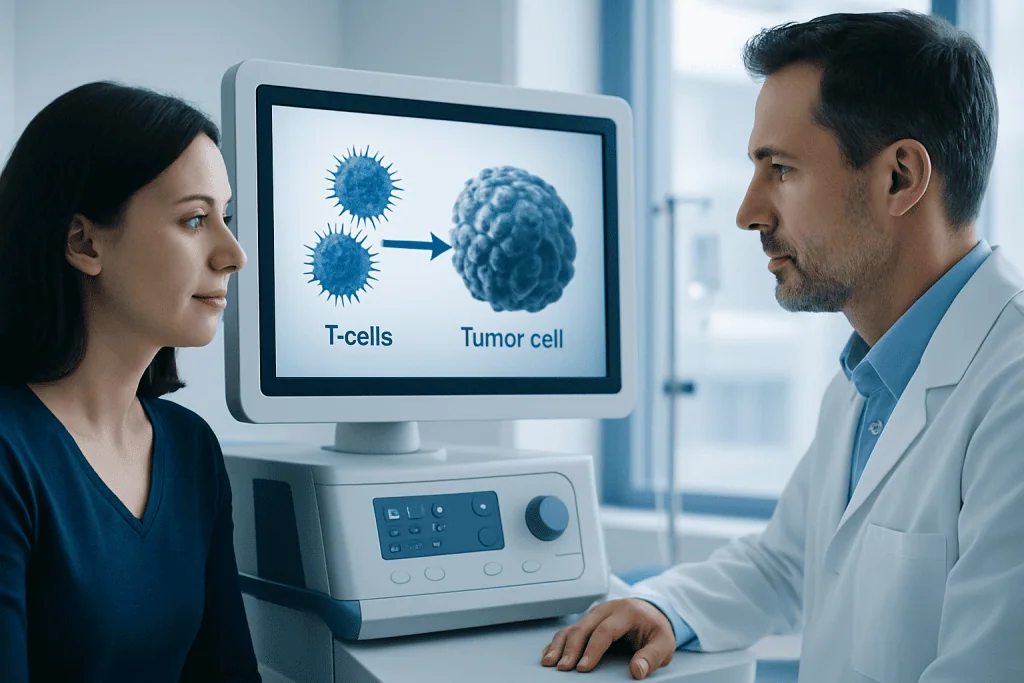
Cancers can contain immune cells that have entered the tumor but are too few in number or not active enough to control its growth. During TIL therapy, these tumor-infiltrating lymphocytes are selected from a removed tumor sample and expanded under carefully controlled laboratory conditions. The final cell product contains a large number of the patient’s own immune cells.
Before the infusion, patients receive lymphodepleting chemotherapy. This temporary treatment reduces some existing immune cells and can create a more favorable environment for the infused lymphocytes to expand and function. The TIL cells are then administered through a vein, much like a blood transfusion or other intravenous treatment.
After infusion, patients commonly receive a medicine that supports T-cell activity, often high-dose interleukin-2. This phase requires close observation because the immune system and circulation can be affected. Unlike CAR T-cell therapy, TIL therapy does not genetically engineer the collected cells; the cells are naturally present within the patient’s tumor.
Who May Be a Candidate for TIL Therapy?

Candidacy is assessed by a multidisciplinary cancer team. A person generally needs a tumor that can be safely sampled or removed for cell collection, cancer that is measurable on imaging, and sufficient time for the laboratory manufacturing process. The treating team also reviews pathology findings, previous treatments, scan results, blood tests, heart and lung health, kidney and liver function, and performance status.
For advanced melanoma, TIL therapy may be discussed after cancer has progressed despite, or when a person cannot receive, appropriate systemic options such as checkpoint inhibitor immunotherapy and targeted therapy for a tumor with a relevant mutation. It is not usually a first treatment for melanoma, and it is not suitable for every person with advanced disease.
Some health conditions may increase the risks of the preparatory chemotherapy or immune-supporting treatment. Active serious infection, poorly controlled heart or lung disease, major organ dysfunction, or an inability to tolerate intensive inpatient care may affect eligibility. The cancer team balances possible benefit with safety, other treatment options, and the patient’s preferences.
- Confirmed cancer type and stage
- Prior treatments and how the cancer responded
- Whether tumor tissue can be collected safely
- General fitness for chemotherapy and hospital monitoring
- Availability of an approved program or an appropriate clinical trial
The TIL Therapy Procedure: Step by Step
The process begins with tumor procurement. A surgeon removes a tumor lesion or a portion of one, choosing a site that is suitable for laboratory processing and can be accessed with acceptable risk. The tissue is sent to a specialized manufacturing facility, where lymphocytes are extracted and expanded. This production period can take several weeks, and the oncology team may discuss whether treatment is needed to help control the cancer while cells are being prepared.
Once the cells are ready, the patient is admitted to hospital for preparatory treatment. Lymphodepleting chemotherapy is usually given over several days. Its purpose is not to remove the tumor directly, but to prepare the immune environment for the infused cells. Blood counts are monitored closely because these medicines can temporarily lower infection-fighting cells, red blood cells, and platelets.
The TIL product is infused intravenously. This is followed by immune-supporting therapy, when indicated, under intensive monitoring. The length of admission varies, but many patients remain in hospital through the chemotherapy, cell infusion, and early recovery period. After discharge, regular visits, blood tests, and imaging scans are needed to monitor recovery, cancer response, and delayed effects.
People considering advanced melanoma treatment may benefit from discussing the full range of immunotherapy options with their oncology team. In appropriate cases, referral to a center experienced in complex cellular treatments is an important part of planning.
Benefits, Risks and Recovery Timeline
The potential benefit of TIL therapy is a meaningful tumor response in some people whose cancer has continued to grow after prior treatment. Some responses can be long-lasting, but this outcome cannot be predicted for an individual patient. Others may have partial shrinkage, stable disease for a period, or no response. Scans are usually performed after the initial recovery period and then at intervals determined by the oncology team.
Recovery begins in hospital. Low blood counts from lymphodepleting chemotherapy can increase the risk of infection, fatigue, bleeding, and anemia. Interleukin-2 can cause fever, chills, low blood pressure, fluid retention, breathing changes, kidney strain, and effects on heart rhythm or function. These effects are why TIL therapy is delivered in specialized settings with experienced inpatient teams.
After leaving hospital, energy and blood counts may take weeks to improve. Patients may need infection precautions, transfusions, fluid support, medicines for nausea or fever, and frequent follow-up. The care team gives individualized advice about returning to work, exercise, travel, vaccinations, and contact with people who are unwell.
Prompt communication with the treating team is important throughout recovery. New fever, shortness of breath, chest pain, dizziness, confusion, severe diarrhea, bleeding, or a sudden decline in general condition should be assessed urgently, particularly while blood counts are low.
How Long Does TIL Therapy Take to Work?
TIL therapy does not produce an immediate visible result. The infused lymphocytes need time to circulate, recognize cancer cells, and mount an immune response, while the body also recovers from chemotherapy and hospital-based treatment. The first formal assessment is commonly scheduled several weeks after treatment, although timing varies by treatment program and cancer type.
Imaging may show tumor shrinkage, stable disease, or progression. In some immunotherapy settings, inflammation caused by immune activity can temporarily make lesions appear larger, so scan findings are interpreted alongside symptoms, examination findings, and repeat imaging when appropriate. A patient should not assume that early symptoms or a single scan alone determine whether treatment is working.
If cancer responds, the duration of response differs from person to person. Follow-up scans and appointments remain essential because additional treatment may be needed if cancer later progresses.
What Is the Success Rate of TILs Therapy?
There is no single success rate for TIL therapy because study populations, cancer types, prior treatments, and definitions of success differ. In clinical studies of heavily pretreated advanced melanoma, some patients have had tumor shrinkage, including a smaller group with complete responses. However, not every patient responds, and a response may not always be permanent.
When discussing expected outcomes, clinicians usually consider the objective response rate, how long responses last, disease control, overall health, and the alternatives available. Results from a study cannot reliably predict an individual outcome. The most useful estimate comes from a cancer specialist who understands the specific tumor type, molecular findings, prior therapies, and current disease burden.
TIL therapy should be viewed as one option within a broader cancer care plan. For patients with melanoma, the team may also review surgery, radiation, systemic medicines, clinical trials, and supportive care according to the location and extent of disease. Information about melanoma can help patients understand the condition and the treatment pathway more broadly.
Is TIL Therapy Worth It, and When to Seek Medical Care?
Whether TIL therapy is worth pursuing is a personal and clinical decision. It may be reasonable for a person with an eligible advanced cancer who has limited effective alternatives and is fit enough for the treatment. The possible opportunity for tumor control must be weighed against the time required, hospitalization, intensive short-term side effects, recovery needs, and the possibility that the cancer will not respond.
Patients may find it helpful to ask about the goal of treatment, expected hospital stay, alternatives, likely side effects in their situation, practical support at home, and what would happen if the treatment does not work. A second opinion from a medical oncologist with cell therapy expertise may be useful when decisions are complex. Acibadem International’s multidisciplinary specialists and JCI-accredited hospitals support diagnosis and treatment planning for international patients with complex cancers.
Medical care should be sought promptly for new or worsening cancer symptoms, unexplained weight loss, persistent pain, neurological symptoms, jaundice, breathlessness, or symptoms suggesting infection. During or after TIL treatment, fever, shaking chills, new cough, shortness of breath, chest pain, fainting, severe weakness, uncontrolled vomiting, confusion, or unusual bleeding require urgent contact with the oncology team or emergency assessment.
Frequently asked questions
How long does TIL therapy take to work?
The first assessment is commonly performed several weeks after treatment, once the patient has recovered sufficiently and imaging can be interpreted reliably. The exact timing varies by cancer type and treatment program. Some responses may become clearer over subsequent scans.
What is the life expectancy after CAR T therapy?
Life expectancy after CAR T-cell therapy varies widely and depends on the type of blood cancer, response to treatment, prior therapies, overall health, and complications. CAR T-cell therapy is different from TIL therapy: CAR T cells are genetically modified, while TILs are immune cells collected from a tumor. An individual prognosis should be discussed with the treating hematology or oncology team.
Is TIL therapy worth it?
TIL therapy may be worth considering for selected people with advanced cancer when standard options have not controlled the disease and the person can safely undergo intensive treatment. It can offer the possibility of tumor response, but it also involves hospitalization and potentially serious side effects. A shared decision with an experienced cancer team is essential.
What is the success rate of TILs therapy?
Success rates vary by cancer type, previous treatment, and the outcome being measured. In advanced melanoma studies, some patients experience tumor shrinkage, but many do not, and the length of benefit differs. A specialist can explain how published results may apply to a particular situation.
Is TIL therapy the same as CAR T-cell therapy?
No. Both are forms of cell therapy, but they use cells in different ways. CAR T-cell therapy genetically modifies T cells to recognize a selected target and is mainly used for certain blood cancers, while TIL therapy expands immune cells already found within a tumor and is used for selected solid tumors.
How long is hospitalization for TIL therapy?
Hospitalization often includes the days needed for preparatory chemotherapy, cell infusion, immune-supporting treatment, and early recovery. The exact length varies according to the protocol, side effects, blood-count recovery, and individual health needs. The treating center can provide a more personalized timeline before treatment begins.
References
- National Cancer Institute
- U.S. Food and Drug Administration
- American Cancer Society
- European Society for Medical Oncology
- National Comprehensive Cancer Network
This article is for general information only and is not a substitute for professional medical advice. Please consult a qualified doctor about your individual situation.
Oncology care in Turkey — second opinion and treatment plan
JCI-accredited · board-certified surgeons · reply within 24h
Add us as a Preferred Source to see more of our trusted health content across Google Search, AI Overviews and Discover.