Hand Foot Syndrome Chemo: How It Works, Results and What to Expect

Hand-foot syndrome is a known side effect of several chemotherapy and targeted cancer medicines, not an infection or an allergy. Early symptoms may include tingling, sensitivity, redness or swelling of the hands and feet before pain or peeling develops.
Key Takeaways
- Hand-foot syndrome is a known side effect of several chemotherapy and targeted cancer medicines, not an infection or an allergy.
- Early symptoms may include tingling, sensitivity, redness or swelling of the hands and feet before pain or peeling develops.
- Oncology teams may recommend skin care, pain relief, cooling measures and, when needed, a treatment pause or dose adjustment.
- Symptoms often improve after the responsible medicine is reduced, paused or completed, although recovery time varies.
- Blisters, open skin, severe pain, fever or difficulty walking should be reported urgently to the cancer care team.
Hand foot syndrome chemo, also called palmar-plantar erythrodysesthesia, is a skin reaction that may develop with certain anticancer medicines. It commonly affects the palms and soles, and prompt reporting of symptoms helps the oncology team protect comfort, mobility and ongoing cancer treatment.
Overview: What Is Hand-Foot Syndrome During Chemo?
Hand-foot syndrome chemo is a common name for palmar-plantar erythrodysesthesia, a treatment-related skin reaction that affects the palms of the hands and soles of the feet. It can occur when small amounts of an anticancer medicine reach tiny blood vessels in these areas and irritate surrounding skin tissue. The result may be tingling, tenderness, redness, swelling, dryness, peeling or, in more severe cases, blisters and painful cracking.
This condition is not contagious, and it does not mean a person has poor hygiene. It is most often linked with medicines used to treat cancer, including some traditional chemotherapy drugs and some targeted treatments. Symptoms can influence daily activities such as walking, holding objects, buttoning clothes or preparing food, so early communication with the oncology team is important.
Hand-foot syndrome is different from chemotherapy-related peripheral neuropathy. Neuropathy is nerve damage that may cause numbness, burning or pins-and-needles sensations in a wider distribution, whereas hand-foot syndrome primarily causes visible and painful skin changes on pressure and friction areas. Both can sometimes occur in the same person, and the care team can help identify the cause of symptoms.
How It Works: Why Cancer Medicines Affect Hands and Feet
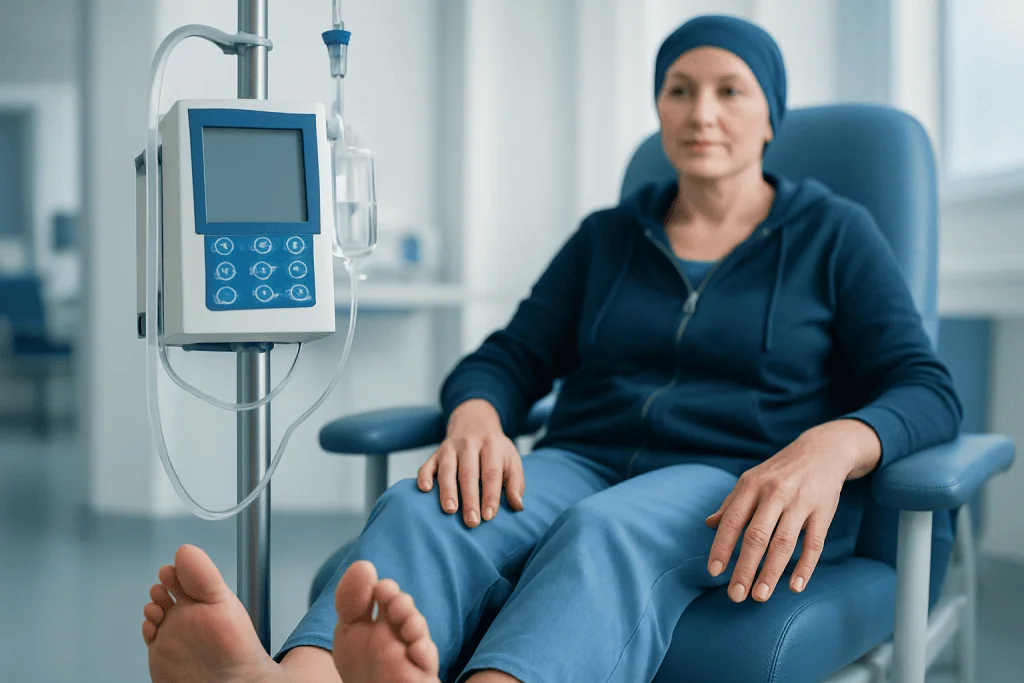
Some cancer medicines circulate throughout the bloodstream and can collect in the skin of the hands and feet. These sites experience repeated pressure, heat and friction during everyday movement. Their dense networks of small blood vessels and sweat glands may also contribute to local exposure to medicine. Skin cells may then become inflamed or injured, producing the typical symptoms of hand-foot syndrome.
Medicines associated with this reaction include capecitabine, fluorouracil (5-FU), liposomal doxorubicin, cytarabine and some targeted therapies, particularly multikinase inhibitors. The likelihood and severity depend on the specific medicine, the treatment schedule, the dose, other health conditions and individual response. A person should never change or stop cancer medicine independently because the oncology team must balance side-effect control with treatment benefit.
Symptoms may begin within days to weeks of starting a medicine, but timing is variable. With medicines taken by mouth over longer periods, symptoms may build gradually. With intravenous treatment, reactions can sometimes follow a treatment cycle. Careful symptom tracking helps clinicians decide whether supportive care alone is appropriate or whether the treatment plan needs modification.
Symptoms and the Different Stages of Hand-Foot Syndrome
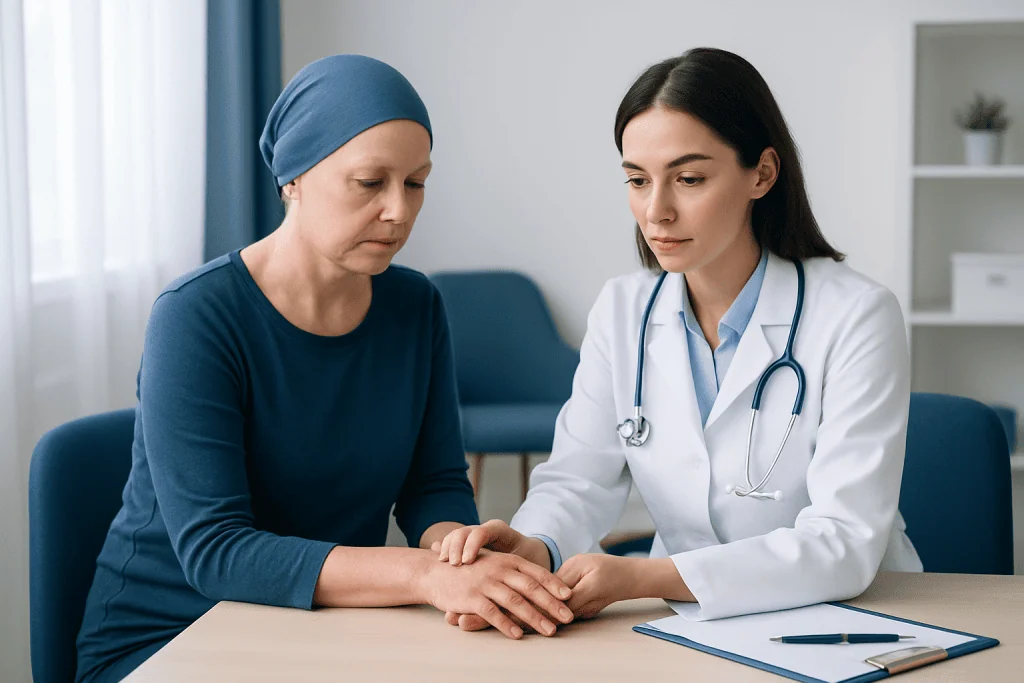
Early hand-foot syndrome may feel like tingling, numbness, unusual warmth or increased sensitivity in the palms and soles. The skin can become red, shiny, swollen or tender. People may notice discomfort when walking, gripping a cup, opening jars or touching hot water before there are obvious visible changes.
Clinicians commonly describe severity using grading systems. Mild, or grade 1, symptoms involve skin changes such as redness, dryness or slight swelling without limiting usual activities. Moderate, or grade 2, symptoms may include painful redness, peeling, swelling or blisters that make instrumental daily activities, such as shopping, cooking or longer walks, difficult. Severe, or grade 3, symptoms can include intense pain, marked peeling, ulcers or blisters that limit basic self-care activities and may require urgent treatment review.
Not every person progresses through each grade. Symptoms can remain mild, fluctuate between treatment cycles or become more noticeable after repeated exposure. Photographing visible changes and recording when pain occurs can give the oncology team useful information. They may examine the skin and also consider other causes, such as eczema, fungal infection, pressure injury or a drug-related rash.
- Hands: tenderness, redness, swelling, cracking, peeling, blisters and pain with gripping.
- Feet: burning discomfort, thickened or peeling skin, blisters and pain during standing or walking.
- Areas under friction: changes may be strongest over heels, balls of the feet, toes, finger pads and knuckles.
Candidacy and Assessment Before Treatment Changes
Any person receiving a medicine known to cause hand-foot syndrome can develop it, although there is no reliable way to predict exactly who will be affected. People who are physically active, have frequent hand or foot friction, or have pre-existing skin irritation may need especially careful prevention planning. Diabetes, circulation concerns, neuropathy or impaired wound healing can make foot care more important, but they do not automatically mean that cancer treatment cannot be given.
Before starting treatment, the oncology team may ask about prior skin conditions, nerve symptoms, footwear, work demands and daily routines. They may advise a dental and skin care plan, review medicines and assess any existing cuts, pressure points or infections. This baseline information makes new symptoms easier to recognize and manage.
If symptoms develop, assessment focuses on severity, impact on everyday function, the timing of the reaction and possible complications. The clinician may ask whether the patient can walk safely, sleep comfortably, use their hands for self-care and keep skin intact. For moderate or severe symptoms, the oncology team may consider a temporary pause, dose reduction, schedule adjustment or alternative therapy, depending on the cancer type and treatment goals.
Treatment Options and What to Expect Step by Step
Management begins with notifying the oncology team as soon as symptoms appear. The team will assess the skin, grade the reaction and review the anticancer medicine. Mild symptoms may be managed with preventive measures and close follow-up. More significant pain, blistering or loss of function may lead the oncologist to interrupt treatment temporarily or adjust the dose; this is a planned safety decision made by the prescribing team, not a sign that treatment has failed.
Supportive care often includes regular use of bland, fragrance-free moisturizers or emollients to reduce dryness and cracking. Clinicians may recommend a keratolytic cream for thickened skin, a topical anti-inflammatory medicine for selected cases, or pain-relief options when appropriate. Any cream, dressing or medicine should be selected with the care team, particularly if the skin is broken, because some products may sting or be unsuitable during cancer therapy.
Practical measures can lessen pressure and heat on the skin. These include avoiding hot baths, saunas and prolonged sun or heat exposure; limiting repetitive rubbing or forceful handwork; using cushioned gloves for necessary tasks; and taking breaks from long walks or high-impact exercise. Cool compresses may feel soothing for some people, but ice should not be placed directly on skin and should only be used if the oncology team considers it suitable for the treatment regimen.
Acibadem International’s multidisciplinary specialists and JCI-accredited hospitals can assess cancer treatment side effects and coordinate supportive care for international patients. The best approach remains individualized, with regular review of symptoms, skin integrity, pain and the benefits of continuing the current anticancer medicine.
Recovery Timeline and Everyday Self-Care
Recovery depends mainly on the medicine involved and whether treatment continues at the same dose. When the responsible drug is paused, reduced or completed, redness and tenderness often begin to settle over days to a few weeks. Peeling, thickened skin and deeper cracks can take longer to heal. If treatment is resumed, symptoms may return, so an individualized prevention plan and early reporting remain important.
Daily skin care should be gentle and consistent. Hands and feet can be washed with lukewarm water and mild cleanser, patted dry rather than rubbed, and moisturized several times each day. Rough skin should not be aggressively filed, cut or peeled. People with reduced sensation, diabetes or circulation problems should ask their clinician before using over-the-counter corn removers or intensive foot treatments.
Reducing friction is central to self-care. Soft, seamless socks, cushioned insoles and roomy shoes can reduce pressure on tender soles. Loose-fitting gloves may be helpful for chores, while activities that involve repeated impact, tight gripping or exposure to strong detergents can be modified temporarily. Maintaining hydration, eating adequately and resting when symptoms flare can also support general wellbeing during cancer treatment.
When to Seek Medical Care
A person should contact their oncology team promptly if they develop new tingling, redness, pain, swelling or peeling of the hands or feet during cancer treatment. Reporting mild symptoms early gives the team the best opportunity to prevent worsening and maintain day-to-day function. The care team should also be told if symptoms interfere with work, sleep, walking or use of the hands.
Same-day medical advice is appropriate for blisters, open or draining areas, deep cracks, rapidly worsening pain, inability to walk safely, or inability to perform basic self-care. Fever, chills, spreading redness, pus or other signs of infection require urgent assessment, especially during chemotherapy because immune defenses may be reduced.
It is important not to self-treat severe symptoms with leftover antibiotics, steroid creams or unapproved remedies. A clinician can determine whether skin changes are due to hand-foot syndrome, infection, an allergic reaction or another problem requiring different care. Emergency services should be used for severe symptoms accompanied by trouble breathing, facial swelling, fainting or other signs of a serious allergic reaction.
Frequently asked questions
Does hand-foot syndrome go away after chemo?
In many cases, hand-foot syndrome improves after the responsible chemotherapy or targeted medicine is reduced, paused or completed. Improvement may begin within days, while peeling, cracks and skin sensitivity can take longer to resolve. The oncology team should guide any treatment changes, since stopping cancer medicine without advice may affect care.
How long does it take for hand and foot syndrome to go away?
The timeline varies with the cancer medicine, severity of symptoms and whether treatment continues. Mild symptoms may improve over several days to a few weeks after treatment is adjusted, while more severe skin damage can take several weeks or longer to heal. Persistent, worsening or recurrent symptoms should be reviewed by the oncology team.
What are the best shoes for hand-foot syndrome?
The most suitable shoes are usually roomy, soft and well-cushioned, with a wide toe box and minimal seams or pressure points. Supportive soles and cushioned insoles may reduce impact while walking, and soft seamless socks can limit friction. Tight shoes, high heels, stiff materials and footwear that rubs should generally be avoided until symptoms settle.
What are the different stages of hand-foot syndrome?
Hand-foot syndrome is often graded from 1 to 3. Grade 1 involves mild skin changes without limits on daily activities; grade 2 includes painful changes that make usual tasks more difficult; and grade 3 involves severe pain, blisters, ulcers or skin peeling that limits self-care. The oncology team uses this assessment to decide on supportive care and possible treatment adjustments.
Can hand-foot syndrome be prevented during chemotherapy?
It cannot always be prevented, but reducing heat, pressure and friction can lower irritation and help symptoms stay mild. Regular moisturizing, protecting hands during chores, wearing cushioned shoes and reporting early skin changes are useful steps. The cancer care team may also recommend medicine-specific prevention or monitoring strategies.
Should a person exercise with hand-foot syndrome?
Gentle movement may be possible when symptoms are mild, but high-impact exercise and activities that increase rubbing or pressure on the hands and feet can worsen discomfort. The activity plan should be adjusted according to pain, skin condition and balance. A clinician should be consulted if walking is painful, blisters are present or there is concern about falls.
References
- National Cancer Institute
- American Cancer Society
- Cancer Research UK
- European Society for Medical Oncology
- Macmillan Cancer Support
This article is for general information only and is not a substitute for professional medical advice. Please consult a qualified doctor about your individual situation.
Oncology care in Turkey — second opinion and treatment plan
JCI-accredited · board-certified surgeons · reply within 24h
Add us as a Preferred Source to see more of our trusted health content across Google Search, AI Overviews and Discover.

More from the Health Library


Related Specialists

Prof. Dr. Mustafa Herdem
Orthopedic Surgery & Traumatology
Dr. Erbil Ulus Duman
Ophthalmology
Dr. Mehmet Tayfun Osmanağaoğlu
Gynecology & Obstetrics
Prof. Dr. Nadiye Köroğlu
Gynecology & Obstetrics