Prrt Therapy: How It Works, Results and What to Expect

PRRT therapy is mainly used for well-differentiated neuroendocrine tumors that show somatostatin receptors on specialized imaging. The treatment combines a targeting molecule with a radioactive substance, commonly lutetium-177, to deliver radiation to tumor cells.
Key Takeaways
- PRRT therapy is mainly used for well-differentiated neuroendocrine tumors that show somatostatin receptors on specialized imaging.
- The treatment combines a targeting molecule with a radioactive substance, commonly lutetium-177, to deliver radiation to tumor cells.
- PRRT may shrink tumors, slow their growth, or reduce symptoms, but it is not usually considered a cure for metastatic neuroendocrine cancer.
- Treatment is given in planned cycles, with blood tests, kidney protection medicine, and follow-up imaging playing important roles.
- Temporary fatigue, nausea, and blood-count changes can occur; less common but important longer-term risks require ongoing monitoring.
PRRT therapy, or peptide receptor radionuclide therapy, is a targeted treatment used for some advanced neuroendocrine tumors that have somatostatin receptors. It delivers radiation directly to receptor-positive tumor cells, aiming to control disease and, for some people, improve hormone-related symptoms.
Overview: What Is PRRT Therapy?
PRRT therapy stands for peptide receptor radionuclide therapy. It is a form of targeted internal radiation treatment for certain neuroendocrine tumors (NETs), particularly tumors that have spread or cannot be fully removed with surgery. The treatment is designed for tumors with somatostatin receptors, proteins found on the surface of many well-differentiated NET cells.
During PRRT, a medicine that seeks out somatostatin receptors is joined to a small amount of radioactive material. After it is given through a vein, the medicine travels through the bloodstream and attaches mainly to receptor-positive tumor cells. The radiation then acts at a short distance, helping limit damage to nearby healthy tissue.
PRRT is different from external-beam radiation therapy, in which radiation is directed at an area of the body from outside. It is also not physical therapy. Searches for “PRRT physical therapy,” “PRRT PT,” “PRT therapy,” or “PRT therapy pain” may refer to rehabilitation treatments for pain or mobility; PRRT therapy specifically refers to radionuclide treatment for selected neuroendocrine tumors.
How PRRT Works in Neuroendocrine Tumors
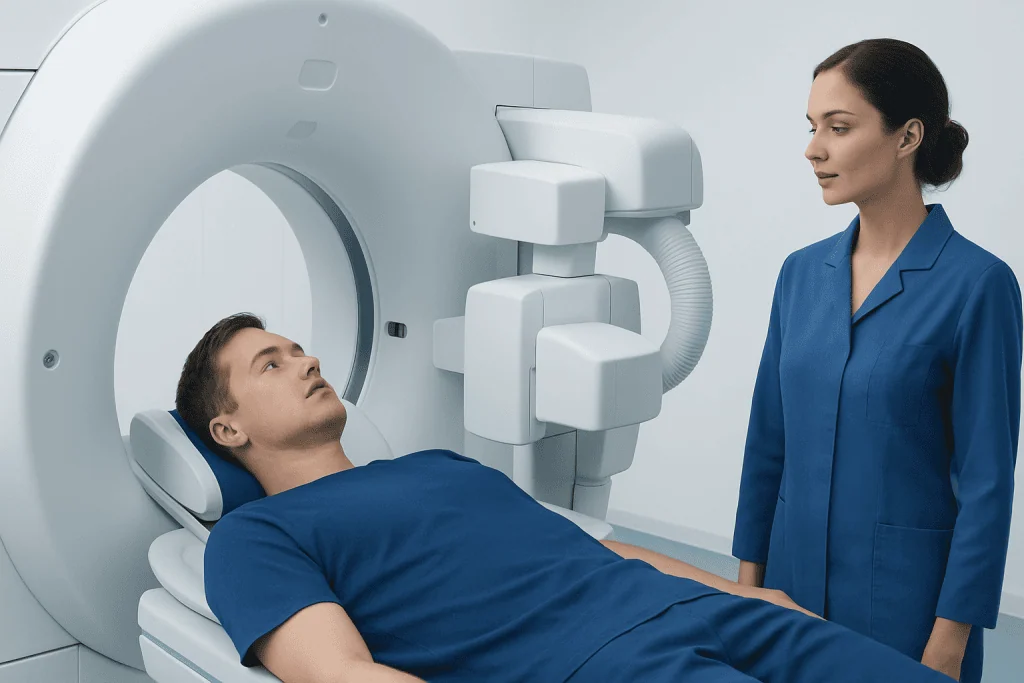
Many neuroendocrine tumors arise in the digestive system, pancreas, or lungs and may produce hormones that cause symptoms such as flushing or diarrhea. Some of these tumors have abundant somatostatin receptors. A specialized scan, often called somatostatin receptor PET imaging, helps the care team determine whether the tumor is likely to take up the PRRT medicine.
The most established PRRT approach uses lutetium-177 linked to a somatostatin analogue. Once the compound binds to tumor cells, lutetium-177 emits radiation that can damage tumor-cell DNA. Tumor cells may then stop growing, shrink, or die over time. The response is generally gradual, so immediate changes on scans or in symptoms are not always expected.
PRRT is one component of a broader NET treatment plan. Depending on the tumor type, location, grade, extent of disease, symptoms, and previous treatment, a plan may also include somatostatin analogues, surgery, liver-directed therapy, chemotherapy, molecularly targeted medicines, or other treatments.
Who May Be a Candidate for PRRT Therapy?

PRRT is commonly considered for adults with progressive, well-differentiated gastroenteropancreatic neuroendocrine tumors that are unresectable or metastatic and show somatostatin receptor uptake on imaging. It may also be considered in selected people with NETs from other sites, depending on the individual clinical situation and local treatment guidance.
Before recommending treatment, the oncology and nuclear medicine team reviews pathology results, receptor imaging, CT or MRI scans, previous therapies, kidney and liver function, blood counts, symptoms, and overall health. The tumor needs to show sufficient receptor expression for the targeting medicine to reach it effectively.
PRRT may not be appropriate when tumors have little or no receptor uptake, when blood counts or organ function are significantly impaired, or during pregnancy. Treatment decisions are individualized. A multidisciplinary team can help weigh PRRT against other available options and explain the expected goals of care.
- Receptor-positive tumor findings on specialized imaging
- Well-differentiated tumor pathology in many cases
- Adequate bone marrow, kidney, and liver function
- A care plan that accounts for previous and ongoing NET treatments
What Happens During PRRT Treatment?
PRRT is usually delivered in several planned cycles, separated by weeks to allow the body to recover. The exact schedule and number of cycles vary by treatment protocol, the radionuclide used, previous care, and individual tolerance. Before each cycle, clinicians commonly check blood tests and review any new symptoms or side effects.
On treatment day, an intravenous line is placed. An amino acid infusion is typically given to help protect the kidneys, followed by the radioactive PRRT medicine through the vein. The visit may take several hours because the kidney-protection infusion and observation period are important parts of care. Some centers use imaging after infusion to confirm how the treatment is distributed.
Patients receive practical radiation-safety instructions before going home. These may include temporary precautions around close contact, shared sleeping arrangements, hygiene, and toileting. The advice depends on the radionuclide, local regulations, and the person’s household circumstances, so it is important to follow the treating center’s instructions rather than relying on general online guidance.
Benefits, Results and Signs Treatment May Be Working
The aim of PRRT therapy is usually disease control. It may reduce the size of some tumors, slow progression, and lessen symptoms caused by hormone-producing NETs. Benefits vary between individuals and may depend on tumor biology, receptor expression, disease burden, prior therapy, and general health.
What are good signs that radiation is working? With PRRT, good signs can include stable or smaller tumors on follow-up CT, MRI, or functional imaging; improved flushing, diarrhea, pain, or other tumor-related symptoms; and better day-to-day functioning. Blood markers may sometimes support the assessment, but they are not reliable on their own. A temporary increase in tiredness or symptoms is not a dependable sign of either success or failure.
What is the success rate of PRRT? There is no single success rate because studies define success differently and include people with different NET types and stages. In appropriately selected patients, clinical research shows that PRRT can significantly improve the time before disease progression compared with some standard approaches. The oncology team can explain what response, stability, symptom control, and progression-free survival may mean in the context of an individual tumor.
Can PRRT cure neuroendocrine cancer? PRRT does not usually cure neuroendocrine cancer that has spread to distant parts of the body. However, it can provide meaningful and sometimes durable disease control for many suitable patients. When a localized tumor can be completely removed, surgery may offer the best chance of cure; this depends on the tumor’s site and stage.
Recovery Timeline, Side Effects and Safety Monitoring
Many people return home on the same day or after a short planned observation period, depending on the center and national radiation-safety requirements. In the first few days, fatigue and nausea are among the more common effects. Nausea can also be related to the amino acid infusion used for kidney protection, and the care team can provide medicines and advice to help manage it.
What are the hardest days after radiation treatment? For PRRT, people often find the treatment day and the first several days afterward the most tiring because of the long infusion visit, nausea, reduced appetite, or fatigue. Others feel relatively well at first but develop tiredness later. PRRT is not identical to external-beam radiation, so the timing and effects can differ; persistent or worsening symptoms should be discussed with the clinical team.
Blood counts can fall temporarily, often becoming most noticeable several weeks after a treatment cycle. Less common but important risks include effects on kidney function, liver function in people with extensive liver disease, and bone marrow. Rare long-term marrow disorders have been reported. Regular blood tests and follow-up appointments are essential for identifying problems early.
- Common short-term effects: fatigue, nausea, vomiting, reduced appetite, and temporary blood-count changes
- Potential delayed effects: low blood counts, kidney effects, and less commonly liver or bone marrow complications
- Monitoring may include blood tests, kidney and liver assessments, symptom review, and follow-up imaging
Preparation, Self-Care and When to Seek Medical Care
Before PRRT, patients should give their team a complete medication list and ask how medicines such as long-acting or short-acting somatostatin analogues should be timed around treatment. They should also discuss pregnancy, breastfeeding, fertility plans, kidney disease, liver disease, and any history of low blood counts. Clinicians may recommend contraception for a period after therapy because radiation can affect reproductive cells.
After treatment, rest, adequate fluids if permitted by the care team, and simple meals may be helpful during nausea or fatigue. Keeping a brief record of symptoms can help clinicians identify patterns across cycles. Physical therapy may be useful separately for strength, balance, pain, or mobility needs, but it is not part of PRRT itself and should be arranged with the appropriate rehabilitation professional.
When to seek medical care Patients should contact their treatment team promptly for fever, chills, unusual bruising or bleeding, severe or persistent vomiting, inability to keep fluids down, marked shortness of breath, chest pain, severe abdominal pain, confusion, or a significant decline in wellbeing. Urgent symptoms should be assessed according to local emergency guidance. Acibadem International’s multidisciplinary specialists and JCI-accredited hospitals diagnose and treat neuroendocrine tumors for international patients.
Frequently asked questions
Is PRRT therapy the same as chemotherapy?
No. PRRT is a targeted radionuclide treatment that uses a receptor-seeking medicine linked to radiation. Chemotherapy uses anti-cancer medicines that work through different mechanisms and may be used for different types or grades of neuroendocrine tumors.
How long does PRRT treatment take?
The infusion visit often lasts several hours because it includes kidney-protection medication, the PRRT infusion, and observation. Treatment is usually delivered in multiple cycles over several months, but the exact plan varies by protocol and individual needs.
Will PRRT make a person radioactive?
A small amount of radioactivity remains in the body for a limited time after treatment. The treatment center provides individualized instructions to reduce radiation exposure to other people, especially children and pregnant individuals.
When are PRRT results checked?
The care team uses symptom reviews, blood tests, and follow-up imaging to assess response. Because treatment effects may develop gradually, scans are generally scheduled at clinically appropriate intervals rather than immediately after each infusion.
Can PRRT be repeated?
In selected circumstances, some patients may be considered for additional radionuclide treatment after prior PRRT. This depends on previous response, time since treatment, bone marrow and kidney function, cumulative radiation exposure, and current disease status.
Can someone work during PRRT therapy?
Some people can continue working with adjustments, while others need time off around infusion days and during periods of fatigue. The ability to work depends on symptoms, job demands, treatment schedule, and any radiation-safety recommendations from the care team.
References
- National Cancer Institute
- European Society for Medical Oncology
- European Association of Nuclear Medicine
- North American Neuroendocrine Tumor Society
- U.S. Food and Drug Administration
This article is for general information only and is not a substitute for professional medical advice. Please consult a qualified doctor about your individual situation.
Persistent digestive symptoms? Get evaluated in Turkey
JCI-accredited · board-certified surgeons · reply within 24h
Add us as a Preferred Source to see more of our trusted health content across Google Search, AI Overviews and Discover.