How to Cure Breast Cancer Without Surgery: Procedure, Recovery and Results
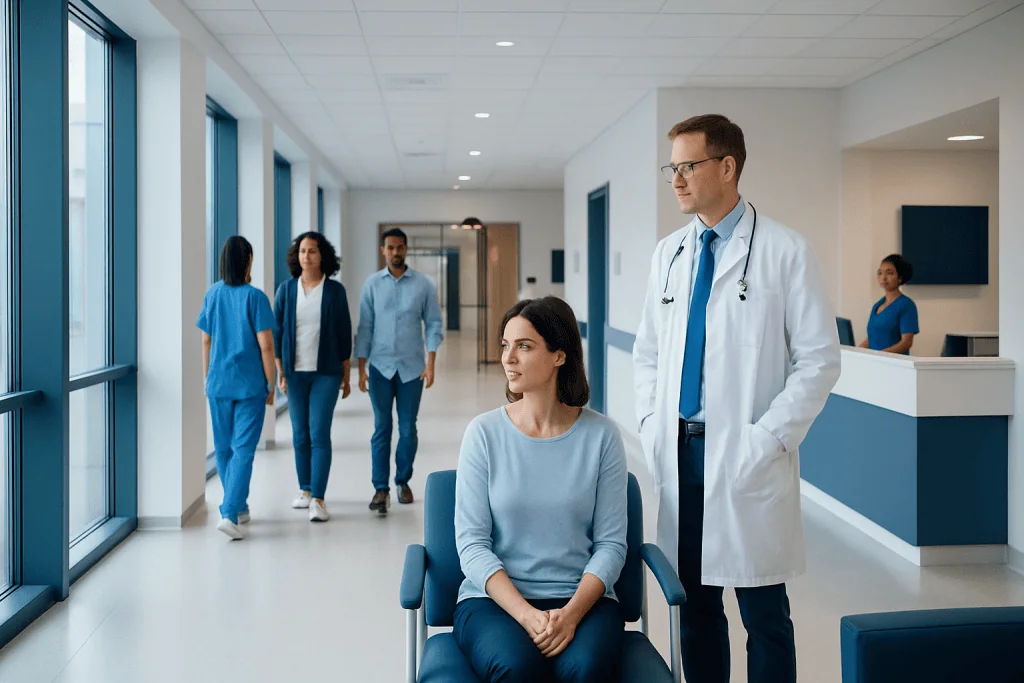
Surgery remains a standard part of curative treatment for many early breast cancers. In selected situations, medicines and radiotherapy may be used without surgery, especially when surgery is not suitable or a complete response is confirmed in research-led care.
Key Takeaways
- Surgery remains a standard part of curative treatment for many early breast cancers.
- In selected situations, medicines and radiotherapy may be used without surgery, especially when surgery is not suitable or a complete response is confirmed in research-led care.
- Treatment decisions require a multidisciplinary team and detailed imaging, biopsy and follow-up.
- Breast cancer survival and quality of life can be very good, particularly when cancer is diagnosed and treated early.
- A healthy eating pattern, regular activity and follow-up care can support recovery and long-term health.
Breast cancer cannot usually be cured safely by avoiding surgery alone, but some carefully selected patients may be treated without breast surgery through systemic treatment and radiotherapy under close specialist supervision. The most appropriate plan depends on the cancer stage, biology, response to treatment and the person’s overall health and preferences.
Overview: Can Breast Cancer Be Cured Without Surgery?
For most people with early breast cancer, surgery is an important part of treatment designed to remove the known cancer and reduce the chance of it returning. Therefore, there is no single non-surgical method that can reliably cure every breast cancer. Treatment is tailored because breast cancers differ in size, stage, grade and biological features, including hormone receptor and HER2 status.
In carefully selected situations, a person may receive treatment without breast surgery. This may be considered when surgery would carry substantial medical risk, when a person chooses not to have surgery after informed discussion, or within closely monitored clinical research. Treatment may involve chemotherapy, hormone therapy, HER2-targeted therapy, immunotherapy and radiotherapy, depending on the cancer type.
A complete response on scans or examination after drug treatment does not always prove that no microscopic cancer cells remain. For this reason, avoiding surgery after an excellent response is still being studied for many patients and requires rigorous assessment and surveillance. A personalised breast cancer treatment plan should be agreed with an experienced breast multidisciplinary team.
How Non-Surgical Breast Cancer Treatment Works
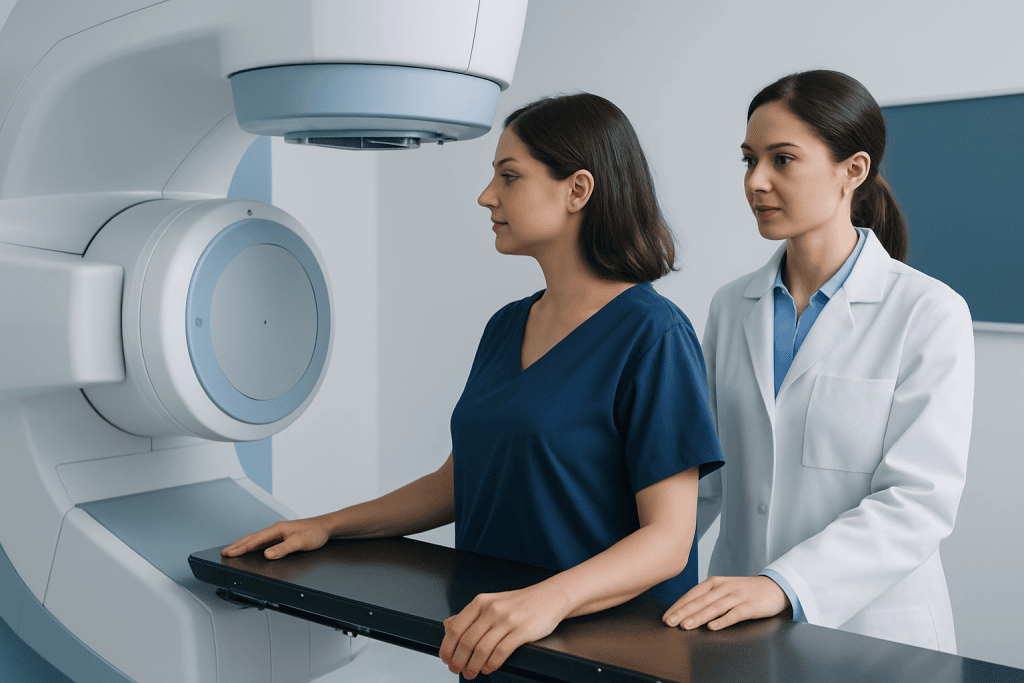
Non-surgical treatment generally combines local treatment, which focuses on the breast and nearby lymph nodes, with systemic treatment, which travels through the body. Radiotherapy is a local treatment that uses carefully planned radiation to destroy cancer cells in a defined area. Systemic therapies can treat cancer cells in the breast and elsewhere in the body.
Chemotherapy may be recommended before or after local treatment, particularly for cancers that are fast-growing or have spread to lymph nodes. Hormone therapy is used for hormone receptor-positive breast cancer and works by lowering or blocking the effect of hormones that can stimulate cancer growth. HER2-targeted medicines may be used when the cancer has excess HER2 protein, while immunotherapy can be suitable for some triple-negative breast cancers.
For people with metastatic breast cancer, meaning cancer that has spread beyond the breast and nearby nodes, treatment usually aims to control the disease, relieve symptoms and preserve quality of life rather than cure it. Systemic medicines are central to care in this setting, and radiotherapy may help manage a particular painful or active area. The approach differs from treatment for early-stage breast cancer, where cure is often the goal.
Who May Be Considered for Treatment Without Surgery?
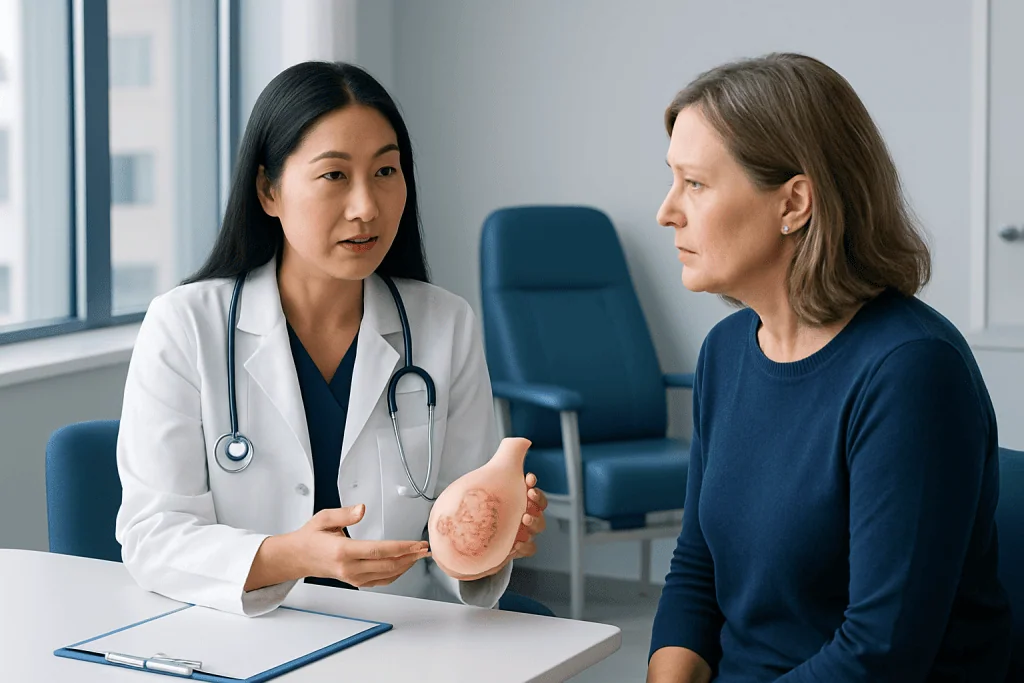
Whether surgery can be avoided is not determined by preference alone. The breast team considers the exact diagnosis from a core needle biopsy, the size and location of the tumour, lymph node involvement, imaging findings, genetic or molecular features, other health conditions and the likely benefit of each treatment. A discussion about the person’s goals, values and ability to attend follow-up visits is also essential.
Non-surgical management may be considered for a person who is medically unable to undergo an operation because of serious frailty or health conditions. It may also be discussed if the tumour responds exceptionally well to treatment given before surgery, known as neoadjuvant therapy. In these situations, additional biopsies and advanced imaging may be used to look for remaining cancer, although neither can eliminate all uncertainty.
Patients should ask whether the recommendation is standard care, an alternative due to individual medical circumstances, or part of a clinical trial. A second opinion from a breast surgeon, medical oncologist and radiation oncologist can be helpful before declining a recommended operation. The safest option is the plan that balances cancer control, treatment effects and the individual’s health needs.
- Early-stage cancer that can be removed often has surgery as part of standard curative care.
- Some people who cannot have surgery may receive radiotherapy and systemic treatment instead.
- Metastatic disease is usually managed with systemic therapy, with surgery considered only in selected circumstances.
What Does the Non-Surgical Treatment Process Involve?
The process starts with confirming the diagnosis and staging the cancer. This commonly includes a clinical breast examination, mammography and ultrasound, sometimes breast MRI, a biopsy and tests on the tumour tissue. Further scans may be advised when there is concern that the cancer has spread. The team then reviews the results together and explains the recommended sequence of treatment.
If drug treatment is advised first, it is given in planned cycles or as ongoing tablets, injections or infusions, depending on the medicine. The response is assessed throughout treatment with examinations and imaging. Side effects are monitored closely, and the treatment plan can be adjusted if needed. Some therapies are given for a defined course, while hormone therapy is commonly continued for years when appropriate.
Radiotherapy is usually planned after a CT simulation scan, which helps the radiation team target the breast area or lymph nodes while protecting nearby organs. It is delivered in short daily appointments over a schedule decided by the radiation oncologist. Radiation itself is not painful, and patients are usually able to go home after each session. Radiotherapy treatment planning is individualised to the cancer location and previous treatments.
After active treatment, follow-up includes regular clinical review and breast imaging as recommended. When surgery has been omitted, close surveillance is particularly important because a new change may need prompt assessment and biopsy.
Recovery Timeline, Benefits and Possible Risks
Recovery without surgery does not mean treatment is effortless or brief. After chemotherapy, fatigue, appetite changes and lowered blood counts can occur, and recovery varies between individuals. Hormone treatments can cause symptoms such as hot flushes, joint discomfort or vaginal dryness. Targeted treatments and immunotherapies have their own potential effects, which should be discussed before treatment starts.
During radiotherapy, many people continue everyday activities, although tiredness and temporary skin redness, dryness or tenderness may develop gradually. These effects often improve in the weeks after treatment ends. Longer-term changes can include firmness or colour change in the treated breast, swelling of the breast or arm, and rarely effects on the lungs or heart depending on the treatment area. Modern planning aims to minimise these risks.
The potential advantage of avoiding surgery is that there is no surgical wound, anaesthetic recovery or operation-related change to the breast. However, the key limitation is uncertainty about whether microscopic cancer remains. This is why non-surgical treatment should not be viewed as a simple substitute for surgery when surgery is recommended as standard curative care.
A person should report new or worsening symptoms promptly rather than waiting for a routine appointment. Supportive care, including physiotherapy, oncology nursing, nutrition advice, psychological support and management of treatment side effects, can make recovery more manageable.
Can Breast Cancer Survivors Live a Long Life?
Yes. Many breast cancer survivors live long, active lives, particularly when cancer is found at an early stage and responds well to treatment. Outlook depends on several factors, including stage at diagnosis, tumour biology, lymph node involvement, response to therapy, age and other health conditions. The treating team can explain what these factors mean for an individual situation.
Survivorship care continues after treatment. It may include scheduled follow-up visits, mammograms or other imaging when indicated, management of treatment effects, review of bone and heart health where relevant, and support for emotional wellbeing. It is common for people to feel anxious before follow-up tests; discussing these concerns with the care team can help.
Long-term health is supported by not smoking, limiting alcohol, maintaining a weight that is appropriate for the individual, staying physically active and attending recommended screening and follow-up. These measures support general health, but they do not replace medical treatment or surveillance.
What Foods Should I Avoid After Having Breast Cancer?
There is no single food that has been proven to prevent breast cancer from returning, and most people do not need a highly restrictive diet after treatment. A practical pattern includes vegetables, fruit, whole grains, beans, nuts, lean protein sources and healthy fats, adjusted for personal culture, appetite and medical needs. A registered dietitian can provide individual advice, especially if treatment has affected weight, digestion or appetite.
It is sensible to limit alcohol because alcohol can increase breast cancer risk, and avoiding it may be recommended for some people. Highly processed foods, sugary drinks and foods high in saturated fat are best kept occasional rather than forming the basis of the diet. People taking hormone therapy or other medicines should ask their team before using herbal remedies, concentrated supplements or soy/isoflavone products in supplement form, as some products may interact with treatment.
During treatment, food safety also matters if immunity is reduced. Thorough handwashing, safe food storage and careful preparation of meat, eggs and seafood are useful precautions. Adequate protein and fluids can support strength and recovery when appetite is low.
Can You Recover From Breast Cancer Without Surgery? When to Seek Medical Care
Some people can have an excellent response to non-surgical treatment, but recovery without surgery is not appropriate or proven to be equally safe for every breast cancer. Anyone considering this approach should understand the possible benefits, uncertainties and follow-up requirements with a specialist breast cancer team. Treatment should never be delayed in favour of unproven remedies or dietary approaches.
Medical care should be sought promptly for a new breast lump, thickening, nipple discharge that is bloody, persistent breast or nipple skin change, a newly inverted nipple, unexplained swelling near the collarbone or armpit, or a breast change that does not settle. People previously treated for breast cancer should contact their team for a new lump, persistent bone pain, unexplained breathlessness, ongoing headaches, unintentional weight loss or other concerning new symptoms.
Urgent medical assessment is needed for severe shortness of breath, chest pain, sudden weakness, confusion, fever during chemotherapy or signs of a serious allergic reaction. Acibadem International’s multidisciplinary specialists and JCI-accredited hospitals provide diagnosis and treatment planning for international patients with breast cancer.
Can I live a full life with breast cancer? Many people do, including those living after curative treatment and those receiving ongoing treatment for advanced disease. Work, family life, exercise, relationships and personal goals can remain important parts of life; support from the healthcare team can help manage symptoms and treatment effects while preserving quality of life.
Frequently asked questions
Can breast cancer be cured without surgery?
For many early breast cancers, surgery remains a standard part of treatment intended to cure the disease. In selected circumstances, medicines and radiotherapy may be used without surgery, but this requires careful assessment by a multidisciplinary breast cancer team and close follow-up.
Can breast cancer survivors live a long life?
Yes. Many survivors live for many years after breast cancer treatment, especially when the cancer is diagnosed early and treated effectively. Individual outlook depends on the cancer stage, tumour characteristics, response to treatment and overall health.
What foods should I avoid after having breast cancer?
There is no universal list of forbidden foods, but limiting alcohol and highly processed foods is generally sensible. It is also important to discuss supplements and herbal products with the oncology team because they can interact with treatment.
Can you recover from breast cancer without surgery?
Recovery without surgery may be possible in limited clinical situations, such as when surgery is medically unsafe or within carefully monitored treatment pathways. It should not be assumed to be equivalent to standard surgery-based treatment for all patients.
Can I live a full life with breast cancer?
Many people continue meaningful, active lives during and after breast cancer treatment. Symptom management, rehabilitation, emotional support and regular communication with the care team can help a person maintain daily activities and personal goals.
What happens if breast cancer is treated with medicines first?
Medicines given before surgery are called neoadjuvant treatment and may include chemotherapy, hormone therapy, targeted therapy or immunotherapy. They can shrink the tumour and provide information about how the cancer responds, but surgery may still be recommended afterward.
References
- World Health Organization
- National Cancer Institute
- American Cancer Society
- European Society for Medical Oncology
- National Comprehensive Cancer Network
This article is for general information only and is not a substitute for professional medical advice. Please consult a qualified doctor about your individual situation.
Breast Cancer in Turkey — costs, top hospitals & a free quote
JCI-accredited · board-certified surgeons · reply within 24h
Add us as a Preferred Source to see more of our trusted health content across Google Search, AI Overviews and Discover.