What to Ask Doctor Round of Chemo: How It Works, Results and What to Expect

A chemotherapy round, often called a cycle, includes treatment days and a planned recovery period. The best questions address the goal of treatment, expected results, schedule, side effects, and emergency contact instructions.
Key Takeaways
- A chemotherapy round, often called a cycle, includes treatment days and a planned recovery period.
- The best questions address the goal of treatment, expected results, schedule, side effects, and emergency contact instructions.
- Chemotherapy plans are individualized according to the cancer type, stage, overall health, previous treatment, and personal priorities.
- Blood tests, symptom checks, and sometimes scans help the oncology team decide whether treatment should continue or be adjusted.
- Many side effects can be prevented, reduced, or treated when reported early to the care team.
Before a round of chemotherapy, patients should ask about the treatment goal, medicines being used, expected benefits, side effects, practical preparation, and symptoms that require urgent help. Clear answers can help patients take an active role in care and know what to expect before, during, and after each treatment cycle.
What to Ask Doctor Before a Round of Chemo
For anyone wondering what to ask doctor round of chemo, the most useful starting questions are: What is the goal of this treatment? Which medicines will be given? How will the team know whether it is working? Patients should also ask what side effects are likely, how to manage them, and exactly when to call the oncology team.
It can be helpful to bring a written list of questions and a trusted family member or friend to appointments. Patients may ask for explanations in everyday language, request written instructions, and take notes. There is no need to remember everything at once; oncology teams expect questions and can revisit important information at each visit.
- Is chemotherapy intended to cure the cancer, reduce the chance of return, slow its growth, or ease symptoms?
- What is the name of each medicine, and why is it included in the plan?
- How many cycles are planned, and what could change that schedule?
- Which symptoms are expected, and which ones need an urgent call?
- Who should be contacted outside normal clinic hours?
How a Chemotherapy Round Works
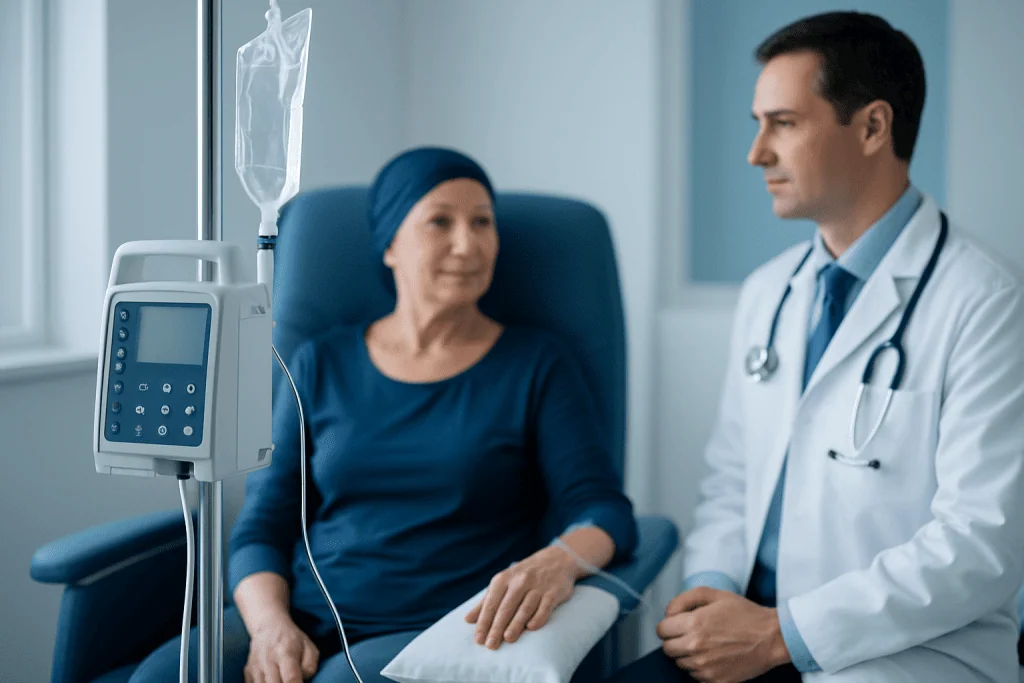
Chemotherapy uses medicines that damage or stop the growth of cancer cells. Because cancer cells usually divide more quickly than many healthy cells, they can be especially sensitive to these medicines. However, some normal cells also divide rapidly, including cells in the blood, digestive tract, hair follicles, and reproductive organs. Effects on these tissues explain many common chemotherapy side effects.
A round of chemotherapy is commonly called a cycle. A cycle may involve treatment on one day, several consecutive days, or particular days across a number of weeks. It also includes a rest period that gives the body time to recover. The exact pattern depends on the cancer type, treatment medicines, treatment goal, and the person’s health.
Chemotherapy may be used alone or combined with surgery, radiation therapy, immunotherapy, targeted therapy, hormone therapy, or stem cell transplantation. It may be given before another treatment to shrink a tumor, after treatment to lower the likelihood of remaining cancer cells growing, or for cancer that has spread or returned.
Who May Be a Candidate for Chemotherapy

Whether chemotherapy is appropriate depends on the specific diagnosis and the purpose of care. The oncology team considers the cancer’s type, location, stage, tumor features, rate of growth, and whether it has spread. Laboratory and pathology results, including molecular or genetic features of a tumor when relevant, may help guide the choice of medicines.
The team also considers a person’s overall health, organ function, nutrition, existing medical conditions, current medicines, previous cancer treatment, and personal treatment preferences. Chemotherapy is not automatically the best approach for every cancer or every person. In some situations, another systemic treatment or careful monitoring may be more appropriate.
Patients can ask whether there are alternatives to the recommended plan and what the expected advantages and limitations are for each option. They can also ask whether a second opinion or discussion by a multidisciplinary cancer team would be useful. Decisions should be made together with qualified clinicians, based on reliable information and individual goals.
What Happens Before, During and After Treatment
Before a chemotherapy round, patients commonly have a consultation, symptom review, physical assessment, and blood tests. These tests may check blood cell levels as well as kidney and liver function. Depending on the medicines planned, heart tests, scans, pregnancy testing, or other evaluations may also be needed. The oncology team reviews current medicines, supplements, allergies, and any recent illness.
On treatment day, chemotherapy may be given by infusion into a vein, injection, tablets or capsules, or another route suited to the medicine. Intravenous treatment may be administered through a standard IV line or a device such as a port. Staff check identity, treatment details, and observations before starting, and may provide medicines to reduce nausea, allergic reactions, or other treatment-related effects.
During infusion, patients should promptly mention itching, rash, breathing difficulty, chest discomfort, pain, burning, swelling, dizziness, chills, or any new symptom. Some reactions are uncommon but require immediate attention. After treatment, the team provides guidance on home medicines, hydration, food safety, activity, appointments, and contact details for concerns between visits.
For people seeking coordinated cancer care, chemotherapy treatment planning can help clarify how medicines, monitoring, supportive care, and other therapies fit into an individualized plan.
Expected Results, Monitoring and Recovery Timeline
The expected result of chemotherapy depends on why it is being used. In some cases, it may eliminate cancer or make it less likely to return after surgery. In others, it may shrink or control cancer, slow progression, or improve cancer-related symptoms. The oncology team should explain what response is realistically expected and when it may be possible to assess it.
Monitoring may include symptom reviews, physical examinations, blood tests, tumor markers in selected cancers, and imaging scans. A scan is not always performed after every cycle. Changes in blood counts, side effects, response results, or personal circumstances can lead the team to delay treatment, change a dose, switch medicines, or stop a treatment that is no longer beneficial.
Recovery after each cycle varies. Some people feel tired or have nausea for a few days, while others notice symptoms later in the cycle as blood counts decrease. Energy may improve during the rest period, but fatigue can accumulate over repeated cycles. Hair changes, nerve symptoms, menstrual changes, and some other effects may take longer to improve after chemotherapy ends.
Patients should ask: When should I expect to feel better after each cycle? When will my blood counts be lowest? Can I work, exercise, travel, or receive vaccines during treatment? Individual advice is important because answers differ substantially between treatment plans.
Benefits, Risks and Side Effects to Discuss
The potential benefit of chemotherapy must be balanced with its possible risks and burdens. Common effects can include fatigue, nausea or vomiting, appetite changes, taste changes, mouth sores, diarrhea or constipation, hair loss, skin or nail changes, and changes in blood counts. Not everyone develops the same side effects, and many can be prevented or managed with supportive treatment.
A low white blood cell count can increase infection risk, while low red blood cells can contribute to tiredness or shortness of breath, and low platelets can increase bruising or bleeding. Certain medicines may also affect nerves, kidneys, heart function, hearing, fertility, memory or concentration, depending on the drug and total exposure. The oncology team discusses relevant risks before treatment and monitors for them during care.
Patients should tell the team about all prescription medicines, over-the-counter products, vitamins, herbal preparations, and complementary therapies. Some products can interfere with chemotherapy or increase side effects. It is also appropriate to ask about fertility preservation before treatment, contraception during treatment, pregnancy and breastfeeding considerations, dental work, and the use of alcohol or tobacco.
- What side effects are most likely with this exact regimen?
- Which effects can be managed at home, and which require a same-day call?
- Could this treatment affect fertility, nerves, heart function, or other organs?
- What supportive medicines or services are available?
Self-Care Between Chemotherapy Cycles
Practical self-care can support comfort and recovery between cycles. Patients should follow their care team’s guidance about fluids, meals, activity, oral care, sleep, and medicines. Small, frequent meals may be easier if appetite is reduced, while gentle movement may help some people manage fatigue and maintain function. Rest remains important, and activity should be adjusted to energy levels and medical advice.
Reducing exposure to infection is especially important when blood counts are low. Hand hygiene, avoiding close contact with people who are ill, and following food safety guidance can help. Patients should not take a fever-reducing medicine to mask a fever without first contacting the oncology team, because fever can be an early sign of infection during chemotherapy.
Emotional wellbeing also matters. Anxiety, uncertainty, changes in family roles, and concerns about appearance or work are common. Oncology nurses, dietitians, psychologists, social workers, rehabilitation professionals, and support groups may help. Patients can ask what local and remote support is available and whether a written care plan can be provided.
When to Seek Medical Care
Patients should contact their oncology team promptly for a fever or chills, particularly if they have been told their white blood cell count may be low. The team should also be informed about worsening cough, sore throat, painful urination, persistent diarrhea, repeated vomiting, inability to drink fluids, new confusion, severe weakness, unusual bleeding, black stools, or rapidly spreading rash.
Emergency medical care is needed for severe shortness of breath, chest pain, fainting, facial or throat swelling, severe allergic-type symptoms, uncontrolled bleeding, seizures, or sudden severe pain. Patients should follow the emergency instructions provided by their oncology center and tell emergency clinicians that they are receiving chemotherapy.
It is better to call early rather than wait for a symptom to become severe. Acibadem International’s multidisciplinary specialists and JCI-accredited hospitals support international patients with cancer diagnosis, chemotherapy, symptom management, and follow-up planning.
Frequently asked questions
What should I ask before my first chemotherapy round?
Patients should ask about the purpose of treatment, the medicines involved, the schedule, likely benefits, and possible short- and long-term side effects. They should also ask how treatment response will be monitored and who to contact if symptoms develop at home. Bringing a written list can make the discussion easier.
How long does one round of chemotherapy take?
A chemotherapy round, or cycle, can range from a single treatment day to treatment over several days, followed by a recovery period. Infusion visits may last from a short appointment to much of the day, depending on the medicines and pre-treatment checks. The oncology team can provide the exact schedule for the individual regimen.
Will chemotherapy make me feel sick immediately?
Some people have symptoms on the day of treatment, while others develop them over the following days. Nausea, tiredness, bowel changes, and appetite changes vary by medicine and individual response. Preventive and supportive medicines can often reduce discomfort, so symptoms should be reported early.
What tests are done before each chemotherapy cycle?
Many patients have blood tests to check blood cell counts and organ function before treatment. The care team may also review symptoms, weight, blood pressure, and any side effects from the previous cycle. Additional tests depend on the cancer type and medicines being used.
Can chemotherapy be delayed if blood counts are low?
Yes. If blood counts have not recovered sufficiently or side effects are significant, the oncology team may delay treatment, adjust the dose, or recommend supportive care. These changes are made to protect safety while maintaining the intended benefit of treatment where possible.
When should a person call the doctor during chemotherapy?
The oncology team should be contacted promptly for fever, chills, signs of infection, persistent vomiting or diarrhea, dehydration, unusual bleeding, worsening pain, or any concerning new symptom. Patients should receive specific temperature thresholds and after-hours contact instructions from their own treatment center. Severe breathing difficulty, chest pain, fainting, or uncontrolled bleeding requires emergency care.
References
- National Cancer Institute
- American Cancer Society
- American Society of Clinical Oncology
- Centers for Disease Control and Prevention
- European Society for Medical Oncology
This article is for general information only and is not a substitute for professional medical advice. Please consult a qualified doctor about your individual situation.
Hair transplant in Turkey — costs, graft counts & a free assessment
JCI-accredited · board-certified surgeons · reply within 24h
Add us as a Preferred Source to see more of our trusted health content across Google Search, AI Overviews and Discover.

More from the Health Library



Related Specialists

Dr. Ahsen Ercan
Physical Medicine & Rehabilitation
Prof. Dr. Mustafa Karaçelik
Cardiovascular Surgery
Prof. Dr. Dilaver Kaya
Neurology
Prof. Dr. Yasemin Ersoy
Clinical Laboratory