

Bariatric Accessibility Planning for Treatment in Turkey

Bariatric accessibility planning for treatment in Turkey means organizing every stage of obesity surgery travel and care around a patient’s mobility, communication, medical, and daily support needs. At Acibadem, this includes coordinating pre-travel assessment, hospital access, inpatient and recovery arrangements, and follow-up planning so bariatric treatment can be delivered safely and more comfortably for international patients.
Planning bariatric treatment abroad is easier when your mobility, comfort, privacy and support needs are discussed before you travel. This guide helps you prepare the practical details for treatment in Turkey, from airport assistance and accessible transport to hospital rooms, interpreters and safe return travel.
At a glance
- Best time to plan: Start 4-8 weeks before travel when possible
- Key support areas: Flights, transfers, mobility, room setup, companion needs
- Helpful documents: Medical summary, medication list, mobility notes, passport details
- Who to involve: International patient team, treating specialist, airline, companion
- Important reminder: Do not book non-refundable travel until your care team confirms timing
Start with your access needs, not just your treatment date
Bariatric accessibility planning begins with an honest, practical conversation about what makes travel and hospital stays easier for you. This may include walking distance, wheelchair use, seat width, breathing support during sleep, privacy preferences, bathroom setup, preferred transfer style, or how much help you need after anesthesia. Sharing these details early is not an inconvenience; it is how your care team can prepare appropriately.
When you contact Acibadem International, describe your daily mobility in concrete terms. For example, tell the team whether you can walk through an airport terminal, climb steps into a vehicle, lie flat comfortably, use a standard bathroom, or stand for security screening. If you use a cane, walker, wheelchair, CPAP device or other equipment, include the model or size when relevant.
It is also helpful to explain what has been difficult during previous travel or hospital visits. Long queues, narrow seating, low beds, hot environments, unclear instructions or lack of privacy can all add stress. The more specific you are, the more your international patient coordinator can help align airport assistance, hospital access, interpreter support and accommodation planning with your real needs.
Preparing your medical and mobility information
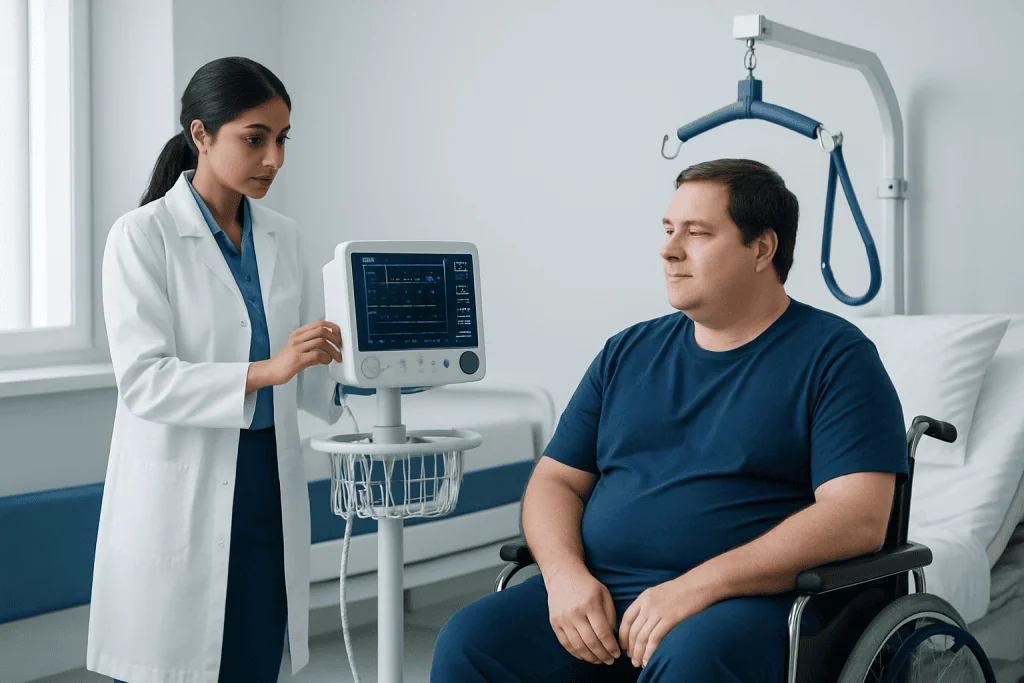
Before any travel arrangements are finalized, your care team will need enough information to assess whether it is appropriate for you to travel and what precautions may be needed. This usually includes recent medical records, current medications, allergies, previous surgeries, weight and height, relevant test results, and any known heart, lung, diabetes or sleep-related conditions. You do not need to organize everything perfectly, but clear copies and dates make review easier.
For accessibility planning, add a short mobility profile alongside your medical documents. This can include how far you can walk without stopping, whether you need help standing up, whether you can use a standard car seat belt, and whether you become breathless when walking, lying down or climbing stairs. If you have skin sensitivity, pressure sore risk or difficulty sleeping flat, mention this too.
Keep your information practical and current. A simple list can include:
- Your usual mobility aids and equipment
- Your preferred way to transfer from bed to chair or vehicle
- Any previous issues with anesthesia, flying or long car journeys
- Dietary requirements and medication timing
- Emergency contact details and companion information
Flight and airport assistance for bariatric travelers
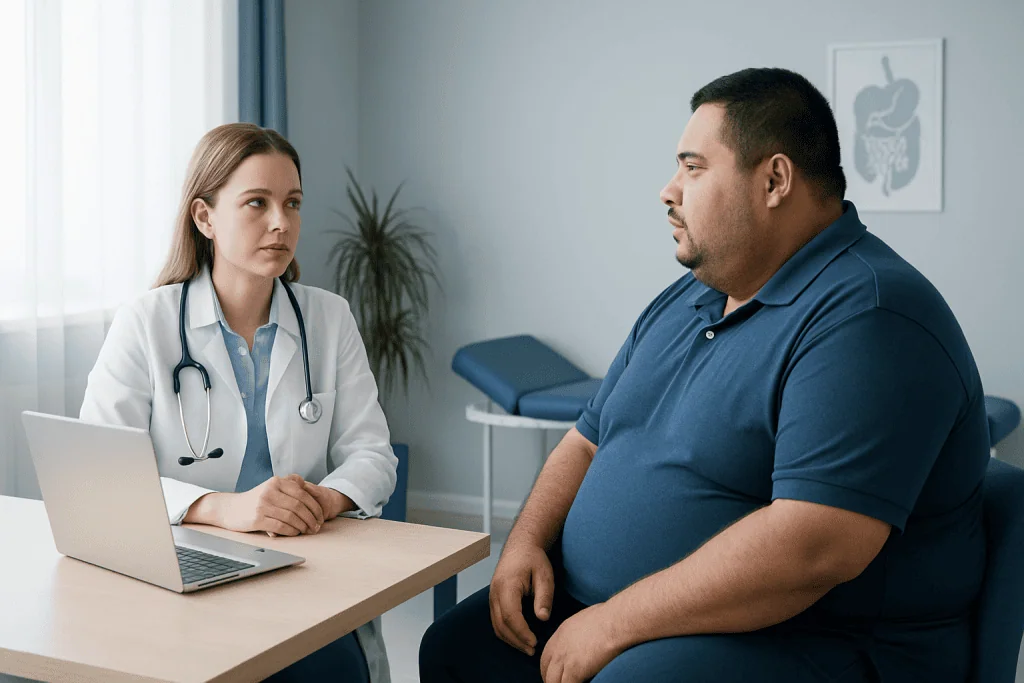
Airports can involve long walking distances, standing queues, security checks and boarding procedures that may be tiring. If you have reduced mobility, request wheelchair or buggy assistance from the airline at the time of booking, not on the day of travel. Airlines usually need advance notice, and some may ask about your ability to walk to the seat, use stairs, or move independently in the cabin.
Seat comfort matters. Ask the airline about seat dimensions, armrests, seat belt extenders and policies for passengers who may need additional space. Rules vary by airline and route, so confirm directly with the carrier and keep written notes of what was agreed. If your doctor advises specific precautions for long flights, follow medical guidance on movement, hydration and medication timing.
Plan your arrival in Turkey with realistic energy levels. After a flight, you may be tired, swollen, hungry, or uncomfortable, especially if you have traveled overnight. Acibadem International can help coordinate airport welcome arrangements and transfers when planned in advance, so you are not left negotiating transport after landing. If you are traveling with a companion, agree beforehand who will manage luggage, documents and communication at each step.
Accessible transfers, hotels and daily movement in Turkey
Ground transport should be discussed before you arrive. Depending on your mobility, you may need a vehicle with easier entry height, extra seat space, air conditioning, room for mobility aids, or a driver who understands that you need time to enter and exit safely. If you cannot climb into a standard car or van, say so clearly before the transfer is booked.
Accommodation is another important part of bariatric accessibility planning. Ask about elevator access, step-free entry, bed height, bathroom size, shower style, toilet support, distance from the hospital, and whether room service or nearby food options are available. A hotel that looks close on a map may still be difficult if it involves hills, stairs, uneven pavement or long corridors.
Many international patients prefer to stay near the hospital, especially around admission, discharge and follow-up appointments. Acibadem International patient services can advise on practical accommodation and transport considerations, including companion needs and interpreter coordination. You should still confirm hotel accessibility directly, because room layouts and availability can vary.
Hospital arrival, room setup and dignity during your stay
A good hospital accessibility plan protects both safety and dignity. At JCI-accredited Acibadem hospitals, international patient teams can help coordinate your arrival, registration, interpreter support and movement between departments. Still, it is useful to ask in advance about the practical details that matter to you: bed access, gowns, privacy during weighing, bathroom assistance, and how call bells or nursing support work.
If you need help transferring, bathing, dressing or walking after treatment, tell the team before admission. Hospitals can plan better when they know your baseline, rather than discovering needs during a busy admission day. You may also wish to discuss whether a companion can stay with you, what they can help with, and what nursing staff should handle.
Interpreter support is especially valuable when you are discussing pain, nausea, mobility, breathing, wound care instructions or discharge planning. Even if you speak some Turkish or English is available, medical situations can feel stressful. Ask for clarification whenever something is unclear, and repeat key instructions back in your own words so the team can confirm you understood correctly.
Planning discharge, recovery accommodation and return travel
Accessibility planning does not end when you leave the hospital. After bariatric treatment, you may have temporary limits on movement, diet, energy and lifting. Your discharge plan should explain follow-up appointments in Turkey, medications, diet stages, wound care, warning signs, activity guidance and when you may be considered fit to fly. Do not assume you can travel home immediately; timing depends on your condition and your doctor’s advice.
Think carefully about where you will recover between discharge and your return flight. You may need a quiet room, easy bathroom access, space to walk short distances, simple food options that match your diet plan, and support from a companion or patient services team. If you use a CPAP device, mobility aid or special cushion, keep it accessible rather than packed away.
Before returning home, confirm your flight assistance, seating arrangements, airport transfer time and medication schedule. Ask your care team what documents you should carry, such as a medical report, fit-to-fly note if required, prescriptions and emergency contact information. Acibadem International can support follow-up coordination, but you should also arrange a local doctor or specialist contact in your home country for ongoing care.
Step by step
- Share your mobility and comfort needs early. When you first contact the hospital, explain how you move, what equipment you use, and what has been difficult during previous travel or admissions. This helps the international patient team plan transfers, appointments, room needs and interpreter support more accurately.
- Send medical records for pre-travel review. Provide recent reports, medication lists, test results and details of existing conditions. Your treating team must advise whether travel and timing are appropriate before you make firm arrangements.
- Coordinate airline assistance before booking. Ask the airline about wheelchair assistance, seat belt extenders, seat dimensions and any policies related to additional space. Keep written confirmation and avoid non-refundable bookings until your hospital plan is clearer.
- Choose practical accommodation. Look beyond star rating and check elevator access, bathroom layout, bed height, distance to hospital and step-free routes. If possible, ask for photos or written confirmation of accessibility features.
- Plan airport and hospital transfers. Request a vehicle suitable for your body size, mobility aids and luggage. Build in extra time so you are not rushed when entering or exiting vehicles, checking in, or moving through the hospital.
- Prepare your companion’s role. Agree who will carry documents, manage luggage, help with communication and support you after discharge. Your companion should also understand their own accommodation, meals, rest needs and hospital visiting rules.
- Confirm discharge and return-flight timing. Ask your doctor when travel home may be appropriate and what warning signs require urgent care. Reconfirm airline assistance and carry discharge documents, prescriptions and contact numbers in your hand luggage.
Your checklist
- Passport, visa or entry documents, and travel insurance details
- Recent medical records, test results and medication list
- Mobility profile including walking distance, transfer needs and equipment
- Airline wheelchair assistance and seating confirmation
- Accessible airport-to-hospital or airport-to-hotel transfer plan
- Hotel accessibility details confirmed in writing where possible
- CPAP device, chargers, mobility aids and comfort items packed accessibly
- Companion contact details and agreed support responsibilities
- Discharge report, prescriptions and follow-up instructions for return travel
Key takeaways
- Bariatric accessibility planning should begin before flights and hotels are booked.
- Share both medical information and practical mobility details with your care team.
- Airline assistance, accessible transfers and suitable accommodation should be confirmed in advance.
- Hospital planning should include dignity, privacy, interpreter support and safe movement.
- Return travel should follow your doctor’s advice and include clear aftercare arrangements.
Frequently asked questions
Can I travel to Turkey for bariatric treatment if I have reduced mobility?
Many people with reduced mobility can travel for care when planning is careful and medical review supports it. Your care team needs to understand your health status, mobility level and travel route before advising on timing. Do not book firm travel until your treating specialist has reviewed your information.
Should I tell the hospital my weight and mobility limitations before arrival?
Yes. This information helps the team plan appropriate transfers, equipment, room arrangements and appointment flow. It is shared for safety and dignity, not judgment, and it can prevent avoidable discomfort during admission.
What airport support should I request?
If walking long distances is difficult, request wheelchair or mobility assistance from your airline before travel. You should also ask about boarding support, seat belt extenders, seat dimensions and any policies for additional seating space. Confirm these details directly with the airline because rules vary.
Can Acibadem International help with transfers and interpreters?
Acibadem International patient services can help coordinate practical aspects such as airport transfers, interpreter support and appointment navigation when arranged in advance. The team can also guide you on what details to confirm with hotels and airlines. Some services depend on availability and your individual plan.
What should my companion prepare for?
Your companion may help with luggage, documents, communication, emotional support and daily needs after discharge. They should also plan their own rest, meals, transport and accommodation. Before admission, clarify hospital visiting rules and whether overnight companion arrangements are possible.
When can I fly home after bariatric treatment?
Return-flight timing depends on your procedure, recovery, test results and your doctor’s assessment. You should not rely on a fixed date without medical confirmation. Before flying, ask what symptoms require urgent attention and what documents you need to carry.
What if my hotel room is not accessible when I arrive?
Contact the hotel reception and your patient coordinator as soon as possible, especially if the issue affects safety. Having written confirmation, photos and a backup plan can make this easier to resolve. If you have essential needs, confirm them repeatedly before travel and again shortly before arrival.
Add us as a Preferred Source to see more of our trusted health content across Google Search, AI Overviews and Discover.

More Patient Guides

Traveling to Turkey with a Stoma: Supplies, Airport Screening, and Recovery Planning
Traveling to Turkey with a stoma is manageable with the right supplies, airport screening plan, and recovery support in Istanbul or Turkey.
8 min read
Mobility Aids in Turkey: Renting a Wheelchair, Walker, or Crutches
Mobility aids in Turkey can be rented through medical suppliers, pharmacies, and hospital-linked services in Istanbul and other cities.
9 min read
How to Handle Food Allergies and Special Diets During Treatment in Turkey
Food allergies and special diets during treatment in Turkey can be managed safely by sharing your needs early and coordinating meals with…
9 min read