Vestibular Rehabilitation: Therapy for Dizziness and Balance Problems

Vestibular rehabilitation is an exercise-based therapy for dizziness, vertigo, imbalance, and motion sensitivity. Treatment is personalized after an assessment of eye movements, balance, walking, posture, and symptom triggers.
Key Takeaways
- Vestibular rehabilitation is an exercise-based therapy for dizziness, vertigo, imbalance, and motion sensitivity.
- Treatment is personalized after an assessment of eye movements, balance, walking, posture, and symptom triggers.
- Exercises may include gaze stabilization, balance training, walking practice, and habituation to movements that provoke dizziness.
- Some conditions, such as benign paroxysmal positional vertigo, may also need specific repositioning maneuvers performed by a trained clinician.
- A doctor should evaluate sudden, severe, or unusual dizziness, especially if it occurs with neurological, hearing, chest, or fainting symptoms.
Vestibular rehabilitation is a specialized form of physical therapy that helps the brain and body adapt to dizziness, vertigo, and balance problems. A personalized program can improve steadiness, confidence, and daily function for many people with vestibular disorders.
Overview
Vestibular rehabilitation is a specialized, evidence-based therapy designed to help people with dizziness, vertigo, unsteadiness, and balance difficulties. The vestibular system, located in the inner ear and connected to the brain, helps the body understand head movement and position. When this system is affected by illness, injury, aging, or another medical condition, a person may feel spinning, swaying, lightheaded, off balance, or unusually sensitive to motion.
The goal of vestibular rehabilitation is not simply to “strengthen the inner ear.” Instead, therapy helps the brain use visual information, body position signals, and remaining vestibular function more effectively. Through carefully selected exercises, patients learn to reduce dizziness, improve balance reactions, walk more confidently, and return to daily activities with less fear of falling.
Vestibular rehabilitation is usually provided by a physiotherapist or rehabilitation specialist with training in dizziness and balance disorders. The program is tailored to the patient’s diagnosis, symptom pattern, physical ability, and personal goals. It may be helpful for many conditions, including vestibular neuritis, labyrinthitis, persistent dizziness after benign paroxysmal positional vertigo, concussion-related dizziness, age-related balance decline, and some chronic vestibular disorders.
Symptoms and Problems Vestibular Rehabilitation Can Address
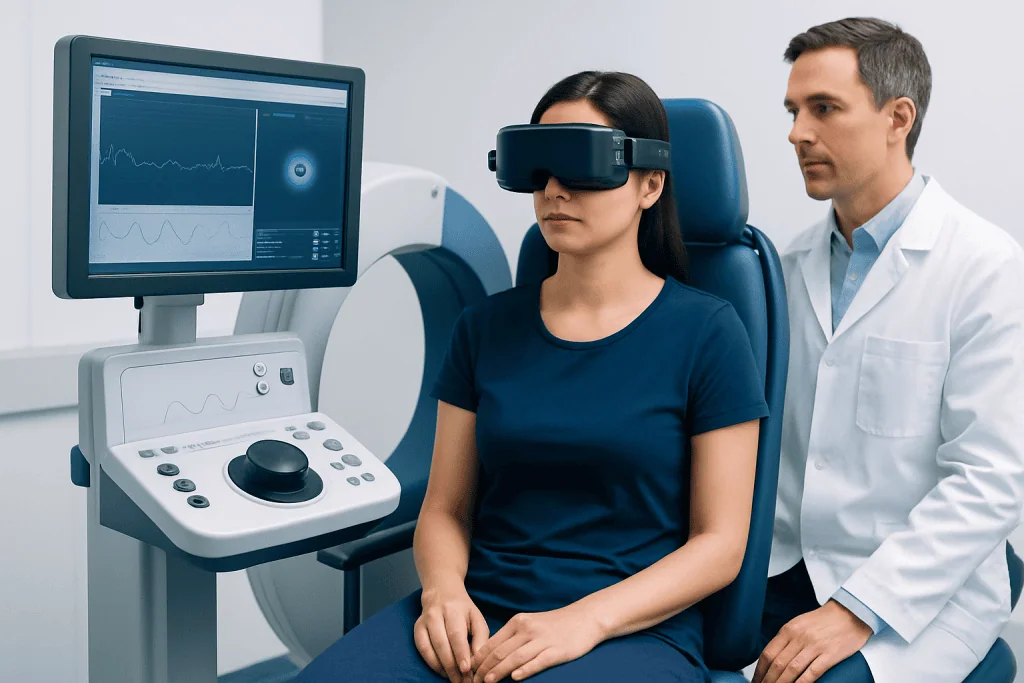
People are often referred for vestibular rehabilitation when dizziness or balance symptoms interfere with normal life. Symptoms may be constant or may appear only with certain movements, such as turning in bed, looking up, walking in busy environments, bending forward, or moving the head quickly. Some patients feel a true spinning sensation, while others describe floating, rocking, unsteadiness, or difficulty focusing their eyes while moving.
Vestibular symptoms can affect daily function in many ways. A person may avoid stairs, shopping centers, driving, exercise, or social activities because these situations trigger dizziness or fear of falling. Even when the original illness has improved, the body may continue to move stiffly or cautiously, which can worsen imbalance over time.
Common problems that may improve with vestibular rehabilitation include:
- Dizziness or vertigo with head or body movement
- Unsteadiness when standing, walking, or turning
- Blurred vision or difficulty focusing during movement
- Motion sensitivity in crowds, supermarkets, traffic, or screen use
- Reduced confidence after falls or near-falls
- Neck stiffness or guarded movement related to dizziness
- Difficulty returning to work, exercise, or everyday routines after a vestibular event
Common Causes of Dizziness and Balance Disorders

Dizziness and imbalance can arise from many different causes, and vestibular rehabilitation is most effective when the underlying problem is understood. Inner ear conditions are frequent causes. Benign paroxysmal positional vertigo, often called BPPV, occurs when tiny calcium particles in the inner ear move into the wrong canal and trigger brief spinning with position changes. Vestibular neuritis and labyrinthitis can cause sudden vertigo due to inflammation affecting the vestibular nerve or inner ear.
Other causes include Ménière’s disease, vestibular migraine, concussion, stroke, peripheral neuropathy, medication side effects, low blood pressure, anxiety-related dizziness, vision problems, and age-related changes in balance systems. In some people, more than one factor contributes to symptoms. For example, an older adult may have mild vestibular loss, reduced leg strength, and vision changes, all of which can increase fall risk.
Risk factors for balance problems include previous falls, prolonged bed rest, neurological disease, diabetes-related nerve changes, reduced physical activity, certain sedating medications, and unsafe home environments. Because dizziness can have medical, neurological, cardiovascular, ear-related, and medication-related causes, patients should be assessed by a qualified clinician before beginning a rehabilitation plan.
Assessment and Diagnosis Before Therapy
A careful assessment helps determine whether vestibular rehabilitation is appropriate and which exercises are likely to help. The clinician usually begins with a detailed history, including when symptoms started, what triggers them, how long they last, whether hearing symptoms are present, and how dizziness affects walking, work, sleep, and daily life. Information about medications, medical conditions, migraines, falls, and previous ear or neurological problems is also important.
The physical examination may include tests of eye movements, head movement tolerance, standing balance, walking pattern, posture, neck mobility, and strength. In some cases, the clinician performs positional tests to look for BPPV. If BPPV is identified, specific canalith repositioning maneuvers may be used rather than, or before, a general exercise program.
Some patients may need additional tests, depending on symptoms and medical history. These can include hearing tests, vestibular function tests, neurological examination, cardiovascular evaluation, or imaging when indicated. Diagnosis is important because dizziness caused by a new neurological event, heart rhythm problem, infection, medication reaction, or another urgent condition requires medical management rather than exercise alone.
Treatment Options and Vestibular Exercises
Vestibular rehabilitation is individualized. The therapist selects exercises based on the patient’s symptoms, diagnosis, tolerance, and safety needs. Exercises are usually practiced in short sessions and progressed gradually. Mild, temporary symptom provocation can occur, but exercises should not be overwhelming or unsafe. The aim is controlled exposure that helps the nervous system adapt.
Gaze stabilization exercises are commonly used when vision blurs or jumps during head movement. These exercises train the eyes to stay focused on a target while the head moves. Balance training may include standing with feet in different positions, walking while turning the head, stepping over obstacles, or practicing on different surfaces. Habituation exercises use repeated exposure to specific movements or environments that trigger dizziness, allowing the brain to become less sensitive over time.
A vestibular rehabilitation program may include:
- Gaze stabilization to improve visual focus during movement
- Static and dynamic balance exercises to improve steadiness
- Walking and turning practice to support safer mobility
- Habituation exercises for motion sensitivity
- Strength and flexibility exercises when weakness or stiffness contributes to imbalance
- Fall-prevention education and safe movement strategies
- Home exercises to reinforce progress between therapy sessions
For BPPV, treatment may involve repositioning maneuvers that guide inner ear particles back to the correct location. These maneuvers should be performed or taught by a trained clinician, because the correct technique depends on which inner ear canal is affected. Medication may sometimes be used for nausea or acute vertigo, but long-term reliance on vestibular suppressants can interfere with compensation in some patients; medication decisions should always be made by a doctor.
Recovery, Self-Care, and Safety Tips
Recovery varies from person to person. Some patients notice improvement within a few sessions, while others need a longer program, especially if symptoms are chronic, there are multiple health conditions, or balance confidence has been reduced for a long time. Consistency is important. Home exercises are often a key part of progress, but they should be performed exactly as instructed and adjusted if symptoms change.
Self-care can support vestibular rehabilitation. Patients are usually encouraged to stay safely active rather than avoiding all movement. Gentle walking, adequate hydration, regular sleep, and good nutrition can help overall recovery. People with vestibular migraine may also benefit from identifying personal triggers, such as irregular meals, poor sleep, stress, or certain foods, in consultation with their clinician.
Safety matters during dizziness treatment. Exercises should be performed in a clear area, near a stable surface if balance is reduced, and preferably with support when the risk of falling is higher. Patients should avoid driving, climbing ladders, or operating machinery during periods of active vertigo or when medication causes drowsiness. Home modifications, such as removing loose rugs, improving lighting, installing grab bars, and using appropriate footwear, may reduce fall risk.
When to See a Doctor
Many episodes of dizziness are not dangerous, but some symptoms require prompt medical evaluation. A person should seek urgent care if dizziness is sudden and severe, occurs after a head injury, or is accompanied by weakness, numbness, facial drooping, trouble speaking, double vision, severe headache, chest pain, fainting, new confusion, or difficulty walking. These symptoms can indicate conditions that need immediate assessment.
Medical advice is also important when dizziness is recurrent, worsening, associated with hearing loss or ringing in the ear, linked to medication changes, or causing falls. A clinician can help identify the cause and decide whether vestibular rehabilitation, medication, hearing evaluation, neurological care, cardiovascular assessment, or another treatment is needed.
For international patients who need coordinated evaluation and treatment, Acibadem International provides access to multidisciplinary specialists and JCI-accredited hospitals experienced in diagnosing and managing dizziness and balance disorders. As with any health concern, treatment decisions should be made after an individual assessment by qualified medical professionals.
Frequently asked questions
What is vestibular rehabilitation?
Vestibular rehabilitation is a specialized exercise-based therapy for dizziness, vertigo, imbalance, and motion sensitivity. It helps the brain adapt to vestibular changes and use vision, body position, and balance strategies more effectively. A trained therapist designs the program after assessing the patient’s symptoms and safety needs.
Is vestibular rehabilitation the same as vertigo medication?
No. Medication may reduce nausea or severe vertigo in some situations, but vestibular rehabilitation uses movement and balance exercises to improve function over time. In some cases, long-term use of vestibular-suppressing medicines may slow the brain’s natural adaptation, so medication should be reviewed with a doctor.
Can vestibular rehabilitation help BPPV?
BPPV is often treated first with a specific repositioning maneuver rather than general exercises. After BPPV treatment, vestibular rehabilitation may be helpful if a person remains unsteady, fearful of movement, or sensitive to motion. The correct approach depends on the affected canal and the patient’s symptoms.
Will exercises make dizziness worse?
Some exercises may briefly bring on mild dizziness because they are designed to train the nervous system. However, symptoms should be controlled, short-lived, and safe. If dizziness becomes severe, lasts unusually long, or is accompanied by new symptoms, the therapist or doctor should be informed.
How long does vestibular rehabilitation take?
The duration varies depending on the diagnosis, symptom severity, general health, and how consistently home exercises are performed. Some patients improve quickly, while chronic or complex balance problems may require several weeks or longer. Progress is usually monitored and exercises are adjusted as the patient improves.
Who should not start vestibular exercises without medical advice?
Anyone with sudden severe dizziness, new neurological symptoms, fainting, chest pain, recent head injury, or new hearing loss should seek medical evaluation before starting exercises. People with significant fall risk, unstable medical conditions, or unclear diagnosis should also be assessed first. A safe treatment plan depends on identifying the cause of dizziness.
References
- World Health Organization
- American Academy of Otolaryngology–Head and Neck Surgery
- American Physical Therapy Association
- National Institute on Deafness and Other Communication Disorders
- Barany Society
This article is for general information only and is not a substitute for professional medical advice. Please consult a qualified doctor about your individual situation.
Explore treatments in Turkey — costs, top hospitals & a free quote
JCI-accredited · board-certified surgeons · reply within 24h
Check your numbers in seconds
BMI, calories, due date, blood pressure and 30+ more clinical calculators — free, instant, doctor-reviewed ranges.