Pelvic Floor Rehabilitation: Help for Incontinence and Pelvic Pain

Pelvic floor rehabilitation can help both weakness-related problems, such as urinary leakage, and tension-related problems, such as pelvic pain. Treatment may include education, guided exercises, breathing techniques, biofeedback, manual therapy and bladder or bowel retraining.
Key Takeaways
- Pelvic floor rehabilitation can help both weakness-related problems, such as urinary leakage, and tension-related problems, such as pelvic pain.
- Treatment may include education, guided exercises, breathing techniques, biofeedback, manual therapy and bladder or bowel retraining.
- Kegel exercises are not suitable for everyone; some patients first need to learn how to relax overactive pelvic floor muscles.
- A trained pelvic floor physiotherapist or rehabilitation specialist can tailor therapy to the person’s symptoms, examination findings and goals.
- Medical evaluation is important when symptoms are new, worsening, painful or associated with bleeding, fever, numbness or difficulty passing urine.
Pelvic floor rehabilitation is a specialized form of therapy that helps people improve bladder control, bowel function, sexual comfort and pelvic pain. With an individualized plan, many patients can learn how to strengthen, relax or better coordinate the pelvic floor muscles.
Overview
Pelvic floor rehabilitation is a non-surgical treatment approach for people with pelvic floor dysfunction. The pelvic floor is a group of muscles and connective tissues that support the bladder, bowel and, in women, the uterus. These muscles also help control urination, bowel movements, sexual function and core stability.
When the pelvic floor muscles are too weak, too tight, poorly coordinated or painful, symptoms may develop. Common concerns include urinary leakage, frequent or urgent urination, difficulty emptying the bladder or bowel, constipation, pelvic heaviness, pain with intercourse and chronic pelvic pain. Pelvic floor rehabilitation aims to restore better muscle function, comfort and confidence in daily life.
This therapy is not the same for every patient. Some people need strengthening, while others need relaxation, down-training and pain control before strengthening is appropriate. A trained clinician assesses how the muscles are working and creates a personalized program that may include exercises, education, manual techniques, biofeedback and lifestyle strategies.
How the Pelvic Floor Works
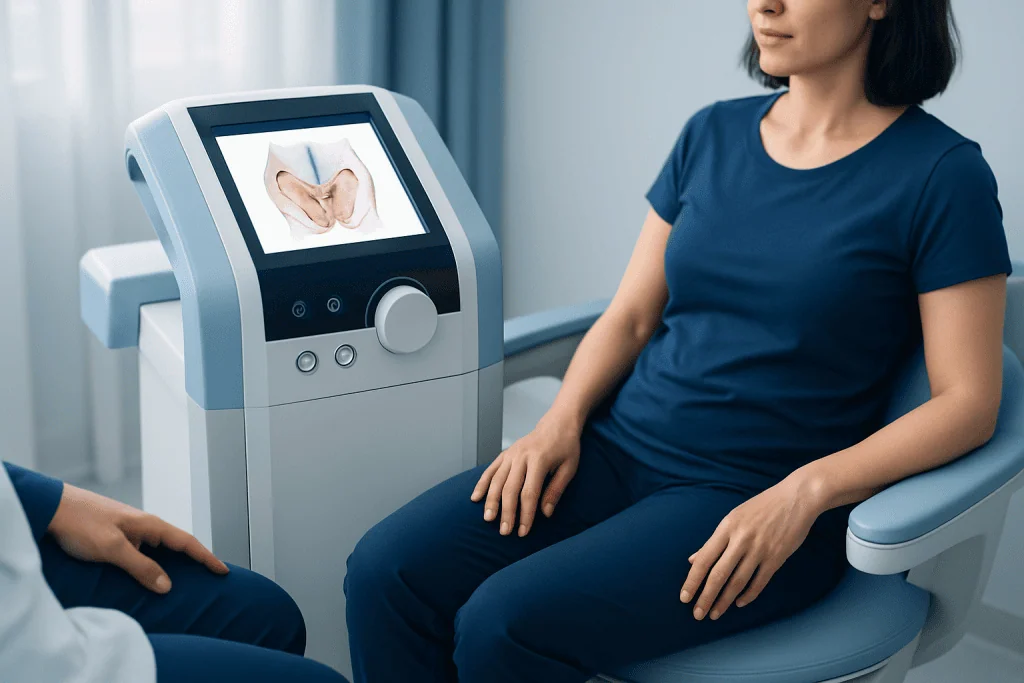
The pelvic floor acts like a supportive hammock at the base of the pelvis. It works together with the diaphragm, abdominal muscles, back muscles and hip muscles. During normal movement, breathing and posture changes, the pelvic floor should be able to gently contract, relax and coordinate with the rest of the body.
For bladder and bowel control, the pelvic floor helps close the urethra and anus at the right time. For comfortable urination and bowel movements, it must also relax when the body needs to empty. Problems can occur when the muscles cannot contract strongly enough, cannot let go, or contract at the wrong time.
Because the pelvic floor is closely linked with the nervous system, stress, pain, childbirth, surgery, injuries and long-term habits can affect it. Rehabilitation often includes retraining the body’s automatic patterns, not only exercising one muscle group. This whole-person approach is especially useful for people whose symptoms have continued for months or have more than one pelvic complaint.
Symptoms Pelvic Floor Rehabilitation May Help
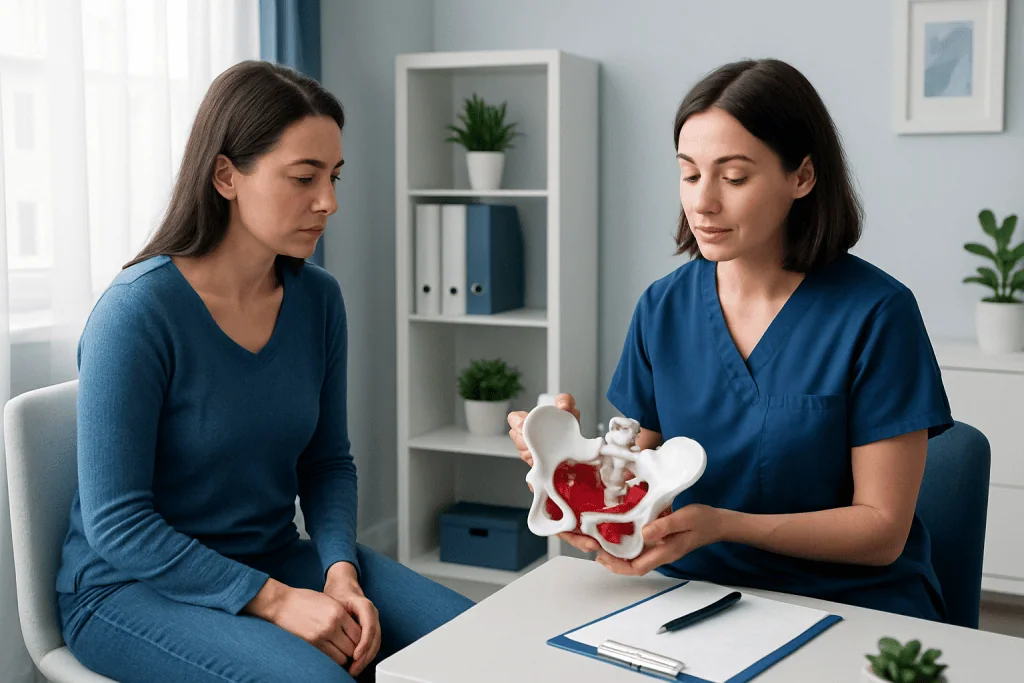
Pelvic floor rehabilitation is commonly used for urinary incontinence. This may include stress incontinence, when urine leaks with coughing, sneezing, laughing, running or lifting, and urge incontinence, when a sudden strong need to urinate leads to leakage. Some people have mixed incontinence, with features of both.
Therapy may also help bowel-related symptoms. These can include accidental stool leakage, difficulty controlling gas, constipation, straining, incomplete emptying or pain during bowel movements. In some patients, improving coordination and toileting habits can reduce strain on the pelvic floor and surrounding tissues.
Pelvic pain is another important reason to seek assessment. Symptoms may include pain in the lower abdomen, pelvis, perineum, tailbone, rectum or genital area. Pain during or after sexual activity, difficulty using tampons, discomfort with sitting, and pain after certain exercises may also be related to pelvic floor muscle tension or sensitivity.
Men can also benefit from pelvic floor rehabilitation, particularly after prostate surgery, with chronic pelvic pain syndrome, urinary leakage, erectile function concerns related to muscle coordination, or bowel control issues. Pelvic floor dysfunction is not limited to one gender or age group.
Causes and Risk Factors
Pelvic floor dysfunction can develop for many reasons. Pregnancy and childbirth may stretch or strain pelvic tissues, especially after a prolonged labor, assisted delivery or perineal injury. Menopause can also contribute to pelvic and urinary symptoms because hormonal changes may affect tissue comfort and urinary tract health.
Surgery in the pelvic region, such as prostate, gynecologic, colorectal or bladder surgery, can affect muscle control, nerve signals or scar mobility. Injuries, falls, chronic coughing, heavy lifting, high-impact sports and repetitive straining from constipation may also increase pressure on the pelvic floor over time.
Some people develop pelvic floor overactivity rather than weakness. This means the muscles remain tense or guarded, often in response to pain, stress, previous infection, injury or long-term protective habits. In these cases, doing repeated Kegel contractions without guidance may worsen discomfort.
Risk factors can include obesity, chronic constipation, persistent coughing, neurological conditions, connective tissue disorders, aging, pelvic organ prolapse and a history of pelvic pain conditions. However, symptoms are not always explained by a single cause. A careful assessment helps identify the most relevant factors for each patient.
Diagnosis and Pelvic Floor Assessment
Diagnosis usually begins with a detailed conversation about symptoms, medical history, surgeries, pregnancy or birth history, bowel and bladder habits, sexual comfort, pain patterns, exercise, work activities and personal goals. Patients may be asked to complete bladder or bowel diaries to show how often symptoms occur and what triggers them.
A physical assessment may include posture, breathing, hip and abdominal movement, scar mobility, core coordination and functional movements such as lifting or coughing. When appropriate and with informed consent, the clinician may perform an internal vaginal or rectal examination to assess pelvic floor strength, relaxation, tenderness and coordination. Patients can decline or postpone any part of the examination.
Additional medical tests may be needed depending on symptoms. These can include urine testing, ultrasound, urodynamic studies, pelvic imaging, cystoscopy or referral to a urologist, gynecologist, colorectal specialist, pain physician or neurologist. The goal is to confirm the diagnosis, rule out other conditions and choose the safest treatment plan.
Treatment Options in Pelvic Floor Rehabilitation
Treatment is individualized. For muscle weakness, therapy may include pelvic floor strengthening exercises, often called Kegel exercises. The patient learns to contract the correct muscles without overusing the buttocks, thighs or abdomen. Over time, exercises may be progressed into daily activities, such as lifting, coughing, walking or sport-specific movements.
For muscle tension or pelvic pain, the first goal may be relaxation and nervous system calming. Treatment can include diaphragmatic breathing, pelvic floor release exercises, gentle stretching, posture changes, heat or comfort strategies, and education about pain mechanisms. Manual therapy may be used to address tender muscles, scar tissue or restricted movement when clinically appropriate.
Biofeedback is a helpful tool for many patients. Sensors can show whether the pelvic floor is contracting or relaxing, giving visual or audio feedback during practice. Some programs may also include electrical stimulation, bladder retraining, urge suppression techniques, bowel routine training, toileting posture advice and gradual return to exercise.
Pelvic floor rehabilitation is often part of a multidisciplinary plan. Nutrition support, medication, treatment for infections, hormonal therapy when appropriate, pain management, psychological support or surgical consultation may be recommended for selected patients. At Acibadem International, multidisciplinary specialists in JCI-accredited hospitals evaluate and treat pelvic floor conditions for international patients as part of individualized care plans.
Prevention and Self-care
Healthy daily habits can support pelvic floor function. Managing constipation is especially important because repeated straining can increase pressure on pelvic tissues. Adequate fluids, fiber-rich foods, regular movement and a relaxed toileting posture may help, but persistent constipation should be discussed with a healthcare professional.
Bladder habits also matter. Going to the toilet “just in case” too often can sometimes train the bladder to signal urgency at smaller volumes. On the other hand, regularly holding urine for very long periods may also be unhelpful. A clinician can guide a safe bladder retraining plan based on the person’s symptoms.
General self-care strategies may include:
- Learning to breathe with the diaphragm and avoid breath-holding during lifting.
- Keeping a healthy body weight to reduce pressure on the pelvic floor.
- Treating chronic cough, allergies or respiratory conditions when present.
- Choosing gradual, well-supported exercise progression after childbirth, surgery or injury.
- Avoiding repeated straining during bowel movements.
People should be cautious about starting intensive pelvic floor exercises without assessment if they have pelvic pain, pain with intercourse, difficulty emptying urine, or constipation with straining. In these situations, relaxation and coordination may be needed before strengthening.
When to See a Doctor
A doctor or qualified pelvic floor rehabilitation specialist should be consulted when urinary leakage, bowel leakage, pelvic pain, constipation, urgency or sexual discomfort affects daily life. Early assessment can help patients understand the cause of symptoms and avoid habits that may make the problem harder to manage.
Medical evaluation is especially important if symptoms are new, worsening or associated with blood in the urine or stool, fever, unexplained weight loss, severe pain, recurrent urinary tract infections, numbness in the saddle area, leg weakness, or sudden difficulty passing urine or stool. These symptoms may require prompt medical attention.
Patients should also seek guidance after pelvic surgery, prostate surgery, childbirth injury, pelvic radiation, significant trauma or a diagnosis of pelvic organ prolapse. Rehabilitation can be coordinated with the treating physician to support safe recovery, symptom control and return to normal activities.
Frequently asked questions
Is pelvic floor rehabilitation only for women?
No. Although pelvic floor therapy is often discussed in relation to pregnancy, childbirth and menopause, men can also have pelvic floor dysfunction. Men may benefit after prostate surgery, with urinary leakage, chronic pelvic pain, bowel control problems or muscle coordination issues.
Are Kegel exercises always the right treatment?
Not always. Kegel exercises can help when the pelvic floor muscles are weak, but they may not be suitable when the muscles are already tense, painful or unable to relax. A pelvic floor assessment helps determine whether strengthening, relaxation or coordination training should come first.
How long does pelvic floor rehabilitation take?
The duration varies depending on the condition, symptom severity, medical history and how consistently the person practices at home. Some patients notice changes within several weeks, while chronic pain or post-surgical recovery may require a longer plan. The therapist should review progress regularly and adjust treatment as needed.
Is an internal examination required?
An internal vaginal or rectal examination can provide useful information, but it is not mandatory for every patient. It should only be performed with clear explanation and informed consent. If a patient is not comfortable, the clinician can use external assessment, education and other treatment options.
Can pelvic floor therapy help pelvic pain during sex?
It may help when pain is related to pelvic floor muscle tension, scar sensitivity, poor coordination or nervous system sensitivity. Treatment may include relaxation training, breathing, manual therapy, gradual desensitization and education. A medical evaluation is important to check for infections, hormonal changes, endometriosis or other causes of pain.
Can pelvic floor rehabilitation prevent surgery?
For some people, rehabilitation can reduce symptoms enough that surgery is not needed or can be delayed. For others, it may be used before or after surgery to improve muscle function and recovery. The best approach depends on the diagnosis, symptom severity and specialist recommendations.
References
- World Health Organization
- International Continence Society
- American Urological Association
- American College of Obstetricians and Gynecologists
- National Institute for Health and Care Excellence
This article is for general information only and is not a substitute for professional medical advice. Please consult a qualified doctor about your individual situation.
Persistent digestive symptoms? Get evaluated in Turkey
JCI-accredited · board-certified surgeons · reply within 24h