Abnormal Uterine Bleeding: Causes, Tests, and When to Seek Care

Abnormal uterine bleeding may include very heavy periods, bleeding between periods, bleeding after sex, or any bleeding after menopause. Common causes include hormonal changes, fibroids, polyps, adenomyosis, ovulation problems, pregnancy-related conditions, medicines, and some medical disorders.
Key Takeaways
- Abnormal uterine bleeding may include very heavy periods, bleeding between periods, bleeding after sex, or any bleeding after menopause.
- Common causes include hormonal changes, fibroids, polyps, adenomyosis, ovulation problems, pregnancy-related conditions, medicines, and some medical disorders.
- Diagnosis often begins with a pregnancy test, blood tests, pelvic examination, and ultrasound; some people may need endometrial sampling or hysteroscopy.
- Treatment depends on the cause, age, symptoms, pregnancy plans, and overall health, and may include medicines or procedures.
- Urgent care is needed for very heavy bleeding with dizziness, fainting, severe pain, or symptoms of significant blood loss.
Abnormal uterine bleeding is bleeding from the uterus that is heavier, longer, more frequent, or less predictable than expected. It has many possible causes, and most can be evaluated with a careful medical history, examination, and targeted tests.
Overview
Abnormal uterine bleeding, often shortened to AUB, is a term doctors use when bleeding from the uterus is different from a person’s usual pattern. This may mean periods that are very heavy, last longer than expected, happen too often, occur between periods, or appear after sexual intercourse. Bleeding after menopause is also considered abnormal and should always be assessed by a doctor.
Menstrual patterns vary from person to person, and a single unusual period does not always mean there is a serious problem. Stress, travel, weight changes, recent illness, and changes in contraception can all affect bleeding. However, repeated changes, bleeding that affects daily life, or bleeding with pain or weakness deserves medical attention.
AUB can occur at any age after periods begin, but the most common reasons differ across life stages. Teenagers often have irregular cycles while ovulation patterns are still maturing. People in their 30s and 40s may have structural causes such as fibroids or polyps, while perimenopause commonly brings hormonal fluctuations. After menopause, bleeding needs prompt evaluation to rule out important conditions affecting the uterine lining.
Symptoms and Bleeding Patterns
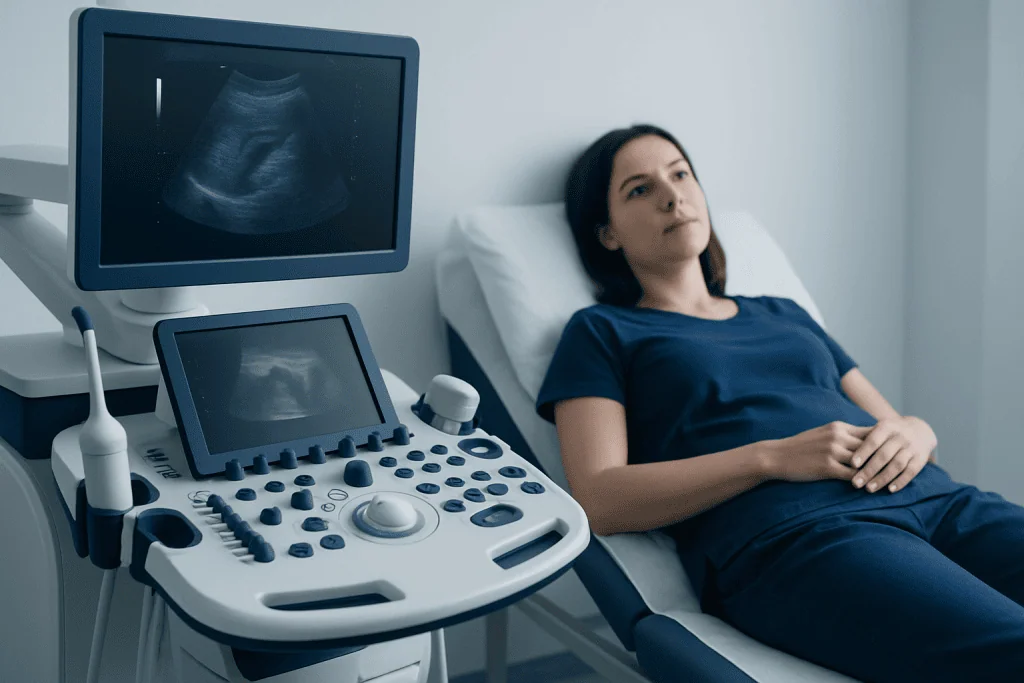
Abnormal uterine bleeding can look different for each person. Some people notice a gradual increase in menstrual flow over several months, while others have sudden changes. Tracking dates, flow amount, clots, pain, and any bleeding after sex can help the doctor understand the pattern and choose the most useful tests.
Common patterns of AUB include:
- Bleeding that soaks through pads or tampons more quickly than usual
- Periods lasting longer than about a week
- Bleeding or spotting between periods
- Cycles that become much shorter, longer, or unpredictable
- Passing large clots during menstruation
- Bleeding after sexual intercourse
- Any vaginal bleeding after menopause
Bleeding may also cause symptoms related to iron deficiency or anemia, especially when it is heavy or prolonged. These symptoms can include fatigue, shortness of breath with exertion, dizziness, headaches, pale skin, or a racing heartbeat. Pelvic pain, pressure, pain with sex, fever, or unusual discharge may point toward specific causes and should be discussed with a healthcare professional.
Causes and Risk Factors
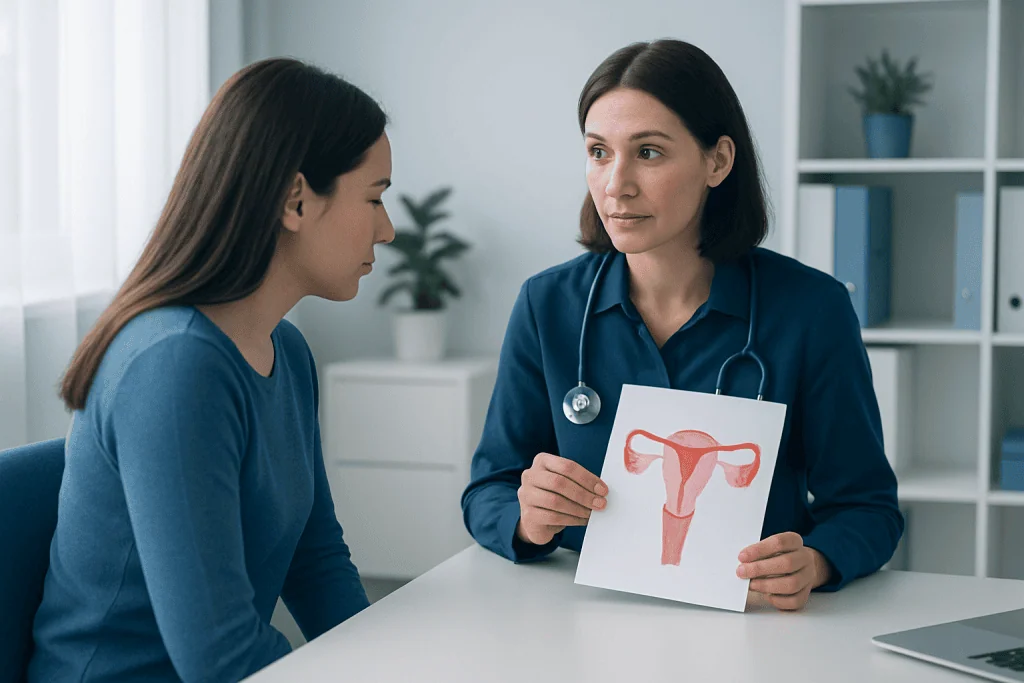
Doctors often think about abnormal uterine bleeding using categories that include structural causes inside the uterus and non-structural causes related to hormones, blood clotting, ovulation, medicines, or other health conditions. Structural causes may include uterine fibroids, endometrial polyps, adenomyosis, and, less commonly, precancerous or cancerous changes of the uterine lining. Fibroids are noncancerous growths of the muscle wall of the uterus, while polyps are growths of the lining that may cause spotting or heavy bleeding.
Hormonal and ovulation-related causes are also common. If ovulation does not happen regularly, the uterine lining may build up in an uneven way and shed unpredictably. This can occur during adolescence, perimenopause, polycystic ovary syndrome, thyroid disease, significant weight changes, intense exercise, high stress, or certain chronic illnesses.
Pregnancy-related causes must be considered in anyone who could be pregnant, even if bleeding resembles a period. Early pregnancy loss, ectopic pregnancy, and bleeding in pregnancy require specific medical evaluation. Contraceptive methods can also change bleeding patterns, particularly in the first months after starting hormonal pills, injections, implants, or an intrauterine device.
Other risk factors include use of blood-thinning medicines, bleeding disorders, liver or kidney disease, obesity, diabetes, and a family history of certain gynecologic conditions. Age is important as well: irregular bleeding close to menopause may be hormonal, but doctors still evaluate it carefully, especially when bleeding is heavy, persistent, or occurs after periods have stopped for 12 months.
Diagnosis and Tests
The first step is usually a detailed conversation about the bleeding pattern, menstrual history, pregnancies, contraception, medicines, medical conditions, and family history. The doctor may ask how often pads or tampons are changed, whether clots are present, whether pain occurs, and whether bleeding happens after sex. A pelvic examination may be recommended to check the vagina, cervix, uterus, and ovaries, depending on age, symptoms, and sexual history.
A pregnancy test is commonly one of the first tests for people of reproductive age. Blood tests may include a complete blood count to check for anemia, ferritin or iron studies, thyroid tests, and sometimes hormone tests. If there is a history of easy bruising, nosebleeds, heavy bleeding since the first periods, or bleeding after surgery or dental work, clotting tests may be considered.
Imaging helps look for fibroids, polyps, ovarian cysts, and changes in the uterine lining. Transvaginal ultrasound is often the first imaging test because it gives detailed information about the uterus and ovaries. In some situations, saline infusion sonography, where fluid is placed in the uterus during ultrasound, can better show polyps or small fibroids within the cavity.
Some people need endometrial sampling, also called an endometrial biopsy, to examine cells from the uterine lining. This is more likely to be recommended for bleeding after menopause, persistent abnormal bleeding, certain risk factors, or bleeding that does not improve with initial treatment. Hysteroscopy, a procedure using a thin camera to view the inside of the uterus, may be used to diagnose and sometimes treat polyps, fibroids, or other cavity abnormalities.
Treatment Options
Treatment for abnormal uterine bleeding depends on the cause, the amount of bleeding, age, anemia status, medical history, and whether pregnancy is desired now or in the future. The goal may be to reduce bleeding, regulate cycles, treat anemia, remove a structural problem, or investigate and manage changes in the uterine lining. A personalized plan is important because the best treatment for one person may not be appropriate for another.
Medicines are often the first option when bleeding is related to ovulation changes, heavy menstrual bleeding, or contraception-related patterns. Options may include hormonal contraceptives, progestin therapy, a hormonal intrauterine device, medicines that help reduce menstrual blood loss, and nonsteroidal anti-inflammatory drugs for some people. Iron supplementation may be recommended if iron deficiency or anemia is present, but the underlying bleeding pattern should still be evaluated.
Procedures may be considered when medicines are not suitable, symptoms are significant, or a structural cause is found. Polyps can often be removed through hysteroscopy. Fibroid treatment may include hysteroscopic removal, myomectomy, uterine artery embolization, or other approaches depending on size, location, symptoms, and fertility goals. Endometrial ablation may reduce heavy bleeding for selected people who do not plan future pregnancy.
In some cases, hysterectomy, surgical removal of the uterus, is considered when other treatments have not worked, symptoms are severe, or certain diagnoses require it. This is a major decision and should involve discussion of benefits, risks, recovery, alternatives, and personal goals. If bleeding is due to a medical condition such as thyroid disease, a bleeding disorder, or a medication effect, treating or adjusting that factor may significantly improve symptoms.
Prevention and Self-care
Not all causes of abnormal uterine bleeding can be prevented, but self-care can help identify changes early and reduce complications. Keeping a menstrual diary or using a period-tracking app can be useful. Helpful details include cycle dates, number of bleeding days, heaviness of flow, clots, pain level, bleeding after sex, and missed school, work, or activities because of symptoms.
Iron deficiency is a common concern when bleeding is heavy or frequent. Eating iron-containing foods such as lean meats, fish, eggs, beans, lentils, leafy greens, and fortified grains may support iron levels. Vitamin C-rich foods can help the body absorb iron from plant sources. People should not start high-dose iron or supplements without medical advice, especially if they have other health conditions.
Maintaining regular checkups, cervical screening as recommended, and follow-up for known conditions such as fibroids, polycystic ovary syndrome, thyroid disease, or diabetes can support reproductive health. It is also important to discuss any new bleeding pattern after starting contraception, hormone therapy, blood thinners, or other long-term medicines.
Self-care should not replace medical evaluation when bleeding is heavy, persistent, or unexpected. A person should seek guidance before stopping prescribed medicines, changing contraception, or using herbal products marketed for menstrual problems, as some can interact with medicines or affect bleeding.
When to See a Doctor
A doctor should be consulted if periods become much heavier than usual, last longer than usual, occur less than three weeks apart, or become unpredictable over several cycles. Medical advice is also recommended for bleeding between periods, bleeding after sex, pelvic pain, symptoms of anemia, or abnormal bleeding that affects daily activities. Anyone who could be pregnant and has bleeding should contact a healthcare professional for guidance.
Urgent medical care is appropriate if bleeding is very heavy, if there is fainting, severe dizziness, chest pain, shortness of breath, severe pelvic pain, shoulder pain, or signs of pregnancy with concerning symptoms. These situations may require prompt assessment and treatment. Any bleeding after menopause should be evaluated, even if it is light or happens only once.
During a visit, patients can ask what the likely causes are, which tests are needed, whether anemia is present, and what treatment options fit their health and fertility goals. Bringing a list of medicines, contraception history, pregnancy history, and recent test results can make the appointment more helpful. Acibadem International’s multidisciplinary specialists and JCI-accredited hospitals diagnose and treat abnormal uterine bleeding for international patients, with care plans tailored to each person’s medical needs.
Frequently asked questions
What counts as abnormal uterine bleeding?
Abnormal uterine bleeding is bleeding from the uterus that is heavier, longer, more frequent, or less predictable than usual. It also includes bleeding between periods, bleeding after sex, and any bleeding after menopause. Because normal patterns vary, a doctor looks at the person’s usual cycle and the overall clinical picture.
Is heavy menstrual bleeding always caused by fibroids?
No. Fibroids are a common cause, but heavy bleeding can also be related to polyps, adenomyosis, ovulation problems, thyroid disease, bleeding disorders, contraception, medicines, or changes in the uterine lining. A medical evaluation helps identify the most likely cause and guide treatment.
Which tests are usually done first?
Initial tests often include a pregnancy test, a complete blood count to check for anemia, and sometimes thyroid or iron tests. A pelvic examination and ultrasound may be recommended depending on symptoms and age. Further tests, such as endometrial biopsy or hysteroscopy, are used when the doctor needs more information.
Can abnormal uterine bleeding happen during perimenopause?
Yes. Hormonal fluctuations during perimenopause can make periods heavier, lighter, closer together, farther apart, or less predictable. However, persistent, heavy, or unusual bleeding should still be assessed, because fibroids, polyps, and changes in the uterine lining can also occur at this stage.
Is bleeding after menopause normal?
No. Any vaginal bleeding after menopause should be evaluated by a doctor, even if it is light or happens only once. Many causes are treatable, but assessment is important to rule out significant changes in the uterine lining.
How is abnormal uterine bleeding treated?
Treatment depends on the cause and may include hormonal medicines, a hormonal intrauterine device, medicines that reduce menstrual blood loss, iron treatment for anemia, or procedures to remove polyps or fibroids. The right approach also depends on age, medical conditions, symptom severity, and future pregnancy plans.
References
- American College of Obstetricians and Gynecologists
- International Federation of Gynecology and Obstetrics
- National Institute for Health and Care Excellence
- World Health Organization
This article is for general information only and is not a substitute for professional medical advice. Please consult a qualified doctor about your individual situation.
Explore treatments in Turkey — costs, top hospitals & a free quote
JCI-accredited · board-certified surgeons · reply within 24h
Check your numbers in seconds
BMI, calories, due date, blood pressure and 30+ more clinical calculators — free, instant, doctor-reviewed ranges.