Gallstones: Biliary Pain, Diagnosis, and Treatment Options

Gallstones may cause sudden, steady pain in the upper right or middle abdomen, often called biliary colic. Ultrasound is usually the first test used to diagnose gallstones, while blood tests and advanced imaging help identify complications.
Key Takeaways
- Gallstones may cause sudden, steady pain in the upper right or middle abdomen, often called biliary colic.
- Ultrasound is usually the first test used to diagnose gallstones, while blood tests and advanced imaging help identify complications.
- Gallstones without symptoms often need no treatment, but recurrent biliary pain usually requires medical evaluation.
- Laparoscopic gallbladder removal is the most common definitive treatment for symptomatic gallstones.
- Urgent care is needed if pain is severe or persistent, or if fever, jaundice, dark urine, or repeated vomiting occurs.
Gallstones are hardened deposits that form in the gallbladder and may cause upper abdominal pain, nausea, and digestive discomfort, especially after fatty meals. Many people never need treatment, but symptomatic gallstones can be managed safely with modern diagnostic tests and proven treatment options.
Overview
Gallstones are solid particles that develop in the gallbladder, a small pear-shaped organ located under the liver. The gallbladder stores bile, a digestive fluid made by the liver that helps break down fats. Stones may be as small as grains of sand or as large as a golf ball, and a person may have one stone or many.
Most gallstones are made mainly of cholesterol, although some are pigment stones related to excess bilirubin, a yellow-brown substance produced when red blood cells are broken down. Gallstones may stay inside the gallbladder without causing symptoms, or they may block the flow of bile and trigger pain or inflammation. When a stone blocks a duct, symptoms can develop suddenly and may require prompt medical attention.
Gallstones are common, but their impact varies widely. Some are discovered incidentally during an ultrasound for another reason and never cause problems. Others lead to repeated episodes of biliary pain, gallbladder inflammation, bile duct blockage, or pancreatitis. The right treatment depends on symptoms, test results, overall health, and whether complications are present.
Symptoms and Biliary Pain
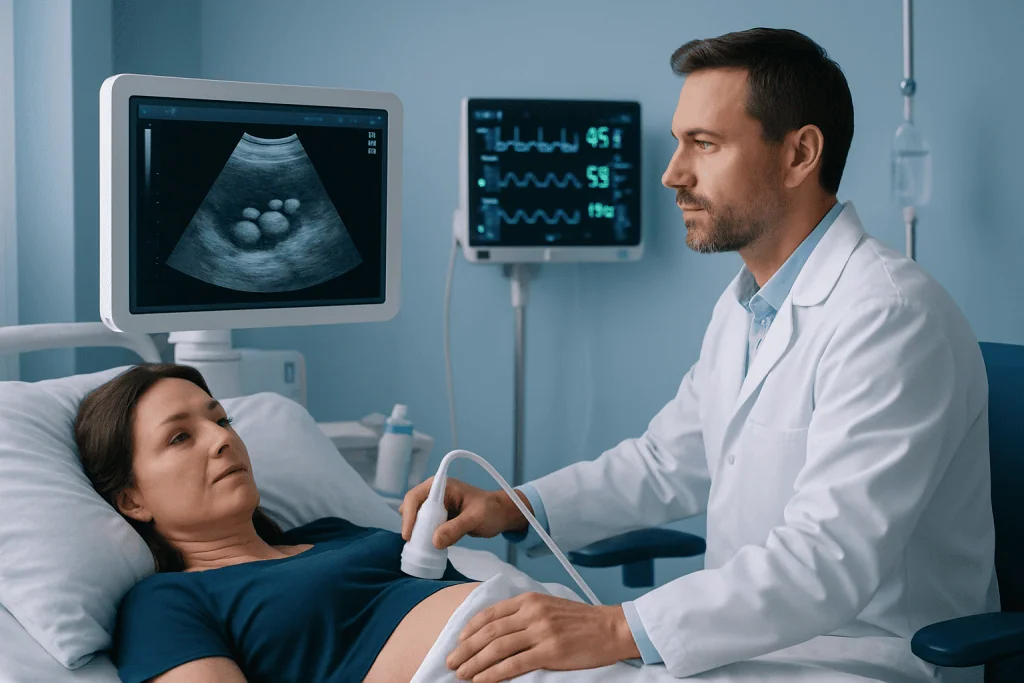
The classic symptom of gallstones is biliary colic, also called biliary pain. This is usually a steady pain in the upper right abdomen or the upper middle abdomen, often beginning after a meal, especially a fatty meal. The pain may radiate to the right shoulder or back and can last from several minutes to a few hours. Despite the term “colic,” the pain is often constant rather than cramping.
Other symptoms may include nausea, vomiting, bloating, burping, indigestion, or a feeling of fullness after eating. These symptoms can overlap with acid reflux, gastritis, peptic ulcer disease, liver conditions, and heart-related problems, so a medical assessment is important. A doctor will consider the pattern of pain, physical examination findings, and test results before confirming that gallstones are the cause.
Warning signs suggest that a gallstone may be causing inflammation or blockage beyond simple biliary pain. These include fever or chills, yellowing of the skin or eyes, dark urine, pale stools, persistent vomiting, confusion, or pain lasting more than several hours. Such symptoms should be evaluated urgently, as they may indicate acute cholecystitis, cholangitis, or gallstone pancreatitis.
Causes and Risk Factors
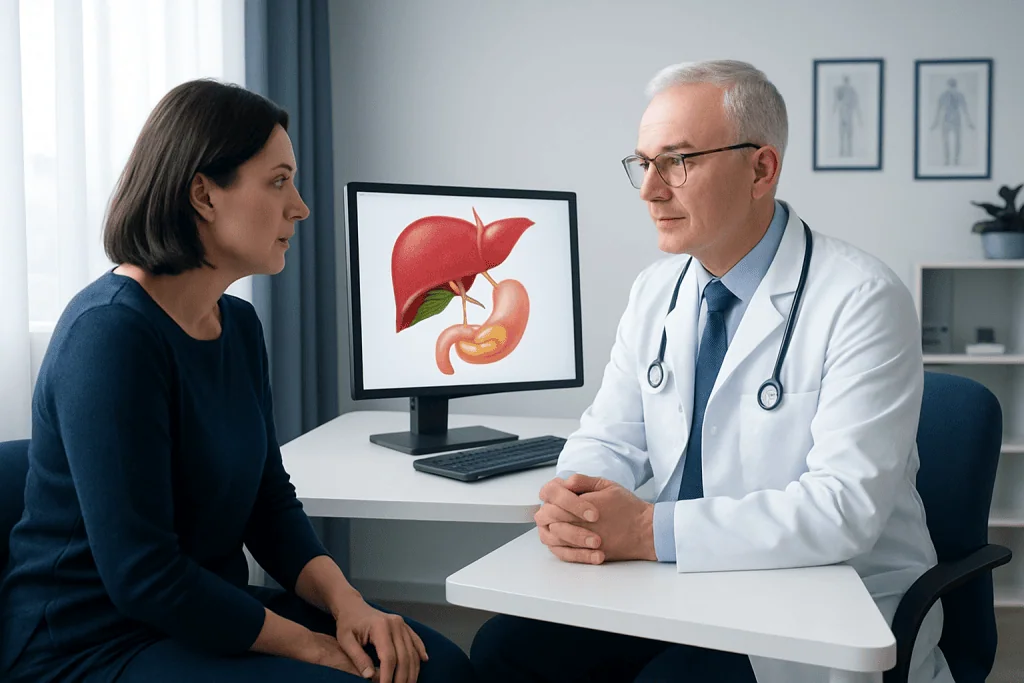
Gallstones form when the substances in bile become imbalanced. Cholesterol stones may develop when bile contains more cholesterol than it can dissolve, when the gallbladder does not empty properly, or when bile becomes concentrated. Pigment stones may form when bile contains too much bilirubin, which can occur in certain blood disorders, liver disease, or bile duct infections.
Several factors can increase the likelihood of gallstones, but having risk factors does not mean a person will definitely develop them. Gallstones are more common with increasing age and are seen more often in women, partly because estrogen can affect cholesterol levels in bile. Pregnancy, use of estrogen-containing medications, obesity, and a family history of gallstones can also contribute.
Weight changes and metabolic health play an important role. Rapid weight loss, very low-calorie diets, and some bariatric surgery pathways can increase gallstone risk because the liver may release extra cholesterol into bile and the gallbladder may empty less effectively. Diabetes, insulin resistance, high triglyceride levels, and certain intestinal conditions or surgeries can also be associated with gallstone formation.
Common risk factors include:
- Being overweight or having obesity
- Pregnancy or multiple pregnancies
- Rapid weight loss or prolonged fasting
- Family history of gallstones
- Age over 40
- Certain liver, blood, or intestinal conditions
Diagnosis
Diagnosis begins with a medical history and physical examination. The doctor will ask where the pain is located, how long it lasts, whether it is related to meals, and whether fever, jaundice, vomiting, or changes in stool or urine have occurred. During the examination, tenderness in the upper right abdomen may suggest gallbladder inflammation, but imaging is usually needed to confirm the diagnosis.
Abdominal ultrasound is usually the first and most widely used test for suspected gallstones. It is noninvasive, does not use radiation, and can detect stones inside the gallbladder as well as signs of inflammation or bile duct enlargement. If the ultrasound is unclear or if complications are suspected, additional imaging may be recommended.
Blood tests can help show whether infection, inflammation, liver irritation, or pancreas involvement is present. These may include liver function tests, bilirubin levels, a complete blood count, and pancreatic enzyme tests. Normal blood tests do not always rule out gallstones, especially if the person has intermittent biliary pain without active blockage at the time of testing.
Other tests may include magnetic resonance cholangiopancreatography, known as MRCP, to view the bile ducts; endoscopic ultrasound for detailed imaging; or a HIDA scan to assess gallbladder function when ultrasound does not explain symptoms. Endoscopic retrograde cholangiopancreatography, or ERCP, is usually reserved for cases where a bile duct stone is likely because it can both diagnose and treat duct blockages.
Treatment Options
Treatment depends on whether gallstones are causing symptoms or complications. Gallstones found incidentally and causing no symptoms often do not require treatment. In these cases, doctors usually recommend observation and education about warning signs. Preventive gallbladder removal is not routinely needed for most people with silent gallstones.
For people with recurrent biliary pain or gallbladder inflammation, laparoscopic cholecystectomy is the most common definitive treatment. During this minimally invasive operation, the gallbladder is removed through small incisions. The liver continues to make bile, which flows directly into the small intestine. Most people can digest food normally afterward, although some may notice temporary changes in bowel habits.
If gallstones have moved into the common bile duct, ERCP may be recommended. During ERCP, a flexible endoscope is passed through the mouth into the digestive tract, and instruments are used to remove stones or relieve blockage in the bile duct. ERCP treats duct stones but does not remove the gallbladder, so cholecystectomy may still be advised later to reduce the chance of recurrence.
Non-surgical treatment with bile acid tablets may be considered only in selected situations, such as small cholesterol stones in people who cannot undergo surgery. This approach can take months or longer, stones may return after treatment stops, and it is not suitable for all stone types. Pain medicines, anti-nausea medicines, antibiotics, or intravenous fluids may be used temporarily when symptoms or complications are being managed, but they do not remove the underlying stones.
Prevention and Self-Care
Not all gallstones can be prevented, especially when genetics, age, pregnancy, or medical conditions contribute. However, healthy lifestyle habits may help reduce the risk of developing gallstones or experiencing symptoms. A balanced eating pattern, gradual weight management, and regular physical activity support overall digestive and metabolic health.
Dietary choices may help some people manage symptoms while awaiting medical evaluation. Very fatty or large meals can trigger gallbladder contraction and may bring on biliary pain in susceptible individuals. Eating smaller, balanced meals and choosing unsaturated fats in moderate amounts may be better tolerated. Extremely low-fat diets are not usually necessary and should not replace medical treatment when gallstones are symptomatic.
Safe weight loss is important. Rapid weight loss and prolonged fasting can increase gallstone risk, so people planning major weight reduction should do so under medical guidance. This is particularly important for people preparing for or recovering from bariatric procedures, those with diabetes, and anyone with a history of gallbladder symptoms.
Self-care should not delay urgent evaluation when warning signs are present. A warm compress, hydration, and avoiding heavy meals may provide temporary comfort during mild symptoms, but persistent or severe pain should be assessed by a clinician. People with known gallstones should ask their doctor what symptoms require emergency care and what treatment plan is appropriate for their situation.
When to See a Doctor
A doctor should be consulted if upper abdominal pain occurs repeatedly, especially after meals, or if nausea and digestive discomfort interfere with daily life. Even when symptoms are mild, a proper diagnosis helps distinguish gallstones from other conditions such as ulcers, reflux disease, liver problems, kidney stones, or heart-related pain. Early evaluation can prevent uncertainty and guide appropriate treatment.
Urgent medical care is needed if abdominal pain is severe, lasts longer than a few hours, or is accompanied by fever, chills, yellow skin or eyes, dark urine, pale stools, fainting, chest pain, or repeated vomiting. These symptoms may suggest infection, bile duct obstruction, or pancreatitis. Timely treatment can relieve obstruction, control infection, and reduce the risk of further complications.
People with diabetes, immune system problems, advanced age, pregnancy, or significant liver disease should seek medical advice promptly if gallbladder symptoms are suspected. Symptoms may be less typical in some groups, and complications may develop more quickly. Decisions about surgery, ERCP, or observation should be individualized after specialist assessment.
For international patients, Acibadem International provides access to multidisciplinary specialists and JCI-accredited hospitals for the diagnosis and treatment of gallbladder and bile duct conditions. Patients should always discuss their symptoms, travel plans, and medical history with a qualified healthcare professional before choosing any treatment pathway.
Frequently asked questions
Can gallstones go away on their own?
Most gallstones do not dissolve or disappear on their own. Some never cause symptoms and can simply be monitored. If gallstones cause recurrent pain or complications, a doctor may recommend treatment rather than waiting.
What does gallstone pain feel like?
Gallstone pain is often a steady ache or pressure in the upper right or upper middle abdomen. It may spread to the back or right shoulder and is sometimes accompanied by nausea or vomiting. Pain that lasts several hours or occurs with fever or jaundice needs urgent medical evaluation.
Is gallbladder removal safe?
Laparoscopic gallbladder removal is a commonly performed operation and is generally well tolerated when recommended for the right patient. As with any surgery, it has possible risks, including bleeding, infection, bile duct injury, and anesthesia-related concerns. A surgeon will explain the benefits and risks based on the person’s health and test results.
Can a person live normally without a gallbladder?
Yes, most people live normally without a gallbladder. The liver continues to produce bile, which flows directly into the small intestine. Some people notice temporary loose stools or difficulty with very fatty meals, but symptoms often improve with time and dietary adjustment.
When is ERCP needed for gallstones?
ERCP is usually considered when a gallstone is suspected or confirmed in the common bile duct. It can remove duct stones and relieve blockage, especially when jaundice, abnormal liver tests, infection, or pancreatitis is present. ERCP does not remove the gallbladder, so additional treatment may still be needed.
Do diet changes cure gallstones?
Diet changes may reduce symptom triggers for some people, but they do not reliably cure existing gallstones. Avoiding very large or fatty meals can help while awaiting medical advice. Symptomatic gallstones should be assessed by a healthcare professional to determine whether observation, ERCP, or surgery is appropriate.
References
- World Gastroenterology Organisation
- National Institute of Diabetes and Digestive and Kidney Diseases
- American College of Gastroenterology
- Society of American Gastrointestinal and Endoscopic Surgeons
- European Association for the Study of the Liver
This article is for general information only and is not a substitute for professional medical advice. Please consult a qualified doctor about your individual situation.
Gallstones in Turkey — costs, top hospitals & a free quote
JCI-accredited · board-certified surgeons · reply within 24h
Check your numbers in seconds
BMI, calories, due date, blood pressure and 30+ more clinical calculators — free, instant, doctor-reviewed ranges.