Leg Vein Harvesting for CABG: Incision Care, Numbness, and Healing

The leg incision after vein harvesting often heals over several weeks, while deeper tissues and nerve sensitivity may take longer to settle. Mild bruising, tightness, swelling, itching, and numbness around the incision are common during recovery, especially in the first weeks.
Key Takeaways
- The leg incision after vein harvesting often heals over several weeks, while deeper tissues and nerve sensitivity may take longer to settle.
- Mild bruising, tightness, swelling, itching, and numbness around the incision are common during recovery, especially in the first weeks.
- Keeping the incision clean and dry, avoiding soaking, and following dressing instructions helps reduce irritation and supports healing.
- Walking regularly, elevating the leg when resting, and using compression only if prescribed can help reduce swelling.
- Increasing redness, drainage, fever, worsening pain, a suddenly swollen calf, or shortness of breath should be discussed with a doctor promptly.
Leg vein harvesting for CABG is a common part of bypass surgery when a vein from the leg is used to create a new route for blood flow to the heart. Most leg incisions heal steadily with simple wound care, gradual walking, swelling control, and attention to symptoms that should be checked by the care team.
Overview
Leg vein harvesting for CABG refers to removing a section of vein, most often the great saphenous vein, from the leg during coronary artery bypass grafting. The surgeon uses this vein as a graft to create a new pathway around narrowed or blocked coronary arteries. Although the heart operation is the main focus, the leg harvest site also needs careful recovery and follow-up.
The vein may be removed through one longer incision or through smaller incisions using an endoscopic technique. The exact approach depends on the patient’s anatomy, the urgency of surgery, previous vein procedures, and the surgical team’s assessment. Regardless of technique, the leg tissues need time to heal after the vein is removed.
Many patients notice that the leg incision feels different from other cuts because the area can be bruised, swollen, tight, itchy, or numb. These sensations are usually part of the normal healing process, but they should gradually improve. The goal of aftercare is to keep the incision clean, support circulation, maintain safe movement, and identify any signs that require medical attention.
What Healing Usually Looks Like
In the first days after CABG, the leg incision may be covered with a dressing, and the surrounding skin may look bruised or slightly swollen. Some tenderness when standing or walking is expected. The care team usually checks the incision during the hospital stay and provides specific instructions before discharge.
During the first few weeks at home, the skin edges should remain closed and gradually become less tender. Mild itching can occur as the skin heals. Bruising may change color and move downward with gravity before fading. A firm ridge under the incision can also be felt for a time as deeper tissues repair.
Healing varies from person to person. People with diabetes, reduced circulation in the legs, obesity, smoking history, kidney disease, or previous leg vein problems may heal more slowly and may need closer monitoring. Age, nutrition, medications, and the length of the incision can also affect recovery.
It is helpful to judge progress by overall trends rather than by how the incision looks on one particular day. A leg that is gradually less painful, less swollen, and easier to move is usually heading in the right direction. Any sudden change, especially new drainage, spreading redness, or increasing pain, should be reported.
Incision Care at Home
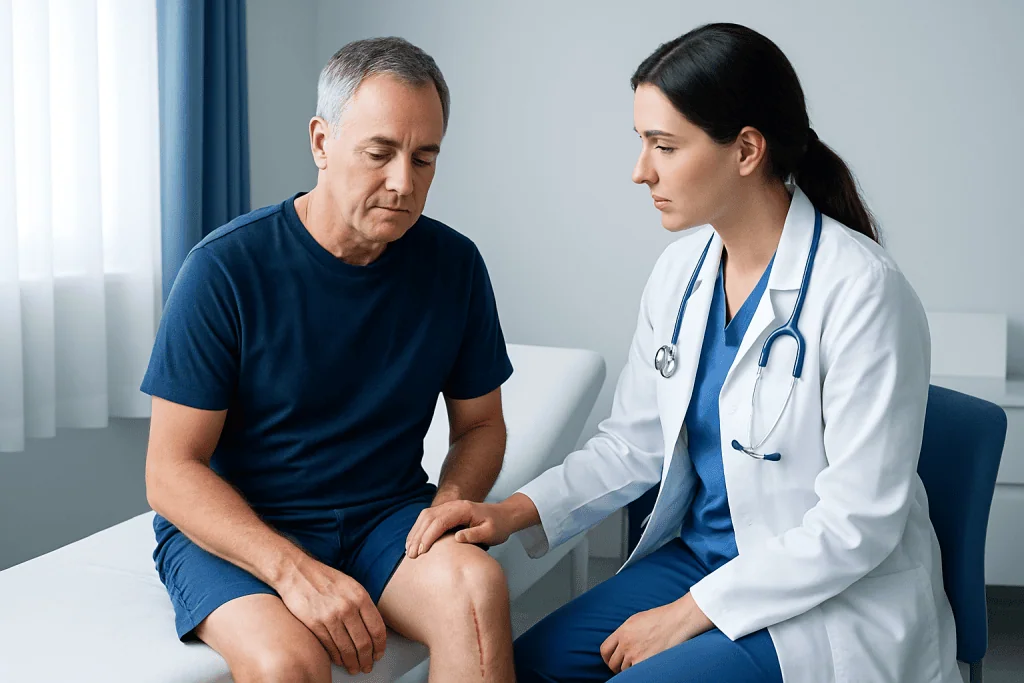
Patients should follow the discharge instructions given by their surgical team, because dressing routines can differ. In general, the incision should be kept clean and dry. Hands should be washed before and after touching the area, and any dressing should be changed only as instructed.
Showers are often allowed once the care team says it is safe, but soaking the incision is usually avoided until the skin is fully healed. This means no baths, swimming pools, hot tubs, or prolonged water exposure during the early healing period. After showering, the area is usually patted dry gently rather than rubbed.
Unless specifically prescribed, patients should not apply creams, powders, alcohol, hydrogen peroxide, herbal preparations, or antibiotic ointments to the incision. These products can irritate the skin or interfere with the recommended dressing plan. Clothing should be loose enough to avoid friction, and socks or stockings should not press directly on a healing incision unless advised.
Practical incision-care habits include:
- Looking at the incision daily in good light or asking a family member to help.
- Checking for spreading redness, warmth, swelling, opening of the skin, or drainage.
- Keeping pets away from the wound and avoiding scratching itchy areas.
- Calling the care team before removing strips, glue, or staples unless instructed.
- Attending all scheduled wound checks and follow-up appointments.
Numbness, Tingling, and Skin Sensitivity
Numbness around the leg incision is common after saphenous vein harvesting. Small skin nerves run close to the vein and can be stretched, irritated, or divided during the operation. This can cause a patch of numb skin, tingling, burning, pins-and-needles sensations, or unusual sensitivity to touch.
For many patients, these sensations improve gradually as inflammation settles and nearby nerves adapt. Improvement may take weeks to months. Some people are left with a small area of long-term numbness, but it often becomes less noticeable over time and does not usually affect walking strength.
Because numb skin is less protective, patients should take extra care with heat, cold, and pressure. A heating pad, hot water bottle, or very hot shower can burn an area that does not feel temperature normally. Shoes and socks should fit comfortably, and the skin should be checked for rubbing or blisters.
Persistent severe burning pain, new weakness, foot drop, or numbness that is rapidly spreading is not considered typical and should be assessed. Patients should also mention nerve symptoms at follow-up visits, especially if they interfere with sleep, walking, or rehabilitation exercises.
Swelling, Bruising, and Leg Comfort
Leg swelling is common after vein harvesting because the tissues have been operated on and the body must adjust after removal of a superficial vein segment. The deeper veins in the leg usually continue to return blood to the heart. Swelling often improves with time, movement, and elevation, but it may be more noticeable at the end of the day.
Gentle walking is one of the most useful recovery activities, as long as it fits the cardiac surgery plan. Short, frequent walks help circulation, reduce stiffness, and support lung and heart recovery after CABG. Patients should avoid standing still for long periods during the early recovery phase.
When resting, elevating the leg so the foot is above the level of the heart can reduce swelling. Some patients are advised to use compression stockings, while others should avoid them because of incision location, circulation concerns, or skin issues. Compression should therefore be used only if the surgical team recommends it and explains how to apply it safely.
Pain control should follow the doctor’s instructions. Patients should not add over-the-counter anti-inflammatory medicines or supplements without asking the care team, because some products can affect bleeding risk, kidney function, or prescribed heart medicines. Comfortable positioning, gradual walking, and avoiding pressure on the incision can also help.
Activities, Exercise, and Daily Routines
Recovery after CABG involves both the chest and the leg, so activity plans must be balanced. Patients are usually encouraged to walk and perform light daily activities, while avoiding heavy lifting, strenuous exercise, and movements restricted by sternum precautions. The cardiac surgery team or rehabilitation team provides the safest timeline.
Cardiac rehabilitation is often recommended after bypass surgery. It provides supervised exercise, education, and guidance on returning to daily life. The leg harvest site is also considered during rehabilitation, especially if swelling, tenderness, or numbness affects walking.
Patients should pace themselves and increase activity gradually. A little fatigue after activity is common, but symptoms should settle with rest. The goal is steady progress, not pushing through pain or exhaustion. Supportive shoes, uncluttered walking areas, and planned rest periods can make recovery safer.
Nutrition also supports healing. A heart-healthy eating pattern with adequate protein, fruits, vegetables, whole grains, and appropriate hydration helps tissue repair and overall recovery. Patients with diabetes should follow their glucose management plan carefully, because good blood sugar control is important for wound healing.
When to See a Doctor
Patients should contact their healthcare team if the incision becomes increasingly red, warm, swollen, painful, or starts to drain fluid or pus. Fever, chills, an opening of the incision, a bad odor from the wound, or bleeding that does not stop with gentle pressure also needs medical advice. Early assessment can prevent minor wound problems from becoming more difficult to treat.
Some leg symptoms should be checked urgently, especially a suddenly swollen calf, new calf pain, marked tenderness, or one leg becoming much larger than the other. Chest pain, shortness of breath, fainting, coughing blood, or sudden weakness should be treated as urgent medical concerns according to local emergency guidance.
Follow-up appointments after CABG are important even when healing appears to be going well. The care team can check the incision, review medications, monitor heart recovery, and guide safe activity. Patients should bring questions about numbness, swelling, dressing care, sleep position, bathing, travel, and returning to work.
Acibadem International’s multidisciplinary specialists and JCI-accredited hospitals diagnose and treat heart and vascular conditions, including postoperative recovery needs, for international patients. Patients recovering after CABG should always rely on the instructions of their own surgical team, as individual recommendations may differ.
Frequently asked questions
How long does the leg incision take to heal after CABG?
The skin incision often heals over several weeks, but deeper tissue healing and sensitivity can take longer. Bruising, tightness, and mild swelling usually improve gradually. A patient’s healing time depends on factors such as diabetes, circulation, incision length, nutrition, and overall recovery after heart surgery.
Is numbness after leg vein harvesting normal?
Yes, numbness or tingling near the harvest incision is common because small skin nerves can be affected during surgery. The sensation often improves over weeks to months, although a small numb patch may remain. New weakness, severe burning pain, or rapidly spreading numbness should be discussed with a doctor.
Can the leg get swollen after the saphenous vein is removed?
Mild to moderate swelling can occur after vein harvesting, especially later in the day. Walking, resting with the leg elevated, and following the care team’s advice can help. Sudden one-sided calf swelling or new calf pain should be checked promptly.
When can a patient shower after leg vein harvesting?
Showering depends on the dressing type and the surgeon’s instructions. Many patients are allowed to shower after a certain point, but they are usually told not to soak the incision until it is fully healed. The incision should be gently patted dry, not rubbed.
Should creams or ointments be applied to the incision?
Patients should not apply creams, powders, alcohol, hydrogen peroxide, herbal products, or antibiotic ointments unless the surgical team recommends them. Some products can irritate healing skin or interfere with dressings. It is safest to follow the wound-care plan provided at discharge.
What are signs of infection at the leg harvest site?
Possible signs include spreading redness, warmth, increasing swelling, worsening pain, pus-like drainage, bad odor, fever, or the incision opening. These symptoms do not always mean a serious problem, but they should be assessed by a healthcare professional. Early treatment can support safer healing.
Can walking help the leg heal after bypass surgery?
Gentle, regular walking is often encouraged after CABG because it supports circulation, reduces stiffness, and helps overall recovery. Patients should follow their cardiac surgery and rehabilitation instructions, especially if they have chest precautions or other medical conditions. Activity should increase gradually and should not cause worsening pain or unusual shortness of breath.
References
- American Heart Association
- Society of Thoracic Surgeons
- European Society of Cardiology
- National Institute for Health and Care Excellence
- Mayo Clinic
This article is for general information only and is not a substitute for professional medical advice. Please consult a qualified doctor about your individual situation.
Heart care in Turkey — expert evaluation and treatment
JCI-accredited · board-certified surgeons · reply within 24h