

How to Wake Yourself Up? A Doctor-Reviewed Answer

Most people can wake up more easily with morning light, movement, hydration, and a consistent sleep routine. Feeling hard to wake up once in a while is common, especially after too little sleep, shift changes, illness, stress, or alcohol use.
Key Takeaways
- Most people can wake up more easily with morning light, movement, hydration, and a consistent sleep routine.
- Feeling hard to wake up once in a while is common, especially after too little sleep, shift changes, illness, stress, or alcohol use.
- Regular trouble waking can be linked to sleep deprivation, sleep apnea, circadian rhythm problems, medications, depression, or other medical conditions.
- Doctors look at sleep habits, symptoms, medications, and overall health before deciding whether testing is needed.
- Red flags include loud snoring, breathing pauses during sleep, severe daytime sleepiness, confusion, fainting, chest pain, or sudden neurologic symptoms.
How to wake yourself up is often a matter of simple habits: bright light, getting out of bed promptly, moving the body, and keeping a regular sleep schedule. Most occasional difficulty waking is harmless, but persistent morning sleepiness, loud snoring, pauses in breathing, or daytime sleep attacks deserve medical review.
Overview: What helps a person wake up?
How to wake yourself up usually comes down to helping the brain and body switch from sleep mode to alertness. For many people, the most effective steps are simple: expose the eyes to bright light, sit up and get out of bed promptly, move for a few minutes, drink some water, and avoid pressing the snooze button repeatedly. When occasional morning grogginess follows a late night, travel, stress, or a disrupted routine, it is often harmless and improves with rest and more consistent sleep habits.
What matters is the pattern. If a person struggles to wake up almost every day, sleeps what seems like a full night but still feels unrefreshed, or becomes sleepy enough to affect work, driving, school, or mood, the issue may be more than a normal sleepy morning. Common reasons include chronic sleep deprivation, poor sleep quality, circadian rhythm disruption, medication effects, and sleep disorders such as sleep apnea.
A useful way to think about morning sleepiness is that waking up depends on two things: getting enough sleep and getting good-quality sleep at the right time for the body’s internal clock. If either piece is missing, even a loud alarm may not feel effective. The goal is not to force wakefulness with repeated alarms alone, but to improve the signals that naturally promote alertness.
Common reasons someone is hard to wake up
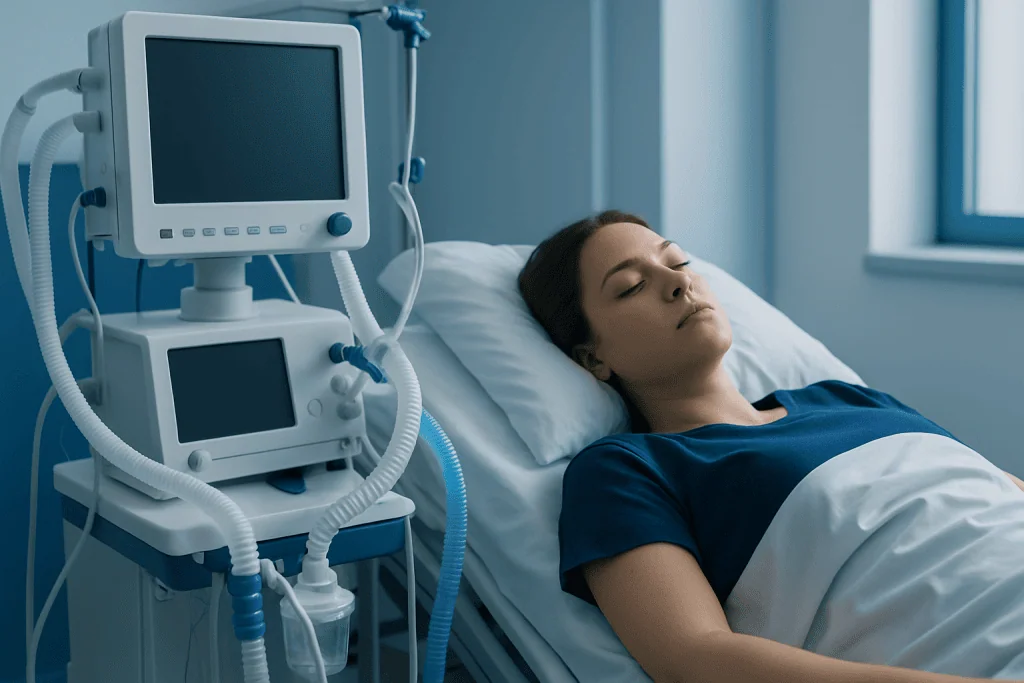
The most common cause is simply not getting enough sleep. Adults often need around seven to nine hours, though individual needs vary. Cutting sleep short night after night creates a “sleep debt,” and the body tries to recover by making waking more difficult and increasing daytime fatigue, slower thinking, irritability, and reduced concentration.
Sleep quality matters too. A person may spend enough hours in bed yet still wake unrefreshed if sleep is fragmented by snoring, breathing pauses, reflux, pain, frequent urination, stress, or environmental disruption such as noise, light, or an uncomfortable room temperature. Alcohol close to bedtime can also make sleep more broken later in the night, even if it seems to help someone fall asleep.
Body clock timing is another major factor. Teenagers, shift workers, people with jet lag, and those with delayed sleep phase often feel sleepy late at night and then struggle to wake at conventional morning times. This does not always mean laziness or poor motivation; the timing of sleep may be biologically out of sync.
Other contributors include depression, anxiety, viral illness, iron deficiency, thyroid problems, pregnancy, medication side effects, and less commonly neurologic sleep disorders. If someone snores loudly, gasps in sleep, or has morning headaches and dry mouth, doctors often consider obstructive sleep apnea as a possible cause.
How to wake yourself up safely and effectively

The most reliable way to wake up faster is to use strong wake signals as soon as the alarm goes off. Bright light is one of the most powerful. Opening the curtains immediately or turning on bright room lights helps tell the brain that it is daytime. If possible, stepping outside for a few minutes of natural daylight can be especially effective, particularly during darker months or after a poor night’s sleep.
Movement also helps. Sitting up, standing, stretching, walking to the bathroom, or doing a few minutes of light exercise can raise alertness better than staying in bed. A glass of water may help a person feel more refreshed, especially if the mouth is dry or the bedroom is warm, although hydration alone will not solve ongoing sleepiness.
It is often better to avoid repeated snoozing. Snooze cycles can lead to fragmented, low-quality sleep in the final minutes before waking, which may worsen grogginess rather than improve it. Placing the alarm across the room so a person has to stand up to turn it off can be helpful. Some people also benefit from a consistent morning routine, such as washing the face, eating a light breakfast, or having caffeine after waking rather than in bed.
Helpful strategies include:
- Keep the same wake-up time most days, including weekends when possible.
- Get morning daylight soon after waking.
- Limit screens, heavy meals, alcohol, and nicotine close to bedtime.
- Use caffeine carefully; it may help alertness, but too much or too late in the day can worsen the next night’s sleep.
- Create a cool, dark, quiet sleep environment.
- If naps are needed, keep them short and earlier in the day.
When morning sleepiness may signal a health problem
Most difficulty waking is temporary. Still, persistent or severe morning sleepiness can sometimes point to an underlying condition. One of the best-known examples is sleep apnea, in which breathing repeatedly becomes shallow or stops briefly during sleep. This can reduce sleep quality and oxygen levels, leading to loud snoring, choking or gasping, morning headaches, dry mouth, poor concentration, and strong daytime fatigue.
Other possibilities include insomnia with poor sleep quality, circadian rhythm sleep-wake disorders, restless legs syndrome, depression, thyroid disease, anemia, and medication or substance effects. In some cases, a doctor may ask about episodes of suddenly falling asleep, vivid dream-like experiences around sleep, or temporary weakness triggered by emotion, which can suggest less common disorders such as narcolepsy.
Morning grogginess can also be more intense if a person wakes from deeper stages of sleep. This is sometimes called sleep inertia. Brief sleep inertia is common, but if it is extreme or prolonged, especially despite adequate sleep, doctors may look more closely at sleep timing, sleep debt, and disorders that disturb nighttime rest.
If symptoms suggest a sleep disorder, a specialist may recommend formal testing such as a sleep study or, in selected cases, a home sleep apnea test. These tests help clarify whether the issue is poor sleep habits alone or a condition that needs targeted treatment.
How doctors evaluate persistent trouble waking up
Medical assessment usually begins with the basics: how many hours a person sleeps, what time they fall asleep and wake up, whether they work shifts, and whether they snore, gasp, kick, wake often, or feel sleepy in the day. A doctor will also review medications, supplements, alcohol use, caffeine timing, mental health symptoms, and any recent changes such as stress, travel, illness, or weight gain. This step is important because many causes of morning sleepiness can be identified from the history alone.
A physical examination may include blood pressure, weight, the nose and throat, and signs that suggest endocrine, heart, lung, or neurologic problems. Depending on symptoms, a doctor may order blood tests to look for anemia, thyroid disease, vitamin deficiencies, infection, or other metabolic issues. Sleep questionnaires or a sleep diary can also help show patterns over one to two weeks.
If a sleep disorder is suspected, testing may be recommended. A polysomnography sleep study can measure breathing, oxygen, heart rhythm, body movements, and sleep stages overnight. This is often used when symptoms strongly suggest sleep apnea or another significant sleep disorder. Some people may also be referred for specialist sleep medicine evaluation to plan the most appropriate next steps.
In many cases, the outcome of evaluation is reassuring. The cause may be insufficient sleep, an irregular routine, medication timing, or another treatable issue. The value of assessment is that it helps distinguish common, manageable causes from the smaller number of conditions that need closer attention.
Treatment and self-care options
Treatment depends on the cause. If the issue is lack of sleep, the main therapy is more sleep and a consistent schedule. If the sleep timing is misaligned, doctors may suggest behavioral measures such as fixed wake times, timed bright light exposure, and careful adjustment of bedtime. If medications are contributing, a clinician may review whether the timing or type can be changed safely.
When a medical or mental health condition is involved, treatment focuses on that condition. For example, managing depression, thyroid disease, chronic pain, or reflux can improve sleep quality and make waking easier. If sleep apnea is diagnosed, treatment may include weight management, positional strategies, oral devices, or CPAP treatment to keep the airway open during sleep.
For people who feel sleepy most mornings, practical self-care often still matters even when a diagnosis is present. Regular exercise, limiting alcohol before bed, reducing late evening screen exposure, and keeping the bedroom cool and dark can all support better rest. Alarm apps or sunrise-style lights may help some people, but these tools work best when combined with healthy sleep habits rather than used as a substitute for them.
Near the end of the evaluation pathway, if a person needs specialist care, Acibadem International’s multidisciplinary specialists and JCI-accredited hospitals evaluate and treat sleep-related conditions for international patients. A doctor can advise which tests or treatments are appropriate based on the person’s symptoms and medical history.
When to seek medical care
A person should consider medical review if trouble waking happens often for several weeks, if they regularly sleep enough hours but still feel unrefreshed, or if daytime sleepiness affects concentration, work, school, mood, or driving. Ongoing loud snoring, witnessed pauses in breathing, choking during sleep, morning headaches, or waking with dry mouth also justify discussion with a doctor, since these can suggest a sleep-related breathing disorder.
More urgent care is needed if severe sleepiness comes with chest pain, shortness of breath, fainting, new confusion, seizure-like activity, or sudden neurologic symptoms such as weakness, facial droop, or trouble speaking. These are not typical signs of simple fatigue. New extreme sleepiness after a head injury, medication overdose, or significant illness also deserves prompt medical attention.
Parents should seek advice if a child is unusually hard to wake, snores regularly, has breathing pauses, struggles in school from sleepiness, or has behavior changes that may reflect poor sleep. In any age group, the safest approach is to speak with a qualified clinician when symptoms are persistent, unexplained, or interfering with daily life.
Frequently asked questions
How can a person wake themselves up quickly in the morning?
The most effective first steps are bright light, getting out of bed right away, and a few minutes of movement. Drinking water, washing the face, and following the same morning routine each day may also help. These measures work best when the person is also getting enough sleep at night.
Why is someone so hard to wake up even after many hours of sleep?
Sleeping longer does not always mean sleeping well. Broken sleep, snoring, breathing pauses, alcohol use, medications, depression, circadian rhythm problems, or conditions such as sleep apnea can leave a person feeling unrefreshed. If this happens regularly, a medical review is reasonable.
Is it bad to hit snooze several times?
Repeated snoozing can make waking feel harder for some people because it fragments the final part of sleep. Those short extra sleep periods are often not restorative and may increase grogginess. Many people do better with one alarm and getting upright as soon as it sounds.
Can dehydration cause trouble waking up?
Mild dehydration may contribute to feeling sluggish, especially in a warm room or after alcohol use. However, it is usually not the main reason someone is consistently hard to wake. Persistent morning sleepiness should prompt a broader look at sleep duration, sleep quality, and overall health.
When should morning sleepiness be checked by a doctor?
Medical advice is appropriate if morning sleepiness is frequent, lasts for weeks, or affects work, school, mood, or safe driving. It is especially important to seek care for loud snoring, breathing pauses, choking during sleep, morning headaches, or severe daytime sleepiness.
What tests might a doctor order for trouble waking up?
A doctor may start with a sleep history, medication review, physical exam, and sometimes blood tests such as thyroid or anemia screening. If a sleep disorder is suspected, a sleep study or home sleep apnea test may be recommended. The exact evaluation depends on the person's symptoms and risk factors.
References
- American Academy of Sleep Medicine
- National Heart, Lung, and Blood Institute
- Centers for Disease Control and Prevention
- National Institute of Neurological Disorders and Stroke
- Mayo Clinic
This article is for general information only and is not a substitute for professional medical advice. Please consult a qualified doctor about your individual situation.
Explore treatments in Turkey — costs, top hospitals & a free quote
JCI-accredited · board-certified surgeons · reply within 24h

More from the Health Library



Related Specialists

Dr. Kumsal Kurucu
Acibadem Life Clinical Service
Prof. Dr. Ender Arıkan
Endocrinology
Dr. Nurettin Ümit Özak
Orthopedic Surgery & Traumatology
Dr. Tunca Cingöz
Orthopedic Surgery & Traumatology