Narcolepsy in Children: School Problems, Cataplexy, and Sleep Specialist Care

The main symptom of childhood narcolepsy is excessive daytime sleepiness that occurs even when a child appears to get enough nighttime sleep. Cataplexy is sudden muscle weakness triggered by emotions such as laughter, excitement, or surprise, and it is an important clue to narcolepsy type 1.
Key Takeaways
- The main symptom of childhood narcolepsy is excessive daytime sleepiness that occurs even when a child appears to get enough nighttime sleep.
- Cataplexy is sudden muscle weakness triggered by emotions such as laughter, excitement, or surprise, and it is an important clue to narcolepsy type 1.
- School problems may look like inattention, low motivation, mood changes, or behavioral concerns, so children are sometimes misunderstood before diagnosis.
- Diagnosis usually involves a detailed sleep history, overnight sleep study, and a daytime nap test performed under the guidance of a sleep specialist.
- Treatment may include regular sleep routines, planned naps, school accommodations, safety planning, and carefully monitored medications when appropriate.
Narcolepsy in children is a long-term sleep-wake disorder that can affect alertness, learning, behavior, emotions, and safety. With timely diagnosis, school support, and specialist-guided treatment, many children can manage symptoms and participate well in daily life.
Overview
Narcolepsy in children is a neurological sleep disorder that affects the brain’s ability to regulate sleep and wakefulness. A child with narcolepsy may feel overwhelmingly sleepy during the day, fall asleep in class or during quiet activities, and have difficulty staying alert even after a full night in bed. The condition is not caused by laziness, poor motivation, or lack of discipline.
Childhood narcolepsy can begin in primary school or adolescence, although symptoms may develop gradually and be difficult to recognize at first. Some children also have cataplexy, which is a sudden loss of muscle tone triggered by emotions. Cataplexy may be subtle, such as drooping eyelids or a slack jaw, or more noticeable, such as knee buckling or brief collapse while the child remains conscious.
The condition can affect school performance, friendships, sports, mood, and family routines. However, once it is identified, practical steps can make a meaningful difference. A care plan usually combines medical evaluation, family education, school accommodations, healthy sleep habits, and ongoing follow-up with a clinician experienced in pediatric sleep medicine.
Symptoms and How They May Appear at School
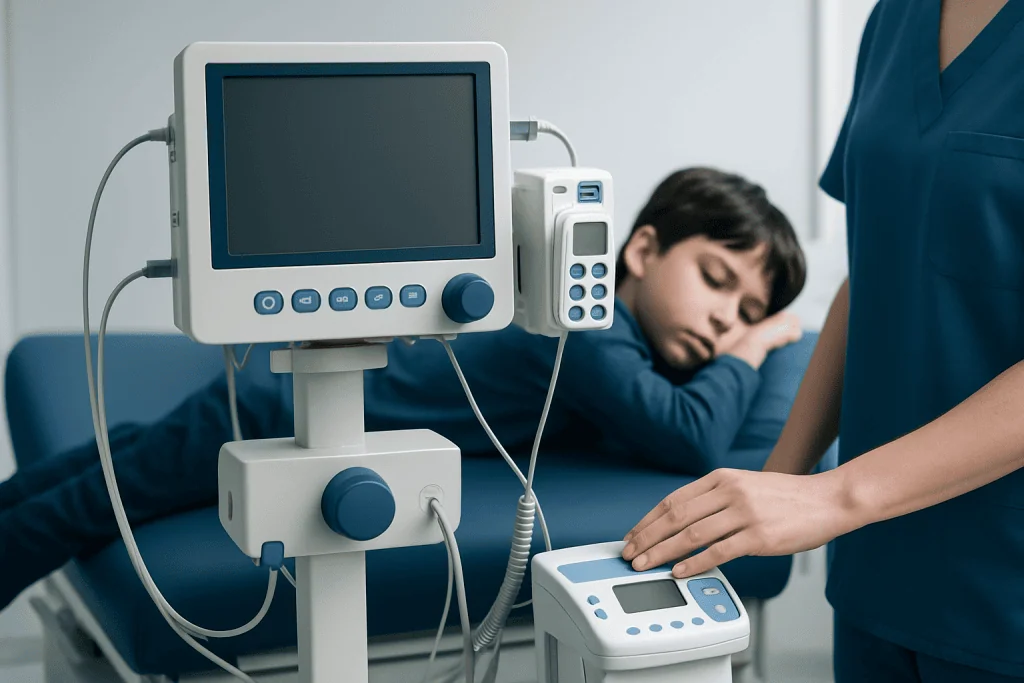
The most common symptom is excessive daytime sleepiness. In children, this may not always look like simply feeling tired. Some children become irritable, restless, impulsive, or unusually emotional when sleepy. Others may stare into space, lose focus, struggle to finish tasks, or fall asleep during lessons, reading, car rides, or screen time.
Cataplexy is another key symptom, especially in narcolepsy type 1. It is often triggered by laughter, joking, excitement, anger, or surprise. A child may suddenly drop objects, slur speech, nod the head, buckle at the knees, or need to sit down. Episodes are usually brief, and awareness is typically preserved, which helps distinguish cataplexy from fainting or certain seizure disorders.
Other symptoms can include vivid dream-like experiences when falling asleep or waking, called hypnagogic or hypnopompic hallucinations, and sleep paralysis, where the child briefly cannot move while waking or falling asleep. Nighttime sleep may be fragmented, so a child may wake frequently despite being very sleepy in the daytime.
At school, narcolepsy may be mistaken for attention-deficit/hyperactivity disorder, depression, oppositional behavior, or poor study habits. Teachers may notice declining grades, incomplete assignments, late arrivals, frequent nurse visits, or social withdrawal. Recognizing sleepiness as a medical symptom is often the first step toward appropriate support.
Causes and Risk Factors
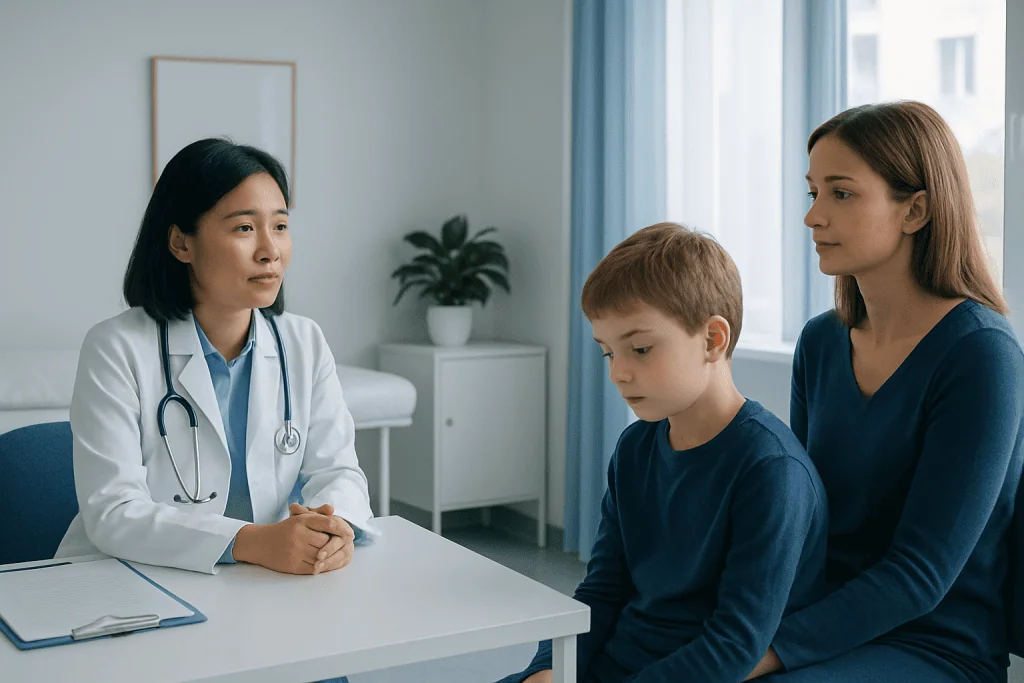
Narcolepsy is related to changes in the brain systems that control wakefulness and rapid eye movement sleep. In many people with narcolepsy type 1, the brain has low levels of hypocretin, also called orexin, a chemical that helps stabilize wakefulness and muscle tone. This is why strong emotions can trigger cataplexy in some children.
The exact cause is not always known. Current medical understanding suggests that narcolepsy type 1 may involve an immune-related process in genetically susceptible individuals. In simple terms, the body’s immune system may mistakenly affect cells involved in hypocretin production. This does not mean parents caused the condition, and it is not the result of ordinary sleep habits.
Risk factors may include a family history of narcolepsy, certain genetic markers, and, in some cases, immune or environmental triggers. Having a risk factor does not mean a child will develop narcolepsy, and many affected children have no known family history. Narcolepsy type 2 causes excessive daytime sleepiness without cataplexy and may have different underlying mechanisms.
Because many childhood conditions can cause tiredness or sleepiness, a careful assessment is important. Insufficient sleep, obstructive sleep apnea, restless legs syndrome, medication effects, anemia, thyroid disorders, depression, anxiety, epilepsy, and other medical issues may need to be considered. A sleep specialist helps separate these possibilities and guide the right testing.
Diagnosis by a Sleep Specialist
Diagnosis begins with a detailed history from the child and caregivers. The clinician may ask when sleepiness began, how often the child naps or falls asleep unintentionally, whether emotions trigger weakness, how the child sleeps at night, and how symptoms affect school or safety. Teachers’ observations can also be helpful because symptoms may be most noticeable in the classroom.
Families may be asked to keep a sleep diary for one to two weeks, and some children may wear an actigraphy device that tracks rest and activity patterns. This helps confirm whether the child is getting enough sleep and whether the sleep schedule is regular. The doctor may also review medications, mental health symptoms, growth, weight changes, and other medical conditions.
Two sleep tests are commonly used. An overnight polysomnography records breathing, oxygen levels, brain waves, heart rhythm, body movements, and sleep stages. The next day, a multiple sleep latency test measures how quickly the child falls asleep during several scheduled nap opportunities and whether rapid eye movement sleep appears unusually early.
Testing should be arranged and interpreted by clinicians experienced in pediatric sleep disorders because results can be affected by sleep deprivation, irregular schedules, medications, and other conditions. In selected cases, additional tests may be considered, such as blood tests for other causes of fatigue or specialized testing related to hypocretin levels. The goal is to reach a clear diagnosis without overlooking treatable conditions that may mimic narcolepsy.
Treatment Options
Treatment for childhood narcolepsy is individualized. There is no single plan that fits every child, and treatment may change as the child grows, school demands change, or symptoms evolve. The main goals are to improve daytime alertness, reduce cataplexy when present, support emotional well-being, and keep the child safe during daily activities.
Behavioral strategies are a foundation of care. A consistent sleep schedule, adequate nighttime sleep, planned short naps, regular physical activity, and limiting late caffeine or late-night screen use can help stabilize the sleep-wake rhythm. Scheduled naps at school may be especially useful because they are planned and supervised rather than occurring unexpectedly in class.
Medication may be recommended when symptoms significantly affect learning, safety, or quality of life. Depending on the child’s age, diagnosis, local approvals, and medical history, a specialist may consider wake-promoting medicines or stimulants for daytime sleepiness, and specific medicines to reduce cataplexy or improve disrupted nighttime sleep. Families should not start, stop, or adjust these medicines without medical guidance because monitoring for benefits and side effects is essential.
Treatment also includes education and emotional support. Children may feel embarrassed, frustrated, or worried that classmates will misunderstand their symptoms. Explaining the condition in age-appropriate language can reduce blame and build confidence. Ongoing follow-up helps the care team adjust treatment, check growth and development, review school functioning, and support the family’s long-term plan.
School Support, Safety, and Daily Self-Care
School support is often central to managing narcolepsy in children. A written plan can help teachers understand that sleepiness is a medical symptom, not misbehavior. The plan should be practical, respectful of the child’s privacy, and flexible enough to adapt to different classes, exams, field trips, and extracurricular activities.
Helpful accommodations may include:
- Scheduled short naps in a safe, quiet location.
- Permission to stand, stretch, drink water, or take brief movement breaks.
- Preferential seating near the teacher or away from overly warm, dark, or distracting areas.
- Extra time for tests or assignments when sleepiness affects performance.
- Recorded lessons, written instructions, or help catching up after sleep episodes.
- A safety plan for physical education, swimming, laboratory work, stairs, and school transport.
At home, a predictable routine supports the medical plan. Children do best when bedtimes and wake times are regular, including weekends when possible. Families can help by planning homework around the child’s most alert periods, building in naps before evening activities, and encouraging open conversations about symptoms without shame.
Safety guidance should be tailored to the child’s symptoms. For a child with cataplexy, supervision may be needed during swimming, climbing, cycling, or activities where sudden weakness could lead to injury. Adolescents should discuss driving readiness and local regulations with their doctor before learning to drive, because untreated or poorly controlled sleepiness can affect reaction time and attention.
When to See a Doctor
Parents should seek medical advice if a child regularly falls asleep in class, during meals, during conversations, or during short car rides, especially when the child appears to have enough sleep at night. Evaluation is also important if sleepiness is causing school problems, mood changes, social withdrawal, morning difficulty, or frequent complaints of fatigue that do not improve with routine sleep changes.
A sleep specialist should be considered when there are signs of cataplexy, such as sudden knee buckling, facial drooping, head nodding, slurred speech, or brief collapse triggered by laughter or excitement. Because cataplexy can be confused with fainting, seizures, or clumsiness, describing the trigger, duration, awareness, and recovery can help the doctor decide what tests are needed.
Prompt assessment is also appropriate if a child has episodes that affect safety, such as falling asleep in unsafe places, injuries from sudden weakness, or symptoms during swimming, cycling, or sports. If events include prolonged loss of consciousness, breathing difficulty, chest pain, or injury, families should use urgent medical services according to local guidance.
Families who travel for care may benefit from coordinated pediatric, neurology, psychiatry, and sleep medicine input. Acibadem International’s multidisciplinary specialists and JCI-accredited hospitals diagnose and treat sleep disorders, including narcolepsy, for international patients as part of individualized medical care.
Frequently asked questions
Is narcolepsy in children the same as being overtired?
No. Ordinary tiredness usually improves when a child gets enough sleep or has a restful weekend. Narcolepsy causes persistent daytime sleepiness because the brain has difficulty regulating sleep and wakefulness. A child may be very sleepy even when the family believes the nighttime sleep schedule is reasonable.
What does cataplexy look like in a child?
Cataplexy is sudden muscle weakness triggered by emotions such as laughter, excitement, surprise, or anger. It may look like drooping eyelids, a slack jaw, head nodding, slurred speech, dropping objects, knee buckling, or briefly collapsing. The child is usually awake and aware during the episode and recovers quickly.
Can narcolepsy be mistaken for ADHD or a behavior problem?
Yes. Sleepy children may appear inattentive, restless, moody, or unmotivated, which can resemble ADHD or behavioral concerns. Some children also struggle with memory, organization, and emotional regulation when they are sleepy. A sleep-focused evaluation can help clarify whether narcolepsy or another sleep disorder is contributing.
How is childhood narcolepsy diagnosed?
Diagnosis usually includes a medical and sleep history, a sleep diary, and formal sleep testing. The main tests are overnight polysomnography followed by a multiple sleep latency test the next day. These tests help measure sleep quality, rule out other sleep disorders, and assess how quickly the child falls asleep during scheduled naps.
Can children with narcolepsy attend regular school?
Many children with narcolepsy attend regular school and do well when symptoms are recognized and supported. Planned naps, flexible test arrangements, movement breaks, and teacher awareness can reduce misunderstandings and improve learning. The best plan is usually developed by the family, school team, and treating clinician together.
Is medication always needed for narcolepsy in children?
Not always, but many children need medication when sleepiness or cataplexy significantly affects learning, safety, or daily life. Treatment decisions depend on age, symptoms, diagnosis, other medical conditions, and local medication approvals. Medicines should be prescribed and monitored by a qualified clinician experienced in pediatric sleep disorders.
Will a child outgrow narcolepsy?
Narcolepsy is usually a long-term condition, and most children do not simply outgrow it. However, symptoms can often be managed effectively with a combination of sleep routines, school accommodations, safety planning, and specialist-guided treatment. Regular follow-up helps adjust care as the child becomes a teenager and then an adult.
References
- American Academy of Sleep Medicine
- National Institute of Neurological Disorders and Stroke
- American Academy of Pediatrics
- European Sleep Research Society
- Mayo Clinic
This article is for general information only and is not a substitute for professional medical advice. Please consult a qualified doctor about your individual situation.
Narcolepsy in Turkey — costs, top hospitals & a free quote
JCI-accredited · board-certified surgeons · reply within 24h

More from the Health Library



Related Specialists

Dr. Emrah Gezer
Inpatient Clinic Physicians Clinical Service
Prof. Dr. Mehmet Ada
Otorhinolaryngology
Dr. Neda Zabandan
Emergency Service
Dr. Suna Tuzcu
Acibadem Life Clinical Service