Spinal Muscular Atrophy in Children: Early Signs and Neuropediatric Care

Spinal muscular atrophy, or SMA, most often causes low muscle tone, delayed motor milestones and progressive muscle weakness in babies or young children. The condition is usually caused by changes in the SMN1 gene and can be confirmed with a genetic blood test.
Key Takeaways
- Spinal muscular atrophy, or SMA, most often causes low muscle tone, delayed motor milestones and progressive muscle weakness in babies or young children.
- The condition is usually caused by changes in the SMN1 gene and can be confirmed with a genetic blood test.
- Modern disease-modifying treatments can change the course of SMA, especially when started as early as possible.
- Care is multidisciplinary and may include a pediatric neurologist, pulmonologist, physiotherapist, nutrition specialist, orthopedic team and genetic counselor.
- Parents should seek medical advice for persistent floppiness, feeding or breathing difficulty, delayed sitting or walking, or loss of motor skills.
Spinal muscular atrophy in children is a genetic neuromuscular condition that affects the nerves controlling muscle movement. Recognizing early signs and arranging prompt neuropediatric care can help families access disease-modifying treatment, respiratory support, nutrition care and rehabilitation at the right time.
Overview
Spinal muscular atrophy in children, often called SMA, is an inherited condition that affects motor neurons. These are specialized nerve cells in the spinal cord and brainstem that send signals to the muscles used for movement, posture, swallowing and breathing. When motor neurons do not work properly, muscles gradually become weak and may shrink over time.
SMA varies widely from one child to another. Some babies show symptoms in the first weeks or months of life, while others develop milder weakness later in childhood. The main pattern is muscle weakness that is usually more noticeable in the shoulders, hips, thighs and upper arms than in the hands and feet. Sensation, understanding and emotional development are not directly affected by SMA, so many children are alert, engaged and socially responsive.
Early recognition matters because treatment options have improved significantly in recent years. Disease-modifying therapies aim to increase the level of survival motor neuron protein, which is reduced in SMA. Alongside these treatments, expert supportive care helps protect breathing, nutrition, growth, comfort, mobility and quality of life.
Early Signs and Symptoms
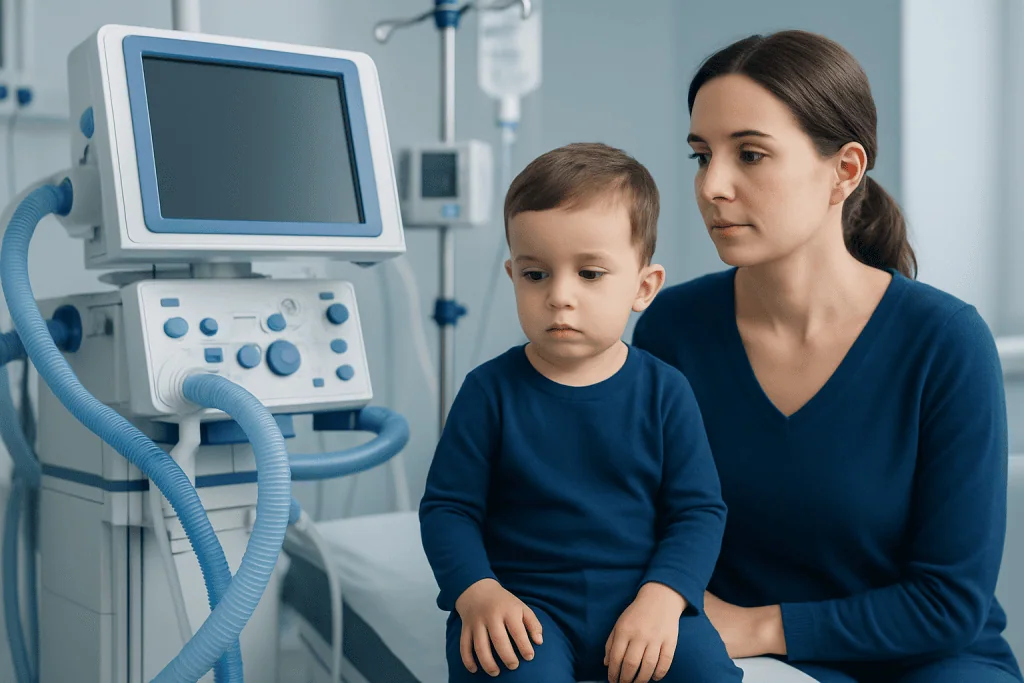
The first signs of SMA can be subtle, particularly in newborns and young infants. Parents may notice that a baby feels unusually floppy when lifted, has poor head control, moves the legs less than expected, or tires quickly during feeding. Some babies have a weak cry or weak cough because the muscles involved in breathing and clearing secretions are affected.
In toddlers and older children, SMA may appear as delayed motor milestones, difficulty standing from the floor, frequent falls, trouble climbing stairs, or walking with a waddling pattern. Some children can sit but cannot stand independently; others walk for a time and later lose strength. Symptoms often progress gradually, and the child may adapt by avoiding tiring activities.
- Low muscle tone, sometimes described as floppiness
- Delayed sitting, crawling, standing or walking
- Weakness that is greater in the legs than the arms
- Difficulty feeding, sucking, swallowing or gaining weight
- Shallow breathing, recurrent chest infections or weak cough
- Curving of the spine, joint tightness or reduced range of movement
SMA does not usually cause loss of feeling, pain as a primary symptom, or delays in thinking. Because many other childhood conditions can also cause weakness or delayed milestones, a careful medical assessment is important rather than relying on symptoms alone.
Causes, Types and Risk Factors
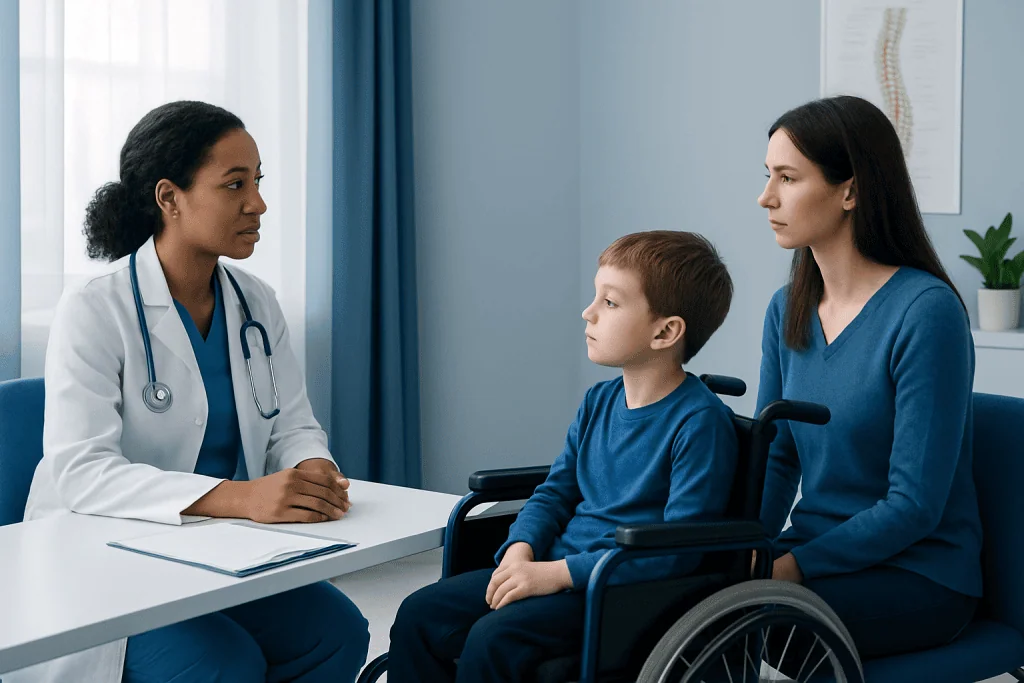
Most cases of SMA are caused by a change, often a deletion, in both copies of the SMN1 gene. This gene provides instructions for making survival motor neuron protein, which motor neurons need to function. Children with SMA usually inherit one non-working SMN1 copy from each parent. Parents who carry one changed copy typically have no symptoms themselves.
A related gene, SMN2, can make a small amount of the same protein. The number of SMN2 copies can influence how severe SMA is, although it does not predict every detail for an individual child. In general, more SMN2 copies are associated with a milder course, while fewer copies are associated with earlier and more severe symptoms.
SMA is commonly described by clinical types. Type 1 begins in infancy and is the most severe form in early childhood. Type 2 usually begins after a baby can sit but before independent walking. Type 3 appears later in childhood and may allow walking, although strength can change over time. Type 0 is a very rare prenatal-onset form, and type 4 begins in adulthood. These categories help guide care, but each child still needs an individual treatment plan.
The main risk factor is having parents who are carriers of an SMN1 gene change. Carrier screening and genetic counseling can help families understand inheritance, recurrence risk and reproductive options. Newborn screening, where available, can identify SMA before symptoms appear, which may allow treatment to begin very early.
Diagnosis and Neuropediatric Evaluation
When SMA is suspected, a pediatric neurologist or neuropediatric specialist evaluates the child’s medical history, developmental milestones, muscle tone, reflexes, breathing pattern, feeding and movement. A typical examination may show reduced reflexes and symmetric weakness, especially in the muscles closer to the body. The clinician also looks for signs of other neuromuscular or metabolic conditions that can resemble SMA.
The key diagnostic test is genetic testing for SMN1 changes, usually performed from a blood sample. This test can confirm the diagnosis in most children. Testing may also assess SMN2 copy number because it can help with prognosis and treatment planning. In many cases, older tests such as electromyography, nerve conduction studies or muscle biopsy are not needed once genetic testing confirms SMA.
After diagnosis, the evaluation usually expands beyond the nervous system. Respiratory assessment may include checking cough strength, oxygen and carbon dioxide levels, sleep-related breathing and the risk of infections. Nutrition assessment looks at swallowing safety, growth and calorie intake. Orthopedic and rehabilitation evaluation can identify scoliosis, hip problems, joint stiffness and equipment needs.
Families benefit from clear explanations and written care plans. Because SMA is a lifelong condition, the aim of diagnosis is not only to name the disease but also to organize timely treatment, monitor complications and support the child’s development at home, school and in daily activities.
Treatment Options
Treatment for SMA has changed rapidly with the development of disease-modifying therapies. Current options may include medicines that increase survival motor neuron protein by acting on the SMN2 gene, and gene replacement therapy that provides a working copy of the SMN1 gene. The best choice depends on the child’s age, weight, symptoms, previous treatment, genetic findings, local approvals and the specialist team’s assessment.
These therapies are most effective when started early, ideally before significant motor neuron loss has occurred. However, children who are diagnosed after symptoms appear may still benefit from treatment and supportive care. Families should discuss expected benefits, possible side effects, monitoring requirements and practical considerations with a pediatric neurologist experienced in SMA.
Supportive care is equally important. Respiratory care may include airway clearance techniques, cough-assist devices, non-invasive ventilation during sleep or illness, vaccination planning and prompt treatment of chest infections. Nutrition support may involve feeding strategies, swallowing evaluation, managing reflux or constipation, and, when needed, tube feeding to maintain safe nutrition and growth.
Rehabilitation helps children use their strength as effectively and safely as possible. Physiotherapy, occupational therapy, stretching, seating support, braces, mobility devices and communication with school teams can promote comfort and participation. Orthopedic care may address scoliosis or contractures. Psychological and family support also matter, because parents often need help coordinating appointments, equipment, education and daily routines.
Ongoing Care, Prevention and Self-Care at Home
SMA itself cannot usually be prevented after a child has inherited the condition, but complications can often be reduced with proactive care. Regular follow-up helps detect breathing problems, nutritional concerns, scoliosis, joint stiffness or changes in function before they become more difficult to manage. The follow-up schedule depends on the child’s age, SMA type, treatments and stability.
At home, families can support the child by following physiotherapy and positioning guidance, encouraging safe activity within the child’s ability, and monitoring feeding and breathing. Children with SMA should not be pushed to exhaustion, but gentle movement, play and participation are valuable when planned appropriately. Good hand hygiene, routine immunizations as advised by the doctor, and early attention to respiratory infections are important parts of care.
Nutrition should be individualized. Some children need help getting enough calories because feeding is tiring, while others may gain excess weight if mobility is limited. A dietitian familiar with neuromuscular conditions can help balance growth, digestive comfort and respiratory needs. Families should avoid unproven supplements or restrictive diets unless a qualified clinician recommends them for a specific reason.
Genetic counseling is recommended for parents and, later, for affected children when they are old enough to understand. Counseling can explain carrier status, future pregnancy options and testing for relatives. For international families seeking coordinated assessment, Acibadem International provides access to multidisciplinary specialists and JCI-accredited hospitals that diagnose and treat pediatric neuromuscular conditions, including SMA.
When to See a Doctor
Parents should arrange a medical evaluation if a baby seems persistently floppy, has poor head control, moves less than expected, feeds slowly or has trouble gaining weight. A toddler or child should also be assessed if sitting, crawling, standing or walking is delayed, if falls are frequent, or if the child loses skills that were previously present.
Medical advice is especially important when weakness is combined with breathing or feeding concerns. Signs such as a weak cough, repeated chest infections, choking during feeds, sweating or tiring while feeding, or pauses in breathing during sleep should be discussed promptly with a pediatrician or pediatric neurologist. If a child has severe breathing difficulty, bluish lips, unusual sleepiness or cannot feed safely, urgent care is needed.
Families who already have a diagnosis of SMA should contact their care team when there is a sudden change in breathing, swallowing, alertness, strength, pain, posture or equipment fit. Illnesses such as colds can affect children with SMA more than expected, so early communication with the medical team is helpful and reassuring.
Early referral to a neuropediatric or neuromuscular center can shorten the path to diagnosis and treatment. Even when symptoms are mild, specialist assessment provides a clearer plan for monitoring, therapy options, family education and long-term support.
Frequently asked questions
What is spinal muscular atrophy in children?
Spinal muscular atrophy in children is a genetic neuromuscular condition that affects motor neurons, the nerve cells that control voluntary muscles. It causes muscle weakness and low muscle tone, often affecting sitting, crawling, walking, feeding or breathing depending on severity. It does not usually affect a child’s ability to think, learn or interact.
What are the earliest signs of SMA in a baby?
Early signs may include floppiness, poor head control, reduced leg movement, weak cry, weak cough, slow feeding or difficulty gaining weight. Some babies breathe with more belly movement than chest movement because the chest muscles are weak. Any persistent concern about tone, movement or feeding should be discussed with a pediatrician.
How is SMA diagnosed?
SMA is usually diagnosed with a genetic blood test that looks for changes in the SMN1 gene. The test may also measure SMN2 copy number, which helps doctors understand the likely course and plan treatment. A pediatric neurologist may also assess breathing, feeding, growth, movement and orthopedic needs.
Can SMA be treated?
Yes. Disease-modifying treatments are available for many children with SMA and aim to increase survival motor neuron protein or replace the missing gene function. Supportive care, including respiratory care, nutrition support, rehabilitation and orthopedic monitoring, remains essential. Treatment decisions should be made with a specialist team experienced in pediatric neuromuscular disease.
Why is early diagnosis important in SMA?
Early diagnosis allows treatment to begin before more motor neurons are lost, which may improve the child’s functional potential. It also helps doctors start respiratory, nutrition and rehabilitation support at the right time. Newborn screening, where available, can identify SMA before symptoms develop.
Is SMA inherited from the parents?
In most cases, SMA is inherited in an autosomal recessive pattern, meaning a child receives one non-working SMN1 gene copy from each carrier parent. Carrier parents usually have no symptoms. Genetic counseling can help families understand carrier testing, recurrence risk and options for future pregnancies.
Can a child with SMA go to school and take part in daily life?
Many children with SMA attend school and participate actively in family, social and learning activities. They may need mobility support, accessible seating, fatigue management, respiratory planning or help with writing and daily tasks. A coordinated plan involving the family, medical team and school can support independence and inclusion.
References
- World Health Organization
- Centers for Disease Control and Prevention
- National Institute of Neurological Disorders and Stroke
- GeneReviews
- European Neuromuscular Centre
This article is for general information only and is not a substitute for professional medical advice. Please consult a qualified doctor about your individual situation.
Joint and spine care in Turkey — expert assessment & treatment
JCI-accredited · board-certified surgeons · reply within 24h