How Medical Artificial Intelligence Is Diagnosed and Supervised
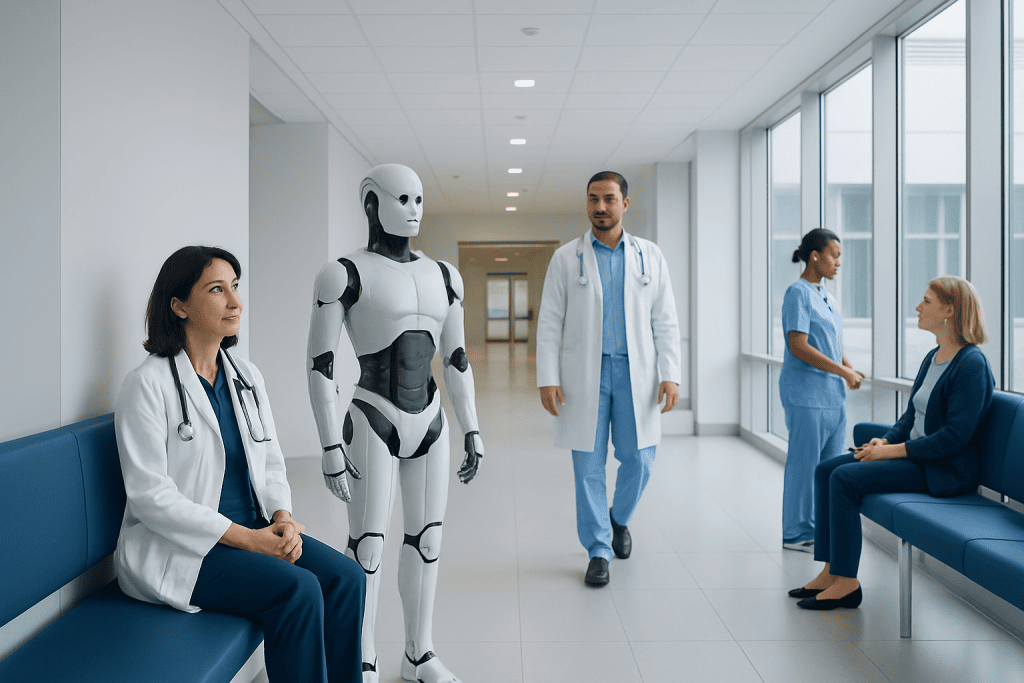
Medical artificial intelligence is designed to support clinical care, not replace qualified healthcare professionals. Before use, AI systems are tested for accuracy, reliability, safety, and fairness in real-world clinical settings.
Key Takeaways
- Medical artificial intelligence is designed to support clinical care, not replace qualified healthcare professionals.
- Before use, AI systems are tested for accuracy, reliability, safety, and fairness in real-world clinical settings.
- Supervision includes human review, performance monitoring, data quality checks, and regular updates.
- Different medical AI tools are used for imaging, triage, documentation, risk prediction, and decision support.
- Patients can ask how an AI tool is used, who reviews its output, and how privacy is protected.
Medical artificial intelligence can help clinicians analyze data, recognize patterns, and support healthcare decisions. Safe use depends on careful diagnosis of how the system performs, ongoing supervision, and human oversight at every stage.
Overview: What Medical Artificial Intelligence Means
Medical artificial intelligence refers to computer systems that can analyze health information and assist with tasks such as pattern recognition, prediction, and clinical support. These tools may review medical images, organize patient records, flag abnormal results, or help identify patients who may need closer attention. In practice, medical AI works best as an added layer of support for healthcare teams rather than as an independent decision-maker.
When people ask how medical artificial intelligence is “diagnosed,” they are usually asking how experts determine whether an AI system is working properly, safely, and accurately. Unlike diagnosing a disease in a patient, diagnosing an AI tool means evaluating its performance, limitations, and risks. This includes checking whether it gives consistent results, whether it has been trained on appropriate data, and whether its output remains reliable in everyday clinical use.
Supervision is equally important. Even a well-designed AI system can make mistakes, miss uncommon conditions, or perform differently in new populations. For this reason, doctors, radiologists, pathologists, nurses, data scientists, and hospital quality teams monitor medical AI closely. Their role is to make sure the tool is used appropriately, interpreted correctly, and updated when needed.
How Medical AI Is Evaluated Before Clinical Use
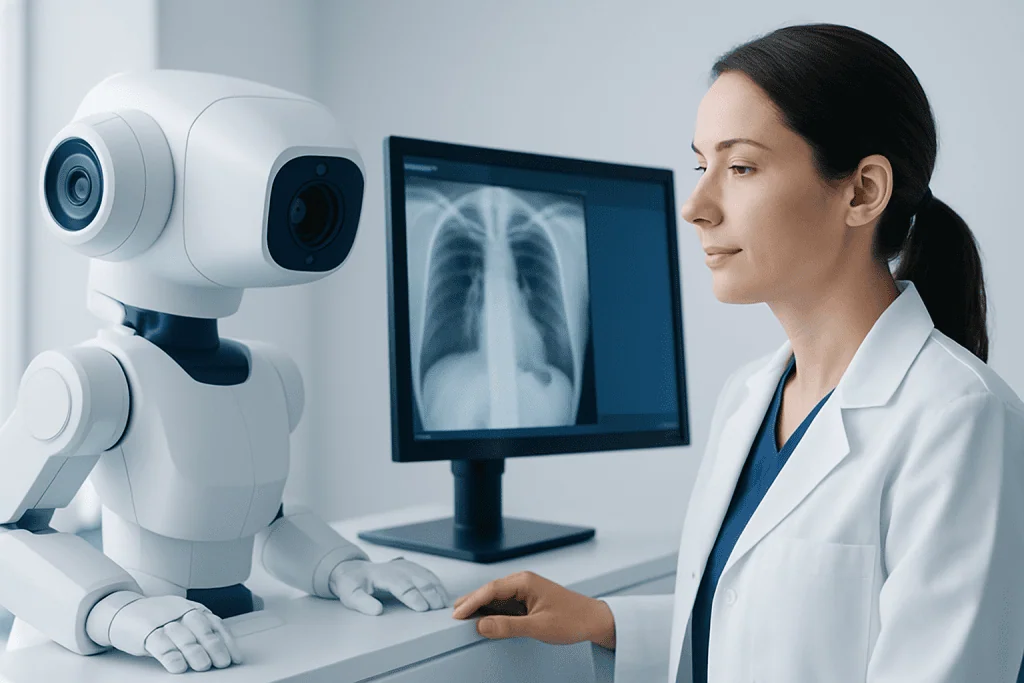
Before a medical AI system is introduced into patient care, it goes through several layers of evaluation. Developers first train the system using large datasets, then test it on separate data to see how well it recognizes patterns or predicts outcomes. In healthcare, this process must go beyond technical success. Experts also need to know whether the system performs well in real clinical environments, where data may be incomplete, patients may have multiple conditions, and presentations may be more complex than in a training dataset.
Clinical evaluation often examines accuracy, sensitivity, specificity, and consistency. For example, if an AI tool is designed to support image review, specialists compare its output against expert interpretation and confirmed diagnoses. They also assess whether the tool performs similarly across age groups, sexes, ethnic backgrounds, and different care settings. This helps identify bias or hidden weaknesses before patient care is affected.
Hospitals and regulators may also review whether the system is explainable enough for safe use. In some cases, clinicians need to understand why the AI flagged a result or assigned a certain risk score. That does not always mean seeing every internal calculation, but it does mean having enough transparency to use the output responsibly. A safe system should fit into clinical workflows without creating confusion or encouraging overreliance.
- Technical validation checks whether the algorithm functions as intended.
- Clinical validation checks whether it helps in real patient care.
- Safety review considers error patterns, bias, privacy, and usability.
- Ongoing approval processes may differ by country and type of tool.
What Supervision of Medical AI Involves

Supervision of medical AI begins with human oversight. A qualified clinician remains responsible for interpreting the patient’s symptoms, examination findings, test results, and treatment options. If an AI tool suggests a diagnosis or highlights a possible abnormality, that information is reviewed in the context of the full clinical picture. The final decision should rest with the healthcare professional, not with the software alone.
Hospitals also supervise AI through governance systems. These may include ethics committees, digital health teams, information security specialists, and quality departments. Together, they review how the tool is used, whether it is producing meaningful benefits, and whether there are signs of drift over time. Performance drift can happen when patient populations, equipment, documentation styles, or disease patterns change.
Another key part of supervision is feedback. If clinicians notice that the tool frequently misses a finding, creates too many false alarms, or behaves unpredictably, those concerns should be documented and investigated. Effective supervision treats AI as a clinical tool that requires maintenance, review, and accountability, much like laboratory equipment or imaging technology.
Good supervision also includes staff training. Clinicians need to understand what the tool can do, what it cannot do, and when to question its output. This reduces the risk of automation bias, where a person may trust a computer-generated result too quickly simply because it appears objective or precise.
Where Medical AI Is Commonly Used
Medical AI is now used in several areas of healthcare, especially where large amounts of structured data are available. Imaging is one of the best-known examples. AI can help identify patterns on X-rays, CT scans, MRI scans, mammograms, and other studies that may require closer review. It may also assist with workflow by prioritizing urgent cases for specialist attention.
In addition, AI is used in clinical decision support, where it helps estimate risk, identify drug interactions, or suggest follow-up based on guidelines and patient data. Some tools support documentation by summarizing clinical notes or organizing records. Others assist pathology, cardiology, intensive care, and preventive care by detecting trends that may be difficult to spot quickly without digital support.
It is important to remember that not all AI systems do the same job. Some are designed only to highlight possible concerns, while others provide scoring, classification, or workflow recommendations. Their purpose, level of autonomy, and supervision requirements vary accordingly. In diagnostics and imaging, for example, AI may complement specialist review rather than replace it, especially in areas related to MRI scans or CT scans.
In some settings, AI may also support earlier recognition of serious illnesses that still require full medical assessment and conventional testing. If a digital tool flags a possible concern, doctors may recommend further evaluation for conditions such as breast cancer or lung cancer, depending on the clinical context and the tests involved.
Benefits and Limitations Patients Should Understand
Medical artificial intelligence can offer meaningful benefits when used carefully. It may improve efficiency, help clinicians manage large amounts of information, reduce delays in reviewing urgent cases, and support more standardized assessments. In some situations, it can also help identify subtle patterns that deserve a second look, especially when combined with experienced clinical judgment.
At the same time, AI has limitations. It may be less reliable in unusual cases, in patients with multiple complex conditions, or when the data used are incomplete or different from the data on which the system was trained. An AI output can also be difficult to interpret if the tool does not clearly explain its reasoning. For this reason, a result from an AI system should not be viewed as a final diagnosis by itself.
There are also ethical and practical concerns. Bias can occur if the training data do not represent the people who will use the system in real life. Privacy must be protected when health data are collected, stored, and analyzed. Healthcare teams must also consider whether the technology truly improves care or simply adds another layer of complexity.
For patients, the most reassuring point is that responsible medical AI is supervised. It is one tool among many, alongside medical history, physical examination, laboratory studies, imaging, and specialist expertise. When used appropriately, it can support care while leaving important decisions in human hands.
How Patients Can Ask About AI in Their Care
Patients have the right to understand how technology is being used in their care. If a clinic or hospital uses a medical AI tool, it is reasonable to ask what the tool does, whether it supports diagnosis or workflow, and who reviews the results. Patients may also ask whether the AI output is checked by a doctor and whether it influences treatment decisions directly or only serves as supportive information.
Questions about privacy are also important. Patients can ask how their health data are protected, whether the system uses de-identified data, and whether information is shared outside the clinical team. Hospitals should have clear policies for data security, access control, and ethical use. Informed communication can help patients feel more confident and engaged.
Some patients may worry that AI means less human contact. In well-managed care, the opposite goal is often true: technology should reduce repetitive administrative work and free clinicians to focus more on patient interaction, explanation, and decision-making. AI should enhance care quality, not make healthcare feel impersonal.
For complex diagnostic pathways, clinicians may combine digital tools with established tests such as blood work, specialist consultation, or PET-CT when clinically appropriate. The technology is most valuable when it helps guide timely, well-coordinated next steps rather than replacing careful medical assessment.
Safety, Regulation, and the Future of Supervised AI
The safe use of medical AI depends on regulation, institutional standards, and professional responsibility. Many countries require medical AI tools to meet specific regulatory requirements before they can be used clinically, especially if they influence diagnosis or treatment. These reviews may consider safety, intended use, technical performance, and evidence that the tool works as claimed.
Even after approval, supervision continues. Hospitals need systems for auditing performance, reviewing errors, updating software, and responding if the tool underperforms. Because medicine changes over time, AI systems may need recalibration or retraining to remain relevant. This is especially important when a tool is introduced into a new hospital, a new region, or a different patient population.
Looking ahead, medical AI is likely to become more integrated into diagnostics, imaging, remote monitoring, and personalized care. The most trustworthy future is not one in which machines replace doctors, but one in which well-supervised technology helps healthcare professionals make more informed decisions. Multidisciplinary review, transparency, and patient-centered care will remain central.
For people seeking evaluation or treatment that may involve advanced digital tools, it can be helpful to choose experienced centers with strong clinical governance. Acibadem International’s multidisciplinary specialists and JCI-accredited hospitals diagnose and treat international patients using evidence-based approaches, including advanced diagnostic technologies where appropriate.
When to Seek Medical Advice
People should not delay medical care because they are unsure about AI or digital health tools. Any new, persistent, worsening, or concerning symptom deserves appropriate medical attention from a qualified professional. A doctor can explain whether technology may be used in the diagnostic process and how results will be interpreted.
It is especially important to seek medical advice if symptoms are severe, rapidly changing, or affecting daily life. AI may support triage or analysis, but it cannot replace a full medical assessment when symptoms require urgent evaluation. Patients should seek emergency care right away for signs such as severe chest pain, sudden weakness, major breathing difficulty, loss of consciousness, or other emergency symptoms.
If a patient has already undergone AI-supported testing and does not understand the result, a follow-up discussion with the care team is appropriate. Clear communication helps patients understand what the findings mean, what the next steps are, and whether any further tests or specialist opinions are needed.
Frequently asked questions
Can medical artificial intelligence diagnose a disease on its own?
Medical AI can assist with pattern recognition and clinical decision support, but it should not replace a qualified doctor. Final diagnosis should be based on the full clinical picture, including symptoms, examination, tests, and expert interpretation.
What does supervision of medical AI mean?
Supervision means that clinicians and healthcare organizations monitor how the AI tool performs and how it is used. This includes human review of results, safety checks, quality control, and updates if the system’s performance changes over time.
Is medical AI always accurate?
No medical tool is perfect, and AI also has limitations. Accuracy can vary depending on the quality of data, the patient population, and whether the case is similar to the examples used to train the system.
How is patient privacy protected when AI is used?
Responsible healthcare providers use data security measures, access controls, and privacy policies to protect patient information. Patients can ask whether their data are de-identified, how they are stored, and who can access them.
Will AI replace doctors in healthcare?
Current medical AI is intended to support healthcare professionals, not replace them. Human judgment remains essential for diagnosis, communication, ethics, and treatment decisions tailored to each patient.
Should patients ask if AI is being used in their care?
Yes, it is reasonable to ask. Patients can request a simple explanation of what the tool does, who reviews its output, and how it affects decisions about testing or treatment.
References
- World Health Organization
- U.S. Food and Drug Administration
- European Medicines Agency
- National Institutes of Health
- Organisation for Economic Co-operation and Development
This article is for general information only and is not a substitute for professional medical advice. Please consult a qualified doctor about your individual situation.
Explore treatments in Turkey — costs, top hospitals & a free quote
JCI-accredited · board-certified surgeons · reply within 24h

More from the Health Library



Related Specialists

Dr. Fahrî Fatih Tipi
Cardiology
Dr. Mehmet Bilhan Hayırlıoğlu
Anesthesiology
Prof. Dr. Denizhan Dizdar
Otorhinolaryngology
Prof. Dr. Alper Kaya
Orthopedic Surgery & Traumatology