Common Mental Illnesses: Symptoms, Diagnosis, and First Steps

Common mental illnesses include depression, anxiety disorders, bipolar disorder, obsessive-compulsive disorder, post-traumatic stress disorder, and others. Symptoms can affect mood, sleep, energy, concentration, relationships, work, and physical well-being.
Key Takeaways
- Common mental illnesses include depression, anxiety disorders, bipolar disorder, obsessive-compulsive disorder, post-traumatic stress disorder, and others.
- Symptoms can affect mood, sleep, energy, concentration, relationships, work, and physical well-being.
- Diagnosis is based on a clinical assessment, medical history, symptom pattern, and sometimes physical tests to rule out other causes.
- Treatment often includes psychotherapy, lifestyle changes, medication, or a combination of approaches.
- Early help matters, especially if symptoms are persistent, worsening, or affecting safety and daily life.
Common mental illnesses are health conditions that affect emotions, thoughts, behavior, or daily functioning. Recognizing symptoms early and seeking professional support can make diagnosis clearer and treatment more effective.
Overview of Common Mental Illnesses
Common mental illnesses are medical conditions that influence how a person feels, thinks, behaves, and copes with everyday life. They are not a sign of weakness or poor character. Like physical health conditions, mental health disorders can range from mild to severe and may affect people of any age, background, or life situation.
The term includes several different conditions. Common examples are depressive disorders, anxiety disorders, bipolar disorder, obsessive-compulsive disorder, trauma-related conditions, and some eating disorders. Each condition has its own pattern of symptoms, but many share features such as distress, changes in sleep or appetite, difficulty concentrating, and reduced ability to function at home, school, or work.
Mental illness can develop gradually or appear more suddenly. Symptoms may come and go, remain steady, or worsen during times of stress. Early recognition is helpful because treatment can reduce symptoms, improve quality of life, and support healthier relationships and routines.
Symptoms to Watch For
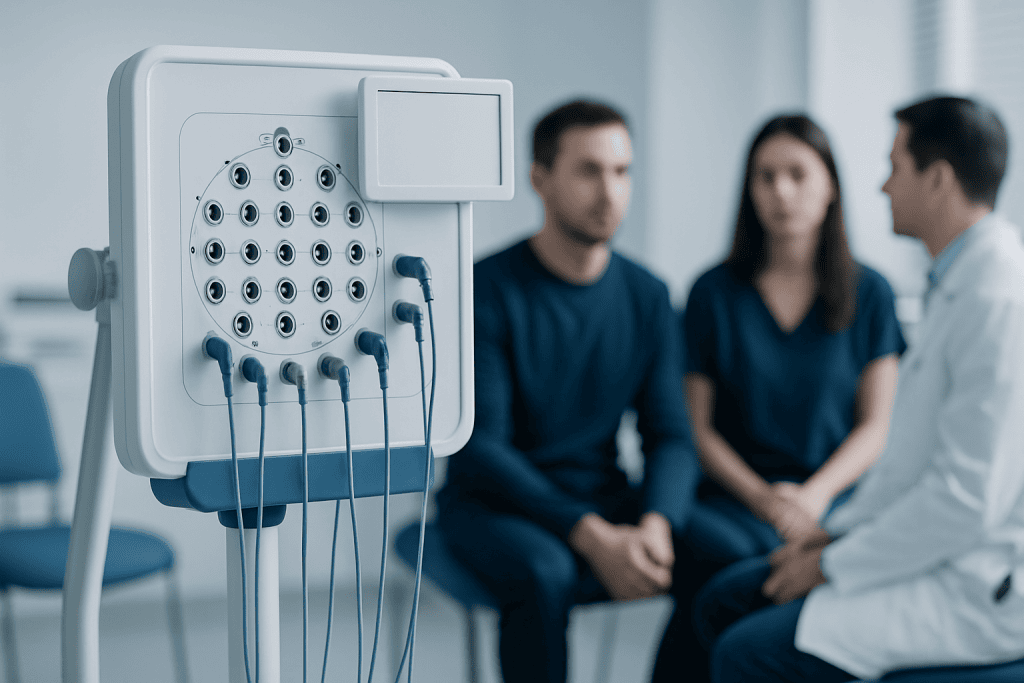
Symptoms of mental illness vary by condition, but some warning signs are common across many disorders. Emotional symptoms may include persistent sadness, excessive worry, irritability, sudden mood changes, feelings of hopelessness, or loss of interest in usual activities. Some people describe feeling emotionally numb, overwhelmed, or unable to enjoy things that once felt meaningful.
Changes in thinking can also be important. A person may have trouble concentrating, making decisions, remembering information, or controlling repetitive thoughts. Sleep problems, fatigue, changes in appetite, unexplained physical tension, and a drop in motivation may occur as well. Mental health conditions can affect the body, so symptoms are not always “just emotional.”
Behavioral signs may include withdrawing from social contact, neglecting responsibilities, avoiding places or situations, increased use of alcohol or other substances, or repeating behaviors to reduce anxiety. In children and adolescents, symptoms may sometimes appear as irritability, school difficulties, physical complaints, or behavioral changes rather than clearly expressed low mood or anxiety.
- Persistent sadness or emptiness
- Excessive fear, worry, or panic
- Marked changes in sleep, appetite, or energy
- Loss of interest in usual activities
- Problems with focus, memory, or daily functioning
- Thoughts of self-harm or suicide, which require urgent help
Types, Causes, and Risk Factors
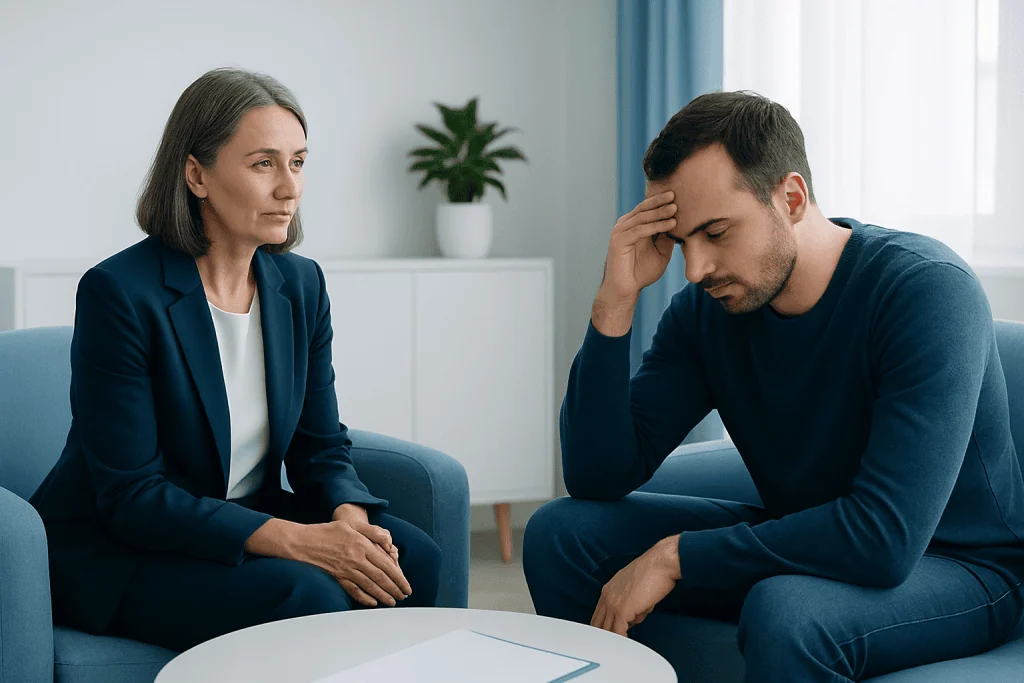
There is no single cause of mental illness. Most conditions develop through a combination of biological, psychological, and social factors. Genetics can play a role, as can brain chemistry, long-term stress, traumatic experiences, chronic medical conditions, substance use, sleep disruption, and major life changes. Mental illnesses are complex, and it is often not possible to point to one exact reason.
Among the most common conditions are depression, which often causes persistent low mood and loss of interest, and anxiety disorders, which can lead to excessive fear, physical tension, and avoidance. Other examples include bipolar disorder, in which mood shifts may alternate between depressive and elevated or unusually energized states; obsessive-compulsive disorder, which involves intrusive thoughts and repetitive behaviors; and trauma-related disorders such as PTSD.
Risk factors can include a family history of mental illness, previous trauma, social isolation, ongoing work or financial stress, serious illness, certain medications, and alcohol or drug misuse. Risk does not mean a person will definitely develop a condition, but it can increase vulnerability. Protective factors such as social support, regular sleep, healthy coping skills, and early treatment may reduce the impact of symptoms.
How Diagnosis Is Made
Mental health diagnosis begins with a careful clinical assessment. A doctor, psychiatrist, or psychologist usually asks about current symptoms, when they began, how often they happen, and how they affect daily life. The discussion may include mood, anxiety, sleep, energy, concentration, relationships, work or school functioning, and any history of trauma or substance use.
Diagnosis is not usually made from a single symptom. Clinicians look at the overall pattern, duration, severity, and effect on functioning. Standard screening questionnaires may be used to support the evaluation, but they do not replace a professional assessment. Family history and any past episodes of similar symptoms can also help guide diagnosis.
Sometimes physical health problems can mimic or worsen mental health symptoms. For that reason, a clinician may recommend a physical exam or laboratory tests to rule out issues such as thyroid disorders, vitamin deficiencies, neurological conditions, medication effects, or substance-related causes. In some cases, further evaluation may be needed if symptoms include confusion, severe sleep disturbance, psychosis, or major changes in behavior.
Treatment Options and First Steps
Treatment depends on the specific condition, symptom severity, personal preferences, and overall health. Many people benefit from psychotherapy, also called talk therapy. Approaches such as cognitive behavioral therapy can help a person understand thought patterns, manage symptoms, and build practical coping skills. Therapy may be individual, family-based, or group-based depending on the situation.
Medication may also be recommended, especially when symptoms are moderate to severe or have a strong impact on daily functioning. A doctor may discuss options such as psychiatric care and medication management when appropriate. Medicines can be helpful for depression, anxiety, bipolar disorder, and other conditions, but they should be prescribed and monitored by a qualified clinician.
First steps often include scheduling an appointment with a primary care doctor, psychiatrist, or psychologist; keeping a note of symptoms, sleep patterns, and stressors; and speaking honestly about how symptoms affect daily life. Some people may also benefit from structured support such as psychological counseling or, when substance use is part of the picture, addiction treatment. Treatment works best when it is individualized and reviewed over time.
Near the end of the care journey, some people need broader coordination between medical and mental health teams. Acibadem International’s multidisciplinary specialists and JCI-accredited hospitals diagnose and treat mental health conditions for international patients when specialist assessment is needed.
Self-care, Prevention, and Everyday Support
Not all mental illnesses can be prevented, but healthy habits can support resilience and help reduce symptom intensity. Regular sleep, balanced nutrition, physical activity, stress management, and limiting alcohol or recreational drug use all support mental well-being. Simple routines can be especially helpful during periods of stress, low mood, or anxiety.
Social support matters. Staying connected with trusted family members, friends, teachers, or colleagues can make it easier to notice changes early and ask for help. Some people find it useful to set small daily goals, reduce overload, take breaks from constant news or social media, and practice relaxation strategies such as breathing exercises or mindfulness.
Self-care is valuable, but it is not a substitute for professional treatment when symptoms are persistent or severe. If a person is finding it hard to cope, missing work or school, struggling in relationships, or feeling stuck despite lifestyle changes, a mental health assessment is a sensible next step.
When to See a Doctor Urgently
A doctor should be consulted if symptoms last more than a few weeks, keep returning, or interfere with daily activities. Early support can prevent symptoms from becoming more disruptive and can make treatment planning easier. It is especially important to seek help if anxiety, low mood, mood swings, or compulsive behaviors are affecting sleep, appetite, work, school, or personal safety.
Urgent medical attention is needed if a person has thoughts of self-harm or suicide, talks about wanting to die, becomes unable to care for themselves, experiences severe agitation, hears or sees things others do not, or appears disconnected from reality. These symptoms deserve immediate professional evaluation and should never be ignored.
If there is immediate danger, emergency services or the nearest emergency department should be contacted right away. Loved ones can play an important role by staying with the person, removing obvious means of self-harm if it is safe to do so, and helping them reach professional care promptly.
Frequently asked questions
What are the most common mental illnesses?
Common mental illnesses include depression, anxiety disorders, bipolar disorder, obsessive-compulsive disorder, trauma-related disorders, and some eating disorders. These conditions can vary widely in severity and symptoms, but all can affect daily functioning and quality of life.
How can someone tell the difference between stress and mental illness?
Stress is a normal response to challenges and often improves when the situation changes or coping strategies help. A mental illness is more likely when symptoms are persistent, intense, return repeatedly, or interfere with sleep, work, school, relationships, or self-care.
Can mental illness cause physical symptoms?
Yes. Mental health conditions can contribute to fatigue, headaches, stomach upset, muscle tension, appetite changes, sleep problems, and a racing heart. Because physical and mental symptoms can overlap, a medical evaluation is sometimes needed to rule out other causes.
Is a mental health diagnosis based on a blood test or brain scan?
Usually not. Most mental health diagnoses are made through a detailed clinical assessment that looks at symptoms, their duration, and their effect on daily life. Tests may be used to rule out medical conditions that can mimic mental health symptoms.
Do all mental illnesses require medication?
No. Some people improve with psychotherapy, lifestyle changes, stress management, and social support alone, especially when symptoms are mild to moderate. Others benefit from medication, particularly if symptoms are more severe, long-lasting, or strongly impairing.
When should someone seek immediate help?
Immediate help is needed if a person has suicidal thoughts, plans self-harm, becomes unable to care for themselves, or shows signs of psychosis such as hallucinations or severe confusion. In an emergency, they should contact emergency services or go to the nearest emergency department right away.
References
- World Health Organization
- National Institute of Mental Health
- American Psychiatric Association
- Centers for Disease Control and Prevention
- National Health Service
This article is for general information only and is not a substitute for professional medical advice. Please consult a qualified doctor about your individual situation.
Explore treatments in Turkey — costs, top hospitals & a free quote
JCI-accredited · board-certified surgeons · reply within 24h
Add us as a Preferred Source to see more of our trusted health content across Google Search, AI Overviews and Discover.

More from the Health Library


Related Specialists

Prof. Dr. Gül Esen İçten
Breast Clinic Clinical Service
Dr. Özlem Altay Yücel
Pediatrics
Dr. İdris Berke Ceylan
Emergency Service
Dr. Ferhat Oto
Internal Medicine