

At Acibadem, How We Explain Surgical Risks and Safety Checks Before You Travel

Surgical risks and safety checks before travel means understanding your personal risk, required tests, and travel timing before coming to Turkey.
Before you travel for treatment, you deserve a clear explanation of what could affect your safety, what checks are needed, and what decisions may change your timing. This guide explains how surgical risks and safety checks are typically discussed at Acibadem International so you can prepare calmly, ask the right questions, and travel with realistic expectations.
At a glance
- Best for: Patients planning surgery in Turkey who want to understand risk discussions before booking travel
- What you will learn: How risks are explained, which safety checks may be needed, and when plans may change
- Key point: Travel should usually be arranged only after your medical file has been reviewed and pre-operative needs are clear
- Who helps you: Your surgeon, anesthesiology team, nursing staff, and Acibadem International patient coordinators
- Common documents: Recent test results, medication list, medical reports, imaging, and a summary of past conditions or surgeries
Why risk and safety conversations matter before you book travel
When you are arranging treatment abroad, it is natural to focus on dates, flights, and accommodation. Just as important, though, is understanding whether the timing is medically appropriate for you. A good pre-travel discussion should help you understand not only the planned surgery, but also the factors that could increase risk, delay treatment, or change the plan after you arrive.
Surgical risk is not a single number and it is not the same for every person having the same operation. Your age, general health, previous surgeries, allergies, medications, heart or lung conditions, smoking status, body weight, infection history, and even recent illnesses can all affect how a team plans your care. This is why an experienced hospital does not simply confirm a procedure date without reviewing your health information carefully.
At Acibadem International, international patient planning usually involves coordination between medical teams and patient services before you travel. The goal is practical as well as medical: to reduce surprises, identify what records are missing, and make sure you understand what may still need to be checked in Istanbul before the operation can safely go ahead.
How your surgical risks are usually explained
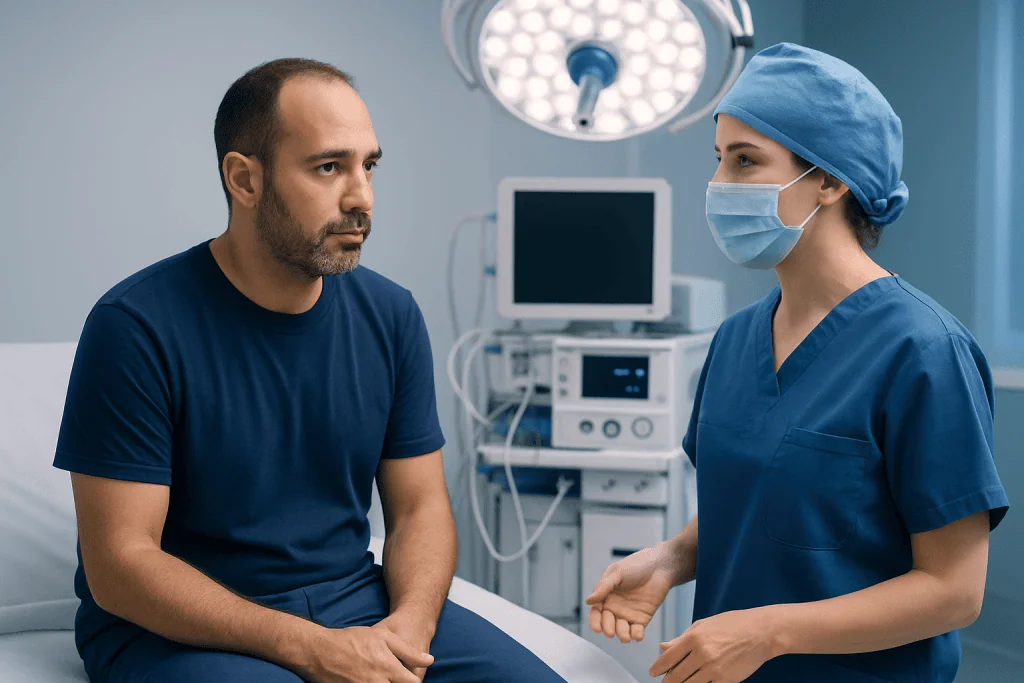
A clear risk explanation should feel personal, not generic. Rather than hearing only a standard list of possible complications, you should expect to hear which concerns are especially relevant in your case. For example, the team may explain whether your medical history makes bleeding, infection, anesthesia issues, blood clots, delayed healing, or a longer hospital stay more important to discuss.
You may also hear the difference between common side effects, uncommon complications, and rare but serious risks. This matters because patients often leave consultations remembering only one or two alarming terms, without understanding how likely they are or what the hospital does to reduce them. A useful conversation puts risks in context and explains the safety steps used to prevent, monitor, and manage problems if they occur.
It is also reasonable to ask what could change the plan. Sometimes surgery is confirmed as expected. In other cases, the surgeon may recommend further tests, optimization of a medical condition first, a modified procedure, a short delay, or occasionally avoiding surgery altogether if the risk appears too high. Good care includes being honest about those possibilities before you board a plane.
What safety checks may happen before and after you arrive

Safety checks begin with your records. Before travel, you may be asked to share imaging, blood tests, specialist reports, a medication list, and details of previous operations. Depending on your condition and the planned procedure, the team may also need information about implanted devices, allergies, sleep apnea, diabetes control, heart history, or any recent emergency care.
Once you arrive, additional checks are often still necessary. These may include repeat blood work, updated imaging, a physical examination, anesthesiology review, and confirmation that no new illness has developed since your file was first assessed. If you have a cough, fever, uncontrolled blood pressure, active infection, or a medication issue, the team may pause rather than proceed. That can feel inconvenient, but it is an important part of safe care.
Hospitals with structured safety systems also use process checks that patients do not always see. These can include identity verification, consent confirmation, medication reconciliation, surgical site confirmation where relevant, infection prevention steps, and multidisciplinary case review. At Acibadem International’s JCI-accredited hospitals, these layers of checking are part of helping reduce avoidable errors and keeping your care coordinated.
- File review before travel
- Pre-anesthesia assessment
- Updated tests after arrival if needed
- Medication and allergy review
- Final fitness confirmation before surgery
Questions you should ask before you finalize your trip
If you are trying to decide whether to travel now or wait, practical questions can make the decision easier. Ask whether your current records are enough for a meaningful medical review, whether any condition needs better control before surgery, and whether there is any reason your operation might be postponed after arrival. It is better to ask direct questions early than to assume everything is fixed.
You should also ask about anesthesia planning, expected length of stay, likely recovery restrictions, and whether you may need intensive monitoring, blood products, or specialist input because of your medical history. If you take blood thinners, insulin, immunosuppressants, or regular pain medication, ask exactly when those medicines should be reviewed and whether changes might be needed before travel.
For international patients, logistics are part of safety too. Ask when you should arrive before surgery, whether you should avoid flying soon after certain procedures, and how long you may need to stay in Turkey before you are fit to travel home. Acibadem International patient coordinators can help organize these practical details, but the timing should always follow medical advice rather than convenience alone.
What can delay surgery even after careful planning
Many patients worry that a delay means something has gone wrong with the hospital or that their case was misunderstood. In reality, delays often happen because medicine is dynamic. A test may show anemia, an infection, abnormal blood sugar, a heart rhythm issue, or another finding that deserves attention before an operation. Sometimes a recent long-haul flight, dehydration, or a new medication problem also changes the immediate plan.
Another common reason is that the in-person examination reveals something not fully visible in records sent from abroad. Imaging may need updating, the surgeon may want another specialty opinion, or the anesthesiology team may identify a reason for extra monitoring. These checks can be frustrating if you have already traveled, but they are intended to protect you rather than create unnecessary barriers.
If a change is recommended, ask three things: what the concern is, whether it is temporary or longer term, and what next step would make surgery safer. A reassuring team should be able to explain the reason in plain language and give you a practical path forward. Interpreters and international patient services can help make sure you fully understand these decisions.
How to prepare so your pre-travel review is as accurate as possible
The quality of your risk assessment depends heavily on the quality of the information you provide. Try to send recent reports rather than summaries from memory, and include the dates of all tests and scans. If a document is not in English, ask whether a translation is needed or whether the original plus a short summary will be acceptable for initial review.
Be especially thorough about medications, supplements, and previous reactions to anesthesia or antibiotics. Many patients remember prescriptions but forget herbal products, weight-loss injections, nicotine use, or over-the-counter pain medicines that may still matter for bleeding, healing, or anesthesia planning. It also helps to mention if you use CPAP, have dental implants or other devices, or have ever needed intensive care after a procedure.
At Acibadem International, your coordinator can help you understand what to send and how to prepare for the next step, but it is still wise to keep your own complete folder. Bring printed and digital copies, your passport, and contact details for your regular doctor at home in case clarification is needed. Good preparation makes the conversation more accurate, faster, and less stressful for you.
What reassurance should realistically look like
Reassurance does not mean being told that everything is risk-free. The most trustworthy reassurance usually sounds more balanced: your team has reviewed your information, identified the main concerns, put safety checks in place, and explained what would happen if something changes. That kind of honesty often helps patients feel calmer than vague promises do.
You should come away understanding the likely timeline, the main personal risks, what signs might lead to delay, and who to contact if your health changes before departure. If you develop fever, chest symptoms, new pain, vomiting, an infection, or any urgent medical problem before travel, tell the team immediately rather than hoping it will pass. Even a small update can affect anesthesia or surgical planning.
Acibadem International supports international patients not only with hospital care but also with interpreters and travel-related coordination, which can make these conversations easier to navigate. The most important goal is that you travel informed: knowing what has been reviewed, what still needs confirmation, and how the hospital will prioritize your safety from the moment planning begins.
Step by step
- Share your medical file early. Send recent reports, imaging, blood results, medication lists, and a summary of past procedures as early as possible. This gives the clinical team time to identify missing information and reduces the chance of avoidable surprises after you arrive.
- Ask for a personalized risk explanation. Request a discussion focused on your own health conditions, not just general surgical consent language. You should understand which risks matter most in your case and what the team does to reduce them.
- Clarify which checks must happen in Turkey. Some tests can be reviewed before travel, while others may need to be repeated or confirmed after arrival. Ask exactly which assessments are still pending so you can plan your schedule and expectations realistically.
- Review medications and recent health changes. Tell the team about prescriptions, supplements, injections, allergies, smoking or nicotine use, and any recent illness. Even a minor infection or medication issue can affect anesthesia, bleeding risk, or the timing of surgery.
- Plan travel around medical timing, not only convenience. Check how many days before surgery you should arrive and how long you may need to stay afterward. Return travel should be based on recovery and doctor clearance, especially after major procedures.
- Prepare for the possibility of a change in plan. Safe care sometimes means postponing, modifying, or even avoiding surgery if new information appears. Ask in advance what kinds of findings could change the plan and what the next step would be if that happens.
- Keep communication open until departure. If your condition changes before your flight, update the hospital right away. Early communication helps the team advise you properly and may prevent unnecessary travel if timing is no longer safe.
Your checklist
- Passport and travel documents
- Recent medical reports and imaging on paper and digital copy
- Complete medication and supplement list with doses
- List of allergies and past anesthesia reactions
- Contact details for your doctor at home
- Notes of your questions about risk, anesthesia, and recovery timing
- Comfortable plan for arrival before surgery, not at the last minute
- Travel insurance documents if applicable
Key takeaways
- Surgical risk should be explained in a way that is specific to your health, not only as a generic list.
- Pre-travel safety planning often includes record review, medication assessment, and anesthesia-related screening.
- Even after arrival in Turkey, repeat tests or a delay may be appropriate if new concerns appear.
- Practical travel decisions such as arrival date and return flight should follow medical guidance.
- Acibadem International combines hospital teams and international patient support to help make risk and safety discussions clearer.
Frequently asked questions
Should I book my flights before my medical review is complete?
It is usually wiser to wait until your records have been reviewed and you understand whether any extra tests or stabilization are needed. If you do book early for practical reasons, choose flexible travel options whenever possible.
Will the hospital be able to confirm surgery only from reports I send from home?
Sometimes the initial file is enough for a strong preliminary plan, but final confirmation may still depend on in-person assessment and updated tests after arrival. This is common and reflects safe practice rather than uncertainty alone.
What if I get sick shortly before traveling to Turkey?
Tell the hospital immediately if you develop fever, cough, vomiting, infection symptoms, chest pain, or any significant change in health. A short delay may be safer than proceeding with travel and anesthesia while unwell.
Why might surgery be postponed after I have already arrived?
A delay can happen if new test results show a concern, if your examination differs from the earlier records, or if anesthesia safety needs more evaluation. While frustrating, these decisions are usually made to reduce avoidable risk.
Who explains anesthesia-related risks to me?
The anesthesiology team typically reviews your medical history, medications, allergies, and previous anesthesia experiences. They may explain airway concerns, nausea risk, pain control, monitoring needs, and any reasons for extra caution in your case.
Can Acibadem International help with practical arrangements as well as medical planning?
Yes. International patient services can help coordinate communication, interpreters, and practical travel or accommodation planning, while the clinical teams focus on the medical review and safety decisions.
What documents are most important to bring with me?
Bring your passport, all recent reports, imaging discs or links if available, blood test results, and a detailed medication list. It is also helpful to carry notes on allergies, previous operations, and your home doctor's contact information.
Add us as a Preferred Source to see more of our trusted health content across Google Search, AI Overviews and Discover.

More Patient Guides

Need More Than One Specialist in Turkey? How Multidisciplinary Care Is Coordinated
Multidisciplinary care in Turkey means your specialists coordinate tests, opinions and treatment plans so you can move through care with fewer delays.
9 min read
How to Compare Hospitals in Turkey for Complex Treatment
Compare hospitals in Turkey for complex treatment by checking accreditation, specialist teams, ICU support, coordination, and follow-up.
9 min read
At Acibadem, What to Check Before Comparing Treatment in Turkey With Care at Home
Comparing treatment in Turkey with care at home starts with safety, records, follow-up, travel timing and total support in Istanbul.
9 min read