

Questions to Ask About Pain Control After Surgery in Turkey

Pain control after surgery in Turkey starts with the right questions. Ask about medication, side effects, mobility, sleep and follow-up before you travel.
Knowing what to ask about pain relief can make your recovery feel more predictable and less stressful. This guide helps you prepare practical questions about medication, movement, side effects, sleep and follow-up after surgery in Turkey.
At a glance
- Best time to ask: Before surgery and again before discharge
- What to clarify: Medication plan, side effects, mobility limits and when to call for help
- Why it matters: Good pain control supports walking, breathing, sleep and recovery
- Who can help: Your surgeon, ward nurses, anesthesiology team and international patient coordinator
- Useful to bring: Current medication list, allergies and questions written down
Why pain-control questions matter
After surgery, some discomfort is expected, but you should still understand how your pain will be managed and what level of pain is considered normal for your procedure. Asking clear questions in advance can help you feel calmer, reduce misunderstandings and make it easier to recover with confidence once you are back in your room, hotel or home country.
Pain control is not only about comfort. It can affect how well you sleep, how soon you can walk, how deeply you can breathe and whether you feel able to eat, drink and move safely. When you know the plan, you are better prepared to notice if something is improving as expected or if you need extra support.
If you are traveling for treatment, this preparation becomes even more important. You may be recovering in a hotel for several days before flying, and you may need to explain your medication plan to a companion or a doctor at home. At Acibadem International, patients often find it helpful to review pain-related instructions with both the care team and the international patient services team so nothing gets lost between discharge and travel arrangements.
What to ask before your surgery
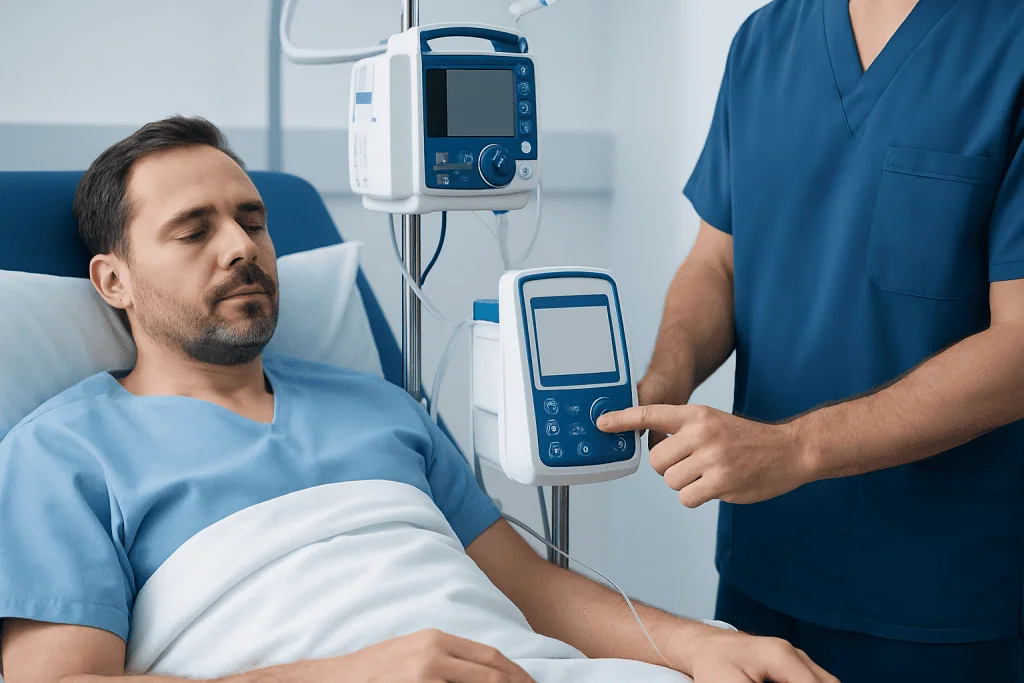
The best time to ask about pain control is before your procedure, when you can focus clearly and take notes. Start by asking what kind of pain is typical after your specific operation, where you are most likely to feel it and how long the stronger discomfort usually lasts. This helps you separate expected recovery symptoms from signs that should be checked.
You should also ask what types of pain relief may be used. Depending on your procedure, your team may use more than one method, such as tablets, injections or other hospital-based options during the early recovery period. Ask how your pain level will be assessed, how often medication can be adjusted and whether there is a goal to keep pain manageable enough for movement, sleep and breathing rather than to remove every sensation completely.
It is especially important to mention your current medicines, allergies, prior reactions to painkillers, stomach issues, kidney or liver conditions, sleep apnea, constipation problems and any history of nausea after anesthesia. If you are concerned about language barriers, ask whether instructions can be repeated in simple written English or reviewed with an interpreter. Acibadem International can help coordinate this so you leave with practical, understandable guidance.
Key questions about medication and side effects

Before discharge, ask exactly what medicines you will take, what each one is for and when you should take them. It is useful to know which medication is meant for regular use, which is only for stronger breakthrough pain and whether any over-the-counter medicines should be avoided because they can interfere with healing or interact with your prescription drugs.
Side effects are just as important as the medicine itself. Ask what is common, such as nausea, constipation, drowsiness or dizziness, and what can be done to reduce these effects. For example, you may be advised to take some medicines with food, drink more fluids if allowed, walk gently, or use a bowel routine if constipation is likely.
You should also ask what symptoms mean you should stop a medicine and contact the hospital urgently. Warning signs may include rash, breathing difficulty, severe vomiting, confusion, fainting or pain that suddenly becomes much worse instead of gradually improving. If you are flying home soon after surgery in Turkey, ask how to manage time-zone changes and whether your dosing schedule should be adjusted on travel days.
- What medicine am I taking regularly, and what is only for extra pain?
- What side effects should I expect, and which ones are urgent?
- Can I take this with my usual medicines or supplements?
- Should I avoid alcohol, driving or certain foods while using it?
Questions about movement, sleep and daily comfort
Pain management works best when it supports everyday recovery tasks. Ask how much discomfort is acceptable when you first stand, walk, cough or change position in bed. You should know whether moving is encouraged despite some pain, and whether there are safe techniques for getting out of bed, using stairs or protecting the surgical area while dressing or bathing.
Sleep is another common concern. Ask whether your pain medicine can be timed to help you rest at night and what you can do if pain wakes you up. Sometimes practical steps such as pillows for support, ice or heat only if approved, shorter walks during the day, or better timing of meals and medication can improve comfort significantly.
It also helps to ask about appetite, hydration and bowel habits. Pain medicine can make you feel less hungry or constipated, which can then make you feel worse overall. Knowing what is normal, what fluids and foods may help and when to report a problem can make the first days after surgery much easier to manage.
How to prepare for discharge and hotel recovery
Before leaving the hospital, ask for a clear written plan. You should know your medication schedule, activity limits, wound-care instructions, bathing advice, follow-up timing and the contact method to use if pain becomes difficult to manage. If you are recovering in a hotel or serviced apartment, ask what level of support you may need from a companion during the first 24 to 72 hours.
It is also wise to ask practical questions specific to travel recovery. For example, will you need extra pillows, help carrying luggage, a wheelchair at the airport, compression stockings, hydration reminders or a quiet room where you can rest? If your surgery affects mobility, ask when it is safe to take longer walks, ride in a car comfortably or manage stairs.
International patients often benefit from reviewing these details more than once. At Acibadem International, coordinators can help organize discharge communication, interpreter support and practical travel planning so your pain-control instructions are easier to follow outside the hospital setting. The goal is not just to hand you a prescription, but to make sure you understand how to use it safely while recovering in Turkey and after you return home.
When pain may mean you should get help sooner
Ask your team what pattern of pain is expected over the next few days and weeks. In many cases, pain should slowly become more manageable, even if it comes and goes with movement. You should understand which changes are reassuring and which ones need a call, especially if you are away from your usual doctor.
Examples of urgent concerns can include pain that suddenly escalates, pain combined with fever, worsening swelling, redness, unusual drainage, shortness of breath, chest pain, calf pain, persistent vomiting, inability to pass urine or medication side effects that make you too drowsy or confused. The exact red flags depend on your operation, so ask for personalized guidance rather than relying on general internet advice.
Also ask who to contact during the day, overnight and after discharge. Save the hospital number, your coordinator’s contact details and any instructions for emergency care if you are no longer near the hospital. If you are treated at a large international center such as Acibadem International, knowing which team handles routine questions and which situations require urgent assessment can save valuable time and reduce stress.
Step by step
- Write down your pain-control questions before surgery. Prepare a short list on your phone or on paper before admission. Include questions about expected pain, medication, side effects, movement, sleep and what to do if pain suddenly worsens.
- Share your full medication and health history. Tell your care team about prescriptions, supplements, allergies and previous reactions to pain medicine or anesthesia. This helps the team plan safer pain relief and avoid interactions or preventable side effects.
- Ask for a simple explanation of your pain plan. Before your procedure or soon after, ask how pain will be measured and what options may be used. You should understand what is given routinely, what is available if pain increases and what level of comfort the team is aiming for.
- Review your discharge medicines one by one. Before leaving hospital, ask what each medicine is for, when to take it and when to stop. Confirm whether it should be taken with food, whether it can cause sleepiness and whether you need anything to help prevent constipation or nausea.
- Check the plan for walking, sleeping and daily activities. Ask how pain should be managed around getting out of bed, showering, dressing and sleeping. Knowing when discomfort is expected versus when activity should stop can help you move more safely and confidently.
- Clarify who to contact after discharge. Save the correct phone numbers before you leave, including daytime and out-of-hours contacts. If you are an international patient, make sure you know whether to call the ward, your surgeon's office, your coordinator or emergency services.
- Review the plan again before your return trip. If you will travel soon after surgery, ask whether the pain plan changes on the flight day or across time zones. Confirm any advice on sitting, walking, hydration, luggage, airport assistance and what to do if symptoms change after you get home.
Your checklist
- List of your current medicines, vitamins and supplements
- Written note of any allergies or past side effects from pain medicine
- A phone note with your top 5 pain-control questions
- A companion who can listen to discharge instructions if possible
- Written medication schedule with doses and timing
- Hospital and coordinator contact numbers saved in your phone
- Any translation or interpreter support you may need
- Plan for hydration, light meals and constipation prevention if advised
Key takeaways
- Ask about pain control before surgery and repeat the conversation before discharge.
- Make sure you understand what medicine is regular, what is for extra pain and what side effects to watch for.
- Good pain control supports walking, breathing, sleep and safer recovery, not just comfort.
- If you are traveling, ask how your medication plan works in a hotel, at the airport and on the flight home.
- Keep written instructions and emergency contact details with you after leaving the hospital.
Frequently asked questions
Is pain after surgery in Turkey always expected?
Some pain or discomfort is common after most operations, but the intensity and duration vary by procedure and by person. The important point is that you should know what level of pain is expected for you and when pain is not following the expected recovery pattern.
What is the most important pain-control question to ask before discharge?
Ask exactly what medicines you should take, when to take them and when you should call if they are not working. This single conversation often prevents confusion once you are back in your hotel or traveling home.
Should I ask about side effects even if I have taken pain medicine before?
Yes, because your postoperative plan may include different medicines, combinations or dosing schedules than you have used in the past. Side effects like constipation, dizziness, nausea or drowsiness can affect mobility and safety during recovery and travel.
How can I manage pain if I am staying in a hotel after surgery?
Ask for a written schedule, keep water and light food available if allowed, and set alarms for your medication times. It also helps to prepare your room for easier movement, with essentials close by and support from a companion if needed during the first days.
What if I do not fully understand the pain instructions in English?
Ask the hospital to review the instructions again in simpler language and request interpreter support if needed. International patient departments, including the team at Acibadem International, can help make sure discharge instructions are understood clearly before you leave.
Can I fly while still taking pain medication?
Often yes, but you should confirm the timing and safety of your travel with your surgeon and care team. Ask about drowsiness, hydration, walking during the journey, carrying medicines in original packaging and any special instructions for your specific surgery.
When should I seek urgent help for pain after surgery?
Seek advice promptly if pain suddenly becomes much worse, if medication is not helping at all, or if pain comes with warning signs such as fever, breathing trouble, chest pain, confusion, heavy bleeding or unusual swelling. Your hospital should tell you exactly who to call and when to seek emergency care.
Add us as a Preferred Source to see more of our trusted health content across Google Search, AI Overviews and Discover.

More Patient Guides

What to Expect After Day Surgery in Turkey
What to expect after day surgery in Turkey: same-day discharge, recovery tips, travel timing, and follow-up planning in Istanbul.
9 min read
After Discharge in Turkey: How to Manage Wound Care, Medicines, and Rest
After discharge in Turkey, protect your wound, take medicines exactly as prescribed, rest well, and know when to contact your care team…
9 min read
After Surgery in Turkey: When Pain, Swelling, or Fever Means You Should Call the Hospital
After surgery in Turkey, call the hospital urgently for worsening pain, swelling, fever, bleeding, breathing trouble, or wound changes.
9 min read