

What to Expect on Procedure Day in Turkey

Procedure day in Turkey follows a structured hospital pathway: registration and identity checks, a final medical review, anaesthesia assessment where relevant, the treatment itself, then monitored recovery until you meet discharge criteria. Depending on the procedure, you go home the same day or stay one or more nights. Fasting rules, companion requirements and fit-to-fly timing all depend on your specific treatment and anaesthesia plan.
Wondering what time you will actually be called in, when you can eat again, or whether you can fly home the next day? These are the questions most people turn over the night before treatment. This guide walks you through what usually happens on procedure day in Turkey, from admission and final checks through to recovery and discharge, so the day itself holds fewer surprises.
It is written for international patients. That means it covers not only the medical sequence of the day, but also the practical layer around it: interpreters, companions, paperwork, transfers and the question of when it is sensible to travel again. It explains how the day is typically organised; it does not replace the specific instructions your own care team gives you, which always take priority.
At a glance
- What this covers: The hospital pathway on the day of a planned surgical, interventional or diagnostic procedure in Turkey
- Purpose: To help you prepare for admission, final checks, treatment, monitored recovery and discharge planning
- Anaesthesia: Depends on your treatment — local anaesthesia, sedation, regional anaesthesia or general anaesthesia
- Hospital stay: Ranges from same-day discharge to one or more nights, depending on the procedure and how you recover
- Recovery: Initial recovery begins the same day; the longer timeline depends entirely on the procedure performed
- Return to daily life: Varies by treatment, anaesthesia type and individual healing
- Final result timeline: Some results are apparent quickly; others develop over weeks or months
- Suitable department: The relevant surgical, medical or interventional specialty, supported by anaesthesiology and perioperative nursing
- International patient support: Interpreter assistance, airport–hotel–hospital transfers, accommodation guidance and remote follow-up coordination
What to expect on procedure day in Turkey
This guide describes the treatment-day experience rather than one specific operation. Whether you are coming to Turkey for surgery, endoscopy, an interventional radiology procedure or a diagnostic test under sedation, the day follows a structured pathway with the same broad checkpoints: confirmation of who you are and what is planned, a final readiness review, the procedure itself, and monitored recovery until the team is satisfied you are stable.
The honest summary of what to expect on procedure day in Turkey is this: more checking, more waiting and more repetition than most people anticipate. You will be asked your name, date of birth and planned procedure several times by different staff. That repetition is deliberate. It is how hospitals confirm the right patient is having the right procedure on the right site, and it happens whether your treatment is a minor day case or major surgery.
At Acibadem International, the medical side of the day runs alongside international patient services. In practice, that means interpretation, companion arrangements and discharge logistics are coordinated with the clinical team rather than left to you to piece together on the morning of treatment.
When is it recommended?
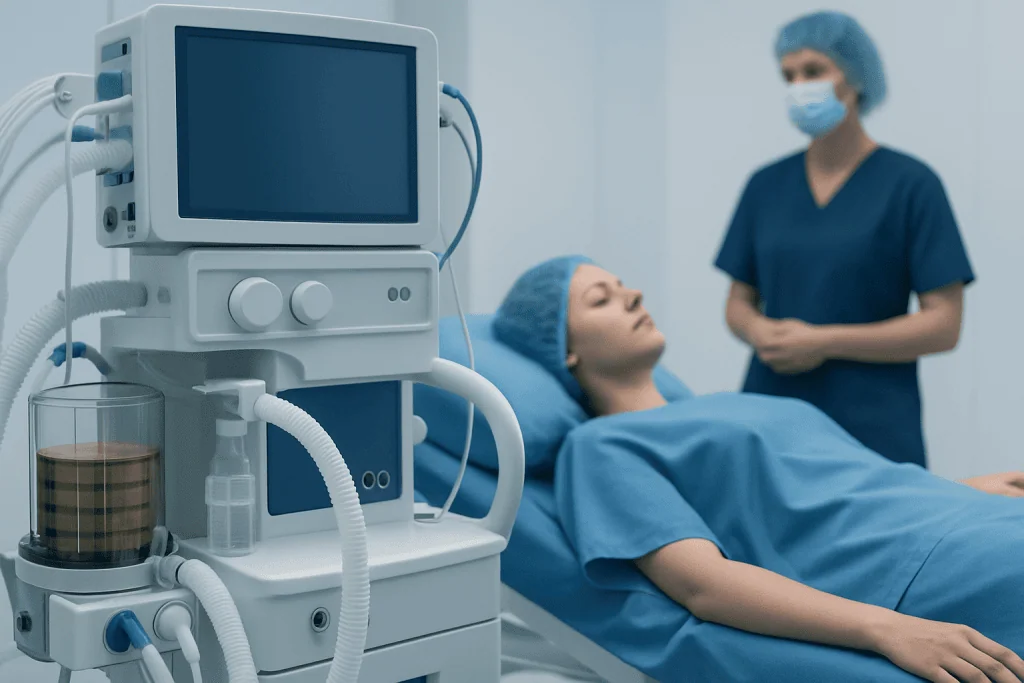
This guide is most useful once you have already decided on a treatment and want to understand the day itself. It is particularly relevant if you are travelling from abroad, having anaesthesia or sedation for the first time, staying in a hospital for the first time, or unsure about practical details such as fasting, paperwork, transfers or discharge timing.
It also helps if your plan includes steps that can only be completed on the day: final blood tests, imaging, an anaesthesiology review, marking of the treatment area, or confirmation of implants, devices or previous records. Knowing these checkpoints exist — and that they take time — tends to make the day feel less unpredictable. Many patients find the waiting easier once they understand what each pause is for.
If your procedure is minor, the day may be short and straightforward. If it is more complex, expect more preparation, more monitoring and a longer recovery period before discharge. Your physician’s instructions always take priority, because timing and requirements depend on your specific treatment, health history and anaesthesia plan.
Who is a good candidate?

This guide suits adults and families preparing for an elective procedure in Turkey, whether that means a same-day treatment or planned inpatient care. It is written for people who want a practical overview rather than technical detail, and who want to know what documents, medication information and travel arrangements should be ready before the day begins.
It is especially relevant if you live with conditions such as diabetes, high blood pressure, thyroid disease or asthma, have had previous surgery or anaesthesia reactions, or take blood thinners or other long-term medicines. None of these necessarily prevents treatment, but each can change how your day is organised and what precautions the team builds in. Decisions about continuing, pausing or adjusting any medicine belong to your treating doctor, which is one reason a complete medication list matters so much.
You may need more individualised planning if you are or might be pregnant, have a pacemaker or other implanted device, have mobility limitations, need wheelchair access, have communication needs, or are travelling with a child or dependent adult. In these situations, planning that begins well before travel allows the right support to be arranged rather than improvised on the day.
The main pathways your day can follow
The structure of your day depends on the type of treatment. Some procedures are performed under local anaesthesia in a treatment room or day-case unit, followed by a short observation period. Others require sedation, regional anaesthesia or general anaesthesia in an operating theatre or intervention suite, with closer monitoring afterwards. Broadly, your procedure will fall into one of these pathways:
- Day-case procedures: treatment and discharge on the same day if recovery goes smoothly. Our guide to day surgery in Turkey covers this pathway in detail.
- Overnight procedures: one night of monitoring for pain control, mobility, fluids, drains or early post-treatment checks.
- Inpatient procedures: a longer stay when the treatment is more complex or your medical condition requires extended observation.
- Diagnostic or interventional procedures: tests or treatments that may involve contrast agents, endoscopy, biopsy or catheter-based techniques.
For an international patient, the pathway matters beyond the medical detail. A local-anaesthesia treatment may allow a short stay in Turkey; a procedure under general anaesthesia usually means extra days in the country for review before return travel. It is also worth knowing that pathways can shift on the day — a planned day case occasionally becomes an overnight stay if the team wants more observation. Being ready for that possibility, as described in our guide on unexpected overnight stays, removes one common source of stress.
Online evaluation before travel
Before you come to Turkey, a remote review usually helps the medical team understand your condition and confirm the planned treatment looks suitable. You may be asked for your medical history, current symptoms, medication list, previous operation details, photographs, imaging or test results, depending on the procedure. This preliminary review supports safe planning, but it does not replace in-person assessment, and a plan can change after the face-to-face consultation if examination findings differ from the documents provided remotely.
During this stage, coordinators typically also ask practical questions: age, general health, allergies, smoking status, chronic conditions and previous anaesthesia experience. If anything needs clarification, additional tests may be recommended before travel or on arrival.
The night before and the morning of
Your care team gives you specific instructions before procedure day, and following them closely is one of the most important things you control. You may be told when to stop eating and drinking, what your doctor has decided about your regular medicines, what time to arrive, and whether a companion is required after sedation or anaesthesia. If any instruction is unclear, ask before the day rather than guessing. A misunderstood fasting time is one of the most common reasons a procedure is delayed.
Keep your passport, reports, test results and medication list together in one place. Wear comfortable clothing, leave valuables behind where possible, and remove nail polish, contact lenses, jewellery and metal accessories if advised. If your treatment involves the face, eyes or skin, you may be asked to arrive without makeup, creams or lotions. Our separate checklist on what to bring for a day procedure goes item by item.
Changes in the days before arrival — a fever, a new cough or infection, chest symptoms, possible pregnancy, unusual bleeding, or a change in your medicines — can affect the timing or safety of a procedure. Occasionally treatment is postponed to protect your health; disappointing as that is after an international journey, it is sometimes the safest decision available.
Arrival, admission and final checks
The day usually begins with registration, identity checks and written confirmation of the planned procedure. A nurse records your blood pressure, pulse, oxygen level and temperature, and reviews your fasting status, allergies and medications. If final blood tests, imaging or a last specialist examination are needed, they happen now — which is why arrival times are set well before the treatment itself.
If anaesthesia or sedation is planned, the anaesthesiology team meets you to explain the approach, the expected recovery and common short-term effects such as drowsiness, sore throat, nausea or dizziness. An intravenous line may be placed for fluids or medication. In surgical cases, the doctor may mark the treatment area and ask you to confirm the procedure again — part of the same routine safety discipline, not a sign of confusion.
Inside the treatment area, a structured checklist is completed before anything begins: right patient, right procedure, right site, plus equipment, imaging and any special precautions. During treatment, your heart rate, blood pressure, breathing and oxygen levels are monitored as appropriate to the anaesthesia used.
Recovery room, hospital stay and discharge
After treatment, you move to a recovery area where nurses continue observation until you are awake enough, comfortable enough and stable enough for the next stage. What “next stage” means varies: a day-case unit chair, a regular room, or — for complex surgery — a higher-observation area. Before discharge, the team generally checks pain control, nausea, wound care needs, oral intake, urination where relevant, walking ability where appropriate, and any drains, dressings or medicines you will need. Pain management is planned rather than improvised; our guide on pain control after surgery in Turkey explains how that works.
Discharge does not mean you are ready for sightseeing, shopping or a flight. It means your doctors consider you medically stable enough to continue recovering outside the hospital, with the right instructions and support. After sedation or general anaesthesia, you may feel tired, mentally slower or unsteady for a period, which is why a responsible companion is often required rather than merely suggested.
Before you leave, you should receive written or clearly explained instructions covering medications, bathing, eating, activity limits, dressing changes, the warning signs specific to your procedure, and follow-up timing. Read them while an interpreter is still available and ask about anything unclear then, rather than trying to reconstruct the details from memory at your hotel. This document is the single most useful thing you take home from procedure day.
Recovery timeline
Recovery depends on the treatment, the anaesthesia used and your general health. The outline below is a general framework for the treatment day and early healing period — your own timeline may be shorter or longer, and your physician’s advice always overrides it.
| Timeframe | What to expect |
|---|---|
| First 24 hours | Admission, treatment, monitored recovery and early symptom control. You may feel sleepy, thirsty, sore or mildly nauseated depending on the procedure and anaesthesia. |
| First week | Rest, prescribed medications, wound or dressing care if needed, and a gradual return to basic activities. A follow-up review is often scheduled in this window, especially before travel. |
| Weeks 2–4 | Energy and comfort often improve, but swelling, bruising, tenderness or temporary functional limits may persist depending on the procedure. Activity restrictions may still apply. |
| Months 1–3 | Healing continues beneath the surface. Many patients feel increasingly normal, while internal recovery, scar maturation or tissue settling is still ongoing. |
| Final result | The final outcome depends on the treatment and may take days, weeks or months to assess properly. Some procedures need staged follow-up before the result can be judged. |
It is natural to want a precise timeline when you are booking flights and time off work. Recovery is individual, though, and even a routine treatment feels different from one patient to another. Building flexibility into your travel plan is usually wiser than booking the earliest possible return. If you are having a same-day treatment, our guide on what to expect after day surgery in Turkey covers the first days in more detail.
What to avoid after treatment
Specific restrictions depend on your treatment, but some general rules apply widely. After sedation or general anaesthesia, driving, signing important documents, drinking alcohol and making major decisions are usually off the table until your medical team confirms you are fully fit. Pushing through pain, dizziness or unusual symptoms because you are eager to continue your trip is a poor trade.
Decisions about restarting paused medicines, supplements or blood-thinning agents belong to your treating doctor — some over-the-counter pain relievers, herbal products and vitamins can increase bleeding risk if taken too soon, which is why the timing is a medical decision rather than a personal one. If you are unsure about any product, that is a question for the team, not the pharmacy shelf.
Depending on the procedure, restrictions may also cover heavy lifting, intense exercise, swimming, smoking, sexual activity, long walks, sun exposure or pressure on the treated area. Flying soon after certain operations may be discouraged. Your discharge instructions are the authoritative version, because they are based on your exact treatment and how you actually recovered.
Risks and possible complications
All medical procedures, including minor ones, carry some risk. Common short-term issues include pain, swelling, bruising, tiredness, nausea, constipation, bleeding, temporary numbness or a slower-than-expected recovery. Risks vary widely with the procedure, the area treated, your general health and the anaesthesia used.
More significant complications can include infection, unexpected bleeding, wound problems, medication reactions, blood clots, anaesthesia-related issues, injury to nearby structures, or the need for unplanned observation or additional treatment. Each procedure also carries its own specific risks, which belong in the consent discussion with your physician — that conversation, not a general guide, is where your personal risk picture is explained.
Careful preparation reduces risk but cannot remove it. That is precisely why hospitals use checklists, monitoring protocols and discharge criteria rather than relying on routine going well. It is also why plans sometimes change on the day; our guide on unexpected test or treatment changes explains how to stay prepared for that.
Results and expectations
The main result of a well-organised procedure day is the safe completion of your treatment and a clear plan for the next stage. Some results are noticeable quickly; others take time. Swelling, fatigue and tissue healing can delay the final picture even when the day itself went entirely to plan.
It helps to separate the treatment-day outcome from the final treatment result. You can do very well on the day and still need weeks or months — sometimes with pathology results, rehabilitation, further imaging or staged follow-up — before the overall benefit can be judged. No responsible hospital promises an identical experience for every patient or a perfect result. Your doctors can explain what is typically expected for your procedure, what may take longer than hoped, and how that expectation is communicated in practice.
Travel planning and fitness to fly
For international patients, part of what to expect on procedure day in Turkey is decided before the flight out. Know your admission time, fasting instructions, hospital location, whether a companion is required, and how many days you may need to remain in the country afterwards. Booking a return flight too tightly creates pressure if recovery is slower than expected or the doctor wants one more review.
Bring your passport, reports, scans and medication list in your hand luggage, along with items you rely on daily — glasses, hearing aids, mobility supports or CPAP equipment if advised. Fitness to fly is a medical judgement, not a calendar entry: it depends on the procedure, the anaesthesia, your mobility, bleeding risk and how the first days of recovery actually go. For some treatments the gap between discharge and safe flying is short; for others it stretches across additional review appointments. Your team can only give a firm answer once they have seen how you recover.
Cost: what the price of a procedure day depends on
There is no meaningful single “average cost of surgery in Turkey”, because quotations are built from the specifics of each case: the complexity of the treatment, whether it is a day case or inpatient procedure, the specialty involved, the type of anaesthesia, any implants or special materials, the length of hospital stay, and whether extra tests or consultations are needed before or after treatment. A local-anaesthesia treatment is priced and organised very differently from a procedure needing an operating theatre, anaesthesiology support and overnight monitoring.
For international patients, package content matters as much as the headline quotation. Depending on the plan, a package may include hospital admission, the physician’s fee, standard nursing care, anaesthesia where applicable, routine in-hospital medicines, basic tests and the first control visit. Some packages also coordinate interpretation and transfers — but every inclusion should be confirmed in writing.
Items not always included: additional hospital nights, extra imaging, pathology, treatment of unexpected complications, special implants or consumables, outside consultations, pharmacy costs after discharge, companion expenses, accommodation and flights. The sound approach is to ask for a written explanation of what is included, what is excluded, and what could reasonably change after the in-person evaluation — and to treat any quotation as provisional until that evaluation has happened.
Why choose Acibadem
For an international patient, procedure day is a coordination challenge as much as a medical event. Acibadem International brings the specialist team, anaesthesiology support where needed, perioperative nursing and international patient services together within one hospital system, so the medical pathway and the practical layer — interpretation, transfers, discharge logistics, follow-up communication — run side by side rather than in parallel silos.
In practical terms, that means structured attention to patient identification, safety checks, monitoring protocols and discharge planning, alongside consultant-led specialty care. It also means non-clinical support at the moments it matters: an interpreter present when discharge instructions are explained, help understanding follow-up timing, and coordination if plans change. The right hospital choice always depends on your treatment needs, but many international patients value a system where medical care and practical support are deliberately linked.
Medical review and disclaimer
This guide has been medically reviewed by the Acibadem International medical team. It is intended to give you general information about what to expect on procedure day in Turkey and how to prepare for a well-organised experience as an international patient.
It does not replace a personal consultation, physical examination, review of your medical records or direct advice from your physician and anaesthesiology team. Every procedure is different, and details such as fasting, anaesthesia choice, hospital stay, discharge timing and travel clearance depend on your diagnosis, treatment plan and general health.
Your suitability for any treatment, and for travel around the time of that treatment, can only be confirmed after physician evaluation. If there is any difference between this guide and the instructions given by your own care team, follow your medical team’s advice.
Step by step
- Initial contact. The process begins when a patient shares a treatment request, symptoms or a planned procedure, and the international patient team explains the next steps.
- Medical record / photo submission. Relevant reports, scans, photographs where appropriate, medication information and medical history are shared for preliminary review.
- Preliminary medical review. The relevant department assesses whether the planned treatment appears suitable and what additional details may be needed.
- Treatment plan and quotation. A preliminary plan outlines the expected procedure pathway, likely hospital stay and what the quotation includes.
- Travel planning. Admission timing, fasting instructions, companion needs, recommended length of stay and transfer or accommodation support are arranged.
- Arrival. After arriving in Turkey, the patient is guided through hospital access, with interpreter and transfer support if needed.
- In-person consultation. The doctor examines the patient, confirms the diagnosis and procedure plan, explains benefits and risks, and answers final questions.
- Pre-operative tests. Blood tests, imaging, ECG, anaesthesiology review or other checks confirm that it is safe to proceed.
- Treatment. On procedure day, identity and safety checks are completed, the planned treatment is performed, and the patient is monitored in recovery.
- Hospital stay. Depending on the procedure, recovery continues in a day-case unit, regular room or higher-observation area until the team considers the patient stable.
- First control. The doctor or nurse reviews early recovery, pain control, wound status, test results or mobility before discharge planning.
- Discharge / travel clearance. Written instructions cover medication, activity, procedure-specific warning signs, follow-up and when it is safe to travel or fly.
- Remote follow-up. After leaving Turkey, progress may be reviewed through messages, reports, photographs or scheduled remote updates.
Your checklist
- Passport or other travel identification
- Full medical history, including chronic conditions
- Current medication list, including supplements and blood thinners
- Known drug, food, latex or contrast allergies
- Details of previous surgeries or anaesthesia reactions
- Description of your current symptoms and when they started
- Relevant blood tests, imaging, pathology or procedure reports
- Referral letters or doctor notes if available
- Photos or imaging files where relevant to the treatment
- Emergency contact and companion details
- Insurance information if applicable
- List of questions you want to ask during consultation
Key takeaways
- Procedure day typically includes identity checks, consent review, a final medical assessment and preparation before treatment begins.
- Fasting rules, medication decisions and companion requirements depend on the procedure and anaesthesia plan, and are set by your care team.
- Same-day discharge is possible for some treatments; others require overnight observation or a longer stay, and plans can change on the day.
- Discharge means medically stable, not fully recovered — travelling alone straight after sedation or general anaesthesia is generally not planned for.
- Written discharge instructions are the authoritative guide to medicines, activity limits and follow-up; read them while an interpreter is available.
Frequently asked questions
Is it safe to go to Turkey for medical procedures?
Turkey has a large hospital sector that treats many international patients each year, but safety is never a property of a country — it depends on the individual hospital, the team, the suitability of the treatment for you, and how carefully the day is prepared. Structured safety checks, anaesthesiology review, monitoring protocols and clear discharge criteria are the things worth asking any hospital about, wherever it is located.
What are the most popular medical procedures in Turkey?
International patients commonly travel to Turkey for dental treatment, eye surgery, aesthetic and plastic surgery, hair restoration, orthopaedic procedures, cardiac and interventional treatments, fertility care and planned general surgery. Whatever the specialty, the procedure-day pathway described in this guide — admission, final checks, treatment, monitored recovery and structured discharge — follows the same broad shape.
What is the average cost of surgery in Turkey?
There is no reliable single average, and any figure quoted without knowing your case is guesswork. Quotations are built from the procedure’s complexity, the anaesthesia required, implants or materials, the length of hospital stay and any extra tests or consultations. The useful questions are what a package includes, what it excludes, and what could change after the in-person evaluation — all confirmed in writing.
Do I need to fast before my procedure?
Many procedures require fasting, particularly when sedation or general anaesthesia is planned, but the exact timing varies by treatment and by patient. Follow the specific instructions given by your own care team rather than general advice, because a misjudged fasting time is a common reason procedures are delayed on the day.
Can I travel alone for a procedure in Turkey?
Some patients do, particularly for minor treatments under local anaesthesia. For sedation, general anaesthesia or more involved procedures, a companion is often required rather than optional, because you may be drowsy, unsteady or mentally slower for a period after discharge. Your team will tell you in advance whether a companion is part of the plan.
How long do I need to stay in Turkey after the procedure?
It depends on the treatment, how you recover and whether a follow-up review is needed before flying. Some day-case procedures allow a short stay; more complex treatments require additional days for monitoring, dressing changes or imaging before travel clearance. Build flexibility into your return booking rather than choosing the earliest possible flight.
Will I be awake during the procedure?
That depends on the treatment. Some procedures are performed under local anaesthesia with you awake, others use sedation, regional anaesthesia or general anaesthesia. The anaesthesiology team explains which approach is planned for you, what it will feel like, and what the common short-term effects are.
Is it safe to fly soon after a procedure?
Sometimes yes, sometimes no. It depends on the procedure, the anaesthesia used, your mobility, bleeding risk and how the first days of recovery actually go. Fitness to fly is an individual medical judgement made after your doctor has reviewed you, not something that can be assumed from the calendar.
Add us as a Preferred Source to see more of our trusted health content across Google Search, AI Overviews and Discover.

Update history
- PublishedJune 22, 2026
- Medical review approvedAugust 31, 2026
- Last content updateAugust 31, 2026
References3
More Patient Guides
HoLEP in Turkey: How It Compares With TURP and What Recovery Involves
HoLEP in Turkey treats enlarged prostate tissue with laser enucleation; learn how it compares with TURP, recovery, travel and follow-up.
13 min read
Porcelain Veneers in Turkey: Who Is Suitable and How Many Visits Are Needed?
Porcelain veneers in Turkey can enhance tooth shape and colour in two visits for suitable patients after a personalised dental assessment.
14 min read
How to Prepare for a Sedation Procedure in Turkey
Prepare safely for a sedation procedure in Turkey with guidance on fasting, medicines, travel, recovery and follow-up.
12 min read
Treatment Delays in Turkey: What Happens If Tests or Recovery Change Your Schedule
Treatment delays in Turkey can happen if tests or recovery change your plan. Learn how to manage appointments, travel, accommodation and follow-up.
8 min read