

How to Pack for Surgery in Turkey: A Practical Patient Checklist

How to pack for surgery in Turkey: bring documents, medicines, comfort items, and recovery basics for a smoother stay in Istanbul or Turkey.
Packing for surgery abroad is easier when you focus on documents, medications, comfort, and recovery essentials. This guide helps you prepare for your trip to Turkey with a practical checklist so you can feel organized before you leave home.
At a glance
- Best for: Patients traveling to Turkey for a planned procedure
- Main focus: Documents, medicines, clothing, devices, and recovery comfort
- What not to forget: Passport, medical records, prescription medicines, chargers, and loose clothing
- Packing style: Light, organized, and easy to manage after surgery
- Helpful support: Interpreter, transport, and accommodation coordination through international patient services
Start with the essentials, not the suitcase
When you are preparing for surgery in another country, packing can feel more stressful than it should. The easiest approach is to think in categories: travel documents, medical information, daily medicines, hospital clothing, personal comfort, and your return journey. If you organize those first, the rest becomes much simpler.
Your goal is not to pack for every possibility. It is to make the first few days before and after surgery smooth and manageable, especially when you may feel tired, sore, or less mobile. Choose items that are easy to carry, easy to find, and easy to use without much effort.
If you are traveling to Acibadem International, your care team or international patient coordinator can help you confirm what you should bring for your specific treatment plan. That can be especially useful if you are unsure whether you need printed records, imaging discs, or any special garments for your hospital stay.
Keep your documents and medical information together
Your documents are the most important part of your packing list. Keep them in one folder or zip pouch that stays with you in your hand luggage, not in checked baggage. This should include your passport, flight details, accommodation information, hospital appointment confirmations, insurance details if relevant, and emergency contact information.
You should also bring your core medical paperwork. Useful items often include recent test results, imaging reports, scans on disc or USB if requested, referral letters, a summary of your diagnosis, and a written list of your current medications and allergies. If any records are not in English, ask in advance whether translation is needed.
It also helps to carry a short personal medical summary. Include your full name, date of birth, health conditions, previous surgeries, current medicines, dosage schedule, and your doctor’s contact details at home. International patient teams at hospitals such as Acibadem International can often guide you on which records are most helpful before you travel.
- Passport and copies of identification
- Hospital booking confirmation and contact numbers
- Medication list and allergy list
- Test reports, imaging, and referral documents
- Insurance or payment paperwork, if applicable
Pack medicines carefully and safely
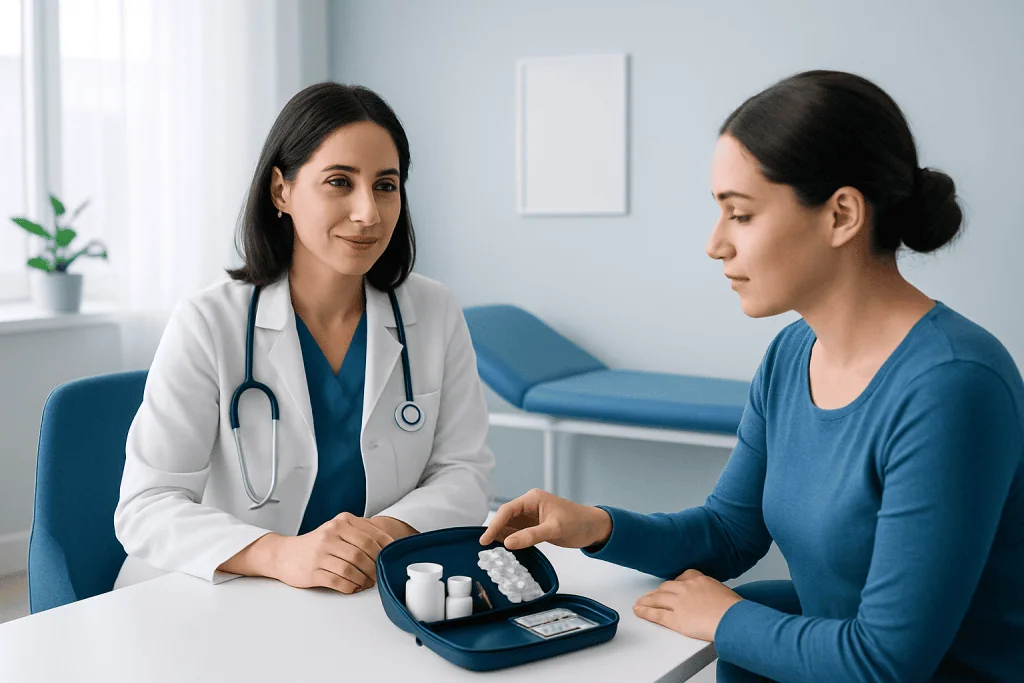
Bring enough of your regular prescription medicines for your travel days, hospital stay, and a small extra buffer in case of delays. Keep all medicines in their original labeled packaging and place them in your cabin bag. This helps with airport security, customs questions, and medication safety once you arrive.
Do not assume every medicine or brand from home will be easy to replace abroad at short notice. If you use inhalers, insulin, blood pressure tablets, eye drops, or any daily medicine, bring what you need and a written prescription or medication note from your doctor if possible. You should also tell your surgical team in advance about every medicine, supplement, herbal product, and over-the-counter remedy you take.
Some medicines may need to be paused or adjusted before surgery, especially blood thinners, diabetes medications, and certain supplements. Never make changes on your own while packing. Confirm the plan with your treating team before travel so you know exactly what to bring, what to stop, and what to take on the morning of surgery.
Choose clothing for comfort, mobility, and discharge day
After surgery, comfortable clothing matters more than quantity. Pack loose, soft items that are easy to put on and take off without stretching, bending, or lifting your arms too much. Think front-opening tops, elastic waist trousers, a light robe or cardigan, underwear, and slip-on shoes with good grip.
Your hospital may provide gowns and basic necessities during your stay, but it is still helpful to have one or two familiar outfits for walking, discharge, and travel back to your hotel. If your procedure involves the abdomen, chest, limbs, or face, avoid anything tight, heavy, or awkward to remove. The right clothing can make dressing much less tiring.
For your return trip, choose an outfit that will still feel comfortable if you have swelling, dressings, or movement restrictions. A small pillow, light scarf, or compression item should only be packed if your care team has specifically advised it. If Acibadem International has given you pre-admission instructions, follow those first over any general packing advice.
Bring the small items that make recovery easier
Many patients focus on hospital items and forget the practical comforts that make the days after surgery easier. Pack your phone charger, power bank, glasses, hearing aids, and any cases or spare batteries you need. Add basic toiletries in travel size, lip balm, tissues, hand sanitizer, and a small notebook or notes app for instructions and questions.
If you are staying in Turkey for several days after your procedure, recovery-friendly items can be very useful. Consider a refillable water bottle if allowed, unscented moisturizer, dry shampoo, a neck pillow, earplugs, and a sleep mask. These are not essential for everyone, but they can help you rest better in the hospital or hotel.
Try not to overpack valuables. Expensive jewelry, large amounts of cash, and nonessential electronics are best left at home. Bring only what you are comfortable managing while tired. A lighter, simpler bag is easier for you and for any companion helping you move between the airport, hospital, and accommodation.
Plan for language, logistics, and your companion
Packing for surgery in Turkey is not only about what goes in your bag. It is also about making sure key information is easy to access when you need it. Save the hospital address, your coordinator’s phone number, your driver’s details if arranged, and your accommodation address in both your phone and on paper in case your battery runs low.
If you do not speak Turkish, keep a simple list of important words or needs on your phone, although many international hospitals provide support in English and other languages. Acibadem International, for example, supports international patients with coordinators, interpreters, and practical travel assistance, which can reduce stress before admission and after discharge.
If someone is traveling with you, pack with them in mind too. Your companion may need copies of your schedule, hospital contact details, and room for a few shared essentials such as chargers or paperwork. It is also smart to agree in advance who will carry documents, who will manage medicines, and how you will handle transport on the day of surgery.
What to leave out and how to pack smart
One of the most useful packing decisions is knowing what not to bring. Avoid large suitcases if your stay is short, unnecessary formal clothing, and anything difficult to carry after treatment. You may not want to lift heavy bags after surgery, so choose a small wheeled suitcase and a lightweight personal bag for essentials.
Pack in layers or pouches so you can find things quickly. Keep documents in one section, medicines in another, and post-surgery comfort items where they are easy to reach. Put the items you may need immediately after the procedure, such as loose clothes, phone charger, glasses, and instructions, at the top of your bag.
Before leaving home, do one final check against the hospital’s instructions. Confirm fasting rules, medication timing, arrival time, and whether you need to remove nail polish, contact lenses, or jewelry. A little preparation before you fly to Turkey can save a lot of stress once you arrive.
Step by step
- Confirm your hospital instructions first. Before you pack, review the written guidance from your hospital or coordinator. Check arrival time, fasting instructions, medication rules, and whether any medical records or imaging need to be brought in person.
- Create one travel-and-medical folder. Put your passport, booking confirmations, medical reports, medication list, and emergency contacts in one clearly labeled folder. Keep this in your hand luggage so it stays with you throughout the trip.
- Separate medicines into a cabin-bag kit. Pack your daily prescription medicines in original packaging, along with a written list of dosages and timing. Add a small backup supply in case of travel delays, but only bring medicines you have already discussed with your clinical team.
- Choose recovery-friendly clothing. Pick loose, soft, easy-on clothing for the hospital, discharge, and return travel. Slip-on shoes and front-opening tops are often more practical than fitted clothing after surgery.
- Pack a comfort pouch for the first 48 hours. Include your charger, lip balm, glasses, tissues, toiletries, and any small items that help you rest. Keep this pouch near the top of your bag so it is easy to reach when you feel tired.
- Prepare your phone and paper backups. Save key addresses, contact numbers, and appointment times on your phone before departure. Print or write down the most important details as a backup in case you have connectivity or battery issues.
- Repack for the journey home. Before discharge, reorganize your bag so medicines, instructions, and travel documents are easy to access. This makes the trip from hospital to hotel or airport much less stressful, especially if you are moving slowly.
Your checklist
- Passport, ID copies, and flight details
- Hospital confirmations and accommodation information
- Recent medical records, scans, and test reports if requested
- Prescription medicines in original packaging
- Written list of medications, allergies, and health conditions
- Loose clothing, underwear, and slip-on shoes
- Phone, charger, adapter, and power bank
- Basic toiletries, glasses, and hearing aid supplies if needed
- Emergency contact list and coordinator phone number
Key takeaways
- Pack around documents, medicines, comfort, and recovery rather than bringing too much.
- Keep all important medical records and prescription medicines in your cabin bag.
- Choose loose, easy-to-wear clothing that supports comfort after surgery.
- Save hospital, hotel, and transport details on your phone and on paper.
- Follow your hospital's specific pre-surgery instructions over any general checklist.
Frequently asked questions
What documents should you bring for surgery in Turkey?
You should bring your passport, appointment confirmations, accommodation details, and any insurance or payment paperwork relevant to your case. It is also wise to carry medical reports, imaging, a medication list, and a written summary of allergies and health conditions.
Should you pack medicines in checked luggage or hand luggage?
Keep your regular medicines in your hand luggage whenever possible. This reduces the risk of lost baggage causing a problem and makes it easier to answer any airport or customs questions about your prescriptions.
What clothes are best to pack for a surgical trip?
Loose, soft, easy-to-remove clothing is usually the most practical choice. Front-opening tops, elastic waist bottoms, and slip-on shoes can make dressing easier before discharge and during early recovery.
Do you need to bring your medical records if the hospital already has them?
If the hospital has asked you to upload records in advance, that may be enough, but it is still sensible to carry copies or digital backups. If there is any uncertainty, ask your coordinator exactly what should be brought on the day.
How much should you pack for a short surgery stay in Istanbul or Turkey?
Most patients do best with a light, manageable suitcase and one small personal bag. Pack enough for the hospital stay, a few recovery days, and the journey home, but avoid bringing more than you can comfortably manage after treatment.
Can a companion help with packing and logistics?
Yes, and it often makes the trip easier. A companion can help carry bags, keep documents organized, and remember instructions, especially on the day of surgery or discharge.
What practical support may be available for international patients?
Many international hospitals offer non-clinical support such as interpreters, appointment coordination, and help with transport or accommodation planning. At Acibadem International, these services can help you feel more organized and supported throughout your trip.
Add us as a Preferred Source to see more of our trusted health content across Google Search, AI Overviews and Discover.

More Patient Guides

How to Prepare for a Biopsy in Turkey: Questions, Timing, and Recovery Basics
Biopsy in Turkey preparation starts with the right questions, timing, travel plans, and recovery basics before and after your test in Istanbul…
9 min read
Questions to Ask Before Booking Surgery in Turkey
Questions to ask before booking surgery in Turkey: check surgeon, hospital accreditation, costs, aftercare, travel timing, and support in Istanbul.
9 min read
Sending Medical Records to a Hospital in Turkey: What to Include
Sending medical records to a hospital in Turkey is easiest when you include recent reports, scans, medications and your questions in one…
9 min read