

Sending Medical Records to a Hospital in Turkey: What to Include
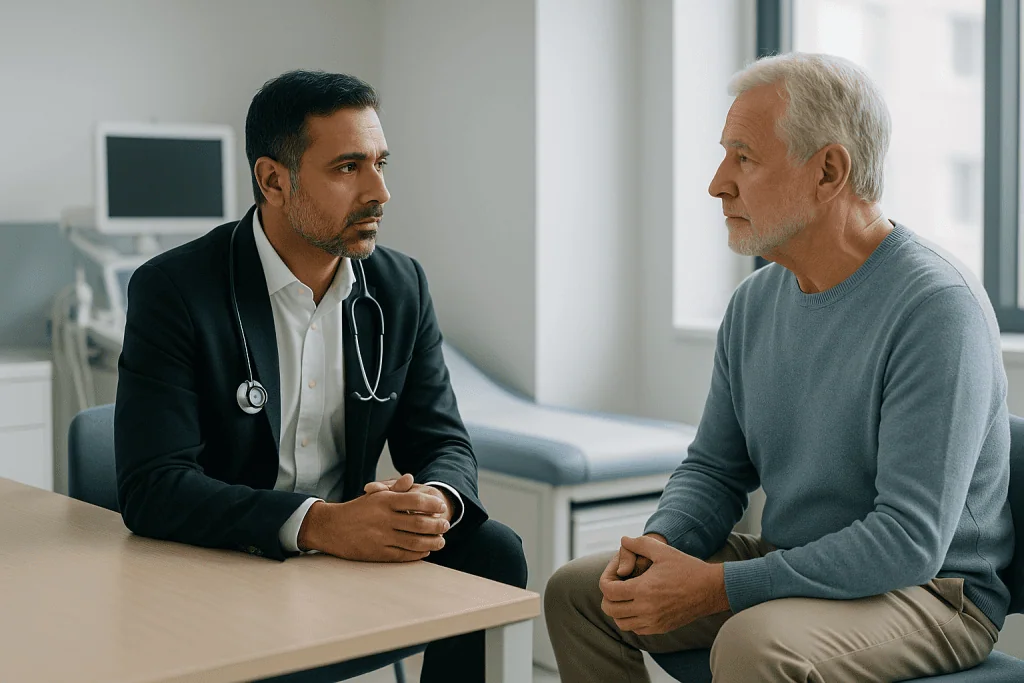
Send the records that explain your current condition: recent specialist notes, imaging reports, laboratory results, pathology if relevant, a full medication list and allergies, plus a one-page summary of your history and your main question. Use the hospital's secure submission channel, label files clearly, and send English versions where possible. Recent, relevant and readable beats exhaustive.
You have a folder of reports, a scan on a CD and no clear idea which parts a hospital abroad actually wants to see. That is where most international patients start. Sending the right records early saves time, reduces repeat testing and gives the reviewing doctors something concrete to work with before you book a flight.
This guide explains what to include, how to organise it, how records move between countries and how to share your file securely with a hospital in Turkey.
At a glance
- Best time to send records: Before you travel, ideally as soon as you request a review
- Most important items: Recent reports, imaging, medication list, diagnosis details and your main question
- File format tips: PDF for written reports; original DICOM files for scans when the hospital asks for them
- Language: English is usually most practical; only key documents normally need translation at first
- Privacy step: Use the hospital’s secure channel and send only what is relevant to your case
Why sending medical records to a hospital in Turkey matters
When you ask a hospital in Turkey to review your case, your medical records are the starting point. Specialists cannot give a meaningful opinion on a diagnosis they have only heard described in a message. They need the reports, the images and the treatment history. Sending medical records to a hospital in Turkey before you travel lets the care team check what has already been done, what is missing and whether your case fits the department you had in mind.
Well-prepared records also reduce back-and-forth. If the international patient team can see your recent consultation notes, imaging reports, pathology results and blood tests, they can route your file to the right specialty faster. Knowing how the hospital reviews a file once it arrives: a specialist reads the documents, weighs what is complete and what is missing, then drafts a response, is useful context for deciding what to send.
There is a third benefit that patients often overlook: expectation-setting. A hospital that has seen your records before you travel can tell you whether more information is needed, whether certain tests will likely be repeated on arrival, and whether your case appears suitable for a particular department. That means fewer surprises when you land in Istanbul, Ankara or elsewhere in Turkey.
One honest limit worth stating: a record review from abroad is an assessment of documents, not an examination of you. Some questions can only be answered after in-person consultation and, sometimes, fresh testing. Good records narrow the uncertainty; they do not remove it.
Do medical records transfer internationally?
Not automatically. There is no global system that moves your health records from one country’s hospitals to another’s. When you seek treatment abroad, you are responsible for gathering copies of your own records and sharing them with the receiving hospital. In most countries, data protection law gives you the right to request copies of your records from your GP, specialist or hospital, and providers are obliged to supply them within a set timeframe. In the UK, for example, you can request access to your health records from your GP practice or hospital trust.
Turkey has its own national personal health record system, called e-Nabız. It collects records generated within the Turkish health system, so if you have been treated in Turkey before, some of your Turkish records may already exist there. What e-Nabız cannot do is hold records created in your home country. For a first review from abroad, the file you assemble yourself is what matters.
Practically, international transfer works like this: you request copies from your home providers, you receive them as paper documents, PDFs, portal downloads or imaging discs, and you then submit them to the Turkish hospital through its official channel. If some records are slow to arrive, you can usually start with what you have and add the rest later. How consent and data sharing are handled once your records reach Turkey is covered in medical records privacy in Turkey: consent, sharing and patient rights.
What to include in your medical file

Your goal is not to send every document you have ever received. Send the records that best explain your current condition and recent care. Start with the newest, most relevant information. If your history is long, a short written timeline is more useful than a decade of unfiltered paperwork.
In most cases, the reviewing team needs a summary of your diagnosis or symptoms, reports from recent specialist visits, test results and a current medication list. If you have had surgery, treatment cycles or hospital admissions, include the key discharge summaries and operative notes where available. For oncology and other complex conditions, pathology and imaging carry the most weight; an oncology team typically cannot assess a case meaningfully without the pathology report behind the diagnosis.
- Your full name as it appears in your passport, date of birth, nationality and contact details
- A brief summary of your condition, your symptoms and when they started
- A referral letter or recent clinic notes from your doctor, if available
- Written reports from imaging: MRI, CT, PET-CT, ultrasound, X-ray or mammogram
- The actual scan files on CD, secure link or in DICOM format, if the hospital requests them
- Laboratory results, especially recent blood tests and relevant specialist panels
- Pathology and biopsy reports, including immunohistochemistry where relevant
- Operation reports, discharge summaries and treatment history
- Your current medication list, with dose and frequency
- Known allergies, chronic conditions and prior major illnesses
If you are asking for a second opinion rather than a first assessment, state the question you want answered: whether a proposed procedure is appropriate, whether alternatives exist, whether another specialty should look at the case. A single clear question focuses the review. The guide on what records to send for a medical second opinion in Turkey covers this scenario in detail, including what a written opinion can and cannot tell you.
Two categories deserve special care. First, imaging: the written report and the image files are different things, and hospitals sometimes need both. Second, pathology: for many diagnoses the pathology report is the anchor document, and in some cases the reviewing hospital may later ask for the original slides or blocks to be re-examined. You do not need to arrange that yourself at the outset; just make sure the report is in the file.
How to organise records so the hospital can review them quickly

A tidy file gets reviewed faster than a scattered one. Where possible, combine written records into one clearly labelled PDF in chronological order, newest first. Name files plainly, “Blood tests May 2026” or “MRI report lumbar spine April 2026”, so nothing important is overlooked in a busy inbox.
If you have many documents, group them by type: consultation notes, laboratory results, imaging reports, pathology, treatment summaries. Add a one-page cover note stating your diagnosis, main symptoms, major dates and your specific request. That single page is often the most-read document in the whole file, because it tells the reviewer what they are looking at and why.
Avoid blurry phone photos unless they are genuinely your only option. Scanned copies and original PDFs are easier to read and less likely to trigger a request for resubmission. For imaging, the written report is usually enough for a first pass; the digital scan files may be needed later, particularly before surgical planning. The hospital’s international patient team will normally confirm which stage needs which. A fuller treatment of naming, ordering and bundling files is in how to organise your medical records for a faster review in Turkey.
Language, translation and document quality
English-language records are usually the most practical for an international review, and sending medical records to a hospital in Turkey rarely requires everything to be formally translated at the outset. Ask which documents matter most: often the diagnosis summary, the pathology report and the most recent imaging report are enough in translated form for a first review, and other documents can follow if needed. Do not spend money on certified translations of routine paperwork before anyone has asked for them.
Focus on clarity. A report that is cropped, faint or missing its conclusion page will slow the review down. Check that each document shows your name, the date, the issuing clinic or laboratory, and the final impression or conclusion where one exists. If a scan report refers to attached images, make sure you can actually access those images if they are requested later.
Hospitals that serve overseas patients, including Acibadem, typically coordinate interpreters and case managers as part of the process, so a language barrier at the document stage is a solvable logistics problem rather than a reason to delay gathering your file.
How can medical records be sent?
There are four common routes, and the right one is whichever the hospital specifies: a secure upload form or patient portal, a dedicated international patient email address, a protected file-sharing link, or physical media such as an imaging CD carried with you or posted. Sending medical records to a hospital in Turkey through the official channel matters for two reasons: privacy, and making sure your file actually reaches the team handling your case rather than a general inbox.
Before you send anything, check file size limits and accepted formats. Large imaging files usually need a different upload method from ordinary PDFs: DICOM studies can run to hundreds of megabytes. If you send several items by email, say in the message how many attachments there should be, so the receiving team can tell whether something failed to arrive.
Keep a copy of everything you submit. Save the original files, note the date you sent them and keep any confirmation messages. If no reply arrives within the timeframe you were given, a polite follow-up quoting your name and submission date lets the team locate your case without you resending the whole file. Practical security steps, password handling, verified addresses, what not to send over informal messaging apps, are covered in how to send medical records securely from abroad. And whatever you send digitally, bring physical or offline copies when you travel; travelling to Turkey with medical records explains what belongs in your hand luggage.
Can foreigners go to hospital in Turkey?
Yes. International patients are routinely treated at Turkish hospitals, and larger groups run dedicated international patient departments that handle record review, appointment scheduling, interpretation and travel-stage coordination. For planned treatment, the usual sequence is: you share your records, the relevant specialist reviews them, the hospital tells you what a visit would involve, and you decide whether to travel. Your passport is your primary identity document throughout, which is why the name on your records should match it exactly.
Entry requirements are a separate matter from hospital admission. Visa rules depend on your nationality, and your own government’s travel guidance for Turkey is the authoritative source for entry and documentation requirements. Travel insurance and any coverage questions with your home insurer are also worth resolving before you commit to dates.
Records, quotes and health checks: how costs are worked out
Many patients ask what a full health check or a treatment episode costs in Turkey. No honest answer can be given as a single figure, because the price depends on scope: which tests a check-up panel includes, whether imaging is part of it, which department is involved, how complex the case is and what the treatment plan turns out to require. That is precisely why hospitals ask for records first: a written quote or package offer is only meaningful once a specialist has seen your file and defined what would actually be done.
The practical implication for you: the better your records, the more accurate and specific the written plan and quote you receive, and the fewer revisions it needs later. What such offers typically cover, and what they typically exclude, such as complications or extended stays, is explained in what a Turkish medical treatment package usually includes. Treat any quote you receive as conditional on your records being complete and current; undisclosed history is the most common reason plans change on arrival.
Common mistakes to avoid
The most common problem is too little context. A single scan without its report, or blood tests with no explanation of the diagnosis, rarely supports a meaningful review. The opposite failure, hundreds of unsorted pages, slows things down almost as much. Aim for complete but focused.
Outdated information is the second frequent issue. If your condition has changed, send the newest reports first and note any recent symptoms, admissions or treatment changes clearly. The reviewing doctors need a current picture, especially when advising on the practicalities of travel and pre-arrival planning.
Third: do not guess when instructions are unclear. A short question, “Do you need the scan images as well as the report?”, costs nothing and prevents wasted effort on both sides.
- Do not omit your medication list or allergies
- Do not send password-protected files without sharing the password through a separate channel
- Do not use vague file names like “report1” or “document final”
- Do not rely on screenshots when original PDFs exist
- Do not hold back pathology or operative reports that are relevant to your case
- Do not send records under a nickname or maiden name that does not match your passport
Step by step
- Gather your most recent medical information. Start with the documents that explain your current condition best: recent clinic notes, test reports, imaging reports, pathology and your medication list. Include older records only where they add real context, such as prior surgery or a major past diagnosis.
- Request anything you are missing. Ask your home GP, specialist or hospital for copies of records you do not hold. You are generally entitled to them under local data protection rules, though providers may take days or weeks to respond, so start early.
- Create a short patient summary. Write a one-page note with your diagnosis, main symptoms, key dates and the question you want answered. This page helps the international patient team route your case to the right specialty quickly.
- Check dates, names and readability. Confirm each document shows your name and date, matches your passport spelling, and is fully legible. Replace blurry images and incomplete scans so the reviewing doctor does not have to request the same document twice.
- Prepare files in clear formats. Use PDF for written reports, label files descriptively, and ask whether the hospital wants written imaging reports first or the original DICOM files as well.
- Use the hospital’s secure submission channel. Submit only through the method the hospital provides, secure form, portal or official international patient address. This protects your privacy and gets your file to the correct department.
- Confirm receipt and keep copies. Note the date of submission and keep everything you sent. If more information is requested, send it in one complete follow-up rather than several fragments.
Your checklist
- Passport name and date of birth included
- Short summary of your condition and main question
- Recent doctor or specialist notes
- Latest blood tests and key laboratory results
- Imaging reports and, if requested, the scan files
- Pathology or biopsy reports where relevant
- Current medication list with doses
- Allergies and major medical conditions listed
- Files labelled clearly and organised by date or type
- Copies of everything kept, with the submission date noted
Key takeaways
- Records do not transfer between countries automatically: you request copies and send them yourself.
- Send recent, relevant records with a one-page summary rather than every document you own.
- Include medications, allergies and pathology; ask whether imaging files are needed beyond the reports.
- English versions of the key documents usually come first; formal translation of everything rarely does.
- Use the hospital’s secure channel, keep copies of everything, and note your submission date.
Frequently asked questions
Do medical records transfer internationally?
No, not automatically. There is no shared system between countries’ health services. You request copies of your records from your home providers, usually a right under local data protection law, and submit them to the Turkish hospital yourself through its official channel. Turkey’s e-Nabız system holds records created in Turkey only.
How can medical records be sent?
Through the hospital’s preferred method: a secure upload form or portal, an official international patient email address, a protected file-sharing link, or physical media such as an imaging CD. PDFs suit written reports; large imaging studies in DICOM format usually need a dedicated upload route rather than ordinary email.
Can foreigners go to hospital in Turkey?
Yes. Turkish hospitals routinely treat international patients, and larger groups run dedicated international patient departments that coordinate record review, appointments and interpretation. Your passport is your identity document throughout, so records should carry your name exactly as your passport does. Visa and entry requirements depend on your nationality and are separate from hospital admission.
Do I need to send every medical record I have?
Usually no. The hospital needs the records that explain your current condition, recent treatment and key past events such as surgery or a major diagnosis. A focused, recent, well-labelled file is more useful than a large unsorted archive, and you can always add documents if they are requested.
Should I send scan reports or the actual scan images?
Start with the written imaging reports unless the hospital asks for the digital files straight away. For surgical planning, oncology and complex second opinions, the original images in DICOM format are often requested at a later stage, so keep the discs or download links accessible.
Do my documents need to be translated into English?
Not all of them, and rarely all at once. English is the most practical language for international review, so ask which documents matter most, typically the diagnosis summary, pathology and recent imaging reports, and translate those first. Avoid paying for certified translations nobody has asked for.
What if I do not have all my records yet?
Send the key documents you already hold and note that more are pending. A preliminary review can often begin with recent notes and major test results, and the hospital can then tell you exactly which missing items would add the most.
Can I send records on behalf of a family member?
Often yes, but the hospital may require the patient’s consent or proof that you are authorised to share their information. Ask in advance what identification or authorisation documents are needed, so the review is not delayed by a consent gap.
Add us as a Preferred Source to see more of our trusted health content across Google Search, AI Overviews and Discover.

Update history
- PublishedAugust 6, 2026
- Medical review approvedSeptember 13, 2026
- Last content updateSeptember 12, 2026
References1
- Travelers' Health: Türkiye (Turkey): CDC wwwnc.cdc.gov
More Patient Guides

How Long Does Anesthesia Last? Wear-Off Times by Type
Coming round from an operation, almost everyone asks the same two questions: when will my head feel normal, and how long is…

Flying to Turkey After a Recent Illness: When Is It Safe to Travel?
Flying to Turkey after a recent illness may be safe once you are medically stable and cleared to travel; plan airline support…

Braces, Retainers, and Dental Work Before Surgery in Turkey: What to Tell Your Team
Braces, retainers and dental work before surgery in Turkey should be shared with your care team early to plan safe anaesthesia and…

When to Stop Eating, Drinking, or Smoking Before a Procedure in Turkey
When to stop eating before a procedure in Turkey depends on your anesthesia plan; follow your care team’s exact fasting instructions for…