

What a Turkish Medical Treatment Package Usually Includes

A Turkish medical treatment package usually includes the clinical core of your care, specialist consultations, standard pre-treatment tests, the planned procedure, anaesthesia where needed, a set number of hospital nights and routine inpatient medication, plus coordination services such as interpreters and transfer support. Flights, visas, companion expenses, unrelated findings and extended stays usually sit outside the package unless the written offer says otherwise.
This guide explains what a Turkish medical treatment package usually includes for international patients: the clinical services, the support services, and, just as important, what tends to sit outside the package. You will also learn how packages differ by treatment type, how quotes are built, and the questions worth asking before you book a flight.
At a glance
- What it is: A written bundle of clinical services and travel-related support for planned care in Turkey
- Usually included: Consultations, standard pre-treatment tests, the planned procedure, anaesthesia where needed, a set hospital stay, routine inpatient medication, an early follow-up review
- Usually excluded: Flights, visas, travel insurance, companion expenses, unrelated conditions, extended stays, unplanned intensive care unless stated in writing
- Anaesthesia: Depends entirely on the planned treatment; confirmed at in-person assessment
- Hospital stay: Varies from outpatient visits to several planned nights, defined in the written offer
- Recovery and travel clearance: Set by your treating doctor, not by the package document
- Suitable department: International Patient Services working with the relevant medical or surgical specialty
- Support services: Typically coordination, interpreter support, transfer guidance and remote follow-up planning
What is this treatment?
A treatment package is not a treatment. It is a written way of organising your care so that you know, before you travel, which services are covered and which are not. What a Turkish medical treatment package usually includes falls into two halves: the clinical pathway, consultations, tests, the procedure, hospital care, an early follow-up, and the practical layer around it, such as appointment scheduling, interpreter support and transfer coordination.
The point of the package is to replace guesswork with a document. Instead of arranging each step separately in a country you may not know, you receive one outline of the expected medical pathway, the services attached to your stay, and a single point of contact for questions.
At hospitals that treat international patients regularly, including Acibadem, packages are tailored rather than fully standardised. Two patients seeking the same operation can receive different scopes, because medical history, specialist recommendations, pre-treatment tests and expected recovery all shape what needs to be included. A responsible package also states its own limits: what could change after your doctor examines you in person.
When is it recommended?
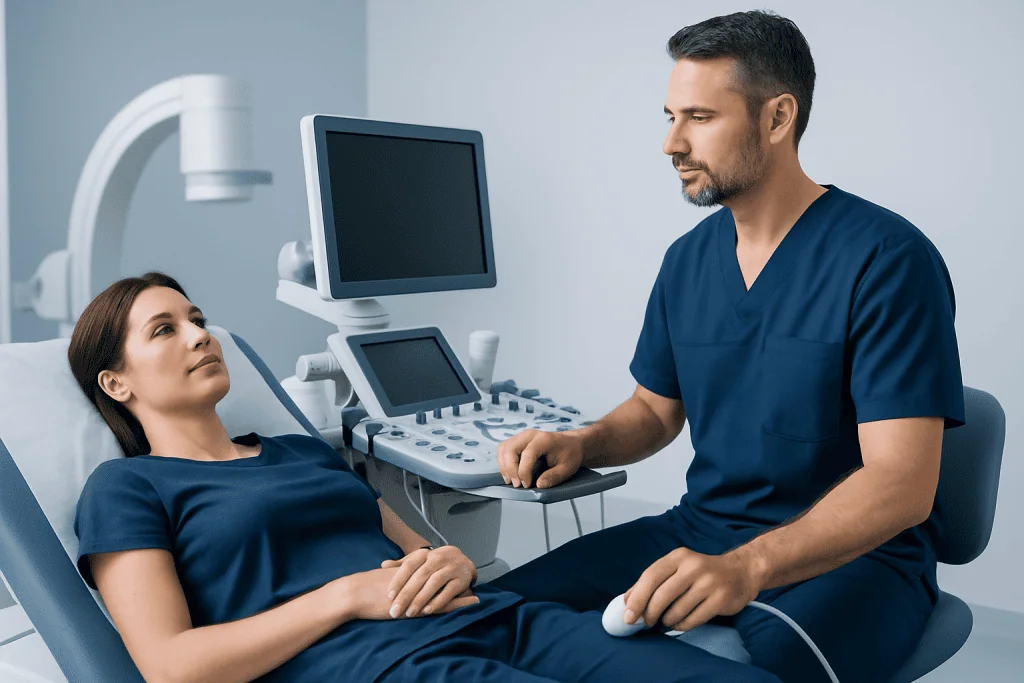
A package-based approach suits planned care, treatment you have time to research, compare and prepare for. It works for surgical and non-surgical care alike, and it is most useful when your visit involves several coordinated steps: imaging, laboratory tests, an anaesthesia assessment, a specialist consultation and then the procedure itself.
It is also the fairest way to compare providers. A written package summary shows whether two offers actually cover the same things. One quote can look attractive until you notice it omits pre-operative tests, hospital nights, inpatient medication or the first follow-up visit, items another quote has priced in. A guide to comparing surgery packages without missing hidden extras covers this in detail.
Packages are less suited to urgent or unstable conditions, where the plan may need to change quickly after examination or new test results. In those situations the clinical picture leads, and any package structure follows it.
Who is a good candidate?

You are well placed to use a package if you are planning care in advance and want the medical and logistical process set out clearly before you commit. This applies to elective surgery, dental work, fertility treatment, orthopaedic and cardiac procedures, oncology pathways and advanced diagnostics, among others.
You will also get more from a package if you value organised communication before travel: which documents to prepare, how long to stay, whether a companion is advisable, and what support exists after discharge. A good package answers most of these questions on paper.
A package is a weaker fit when your condition is likely to change rapidly. The plan may then only take final shape after in-person examination and further testing. Suitability for any treatment, and for any package built around it, always rests on physician evaluation, not on the package document.
Treatment options and package types
Packages in Turkey are built around many kinds of care, and their structure follows the specialty. Common patterns include:
- Surgical packages: surgeon assessment, anaesthesia review, operating theatre use, a defined number of hospital nights, inpatient medication and nursing care, and an early follow-up visit.
- Medical treatment packages: specialist consultations, diagnostic tests, treatment sessions, monitoring and a review of treatment response.
- Diagnostic and check-up packages: blood panels, imaging, cardiac testing and targeted specialist review, followed by a written summary and recommendations. So-called full body check-ups belong here; their scope varies widely between providers, which is why two check-up offers rarely cover the same tests.
- Multidisciplinary packages: care coordinated across departments such as oncology, cardiology, neurology or orthopaedics, sometimes staged across more than one visit.
Turkey is internationally known for hair restoration, dental treatment, eye surgery and aesthetic procedures, but large hospital groups also treat international patients across cardiology, oncology, orthopaedics, neurosurgery, fertility care and preventive check-ups. The package logic is the same in every field: a defined clinical scope, a defined support layer, and a written record of both.
Some procedures lend themselves to fixed-scope packages because the pathway is predictable. Others are quoted only after a preliminary medical review, because the scope genuinely cannot be known in advance. Neither approach is better; what matters is that the document tells you which one you are looking at.
Online evaluation before travel
Most international treatment journeys start with a remote review of your medical history, previous reports, imaging, medication list and, where relevant, photographs. This preliminary review lets the clinical team form an initial view of the likely treatment pathway, the expected length of stay and any preparation you may need before travelling. If you want to prepare your files properly, there is a separate guide on sending medical records to Turkey securely.
Be clear about what a remote review can and cannot do. It can shape a provisional plan and a provisional package. It usually cannot replace in-person examination and up-to-date testing, so a final treatment decision often waits until you arrive. Honest package documents reflect this by separating confirmed inclusions from items that may be added if medically necessary.
Before the treatment
Once dates are set, the hospital team confirms your plan, timeline and any required pre-treatment tests, blood work, imaging, cardiac evaluation, anaesthesia assessment or additional consultations, depending on the treatment. These steps exist to make the treatment as safe and appropriate as possible for you specifically.
Use this stage to pin down the package in writing. Ask which consultations are included, whether pre-operative tests are covered, how many hospital nights are planned, what room category applies, whether inpatient medication is part of the package, and which follow-up visits happen before you fly home.
Ask about exclusions with the same care. Packages rarely include flights, visas, travel insurance, companion meals and accommodation, treatment of unrelated findings, extended hospitalisation, unplanned intensive care, upgraded implants or materials, or revision treatment, unless the document says so explicitly. Implants deserve particular attention, because brand and model can change a quote significantly; the guide on implant and medical device costs in Turkish treatment quotes explains what to look for.
What happens during the treatment
The clinical detail depends on your treatment, but the package defines the expected pathway around it. For a procedure, that typically means admission, a final review by your doctor, anaesthesia preparation where required, the treatment itself, monitored recovery and routine inpatient or outpatient care afterwards.
For non-surgical care, the pathway may run through consultations, diagnostics, treatment sessions and observation over one or more days. In complex specialties, several departments work in sequence, which is why package descriptions often speak about coordinating the whole patient journey rather than a single appointment.
Throughout your stay, international patient coordinators handle scheduling, interpreting and communication between you and the care team. The division of labour is deliberate: clinicians make treatment decisions; coordinators make sure you understand the plan and know what comes next.
Hospital stay and discharge
If admission is required, the package normally covers a planned number of nights, standard nursing care, routine inpatient medication and reviews by the treating team. Room category, and whether a companion can stay with you, depend on hospital policy and the written package scope.
Before discharge, your doctor assesses whether you are medically ready to leave. You should receive a discharge summary, prescriptions, care instructions and advice on activity, wound care, diet, follow-up appointments and travel timing. Some packages include the first post-treatment control visit; others list it as a separate item, check which applies to you.
If recovery is slower than expected or additional care becomes medically necessary, the original package will need adjusting. This is exactly why the document should state, in advance, what happens if the stay is extended, extra tests are needed or the plan changes after in-person evaluation.
Recovery timeline
Your recovery follows your treatment, not your paperwork. The package may cover parts of early recovery, inpatient care, a first control visit, discharge planning, but healing speed differs between people and between treatment types. The table below is a general orientation only.
| Timeframe | What to expect |
|---|---|
| First 24 hours | Observation, symptom control and confirmation that you are stable after the planned treatment or procedure. |
| First week | Early recovery, rest, an initial follow-up, and practical guidance on wound care, medication timing, mobility or activity limits as relevant. |
| Weeks 2-4 | A gradual return to routine for many treatments, though restrictions may still apply depending on the procedure and your doctor’s advice. |
| Months 1-3 | Ongoing healing, review of treatment response and a clearer picture of your progress. |
| Final result | Depends on the treatment; some results appear quickly, while surgical or restorative outcomes take longer to settle. |
Always follow your own doctor’s instructions over any general timeline. For complex treatment, your recovery plan may involve staged follow-up or coordination with a doctor in your home country.
What to avoid after treatment
Aftercare rules depend on the care you received, so the first thing to avoid is borrowing them from someone else’s experience or from general online advice. Your discharge instructions are written for your case; they cover activity, bathing, diet, wound care, driving, exercise and returning to work or travel.
As a general principle, it is unwise to resume strenuous activity earlier than advised, to skip follow-up appointments, or to fly before you are medically cleared. Any question about your medication belongs to your treating doctor, never adjust it on your own. If your procedure carries circulation-related risks, your team will give you specific mobility and hydration advice for the journey home.
Finally, do not treat package wording as clinical guidance. The package describes services and logistics. Your aftercare plan is a medical document, based on your condition, the procedure performed and how your recovery is actually progressing.
Risks and possible complications
A package does not reduce the normal risks of medical care, and no honest provider will suggest otherwise. Every treatment, test and procedure carries possible complications, which vary with the specialty, your overall health and the complexity of the care.
Possible issues include medication reactions, bleeding, infection, pain, delayed healing, unplanned admission, the need for additional tests, or a change to the original plan. Sometimes the procedure recommended after in-person assessment differs from the one discussed remotely before travel: a possibility a well-written package acknowledges rather than hides.
Expectations can also drift from reality in non-clinical ways: a standard package assumes a routine course, and unexpected findings may require more investigation, a longer stay or another specialty’s input. Informed consent, physician evaluation and a clear written list of inclusions and exclusions are the protections that matter here.
After you return home
Good packages think past the airport. Your discharge summary should list the warning signs relevant to your specific treatment, your medication plan and the schedule for any remaining checks. Remote follow-up, reviewing reports, answering recovery questions, coordinating next steps, supports your recovery, but it never substitutes for local emergency care when you need it.
Many patients also want their home doctor involved. Ask for your reports in a format your local clinician can use; the guide on sharing Turkish medical reports with your local doctor explains what to request and how translated summaries usually work.
Results and expectations
The value of a package is clarity and coordination, not a promised outcome. Results depend on the treatment itself, your diagnosis, your general health and whether the planned therapy remains the most suitable option after full evaluation.
A good package explains the expected pathway while leaving room for medical judgement. Responsible providers will say plainly that timelines, hospital stay and follow-up needs can change if new findings appear or recovery runs faster or slower than expected.
What you should expect: a written outline of services, a clear split between inclusions and exclusions, and guidance on next steps. What you should not expect: promises about exact results, claims of zero risk, or an assurance that no further care will ever be needed. In some fields, additional or revision treatment is sometimes necessary, and the honest answer in advance is that this depends on your individual response.
International patient travel planning
Before booking flights, confirm how many days you are expected to stay before treatment, whether tests happen on arrival, how long you should remain in Turkey afterwards, and when flying home is considered safe for your case. These answers shape your dates more than anything else in the package.
Ask what practical support is available: transfer coordination, interpreter services, accommodation guidance and companion arrangements. Bring your records digitally and, ideally, printed. Check that your passport is valid, review visa requirements for your nationality, and consider travel insurance appropriate for medical travel. If treatment runs longer than your permitted stay, there are formal routes to extend it, see the guide on Turkish visa extension for ongoing medical treatment.
Packing deserves ten minutes of planning too: loose clothing after surgery, document copies, chargers with adapters, and space for medication and reports on the way back.
Cost and package information
What a Turkish medical treatment package usually includes is easier to define than what it costs, because cost is built case by case. The main drivers are the specialty, the complexity of your condition, whether the treatment is surgical, the need for implants or special materials, the number of planned hospital nights, the room category, the tests and consultations required, and whether several departments are involved.
Quotes come in two broad forms: a fixed-scope price for a well-defined procedure, or an estimate that firms up after examination and testing. Neither is a trick; they suit different clinical situations. What matters is knowing which you have received and what triggers a change: the guide on how medical billing in Turkey usually works walks through both models.
The same logic applies to check-up and full-body-scan offers: the price reflects the scope. A basic screening panel and an extended programme with advanced imaging and multiple specialist reviews are different products, so compare the test lists, not the headline figures.
Before you commit, ask for a written quotation with clear inclusions and exclusions, a validity period, payment terms, cancellation and postponement rules, and a plain statement of what happens if the plan changes after in-person examination. That single document is your best protection against misunderstandings.
Why choose Acibadem
If you are considering treatment in Turkey, a structured international patient system makes the difference between a plan and a hope. Acibadem coordinates care pathways across a wide range of medical and surgical departments, with international patient teams handling interpreting, transfers, appointment planning and remote follow-up guidance around the clinical work.
Just as importantly, a well-organised provider is transparent about scope. You should receive a written outline of what your plan includes and excludes, and a clear explanation of what may change after your doctor examines you. The aim is not convenience for its own sake, but safe, individualised care built on physician assessment and realistic planning, before, during and after your stay.
Medical review and disclaimer
This guide has been reviewed by the Acibadem International medical team. It is intended to give you general information about what a Turkish medical treatment package usually includes for international patients.
It does not replace a medical consultation, diagnosis, or personalised treatment plan. Package content varies by specialty, diagnosis, and the hospital’s assessment of your needs.
Your suitability for any treatment, travel plan, or package structure can only be confirmed after physician evaluation, and in many cases after review of your records and an in-person examination. If you are considering care in Turkey, use this guide as a starting point and discuss your individual case with the treating team.
Step by step
- Initial contact. You get in touch with the hospital’s international patient team and describe the treatment or service you are seeking.
- Medical record submission. You share your medical history, reports, scans, medication list, and photos or imaging where relevant.
- Preliminary medical review. The relevant clinical team reviews your information and advises whether treatment in Turkey may be appropriate.
- Treatment plan and quotation. You receive a proposed pathway with a written outline of likely inclusions, exclusions and expected stay.
- Travel planning. You settle dates, passport and visa needs, accommodation, companion arrangements and transfer support.
- Arrival. You check in to your hotel or hospital-linked accommodation and prepare for your appointments.
- In-person consultation. Your doctor examines you, discusses expectations, and confirms or adjusts the plan.
- Pre-treatment tests. If needed, you complete blood tests, imaging, anaesthesia review or specialty assessments.
- Treatment. You undergo the planned treatment, procedure or diagnostic pathway according to the final medical plan.
- Hospital stay. If admission is required, you remain under observation with nursing care, medication and doctor reviews.
- First control. You attend an early follow-up so the team can assess your initial recovery and answer questions.
- Discharge and travel clearance. When medically appropriate, you receive discharge instructions and advice on when travel is safe.
- Remote follow-up. After you return home, the team may continue follow-up remotely and guide you on reports and next steps.
Your checklist
- Passport copy and travel details
- Full medical history and current symptoms
- List of current medications and supplements
- Known allergies or previous reactions to medicines
- Details of previous surgeries or hospitalisations
- Relevant blood tests, imaging, pathology or specialist reports
- Photos or scans related to the treatment, where relevant
- Chronic conditions such as diabetes, heart disease or lung disease
- Emergency contact information
- Questions about package inclusions, exclusions and follow-up
Key takeaways
- A treatment package combines the clinical pathway with practical support for international patients.
- What is included depends on the treatment, hospital stay, tests and follow-up needs, always confirmed in writing.
- Flights, visas, companion expenses and unrelated medical issues are usually excluded unless stated.
- Quotes may be fixed-scope or estimates; know which you have and what can change it.
- No package is confirmed as suitable for you until a physician has evaluated your case.
Frequently asked questions
What are some all-inclusive medical tourism packages available in Turkey?
“All-inclusive” is a marketing term, not a standard. In practice, providers bundle the clinical pathway, consultations, tests, the procedure, hospital stay, with services such as interpreting, transfers and sometimes accommodation. Common bundles exist for surgery, dental work, eye procedures, fertility care and health check-ups. The only reliable definition of any package is its written list of inclusions and exclusions.
What medical treatment is Turkey famous for?
Turkey is widely known for hair restoration, dental treatment, eye surgery and aesthetic procedures. Larger hospital groups also treat many international patients in cardiology, oncology, orthopaedics, neurosurgery, fertility care and preventive check-up programmes. The right destination depends on your diagnosis and the specific team’s experience, not on general reputation.
How much does a full body scan cost in Turkey?
There is no single figure, because there is no single “full body scan”. Check-up programmes range from basic blood panels to extended packages with advanced imaging, cardiac testing and multiple specialist reviews, and the price follows the scope. Ask for the exact test list in each offer and compare those lists, not the headline figures, before deciding.
How much does medical treatment cost in Turkey?
Cost is built case by case from the specialty, the complexity of your condition, implant or material needs, the number of hospital nights, room category, and the tests and consultations required. You receive either a fixed-scope quote for a well-defined procedure or an estimate that firms up after examination. A written quotation with clear inclusions, exclusions and validity terms is the only figure worth comparing.
Does a package always include flights and hotel?
No. Flights are almost always excluded, and hotel accommodation may or may not be included depending on the provider and plan. Ask for a written list of what is covered and what you arrange yourself before you book anything.
Can the package change after I arrive in Turkey?
Yes. After in-person examination or additional tests, your doctor may confirm the original plan or recommend changes where that is medically more appropriate. Preliminary offers are normally subject to final physician evaluation, and a well-written package says what happens to scope and terms if the plan changes.
Are follow-up visits included in the package?
Many packages include at least an early control visit before you fly home, especially after procedures. Long-term follow-up, additional visits, or care once you return to your home country are usually handled separately unless the written offer specifically includes them.
What costs are commonly not included?
Typical exclusions are flights, visas, travel insurance, companion meals and accommodation, treatment of unrelated conditions, extra tests requested after in-person evaluation, extended hospitalisation, unplanned intensive care, upgraded implants or materials, and revision treatment. Read the exclusion list as carefully as the inclusion list before confirming.
Add us as a Preferred Source to see more of our trusted health content across Google Search, AI Overviews and Discover.

Update history
- PublishedJune 22, 2026
- Medical review approvedSeptember 13, 2026
- Last content updateSeptember 12, 2026
References1
More Patient Guides

HoLEP in Turkey: How It Compares With TURP and What Recovery Involves
HoLEP in Turkey treats enlarged prostate tissue with laser enucleation; learn how it compares with TURP, recovery, travel and follow-up.

Porcelain Veneers in Turkey: Who Is Suitable and How Many Visits Are Needed?
Porcelain veneers in Turkey can enhance tooth shape and colour in two visits for suitable patients after a personalised dental assessment.

How to Prepare for a Sedation Procedure in Turkey
Prepare safely for a sedation procedure in Turkey with guidance on fasting, medicines, travel, recovery and follow-up.

Treatment Delays in Turkey: What Happens If Tests or Recovery Change Your Schedule
Treatment delays in Turkey can happen if tests or recovery change your plan. Learn how to manage appointments, travel, accommodation and follow-up.