

Treatment Cost Estimate vs Final Bill in Turkey: What Is the Difference?

A treatment cost estimate in Turkey is a planning figure built from your records before in-person assessment. The final bill reflects the care you actually receive: consultations, tests, medicines, room nights, supplies and specialist input. The two can differ when the plan changes after examination. Ask for a written estimate with clear inclusions and exclusions, and an itemised final invoice at discharge.
You have a price in writing, you have booked your flights, and now you are asking the obvious question: will the amount at discharge actually match it? Almost every international patient asks this, and it deserves a straight answer.
Here it is. An estimate exists to help you plan. The final bill reflects what actually happened during your care: the tests ordered, the medicines used, the room you stayed in, the specialists involved and the number of nights you were admitted. Understanding the gap between the two documents, and why it exists, is the single most useful thing you can do before you travel.
At a glance
- Best for: International patients comparing quotes and building a realistic payment plan before travelling
- Main difference: An estimate is a forecast built from your records; the final bill is based on services actually provided
- Common reasons bills change: Extra diagnostics, a longer stay, added specialist reviews, medicines, implants or a revised treatment plan
- What to ask for: A written estimate, clear inclusions and exclusions, the assumptions behind the figure, and an itemised final invoice
- Helpful support: International patient coordinators, interpreters and billing teams can explain each item in plain language
Treatment cost estimate vs final bill in Turkey: the core difference
The phrase sounds technical, but the idea behind a treatment cost estimate vs final bill in Turkey is simple. The estimate is a projection prepared before treatment. The final bill is a record prepared after it. One looks forward, one looks back, and the two only match exactly when your care unfolds precisely as planned.
Most estimates are prepared from documents you send in advance: scan reports, blood results, doctor letters and the treatment plan discussed remotely. No hospital anywhere can examine a patient by email. So the estimate reflects the most likely pathway based on the information available: an informed projection, not a confirmed final amount.
That does not make the estimate useless. Far from it. A written estimate lets you compare hospitals, arrange funds, brief your insurer if you have one, and plan the practical side of travel: dates, accommodation and how long you may need to stay in Istanbul or another city. If you want a deeper look at how these documents are put together, see understanding treatment cost estimates in Turkey.
What a treatment cost estimate usually covers
A well-prepared estimate is more than a single number. It should describe the assumed diagnosis or procedure, the expected number of hospital nights, the room category, and the main service groups included: specialist fees, operating theatre use where relevant, standard nursing care, routine tests and, in many cases, interpreter support.
Equally important is what it does not cover. Most estimates exclude things that cannot be predicted in advance: additional imaging requested after examination, intensive care if it becomes medically necessary, pathology on unexpected findings, extended admission, and the treatment of unrelated conditions discovered along the way.
Some quotes are packages with a defined scope. Others are itemised projections. Others cover only one phase of care: the surgery, say, but not the pre-operative work-up. Always ask which type you are holding, because the answer changes how you should budget.
At hospitals such as Acibadem, international patient teams typically explain which items in an estimate are already settled and which can only be confirmed after your in-person consultation, pre-treatment checks or admission. That distinction matters more than the headline figure.
What the final bill includes
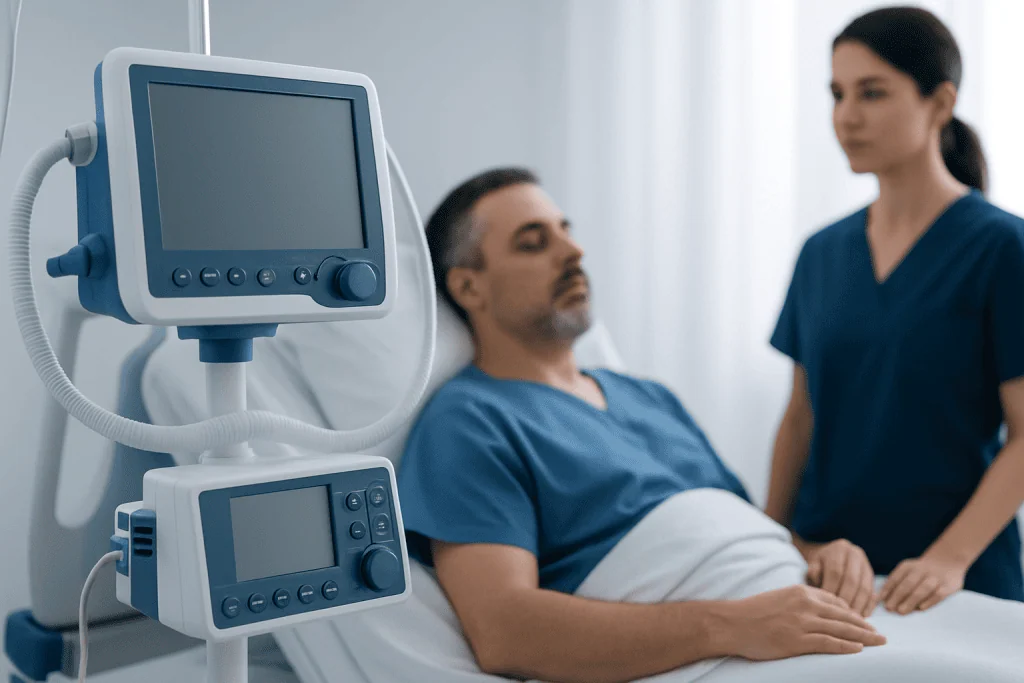
Your final bill reflects the care you actually receive. That means the main treatment itself, plus everything practical around it: consultations, repeat imaging, laboratory work, room charges for the nights you were admitted, medicines dispensed, medical supplies and consumables used, anaesthesia-related services where relevant, and any specialist reviews requested during your stay.
If your treatment goes exactly as expected, the final amount may sit close to the estimate. If your doctor needs more information before proceeding safely, or if your recovery calls for a different room category, a longer admission or extra monitoring, the final amount will change to match those real needs. The bill follows the care, not the forecast.
In most established hospitals, the final bill is itemised. This is genuinely useful. An itemised invoice shows you the difference between the planned pathway and the care you actually used, line by line, instead of leaving you to guess why the amount moved.
If anything on the invoice is unclear, ask the billing office or international patient desk to walk through it with you. A well-run hospital can explain the practical reason behind every major charge in plain language, and interpreters are usually available if English is not your first language.
Why the estimate and the final bill may differ

The most common reason is straightforward: doctors often learn more once they see you in person. An examination may prompt additional imaging, further blood work, cardiology clearance before anaesthesia, or a second specialist opinion before the safest treatment plan can be confirmed. Each of those steps is care, and each appears on the final bill.
The second common reason is a change in treatment scope. A procedure may take a different approach than planned from your initial records, require different supplies or implants, or involve a more complex stay than expected. This is not necessarily bad news; it often simply means the plan became more accurate after full evaluation.
Length of stay is the third major factor, and it works in both directions. Recover faster than expected and some charges may fall away. Need extra observation, another night, additional medicines or further checks before discharge, and the final amount rises accordingly.
Factors that commonly move a final bill away from the estimate include:
- Additional consultations or multidisciplinary reviews
- Repeat or more advanced diagnostic tests
- A change in room type or in the length of admission
- Medicines, consumables or implants actually used
- Unexpected findings during evaluation or treatment
- Post-treatment monitoring or supportive care needs
The pattern to hold onto: a difference between the treatment cost estimate vs final bill in Turkey is usually a record of decisions made for medical reasons during your care, not a pricing surprise invented at discharge.
How treatment costs in Turkey are built
People searching this topic often want a simple figure for what treatment costs in Turkey. There is no honest single answer, because the amount depends on variables that differ for every patient. What can be explained honestly is the structure of the price.
What drives the price of treatment in Turkey
A quote is shaped by the procedure itself and its complexity, the seniority and specialism of the doctors involved, the expected number of hospital nights, the room category, the implants or devices required, the diagnostics needed before and after treatment, and any support services such as interpreting. Two patients with the same diagnosis can receive quite different quotes because their health, anatomy and treatment plans differ. The guide on what affects the final price of treatment in Turkey breaks these variables down in detail.
Why treatment can cost less in Turkey than in the UK, US or Western Europe
The difference is largely structural rather than a signal about quality. Staff salaries, property and general operating costs are lower in Turkey than in many Western countries, and exchange rates work in favour of patients paying in pounds, euros or dollars. Large hospital groups also treat high volumes of international patients, which supports efficient scheduling and established processes. None of this changes the basic rule of this guide: whatever the level of the quote, the final bill still reflects the care actually delivered.
Health checks and diagnostic packages
Full health checks, often called check-up programmes, are usually priced as defined packages, because their contents are fixed in advance: a set panel of blood tests, imaging and consultations. Their cost depends on the scope of the panel, and hospitals typically offer several tiers. Because the scope is fixed, a check-up estimate tends to be closer to a final price than an estimate for treatment, where the pathway can change. Even then, any additional test recommended after your results are reviewed sits outside the package.
Do tourists get free healthcare in Turkey?
No. Turkey’s public health insurance covers citizens and registered residents who contribute to the system. Visitors and medical travellers are not covered and pay for care privately, either directly or through travel or health insurance. This is why travel insurance documents, and clarity about what your policy does and does not cover, belong in your planning alongside the hospital estimate.
How to read a quote before you agree to treatment
Before you confirm anything, ask for the estimate in writing and read it as a document, not a number. Establish whether it is a package, an itemised projection or a partial estimate for one stage of care only.
Then check the inclusions systematically. Does it cover the surgeon or specialist fee, admission, a standard room, operating theatre use if applicable, routine nursing, basic tests, interpreter support and a follow-up review? Next, read the exclusions: unexpected additional tests, intensive care, extended stay, pathology, advanced implants, companion accommodation and treatment of unrelated conditions are common examples.
Finally, ask what assumptions the figure rests on. Most estimates assume a specific diagnosis, a standard room category and a typical number of nights. If any assumption changes, the final bill changes with it, which is not a flaw in the estimate, but a reason to know the assumptions before you agree. For a fuller breakdown of what belongs in a proper quote, see what is included in a medical cost estimate before you travel to Turkey.
Practical questions worth asking a billing team
You do not need financial expertise to ask good billing questions. One organised conversation before admission prevents most of the stress people associate with international hospital bills.
Start with the nature of the quote: is it fixed, package-based, or subject to change after in-person assessment? Then move to mechanics: when is the final bill prepared, is a deposit required, which payment methods are accepted, and will you receive interim billing updates during a longer stay?
It is also reasonable to ask how additional costs are approved. In genuinely urgent situations a care team must act for medical reasons, but for non-urgent changes you can ask to be informed before the plan moves beyond the original estimate.
Useful questions include:
- What is included in this estimate, and what is explicitly not?
- Which tests, medicines or implants could create extra cost?
- How many hospital nights does this estimate assume, and in which room category?
- Will I receive an itemised final bill before payment?
- Who handles billing questions during my stay?
- If I have insurance, which documents does the hospital provide for claims?
How to prepare financially and avoid surprises
The safest approach is to budget the estimate plus a contingency amount. You may never touch it, but a buffer removes pressure if your doctor recommends extra tests, another night in hospital or a further review before you are cleared to fly home.
Keep every document together: the written estimate, emails, any package description, pre-authorisation papers, passport details, insurance information and payment receipts. If an insurer, embassy programme, employer or family member is funding your care, ask in advance exactly which paperwork they will need for reimbursement or proof of payment. It is easier to collect documents during your stay than to chase them from another country afterwards.
Budget non-hospital costs separately. Flights, visa expenses, local transport, hotel nights before or after admission, meals and accommodation for a companion are not part of a medical bill unless a package specifically says so. Deposits and payment timing also vary between hospitals; the guide on how Acibadem explains deposits, payment timing and final billing describes how one hospital group structures this.
What to do if the final bill differs from the estimate
If the final bill is higher than the estimate, start with a calm, detailed comparison rather than a dispute. Ask for the itemised invoice, place it next to the original estimate, and identify which lines changed. In most cases the difference traces back to something concrete: added imaging, extra medicines, a longer stay, or a specialist consultation added for safety.
If a line still does not make sense after that comparison, raise it with the international patient office or patient relations team. A well-organised hospital can review the case, explain each charge in understandable terms and tell you which records to keep for insurance or later questions. The guide on unexpected changes in your bill in Turkey covers the most common extra costs and how to query them constructively.
And if the final bill is lower than the estimate, that usually means some planned services were not needed. Either way, the measure of a good bill is not whether it matches the forecast: it is whether it accurately reflects the care you received, in a form you can read and verify.
Step by step
- Request a written estimate early. Ask for the estimate in writing before you travel or confirm admission. A written document is something you can review, compare between hospitals and share with family, an insurer or a sponsor.
- Check what is included and excluded. Do not stop at the total. Confirm whether consultations, tests, room charges, medicines, follow-up visits and interpreter support are inside the figure, and ask specifically about the exclusions most likely to apply to your treatment.
- Ask what could change the price. Invite the coordinator or billing team to name the most common reasons a final bill differs from an estimate for your type of treatment. You want a realistic range, not a single number treated as fixed.
- Plan a contingency budget. Set aside extra funds in case of added tests, another hospital night or a treatment plan adjustment. A buffer keeps medical decisions from becoming financial emergencies.
- Keep communication open during your stay. For anything longer than a short visit, establish who will answer billing questions while you are admitted. It is far easier to clarify changes as they happen than to untangle everything at discharge.
- Review the final bill before payment. Ask for the itemised invoice and compare it against the estimate. Query unfamiliar items until you understand what was used, why it was needed and how it fits your actual care.
- Save all paperwork afterwards. Keep receipts, invoices, the estimate and discharge papers together. You may need them for insurance reimbursement, employer claims, tax records in some countries or later billing questions from home.
Your checklist
- Get a written estimate, not a verbal range
- Ask whether the estimate is fixed, package-based or provisional
- Confirm the assumed length of stay and room category
- Ask which tests, medicines or specialist reviews could cost extra
- Set aside a contingency fund for unexpected changes
- Check accepted payment methods and deposit requirements
- Request an itemised final bill before discharge
- Keep all receipts and medical documents for claims or records
Key takeaways
- A treatment cost estimate is a forecast built from the information available before full in-person assessment.
- The final bill is a record of the actual services, medicines, tests, room use and specialist input you received.
- Differences most often reflect added diagnostics, a changed treatment scope, a longer or shorter stay, or supplies actually used.
- Read every quote for its inclusions, exclusions and assumptions, and always ask for an itemised final invoice.
- Visitors are not covered by Turkey’s public health insurance, so private payment or insurance planning belongs alongside the hospital estimate.
Frequently asked questions
Is a treatment cost estimate in Turkey a fixed price?
Usually not. Most estimates are planning documents based on your records and the expected treatment pathway. The final bill depends on what is actually needed after in-person assessment and during your stay. Some quotes are packages with a defined scope, which behave more like fixed prices within that scope, always ask which type yours is.
How much does medical treatment cost in Turkey?
There is no single honest figure, because cost depends on the procedure, its complexity, the number of hospital nights, the room category, implants or devices used, and the diagnostics required. The reliable way to find out is a written, itemised estimate based on your own medical records, with its assumptions stated.
Why is medical treatment often cheaper in Turkey?
Mostly structural reasons: lower staff, property and operating costs than in many Western countries, exchange rates that favour patients paying in pounds, euros or dollars, and high patient volumes at large hospital groups. It reflects the local cost base rather than a shortcut in care.
How much does a full health check cost in Turkey?
Health checks are usually sold as fixed packages, and the price depends on the scope of the panel, how many blood tests, imaging studies and consultations are included. Because the contents are fixed in advance, a check-up quote tends to be closer to the final amount than a treatment estimate, though any extra test recommended after your results sits outside the package.
Do tourists get free healthcare in Turkey?
No. Turkey’s public health insurance covers citizens and registered residents contributing to the system. Visitors and medical travellers pay for care privately, either directly or through travel or health insurance, so insurance planning should sit alongside your hospital estimate.
Why would my final hospital bill be higher than the original estimate?
Common reasons include extra tests requested after examination, a longer admission, added medicines, additional specialist reviews or a change in the treatment plan once your doctor assesses you in person. Estimates rest on standard assumptions, and those assumptions sometimes have to adjust to your actual medical needs.
Can the final bill be lower than the estimate?
Yes. If some planned services are not needed, your stay is shorter than assumed, or fewer medicines and supplies are used, the final amount can come in below the estimate. The final bill should reflect your actual care, in either direction.
Are travel and hotel costs included in a medical estimate?
Usually not, unless a package explicitly states that accommodation or transport is included. Flights, visa expenses, hotels, local transport and companion costs should be budgeted separately from the medical bill, along with a contingency amount for unplanned extra nights.
Add us as a Preferred Source to see more of our trusted health content across Google Search, AI Overviews and Discover.

Update history
- PublishedJune 25, 2026
- Medical review approvedSeptember 13, 2026
- Last content updateSeptember 12, 2026
References2
- CDC Yellow Book – Medical Tourism wwwnc.cdc.gov
- UK Foreign Travel Advice: Turkey gov.uk
More Patient Guides

Private MRI, CT and Check-Up Costs in Turkey: How Scans Are Priced
How private MRI, CT, PET-CT and full check-up packages are priced in Turkey, modality, region, contrast, reporting, and what a…

Cataract Surgery Cost in Turkey: Per-Eye Prices and Lens Options
Cataract surgery in Turkey is priced per eye and the lens decides the quote. Biometry, both eyes on one trip, and what…

Lip Filler Cost in Turkey: Per-ml Prices Explained
Lip filler in Turkey is priced per millilitre with licensed hyaluronic acid brands and physician injectors. Volume, product, dissolving, safety and what…

Botox Cost in Turkey: Per-Area and Per-Unit Prices
How Botox is priced in Turkey, per area or per unit, brand, physician injectors, medical indications, and what a serious…