

How to Prepare for a Biopsy in Turkey: Questions, Timing, and Recovery Basics
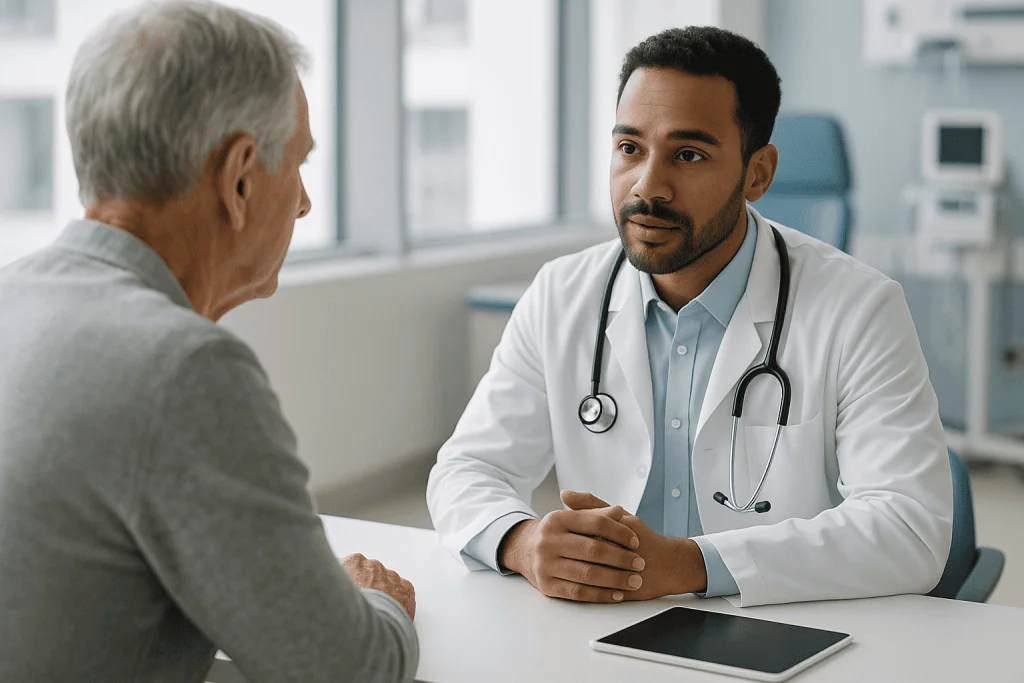
To prepare for a biopsy in Turkey, plan around the whole pathway, not just the procedure day: send your reports and medication list ahead, confirm fasting and anaesthesia instructions in writing, arrive with a day of buffer, and keep your return flight flexible until your doctor confirms observation and pathology timing. Recovery is usually short, but the exact rules depend on the biopsy site and sedation used.
How many nights should you book? Can you fly home the day after? Should you eat breakfast on the morning of the test? These are the right questions to ask now, before anything is confirmed. A biopsy is usually a short procedure, but the trip around it works better when you plan it as a sequence, not a single appointment.
This guide explains how to prepare for a biopsy in Turkey as an international patient: what to organise before you travel, what to ask your care team, how to think about timing, and what the first day or two of recovery usually look like. It does not replace the instructions your treating doctor gives you: those are specific to your biopsy type and your health, and they always take priority over anything general you read here.
At a glance
- Best for: Patients planning a diagnostic biopsy and a short medical trip to Turkey
- Main focus: Questions to ask, fasting and medication basics, travel timing, and recovery logistics
- Before you go: Share reports, imaging, a full medication list, allergies, and your travel dates with the hospital
- Stay planning: Keep flights flexible until your doctor confirms observation and pathology timing
- Fasting: Rules depend on the biopsy site and anaesthesia, follow your team’s written instructions, not general advice
- Recovery basics: Plan a quiet first day, simple transport, and a clear plan for how results will reach you
How to prepare for a biopsy in Turkey: think in stages, not one day
A biopsy trip usually has five parts: a consultation, any pre-procedure checks such as blood tests or imaging, the biopsy itself, a short recovery and observation period, and then the wait for pathology. When patients run into trouble with scheduling, it is almost always because they planned for the middle step and forgot the ones around it. The most reliable way to prepare for a biopsy in Turkey is to build your travel dates around the whole pathway.
Before you confirm flights, send whatever the hospital asks for: existing scans, blood results, previous pathology reports, referral or clinic letters, and a complete medication list. Advance review matters more than it sounds. It lets the specialist team decide whether the planned biopsy approach still makes sense, whether extra imaging is needed first, and whether anything in your history changes the anaesthesia plan. That review done before you land can save you days after you arrive.
It also helps to share practical details early: your passport information, preferred language, mobility or accessibility needs, and whether someone is travelling with you. The hospital’s international patient coordinators handle interpreters, appointment sequencing, and transfers, and they work best when they know your constraints before your itinerary is fixed. If you are unsure what to ask at that stage, our guide on preparing questions for your doctor before treatment in Turkey gives you a structure to work from.
Questions you should ask before you travel
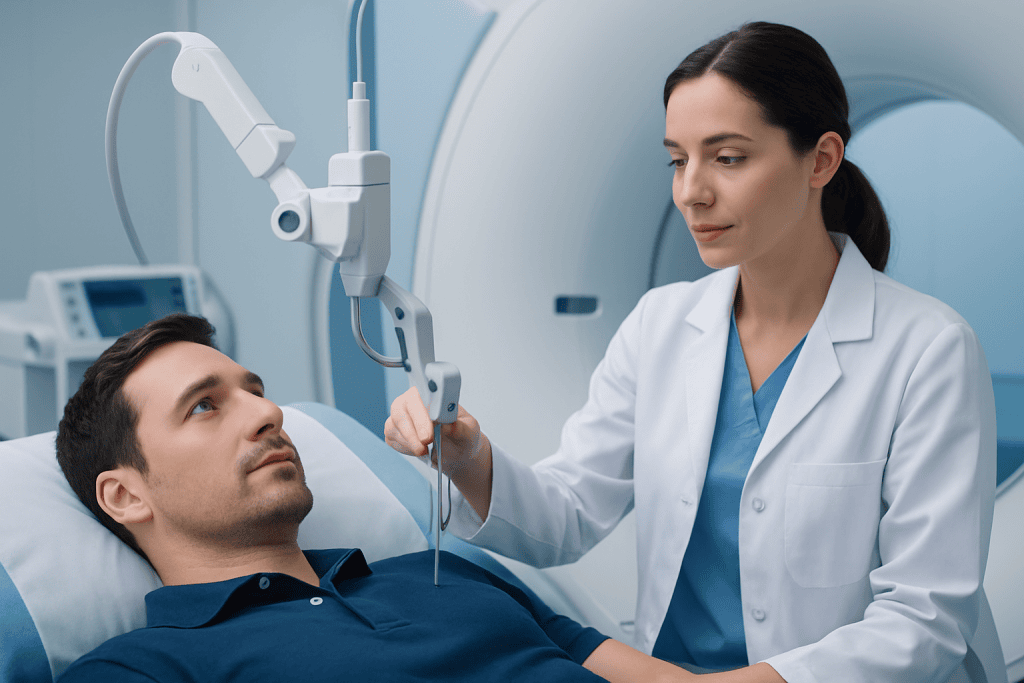
Good preparation starts with specific questions, asked early enough that the answers can still shape your plans. “Biopsy” covers a wide range of procedures: a skin punch biopsy, an image-guided needle biopsy of the breast or liver, a renal biopsy, an endoscopic biopsy taken during a gastroscopy or colonoscopy, or a surgical biopsy under general anaesthesia. Each has different fasting rules, different observation times, and different travel implications. So the first question is always: what exactly is planned, and why?
From there, work through the day itself and what follows it. Useful questions include:
- What type of biopsy is planned, and will it use imaging guidance?
- Will I have local anaesthesia, sedation, or general anaesthesia?
- Do any of my medicines or supplements need adjusting beforehand, and who decides that?
- How long will I be at the hospital, and will I be observed afterwards?
- When can I walk, eat, shower, ride in a car, and fly?
- Do I need an adult companion on the day?
- How long does pathology usually take for this sample type, and how will results be shared?
- Should I stay in Turkey until a follow-up review, or can results be sent to me at home?
Ask for the answers in writing where you can. Instructions given verbally on a busy morning are easy to misremember, and written discharge notes are far easier to follow, and to show your doctor at home, than memory.
Timing: how long to stay and how flexible to be
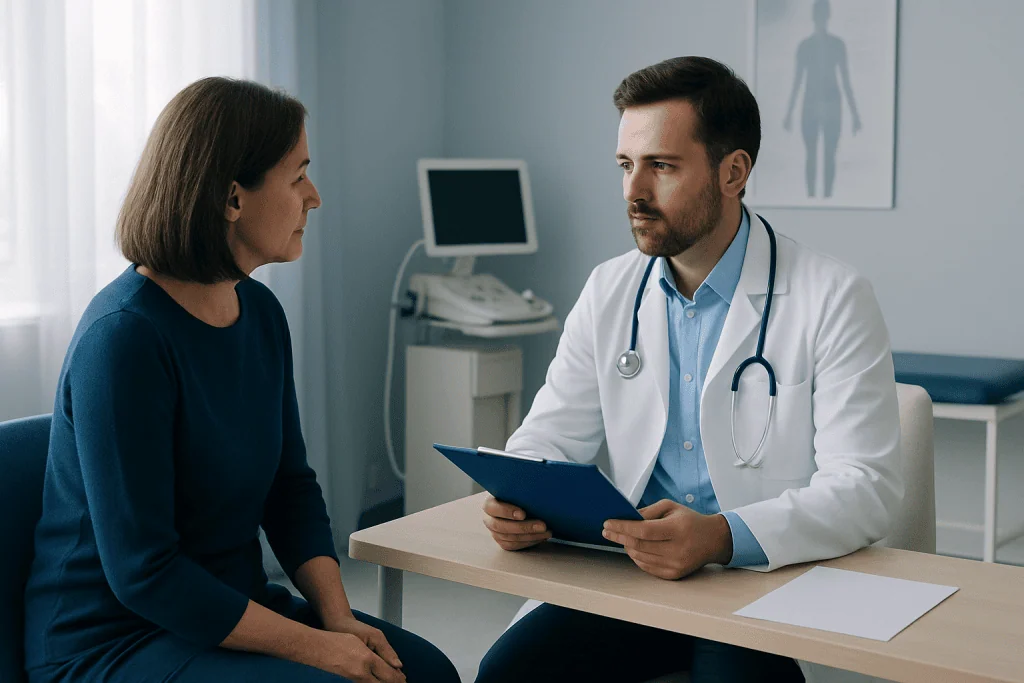
Most international patients want a fixed itinerary. Biopsy timing resists that, and it is more honest to say so than to promise a neat schedule. The timeline depends on the biopsy site, whether imaging guidance is needed, what pre-procedure checks your history requires, whether sedation or general anaesthesia is used, and how long the laboratory needs for your specific sample. Some samples need additional staining or specialist review, and that is not something anyone can predict in advance.
A practical approach when you prepare for a biopsy in Turkey looks like this:
- Arrive at least a day early. This leaves room for the consultation, blood tests, or a pre-anaesthesia review without pressure, and absorbs flight delays.
- Treat the procedure day as a full day. Even a quick biopsy sits inside admission paperwork, preparation, observation, and discharge instructions.
- Do not book a tight return flight. Some biopsies come with specific advice about flying, particularly after sedation or after procedures involving the chest or abdomen. Confirm with your treating team before you commit to a date, and read our guide on questions to ask before you book a recovery flight home before you pay for anything non-refundable.
If your case is being reviewed by more than one specialty, radiology, surgery, oncology, the timeline may include a multidisciplinary discussion. That coordinated review is a strength, not a delay for its own sake, but it is another reason to keep your schedule flexible rather than assuming everything resolves in a few hours.
What not to do before a biopsy
Patients often ask what they should avoid in the days before the test. The honest answer is that the list depends on your biopsy, but some general points hold across most procedures:
- Do not change your medicines on your own. Blood thinners, diabetes medicines, and some supplements can matter before a biopsy, but the decision about whether and when to adjust them belongs to your treating doctor, who knows both the procedure and your history. Stopping something yourself is the more dangerous mistake.
- Do not hide anything from the medication list. Herbal products, fish oil, vitamins, and over-the-counter painkillers all count. Our guide on preparing a medication list for treatment in Turkey shows how to write one that a foreign care team can actually use.
- Do not guess about fasting. Some biopsies under local anaesthesia need no fasting at all; sedation and general anaesthesia usually do. Follow the exact times you are given rather than a general rule you read online.
- Do not plan a demanding day before or after. Long tours, heavy meals, or alcohol the night before make the morning harder, and some teams specifically advise against alcohol near sedation.
- Do not book anything rigid. A non-refundable flight the next morning is the single most common self-inflicted problem in biopsy trips.
Fasting, water, and what to bring on the day
The most common practical question is whether you can drink water before a biopsy. It depends entirely on the anaesthesia plan. For many biopsies done under local anaesthesia alone, you can usually eat and drink normally. For sedation or general anaesthesia, teams typically set a fasting window for food and a separate, shorter one for clear fluids, and they will tell you whether essential morning medicines may be taken with a small sip of water. Because these windows vary by procedure and by patient, treat your team’s written instruction as the only version that applies to you. For a broader picture of how test-day preparation works, see how to prepare for medical tests in Turkey: fasting, clothing, and timing.
For the day itself, keep it simple. Wear loose, comfortable clothing that does not press on the biopsy area, and slip-on shoes if bending will be awkward afterwards. Leave jewellery at the hotel if advised. Bring your passport, your hospital confirmation, copies of your reports, your medication list, and any insurance documents. Charge your phone, save the hospital address and your coordinator’s number, and write down your hotel address, small things, but they matter when you are tired after sedation.
If sedation or general anaesthesia is planned, expect to need an adult companion for the trip back to your accommodation. This is a standard safety practice, not a formality, and some hospitals will not discharge a sedated patient without one. If you are travelling alone, raise this early so alternatives can be arranged before the day.
Recovery basics: what the first day or two may look like
Recovery after a biopsy is often uneventful, but the first day still deserves a quiet plan. Depending on the biopsy type, you may have local tenderness, some bruising, a small dressing, and instructions to avoid heavy lifting, strenuous exercise, or soaking the site for a set period. Some biopsies, of the kidney, liver, or lung, for example, involve a longer observation period in the hospital before discharge, precisely because those sites need closer monitoring. Your team will tell you what is expected for your specific procedure and what your discharge notes cover.
Set up your accommodation for an easy evening: near the hospital if possible, minimal stairs if you expect discomfort, water and light food within reach, and your regular medicines and any dressing supplies in one place. Keep the written discharge instructions and the contact number they include together with your documents, so nothing needs hunting for later. Our practical packing list for hospital and recovery covers the small items that make this easier.
Before you leave the hospital, confirm three things in writing: when you can restart or continue your usual medicines as your doctor directs, when the dressing comes off and how to care for the site, and which activity limits apply and for how long. Your discharge paperwork should also describe what is normal for your biopsy and which warning signs it lists, read that section before you leave, while someone is there to explain it.
Results, follow-up, and planning the next step
For many patients, waiting for pathology is the hardest part of the whole trip. You cannot shorten the laboratory’s work, but you can remove the uncertainty around communication. Before the procedure, ask whether any preliminary information is likely and when the final report is realistically expected for your sample type. Some analyses take longer than others, and a team that gives you a cautious, honest range is serving you better than one that promises speed.
Then agree on the mechanics: will results come in person, through a portal, or via your international patient coordinator? If you fly home before the final report, who sends it, in what language, and to whom? Can the report and slides or blocks be shared with your doctor at home if further opinions are needed? These arrangements are far easier to settle before discharge than by email across time zones afterwards. If a coordinator will handle the report or its translation, note their name and contact details before you leave the hospital.
Travel comfort tips for you and your companion
If someone is travelling with you, give them a defined role on procedure day: keeping documents together, listening to the discharge instructions alongside you, collecting any prescriptions, and handling the transport back. After sedation, your own memory of instructions will be unreliable, and a second set of ears is genuinely useful rather than merely reassuring.
Pack for convenience, not sightseeing. Loose clothing, slip-on shoes, medicines in their original packaging, and a slim folder with reports and passport copies cover most needs. If the biopsy site may be sore, clothing that does not rub or press on the area makes a real difference on the flight home.
Finally, keep expectations realistic. Even when the biopsy itself takes minutes, the day includes admissions, preparation, observation, and pharmacy steps, each with its own waiting. A calm schedule with slack in it is not wasted time: it is what makes the trip feel manageable instead of rushed.
Step by step
- Share your records early. Send recent scans, test results, referral letters, your medication list, and allergy information before you travel if the hospital requests them. Advance review helps the team confirm the approach and reduces last-minute changes.
- Confirm the biopsy plan and recovery expectations. Ask what kind of biopsy is planned, whether imaging guidance or anaesthesia is involved, how long you will stay at the hospital, and what the first 24 to 48 hours usually involve.
- Build buffer into your travel schedule. Arrive at least a day early for consultation and pre-procedure checks, and avoid a tight return flight until your doctor confirms it is appropriate.
- Review medicines and fasting instructions carefully. Go through every prescription, over-the-counter product, vitamin, and supplement with your care team, and follow their fasting and medication timing exactly. Never adjust prescribed treatment without medical guidance.
- Prepare for the procedure day. Comfortable clothes, documents and reports, a charged phone, saved addresses, and a companion if sedation is planned.
- Set up a simple recovery environment. Accommodation near the hospital, a quiet first day, water, light meals, regular medicines, and dressing supplies within reach.
- Settle results and follow-up before discharge. Confirm when pathology is expected, how it will be shared, and how reports will reach you and your doctor at home if you leave before they are ready.
Your checklist
- Passport and hospital booking details
- Copies of scans, reports, and referral letters
- Full medication and supplement list
- Written list of allergies and past reactions
- Comfortable, loose-fitting clothing and slip-on shoes
- A companion or escort plan if sedation is expected
- Flexible flight and hotel arrangements where possible
- Written fasting and medication instructions from your team
- Discharge paperwork and the contact details it includes, kept in one folder
- An agreed plan for how and when results will reach you
Key takeaways
- A biopsy trip usually involves consultation, pre-procedure checks, the biopsy, observation, and pathology, plan travel around all five, not just the procedure day.
- Fasting and medication rules depend on the biopsy site and anaesthesia; your team’s written instructions are the only version that applies to you.
- Never adjust prescribed medicines yourself; that decision belongs to your treating doctor.
- Keep return flights flexible, because observation needs and pathology timelines vary by sample type.
- Agree before discharge on how results will be shared, in what language, and with whom, especially if you fly home before the final report.
Frequently asked questions
What is the prep for a biopsy?
Preparation varies by biopsy type, but usually includes sharing your medical records and medication list in advance, following any fasting instructions if sedation or anaesthesia is planned, wearing comfortable clothing, and arranging a companion if you will be sedated. Your treating team gives you the exact instructions for your procedure, and those override any general guidance.
What should you not do before a biopsy?
Do not change or stop any medicine on your own, do not leave supplements or over-the-counter products off your medication list, do not guess about fasting rules, and do not book a rigid return flight before your doctor confirms travel timing. Each of these is a decision your care team should be part of.
Can I drink water before my biopsy?
It depends on the anaesthesia plan. Many biopsies under local anaesthesia need no fasting, while sedation and general anaesthesia usually involve set fasting windows for food and clear fluids. Your team will tell you the exact times and whether essential morning medicines may be taken with a small sip of water. Follow their written instruction, not a general rule.
How many days should you stay in Turkey for a biopsy?
It depends on the biopsy type, any pre-procedure tests, the observation your doctor wants afterwards, and whether you plan to wait for results in person. Most patients need more than the procedure day alone, so allow buffer time before booking your return journey and confirm the timeline with your care team.
Can you fly soon after a biopsy in Turkey?
Sometimes, but it depends on the biopsy site, whether sedation or anaesthesia was used, and your immediate recovery. Some biopsies come with specific flying advice, so ask your treating team for individual travel guidance before you confirm a flight date.
What documents should you bring for a biopsy appointment?
Bring your passport or ID, hospital confirmation, previous scans and reports, referral letters, and a full medication and allergy list. Insurance or payment documents may also be relevant. Keeping everything in one slim folder makes admission and discharge faster.
Do you need someone with you after the biopsy?
If sedation or general anaesthesia is planned, you will usually be advised or required to have an adult companion escort you back to your accommodation. Even after simpler biopsies, a companion is useful for listening to discharge instructions and handling transport while you rest.
When do biopsy results usually come back?
Timing varies with the tissue type, the analyses required, and whether additional staining or specialist review is needed, so no single figure applies to every sample. Ask your team for a realistic range for your specific biopsy and agree before discharge on how the report will reach you.
Add us as a Preferred Source to see more of our trusted health content across Google Search, AI Overviews and Discover.

Update history
- PublishedAugust 14, 2026
- Medical review approvedSeptember 13, 2026
- Last content updateSeptember 12, 2026
References3
- Biopsy: MedlinePlus, U.S. National Library of Medicine medlineplus.gov
- Biopsy: NHS nhs.uk
- Biopsy Overview: Cleveland Clinic my.clevelandclinic.org
More Patient Guides

How Long Does Anesthesia Last? Wear-Off Times by Type
Coming round from an operation, almost everyone asks the same two questions: when will my head feel normal, and how long is…

Flying to Turkey After a Recent Illness: When Is It Safe to Travel?
Flying to Turkey after a recent illness may be safe once you are medically stable and cleared to travel; plan airline support…
Braces, Retainers, and Dental Work Before Surgery in Turkey: What to Tell Your Team
Braces, retainers and dental work before surgery in Turkey should be shared with your care team early to plan safe anaesthesia and…
When to Stop Eating, Drinking, or Smoking Before a Procedure in Turkey
When to stop eating before a procedure in Turkey depends on your anesthesia plan; follow your care team’s exact fasting instructions for…