

Traveling to Turkey for Surgery with Diabetes: How to Prepare Safely
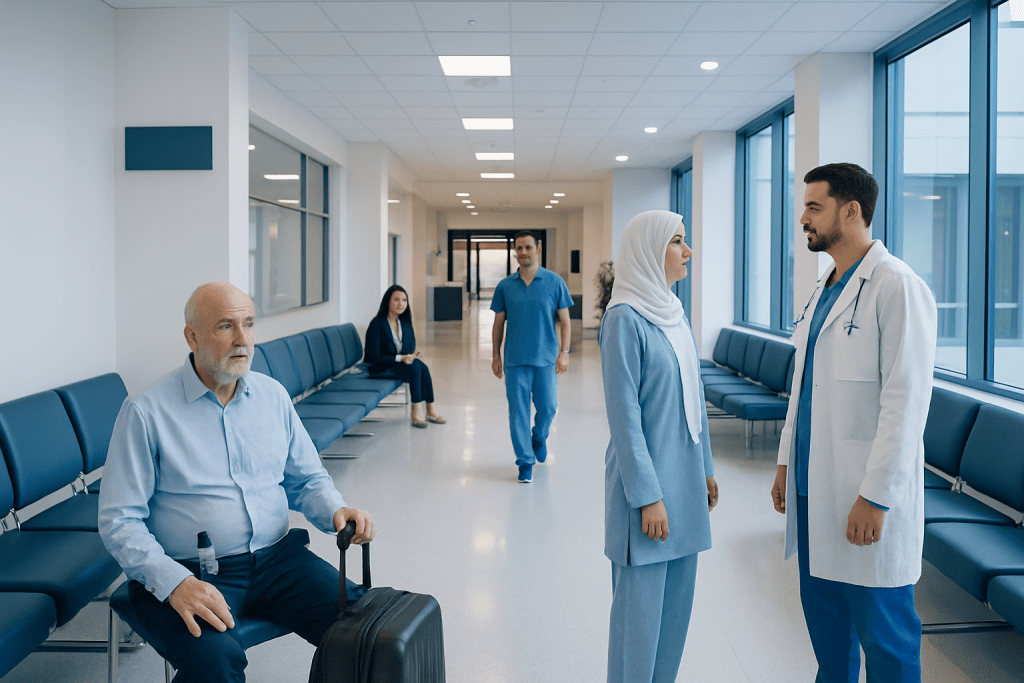
Traveling to Turkey for surgery with diabetes is safer when you plan medication, glucose monitoring, meals, flights, and hospital coordination in advance.
If you have diabetes and are planning surgery in Turkey, careful preparation can make your trip smoother and safer. This guide helps you organize your medication, travel timing, hospital communication, meals, and recovery plans before you leave home.
At a glance
- Best time to start planning: Ideally 3-6 weeks before travel
- Main priority: Stable glucose control and clear medication planning
- Bring with you: Medicines, prescriptions, supplies, and recent medical records
- Key travel concern: Meal timing, time zones, and insulin storage
- Hospital support: Interpreter, international patient coordination, and pre-arrival guidance
Why diabetes needs extra planning before surgery abroad
Traveling for surgery always involves logistics, but diabetes adds a few important safety details. Changes in meal times, airport delays, stress, time zone shifts, and fasting before surgery can all affect your blood sugar. That does not mean you cannot travel safely; it means your plan should be more structured than usual.
Before you confirm your trip, make sure both your local diabetes clinician and your surgical team know your full medical picture. Share whether you use insulin, tablets, a continuous glucose monitor, an insulin pump, or any emergency medications for low blood sugar. Also mention past episodes of severe hypoglycemia, diabetic ketoacidosis, wound healing problems, kidney issues, nerve symptoms, or heart disease.
When international hospitals receive this information early, they can plan your admission and perioperative care more smoothly. At Acibadem International, international patient teams can help collect reports before you travel, arrange translation support where needed, and make sure your surgical team understands your diabetes history before you arrive in Turkey.
What to discuss with your doctor before you book

Your first step is to ask whether you are fit to travel and whether this is the right time for surgery. If your blood sugar has been very high or very unstable, your doctor may recommend improving control before you fly. This can lower the risk of infection, dehydration, delayed healing, and unexpected changes around the time of anesthesia.
Ask for a written summary of your diabetes care. This should include your diagnosis, current medicines and doses, allergies, recent HbA1c if available, any complications, and what to do if your glucose runs low or high. If you use devices such as a pump or CGM, ask for guidance on using them during long travel and around imaging or surgery.
It is also wise to review your non-diabetes medicines. Some blood pressure drugs, blood thinners, steroids, and weight-loss or diabetes injections may need special timing before surgery. Do not stop anything on your own; instead, ask for a clear written plan for the days before travel, the day before surgery, and the morning of surgery.
- Ask whether you need extra blood tests before departure
- Confirm whether your current glucose control is acceptable for surgery
- Request a travel letter for airport security and medication transport
- Clarify exactly which medicines to take or pause before the procedure
How to organize medication, supplies, and documents
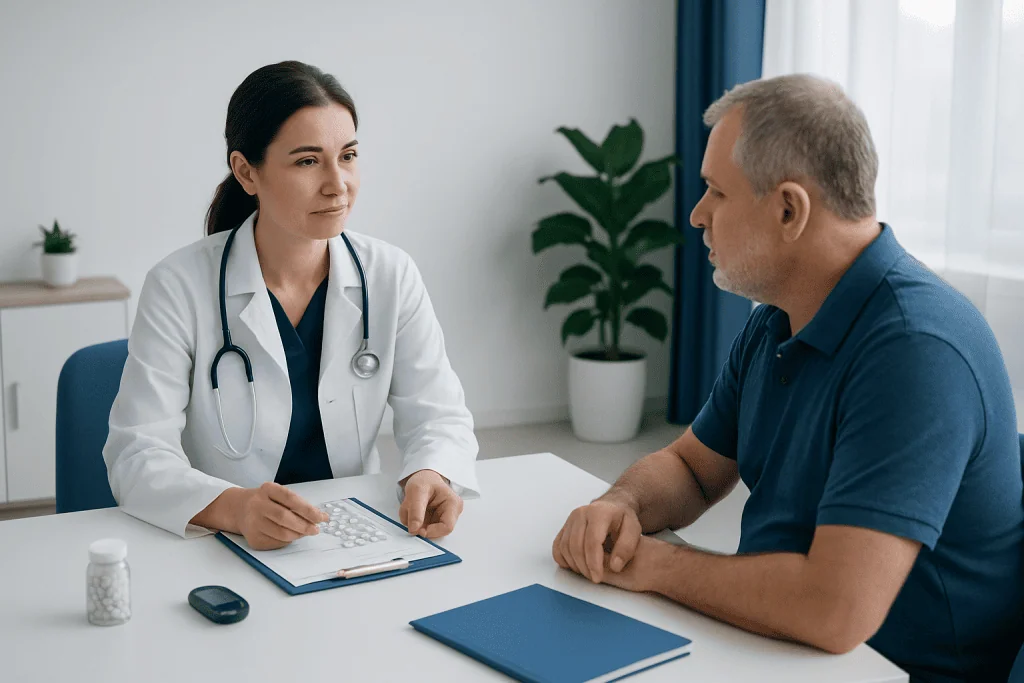
Pack more diabetes supplies than you think you will need. A good rule is to bring at least double the amount required for your planned trip, split between your carry-on and a second bag if possible. Delays happen, and it is much easier to be overprepared than to search for unfamiliar replacements in another country.
Keep all essential medicines in your hand luggage, never in checked baggage. This includes insulin, tablets, test strips, CGM sensors, pump supplies, lancets, glucagon if prescribed, and quick sugar sources for hypoglycemia. Insulin should be stored according to the manufacturer’s guidance, and you should protect it from extreme heat or freezing during travel.
Bring printed and digital copies of key documents. Useful items include your passport, visa documents if needed, hospital confirmation, prescriptions, medication list, recent lab results, ECG or specialist letters if relevant, and travel insurance information. If you wear a medical alert bracelet or carry a diabetes card, keep it visible and accessible during flights and hospital admission.
Acibadem International teams often guide patients on what records to send before arrival and what to carry in person. That kind of pre-arrival coordination can reduce stress on the day you travel and help avoid repeated questions after landing.
Managing flights, meals, and blood sugar on the way to Turkey
Travel days are often the least predictable part of your journey. You may wake early, eat at unusual times, sit for long periods, walk quickly through airports, or face delays. Any of these can change your glucose pattern, so check your levels more often than usual during travel, especially if your routine is being disrupted.
Keep snacks and fast-acting carbohydrates with you at all times. Do not rely only on airline meal timing. If you use insulin, think ahead about when you will actually eat, not when you expect to eat. Ask your diabetes clinician how to handle dose timing if you are crossing time zones, flying overnight, or likely to fast longer than usual.
Hydration matters too. Cabin air can be dehydrating, and dehydration can worsen high blood sugar. Drink water regularly unless your doctor has told you to limit fluids. For longer journeys, stand up and walk when you can, and consider compression advice if your clinician has recommended it because of circulation or clotting risk.
- Carry glucose tablets, juice, or another quick sugar source
- Set phone alarms for glucose checks and medication times
- Keep supplies easy to reach during takeoff, transit, and arrival
- Have a backup plan in case a meal is delayed or missed
Preparing for hospital admission and the day of surgery
As your surgery date approaches, the most important thing is clarity. You should know when to stop eating and drinking, which diabetes medicines to take the night before, and what to do on the morning of surgery. Because instructions differ depending on the type of diabetes, the procedure, and the medicines you use, ask for specific written directions rather than general advice.
Tell the hospital team if you have a history of low blood sugar without warning symptoms, frequent highs, kidney disease, foot ulcers, delayed wound healing, or recent infection. These details may influence monitoring and recovery planning. If you use a pump or CGM, confirm whether the device can stay in place during surgery or whether temporary adjustments are needed.
When you arrive in Turkey, share your medication schedule in local time so there is no confusion. At JCI-accredited hospitals within Acibadem International, multidisciplinary teams and international patient services can help coordinate communication between surgeons, anesthesiologists, nurses, and diabetes-related concerns. Interpreter support can also help if you want instructions explained slowly and clearly to you or your companion.
Recovery planning: wound care, meals, and when not to travel back too soon
Safe preparation is not only about the operation itself; it is also about the first days after. Surgery, pain, reduced appetite, antibiotics, stress, and lower activity can all affect glucose control. Before you travel, ask how often your glucose is likely to be checked in hospital, when you can restart your usual medicines, and what kind of meal progression to expect after the procedure.
If you will need special nutrition, mobility support, or help with dressings, plan that in advance. People with diabetes may need extra attention to wound care, hydration, and signs of infection. Make sure you know what is normal after surgery and what symptoms mean you should seek urgent medical advice.
Do not plan your return flight too aggressively. Give yourself enough time for post-operative review, medication adjustment, and practical recovery. Ask for a discharge summary in English, a follow-up contact route, and clear instructions for your doctor back home. Acibadem International can assist with aftercare coordination and practical questions such as accommodation timing or airport transfer planning if your mobility is limited after surgery.
Step by step
- Get medical clearance early. Speak to your diabetes clinician and the surgical team before you book flights. Confirm that your glucose control is stable enough for travel and ask for written guidance tailored to your medicines and planned procedure.
- Send your records in advance. Share recent reports, medication lists, allergies, and details of any diabetes complications before you travel. This gives the hospital time to review your case and helps avoid delays after arrival.
- Create a medication timing plan. Write down exactly what you will take the day before travel, on travel day, the night before surgery, and the morning of surgery. Include time zone adjustments so you are not making dosing decisions while tired or rushed.
- Pack a full diabetes travel kit. Bring more supplies than you expect to need, and keep essentials in your hand luggage. Include snacks for low blood sugar, spare batteries or chargers for devices, and copies of your prescriptions.
- Confirm fasting and admission instructions. A few days before surgery, double-check when to stop eating and drinking and which medicines to continue or pause. If anything is unclear, ask again rather than guessing.
- Plan your first days after surgery. Arrange accommodation, meals, mobility support, and transport with recovery in mind. Make sure you know who to contact if your glucose is unstable or if you notice wound concerns after discharge.
Your checklist
- Passport, travel documents, and hospital confirmation
- Written diabetes summary from your doctor
- Full medication list with doses and timing
- Extra insulin, tablets, test strips, sensors, or pump supplies
- Quick sugar snacks for low blood glucose
- Recent lab results and specialist letters if relevant
- Medical alert ID or diabetes card
- Travel letter for airport security and medicines
- Comfortable shoes and easy-access hand luggage
Key takeaways
- Diabetes does not prevent surgery travel, but it does require earlier and more detailed planning.
- Your safest approach is to coordinate your diabetes clinician, surgeon, and hospital before booking travel.
- Carry all essential medicines and monitoring supplies in your hand luggage, with extras for delays.
- Fasting, flight delays, stress, and time zone changes can all affect glucose, so monitor more closely than usual.
- Leave enough time in Turkey for post-operative review, wound checks, and medication adjustments before flying home.
Frequently asked questions
Can I travel to Turkey for surgery if I have diabetes?
In many cases, yes, provided your condition is reasonably stable and your doctors agree that travel and surgery are appropriate. The key is preparation: your medication plan, glucose monitoring, fasting instructions, and recovery arrangements should all be clear before you leave.
Should I tell the hospital about my diabetes even if it is well controlled?
Yes, always. Even well-controlled diabetes can affect fasting instructions, medication timing, wound healing, and blood sugar management around anesthesia. Share your full treatment plan, devices, and any past complications in advance.
How much diabetes medication should I bring?
Bring more than you expect to need, ideally enough for your planned stay plus extra for delays. Keep essential medicines and supplies in your carry-on luggage, along with prescriptions and a doctor's letter if possible.
What if I use insulin or a continuous glucose monitor?
Tell both your local diabetes team and the hospital exactly which devices you use. Ask whether your pump or CGM can stay on during surgery-related care, whether any temporary changes are needed, and how to manage alarms, sensors, or replacement supplies while traveling.
Will fasting before surgery affect my blood sugar?
It can, which is why you need a personalized plan. Some diabetes medicines may need dose changes or temporary pauses before surgery, but the timing depends on your treatment type and the procedure, so follow written instructions from your medical team.
Is it safe to fly home soon after surgery if I have diabetes?
That depends on your procedure, mobility, wound status, and glucose control after surgery. It is usually better not to schedule a very early return; give yourself time for a post-operative review and make sure you understand how to manage meals, medicines, and wound care during the journey.
How can Acibadem International help me prepare?
Acibadem International can help you organize your pre-arrival records, explain practical steps before admission, and support communication through international patient services and interpreters. Their JCI-accredited hospitals and multidisciplinary teams can also help coordinate diabetes-related considerations with your surgical care plan.
Add us as a Preferred Source to see more of our trusted health content across Google Search, AI Overviews and Discover.

More Patient Guides

How to Prepare for a Biopsy in Turkey: Questions, Timing, and Recovery Basics
Biopsy in Turkey preparation starts with the right questions, timing, travel plans, and recovery basics before and after your test in Istanbul…
9 min read
Questions to Ask Before Booking Surgery in Turkey
Questions to ask before booking surgery in Turkey: check surgeon, hospital accreditation, costs, aftercare, travel timing, and support in Istanbul.
9 min read
How to Pack for Surgery in Turkey: A Practical Patient Checklist
How to pack for surgery in Turkey: bring documents, medicines, comfort items, and recovery basics for a smoother stay in Istanbul or…
8 min read