

How to Prepare a Carry-On Bag for Treatment Travel to Turkey

Carry-on bag for treatment travel to Turkey: pack medicines, documents, comfort items, chargers, and one change of clothes for a smoother trip.
When you travel to Turkey for treatment, your carry-on should hold everything you may need in the first 24 to 48 hours, especially medicines, documents, and comfort items. Packing it well can make your journey calmer, protect essential items if checked baggage is delayed, and help you feel more prepared from airport to hospital.
At a glance
- Best for: Patients traveling to Turkey for consultations, tests, procedures, or surgery
- Main goal: Keep medical essentials, documents, and first-day comfort items with you
- Pack first: Passport, hospital papers, medicines, phone charger, and a change of clothes
- Avoid: Packing valuable or time-sensitive medical items in checked luggage
- Useful support: Interpreter, transfer, and arrival coordination through international patient services
Why your carry-on matters more than a regular trip
For treatment travel, your carry-on is not just a convenience bag. It is your backup plan, your document folder, your medication kit, and your comfort set for the journey. If your checked luggage is delayed, if your arrival takes longer than expected, or if you go directly from the airport to your hotel or hospital, the items in your cabin bag may be the only things you can rely on right away.
A good rule is simple: if you cannot safely or calmly spend your first 24 to 48 hours in Turkey without it, it should probably go in your carry-on. This usually includes your passport, treatment correspondence, recent test results, medications, chargers, glasses, and one change of clothing. If you use a medical device, mobility aid accessories, or special nutrition items, plan these carefully too.
Many international patients feel better when they divide their packing into three groups: medical essentials, travel documents, and comfort items. This makes airport checks easier and helps you find what you need quickly. If you are traveling to Acibadem International, keeping your admission details and coordinator contact information easy to reach can also simplify arrival and check-in.
The most important medical and travel documents to keep with you
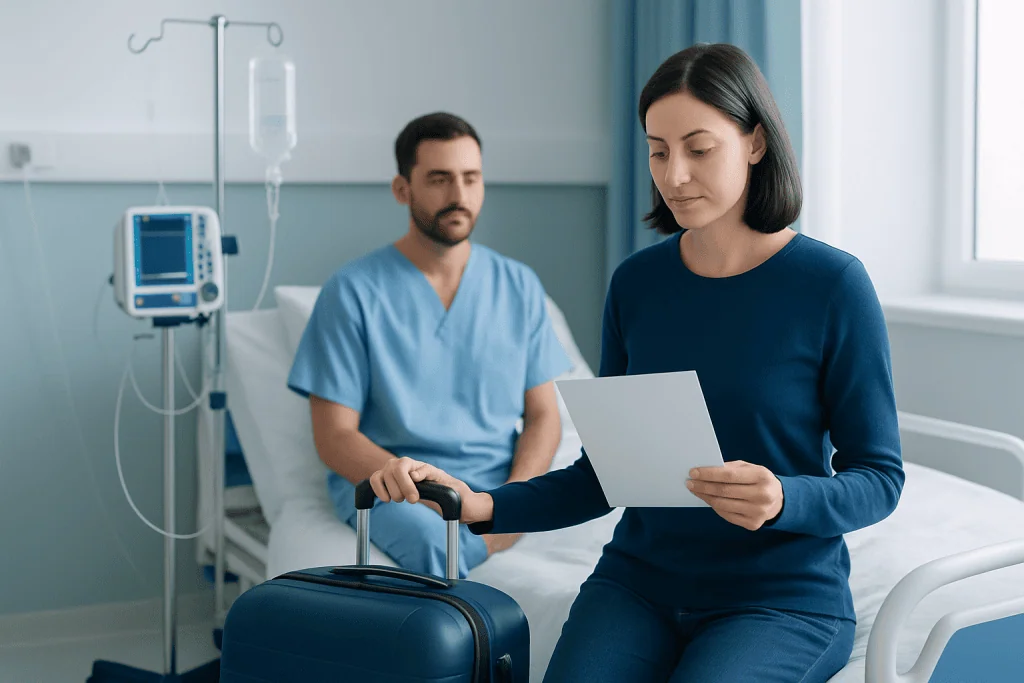
Your documents should stay in your carry-on, not in checked baggage. Put them together in a slim folder or zip pouch so you can access them at airport control, hotel check-in, and hospital registration without searching through your bag. Paper copies are useful even if you also store everything on your phone.
Include your passport, visa or entry documents if needed, flight details, hotel confirmation, hospital appointment letters, treatment plan summary, insurance documents if relevant, and emergency contact information. It is also helpful to carry printed copies of recent test results, imaging reports, medication lists, allergies, and a short medical history summary in English if available.
If you are traveling with Acibadem International, keep the contact details of your international patient coordinator where you can reach them quickly. Save the number in your phone, and carry it on paper too. If you need an interpreter, transfer support, or help adjusting timing after arrival, having the right contact on hand can reduce stress.
- Passport and identification
- Hospital booking or appointment confirmation
- Recent reports, scans, and lab results
- Medication list and allergy information
- Travel insurance and emergency contacts
- Coordinator, driver, or hospital contact details
Medicines, medical items, and health basics to pack in the cabin
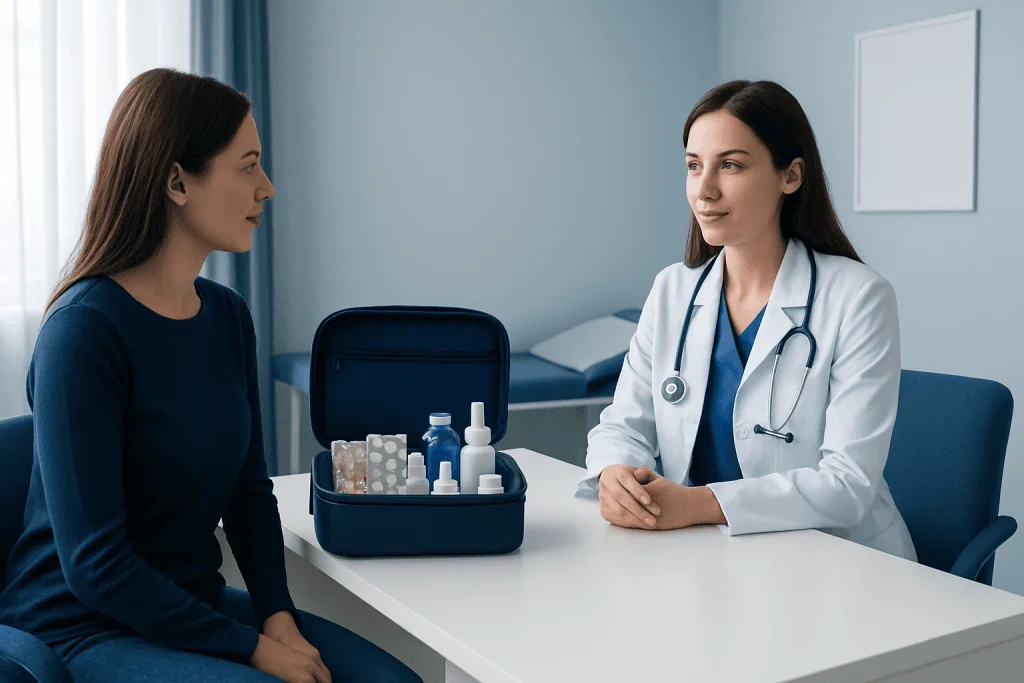
Your regular medicines should always travel with you in your carry-on. Keep them in original packaging whenever possible, with labels clearly visible. Bring enough for your travel days and a small extra supply in case of delays, but only within legal and airline rules. If you take prescribed medicines, carrying a doctor’s note or prescription copy is sensible, especially for injectable medicines, controlled substances, or items that may need explanation during security checks.
If you use glasses, hearing aids, inhalers, CPAP accessories, stoma supplies, compression stockings, or blood sugar monitoring items, keep the essentials with you. Batteries, chargers, adaptors, and small device components are easy to forget but can be very important. If any item is medically necessary during the flight, pack it where you can reach it without opening your whole bag.
It can also help to include a few simple health basics such as tissues, hand sanitizer, lip balm, a small moisturizer, and any clinician-approved snacks or hydration support you may need. If you have dietary restrictions or a condition that affects your energy, do not assume the airport or airline will have exactly what suits you. Pack carefully, but stay within airport security rules for liquids and gels.
If you are unsure whether to carry a medicine, cooling pack, or device in the cabin, ask your airline and your care team before you travel. International patient teams at hospitals such as Acibadem International can often guide you on what documents or practical preparations may help for your specific journey.
Comfort items that make treatment travel easier
Medical travel can involve longer waits, early check-ins, and periods when you feel tired, anxious, or uncomfortable. A few well-chosen comfort items can make the trip feel much more manageable. Think in terms of warmth, rest, hydration, and easy access rather than packing too much.
Useful carry-on comforts often include a light scarf or cardigan, socks, a neck pillow if you like one, headphones, a refillable water bottle to use after security, and a phone charger or power bank if permitted. If you may go for tests soon after arrival, wearing loose, easy-to-change clothes and slip-on shoes can save time and effort. Some patients also like to pack an eye mask, earplugs, or a calming playlist.
Include one change of underwear and one simple outfit in case your checked suitcase is delayed. This is especially helpful if you have a consultation, admission, or pre-treatment assessment soon after landing. If your treatment plan involves a hospital stay, choose something soft and practical rather than bulky.
If a family member or companion is traveling with you, coordinate your packing. There is no need to duplicate everything, but it helps if each of you carries a small set of essentials. That way, if one bag is temporarily out of reach, you still have what you need.
How to pack for airport security, long flights, and arrival in Turkey
Pack your carry-on in layers. Keep documents in one outer pocket, medicines together in a clear pouch, electronics in a section that is easy to remove, and liquids arranged according to airport rules. This reduces stress at security and helps you repack quickly without leaving important items behind.
For the flight itself, keep your most-used items at the top or in a personal item under the seat. This may include your passport, phone, charger, medicine due during the journey, tissues, lip balm, and a light sweater. You do not want to open overhead luggage every hour to find basic items.
Before you land in Turkey, make sure you know your airport pickup plan, destination address, and first point of contact. Screenshot your hotel and hospital details in case your phone signal is weak on arrival. If your treatment arrangements include transfers or interpreter support, confirm the meeting point and phone number in advance. Acibadem International often assists international patients with these practical details, which can make arrival smoother.
It is also wise to pack with your first day in mind. If you will go directly to your accommodation, think about what you will need to settle in comfortably. If you have same-day or next-day hospital appointments, keep those papers and any requested test records separate and easy to present.
What not to pack in checked luggage and when to ask for help
Some items should never be separated from you unless airline rules require otherwise. Do not place passports, wallets, essential medicines, test results, hearing aids, glasses, chargers for medical devices, or anything difficult to replace in checked baggage. Even on a smooth journey, checked luggage can be delayed, rerouted, or temporarily inaccessible.
Avoid overpacking your carry-on with nonessentials. Heavy bags are tiring to manage, especially if you are already dealing with symptoms or travel anxiety. Choose practical, multipurpose items and keep the bag organized. If lifting or walking is difficult for you, request airport assistance before your flight and let your hospital team know about any mobility or accessibility needs.
If you are unsure how much to bring, ask yourself three questions: Will I need this during the journey? Will I need it immediately after arrival? Would it be hard to replace if my suitcase is delayed? If the answer is yes, it belongs in the carry-on. If you are traveling for treatment at Acibadem International, your international patient services team can often help you think through arrival timing, companion needs, and practical support such as interpreters and transport coordination.
Step by step
- Start with your medical essentials. Pack your regular medicines first, before clothing or comfort items. Keep them in original packaging and include any prescription copies, dosing schedule, or clinician notes you may need during airport screening or after arrival.
- Create one dedicated document pouch. Place your passport, flight details, appointment confirmations, reports, and emergency contacts in one slim folder. This saves time at the airport and helps you stay organized if you need to show information quickly to airline staff, hotel reception, or hospital registration.
- Plan for the first 48 hours, not the whole trip. Your carry-on should help you manage the journey and your first day or two in Turkey. Pack one practical outfit, underwear, toiletries within travel rules, chargers, and any immediate-use medical items rather than trying to carry too much.
- Keep in-flight items easy to reach. Put anything you may use during the flight near the top of your bag or in a smaller personal item. This usually includes medicine due during travel, tissues, headphones, a sweater, and your phone charger.
- Check airline and airport rules in advance. Review baggage size limits, liquid rules, battery restrictions, and any medical documentation requirements before departure. If you carry special nutrition, sharps, or medical devices, confirm what is allowed so you avoid last-minute stress.
- Prepare your arrival plan before takeoff. Save your pickup details, hotel address, and hospital contacts offline on your phone and on paper. If your hospital has international patient support, keep that contact visible so you can quickly ask for help if your flight is late or your plans change.
Your checklist
- Passport and travel documents
- Hospital appointment letters and treatment correspondence
- Recent reports, scans, and test results
- Regular medicines in original packaging
- Prescription copies and allergy list
- Phone, charger, and suitable plug adaptor
- One change of clothes and underwear
- Glasses, hearing aids, or other daily medical aids
- Small comfort items such as tissues, lip balm, and socks
Key takeaways
- Your carry-on should cover your medical, document, and comfort needs for the first 24 to 48 hours.
- Always keep medicines, passport, test results, and key hospital contacts with you.
- Pack for easy airport screening by grouping documents, medicines, liquids, and electronics separately.
- Bring one change of clothes and essential daily aids in case checked baggage is delayed.
- If you need interpreters, transfers, or accessibility support, arrange it before travel and keep contact details handy.
Frequently asked questions
What is the most important thing to pack in a carry-on for treatment travel to Turkey?
Your passport, hospital documents, and regular medicines are the most important items. If checked baggage is delayed, these are the things that protect your treatment schedule, your safety, and your peace of mind.
Should I keep my medicines in original packaging?
Yes, that is usually the safest approach. Original packaging helps identify the medicine clearly, and a copy of your prescription or a doctor’s note can be helpful, especially for injectable or controlled medicines.
How much clothing should I put in my carry-on?
Keep it simple and practical. One change of clothes, underwear, and anything you need for the first day or two is usually enough, especially if your larger suitcase is delayed or you have an appointment soon after arrival.
Do I need printed medical records if I already have them on my phone?
It is wise to carry both. Phones can lose battery, connectivity may be limited, and printed copies are often easier to hand over during registration or when discussing your history with a care team.
What if I need help at the airport or after landing in Istanbul?
Arrange support before you travel if possible. Many international patient services teams, including Acibadem International, can help coordinate practical needs such as interpreters, transfers, and guidance on where to go after arrival.
Can I pack all my important items in my companion’s bag?
It is better to split essentials between bags while keeping your own critical items with you. Each traveler should have immediate access to key documents, medicines, and one or two comfort basics in case you are separated briefly during the journey.

More Patient Guides

How to Choose Recovery-Friendly Accommodation in Turkey After Treatment
Recovery-friendly accommodation in Turkey means a quiet, accessible, well-located stay with support for transport, meals, and follow-up visits in Istanbul or beyond.
9 min read
How to Pack Medical Devices and Supplies for Treatment Travel to Turkey
How to pack medical devices for treatment travel to Turkey: carry essentials in hand luggage, bring documents, chargers, and backup supplies.
9 min read
What to Pack for a Hospital Stay in Turkey: International Patient Checklist
What to pack for a hospital stay in Turkey: bring documents, medicines, comfort items, chargers, and a simple bag plan for Istanbul…
9 min read