

When You May Need Extra Recovery Time in Turkey Before Flying Home

Extra recovery time in Turkey before flying home may be needed if you have pain, swelling or travel restrictions after treatment in Istanbul.
You may need to stay in Turkey a little longer before flying home if your body needs more time to recover, your care team wants to review you again, or your airline journey would be too demanding too soon. This guide helps you understand what can affect your return date, what to watch for, and how to plan calmly if your stay needs to be extended.
At a glance
- Best for: Patients planning their return journey after treatment in Turkey
- Main concern: Knowing when it is safer to delay your flight home
- Who to ask: Your treating doctor and international patient coordinator
- Key factors: Type of treatment, pain control, swelling, mobility, wound care and airline fit-to-fly advice
- Practical support: Accommodation, transfers, interpreters and follow-up planning
Why you might need more time before flying
It is common to focus on the treatment date and the journey to Turkey, but your return flight also needs planning. After a procedure, scan, surgery or hospital stay, your body may need more recovery time than you first expected. Even if everything has gone well, your doctor may still advise a short delay before flying so they can check pain control, hydration, mobility, wound healing or medication effects.
Extra recovery time in Turkey before flying home does not always mean something is wrong. Sometimes it is simply the safer, more comfortable choice. Long airport walks, carrying bags, sitting for hours, changes in cabin pressure, and managing drains, dressings or medication schedules can all be harder than patients anticipate.
Your recommended timeline depends on your treatment, your general health, how you are recovering day by day, and the length of your flight. If you are traveling internationally, especially on a multi-leg route, your care team may be more cautious. At Acibadem International, the treating team and international patient services can help you look at the whole journey, not just the hospital discharge date.
Common signs that flying may need to wait
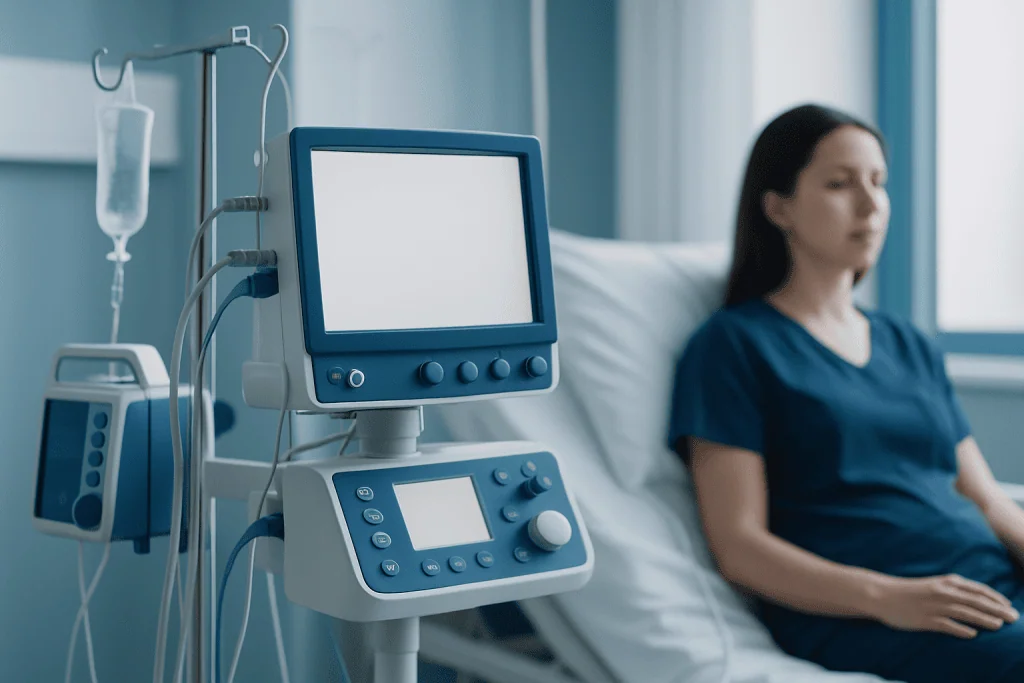
The clearest reason to stay longer is when your doctor tells you to. Beyond that, there are practical signs that your flight home may be too soon. These can include pain that is not yet well controlled with medication, dizziness, nausea, difficulty eating or drinking normally, limited mobility, new swelling, bleeding, fever, or a wound that needs closer observation.
You may also need more time if you still require regular dressings, IV medication, drain care, oxygen support, or help getting in and out of bed safely. For some patients, the issue is not the treatment site itself but the overall effort of travel. If you become very tired walking short distances, need a wheelchair unexpectedly, or feel unable to manage airport queues and security checks, a delay may be sensible.
Some concerns are more urgent. Seek medical advice promptly if you have chest pain, shortness of breath, calf pain or swelling, heavy bleeding, worsening confusion, severe vomiting, or sudden severe pain. These are not situations to manage alone in a hotel room. A JCI-accredited hospital environment such as Acibadem can provide the reassurance of multidisciplinary review if your travel plans need to change quickly.
What affects your doctor’s fit-to-fly advice

Fit-to-fly advice is individualized. Your doctor will think about the type of treatment you had, whether anesthesia was used, your risk of blood clots, infection concerns, your need for follow-up checks, and whether the journey could worsen symptoms. A short direct flight is very different from an overnight trip with multiple airport transfers.
They will also consider whether you can sit comfortably, walk safely, use the toilet independently, keep medications with you, and follow aftercare instructions while traveling. If you have special requirements such as compression garments, wound drains, oxygen, mobility support or a special seating request, these need to be sorted in advance with the airline.
For some patients, the safest plan is to extend the hotel stay for a few days and have one more review before departure. For others, the doctor may approve travel but ask you to break the journey, request airport assistance, drink fluids regularly, move your legs often, or arrange an escort. Acibadem International teams often help international patients coordinate these practical details so discharge and travel are connected rather than treated as separate events.
Practical arrangements if your stay in Turkey is extended
If you need to remain in Turkey longer, try to treat it as a logistics task rather than a setback. First, ask your care team how many extra days may be needed and whether you should stay near the hospital. Even if the estimate is not exact, a likely range helps you rebook flights, extend accommodation, and inform family or your employer.
Check whether you will stay in hospital, move to a hotel, or need a room with easier access, such as a lift, walk-in shower or extra bed for a companion. Make sure you understand how you will get to follow-up appointments and who to call at night or over the weekend if symptoms change. If language is a concern, ask about interpreter support for any additional visits or phone updates.
Acibadem International can often assist with practical coordination such as local transfers, interpreter arrangements and guidance around accommodation options for international patients. Keep all important documents together: discharge papers, prescriptions, imaging or test reports, passport, insurance documents, airline booking details and emergency contacts. Having these ready can make an unexpected extension much less stressful.
You should also review your medication supply. If your return is delayed, confirm you have enough pain relief, antibiotics or other regular medicines for the extra days, and ask how to store them properly. If you normally take medications from home, mention this early so there is time to arrange replacements or equivalents if needed.
How to prepare for the flight when you are cleared to travel
Once your doctor says you are ready to fly, a few small steps can make the journey easier. Ask for written travel advice if you have had recent treatment, especially if there are dressings, medical devices, injections, medication timing issues or mobility limitations. Some airlines may ask for a medical certificate or fit-to-fly letter, and it is better to have this prepared before you reach the airport.
Plan your route with recovery in mind. Airport assistance, wheelchair service, priority boarding and extra time between connections can reduce strain. Dress comfortably, keep your medication and medical papers in your hand luggage, and avoid packing anything essential in checked bags. If you are advised to move regularly during the journey, choose an aisle seat where possible and follow the guidance given by your doctor.
Hydration, rest and realistic pacing matter. Do not assume you will feel the same at the airport as you did in your hotel room. Build in breaks, accept help with luggage, and let your companion know what warning signs to watch for. If you are traveling alone, ask in advance what support is available from hospital staff, airport services and the airline so you are not managing everything at the last minute.
After you get home: follow-up still matters
Flying home is not the end of recovery. You may still need wound care, medication changes, activity restrictions or a review with your local doctor. Before you leave Turkey, make sure you understand what is normal in the coming days and what symptoms mean you should seek urgent medical care. Ask for written instructions in English if that is helpful for you or your doctor at home.
It is useful to know whether your next contact will be with your treating team in Turkey, your local physician, or both. Many international patients benefit from a clear handover plan that includes discharge summaries, test results and a list of medications. If your treatment was part of a wider care pathway, such as cancer care, orthopedics or cardiac treatment, multidisciplinary follow-up information can be especially important.
Acibadem International supports international patients not only during the hospital stay but also through practical follow-up communication after discharge. If questions come up after you return home, having a named contact route can make recovery feel more manageable. Keep all records accessible and do not wait too long to report concerning symptoms once you are back.
Step by step
- Ask for a realistic discharge-to-flight timeline. Before your treatment, ask how long patients usually stay in Turkey afterward and what could extend that timeline. This helps you book return travel with flexibility rather than relying on the earliest possible flight.
- Check in with your care team daily if recovery feels slower. If you are more tired, sore, swollen or dizzy than expected, let your doctor or nurse know early. Small concerns are easier to assess and manage before they turn into a rushed travel problem.
- Confirm whether you are medically fit to fly. Do not base your decision only on how you feel that morning. Ask whether you need formal fit-to-fly advice, a medical letter, extra medication, compression guidance or specific precautions for the journey.
- Rework your logistics around recovery, not convenience. If you need extra days in Turkey, prioritize staying near your treating hospital and arranging reliable transfers. A shorter, simpler journey to follow-up visits can be more valuable than sightseeing plans or a cheaper hotel farther away.
- Prepare your flight day support plan. Arrange airport assistance, luggage help, an escort if needed, and easy access to medicines, snacks and water. Keep your discharge papers and emergency contact numbers in your hand luggage.
- Leave Turkey with a clear aftercare plan. Before departure, make sure you know who to contact, what symptoms are expected, and what should prompt urgent review. Ask for reports and instructions that you can also share with your doctor at home.
Your checklist
- Ask your doctor for the earliest safe date to fly, not just the discharge date
- Keep your return flight flexible if possible
- Check whether you need a fit-to-fly letter for the airline
- Make sure you have enough medication for extra days in Turkey and the journey home
- Stay close to the hospital if follow-up visits are still likely
- Arrange airport wheelchair or mobility assistance in advance if needed
- Carry discharge papers, prescriptions and contact numbers in your hand luggage
- Know the warning signs that mean you should not travel yet
- Confirm your follow-up plan after you return home
Key takeaways
- You may need extra recovery time in Turkey before flying home even when treatment has gone well.
- Pain, swelling, limited mobility, wound care needs and long or complex flights can all affect travel timing.
- Always follow your treating doctor’s fit-to-fly advice rather than relying only on your planned ticket date.
- If your stay is extended, focus on practical steps such as nearby accommodation, medication supply and airport assistance.
- Clear discharge documents and follow-up instructions make the return home smoother and safer.
Frequently asked questions
How do I know if I need extra recovery time in Turkey before flying home?
The safest answer comes from your treating doctor, who knows your procedure, recovery progress and travel route. In general, you may need more time if you still have significant pain, swelling, bleeding, dizziness, limited mobility, nausea, wound concerns or a need for ongoing medical observation.
Is it normal for my return date to change after treatment?
Yes, this can happen and it does not always mean there is a complication. Recovery timelines are estimates, and some patients simply need a few more days before a long journey feels safe and manageable.
Can I fly if I feel well but my doctor advises waiting?
You should follow your doctor’s advice even if you feel better subjectively. Some travel risks are not obvious to you in the moment, especially after anesthesia, surgery, or treatment that increases clotting, swelling or wound-related concerns.
What practical help is available if I need to stay longer in Istanbul or elsewhere in Turkey?
International patient teams can often help you think through accommodation, transfers, interpreter support and follow-up scheduling. At Acibadem International, these services are designed to help international patients manage the practical side of an extended stay more calmly.
Should I tell my airline that I recently had treatment?
If you have any mobility limitation, medical device, wound care need, oxygen requirement, or if you may need assistance, yes. Some airlines also require medical clearance forms or a fit-to-fly letter, so it is best to check their rules as soon as your travel dates become clearer.
What should I keep with me on the flight home?
Carry your passport, discharge summary, prescriptions, medication, any fit-to-fly letter, emergency contact numbers and basic supplies such as dressings if advised. Keep these in your hand luggage so you can access them easily during delays or in transit.
What if I develop symptoms after I get home?
Do not ignore new or worsening symptoms once you return. Follow the discharge instructions you were given, contact your local doctor or emergency services when appropriate, and update your treating team in Turkey if they asked to be informed about certain warning signs.

More Patient Guides

Flying Home with a Cast, Brace, or Limited Mobility After Treatment in Turkey
Flying home with a cast, brace, or limited mobility after treatment in Turkey is possible with airline clearance, airport support, and a…
9 min read
How to Pack a Post-Surgery Flight Home Comfort Kit
Post-surgery flight home comfort kit essentials help you travel home from Turkey or Istanbul more comfortably, safely, and with fewer last-minute worries.
9 min read
When Is It Safe to Fly After Treatment in Turkey?
When is it safe to fly after treatment in Turkey? Usually only after your surgeon clears you, your pain is controlled, and…
9 min read