

Flying Home with a Cast, Brace, or Limited Mobility After Treatment in Turkey

Most people can fly home with a cast, brace, or limited mobility after treatment in Turkey, provided their treating doctor agrees with the travel date and the airline is informed in advance. The essentials are a fitness-to-fly check, the right documents in hand luggage, airport mobility assistance booked at least 48 hours ahead, and a seat and transfer plan that suits your restrictions.
Wondering how you will manage a busy airport on crutches, or whether your airline will let you board with a newly applied cast? These are fair questions, and they have practical answers. None of them requires luck, just preparation done in the right order.
Flying home with a cast, brace, or limited mobility after treatment in Turkey is usually manageable. What makes the difference is not the flight itself but the week before it: confirming with your treating doctor that your travel date is sensible, telling the airline what you need, and organising the journey so you spend your energy on recovery rather than logistics. This guide walks through each stage, clearance, documents, airport, cabin, and arrival, so nothing surprises you on travel day.
At a glance
- When to start planning: Ideally as soon as your discharge date is known; at the latest, 48–72 hours before the flight
- Core documents: Discharge summary, medication list, fit-to-fly note if your doctor or airline requires one, implant or imaging details if advised
- Ask the airline about: Wheelchair assistance, seating options, early boarding, how crutches and removable braces are handled on board
- Cast timing matters: Airlines are often cautious about very recently applied casts because of in-flight swelling, check both medical and airline advice
- Golden rule: Anything that involves standing, walking, lifting or explaining while tired should be arranged in advance
Why flying home with a cast, brace, or limited mobility after treatment in Turkey needs a plan
A flight home after treatment is not the same journey you made on the way in. You may be slower, sorer, and more dependent on other people than you were a week or two earlier. Airports involve long corridors, queues, security checks, stairs or steep jet bridges, and waiting in seats that were not designed for an immobilised limb. None of this is dangerous in itself, but each stage costs energy, and after recent treatment your energy budget is smaller than usual.
The first and most important step is medical, not logistical. Ask your treating team directly whether you are fit to travel on your planned date. This matters most if you had surgery recently, have significant swelling, are taking strong pain medication, or need help standing, walking, or using the toilet. Depending on your situation, your doctor may agree with the date, suggest a short delay, or recommend precautions specific to your procedure. If timing is uncertain, it is worth reading about when to book extra recovery days in Turkey before flying home, because a day or two of buffer is often easier to arrange before discharge than after.
If you are being treated at Acibadem International, the international patient services team helps with the practical side of departure, preparing a medical summary in English, providing language support, and explaining what to ask your airline and transfer provider. The aim is not a perfect journey. The aim is a predictable one, where every difficult moment has already been thought about.
Medical clearance, airline rules, and the documents you may need
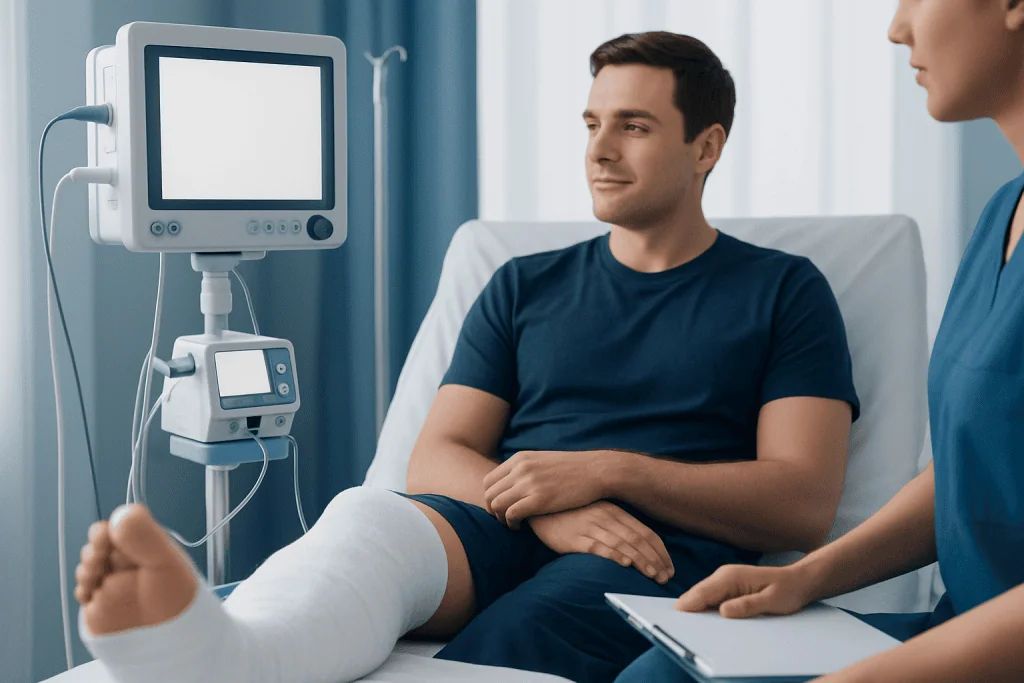
Every airline sets its own medical travel rules, so never assume that what one carrier accepts, another will. Some airlines want a recent fit-to-fly letter for passengers with a cast, a rigid brace, a wheelchair requirement, or reduced mobility after surgery. Others use a medical information form (often called a MEDIF) when a passenger needs special seating, a stretcher, oxygen, or assistance beyond standard wheelchair support. The only reliable way to know is to ask your airline directly, well before travel day. Our guide on when you need fit-to-fly clearance explains how these requirements typically work and who issues what.
Ask your hospital team for clear, simple documentation in English before you are discharged. A useful set usually includes:
- A discharge summary with your diagnosis, the treatment performed, and the date
- A fit-to-fly note, if your doctor recommends one or your airline requires it
- A full medication list, including doses and timing
- Any weight-bearing limits or movement restrictions, in writing
- Implant or device details if you have metal fixation, an external frame, or a prosthesis, see our guide on flying home with medical implants or prostheses for what security staff may ask
Keep every medical paper in your hand luggage, never in checked baggage. Save digital copies on your phone and send them to a companion or family member as a backup. If English is not your first language, ask for the key travel instructions in writing so you can show them at check-in or security without having to explain from memory while tired.
Why cast timing matters
If you have a full circumferential cast, the date it was applied is relevant to the airline, not just to you. A limb can continue to swell in the first days after injury or surgery, and cabin conditions on a long flight can make that swelling more noticeable. For this reason, many airlines are cautious about casts applied very recently, commonly within the previous 24 to 48 hours, and may ask for the cast to be split along its length, or for a splint or removable support to be used instead until the swelling settles. Whether any of this applies to you is a decision for your treating doctor together with the airline’s medical rules, not something to settle from general travel tips online. If you are also travelling with stitches or a surgical drain, the considerations overlap, raise them with your doctor in the same conversation so the whole picture is assessed at once.
Getting through the airport with less stress
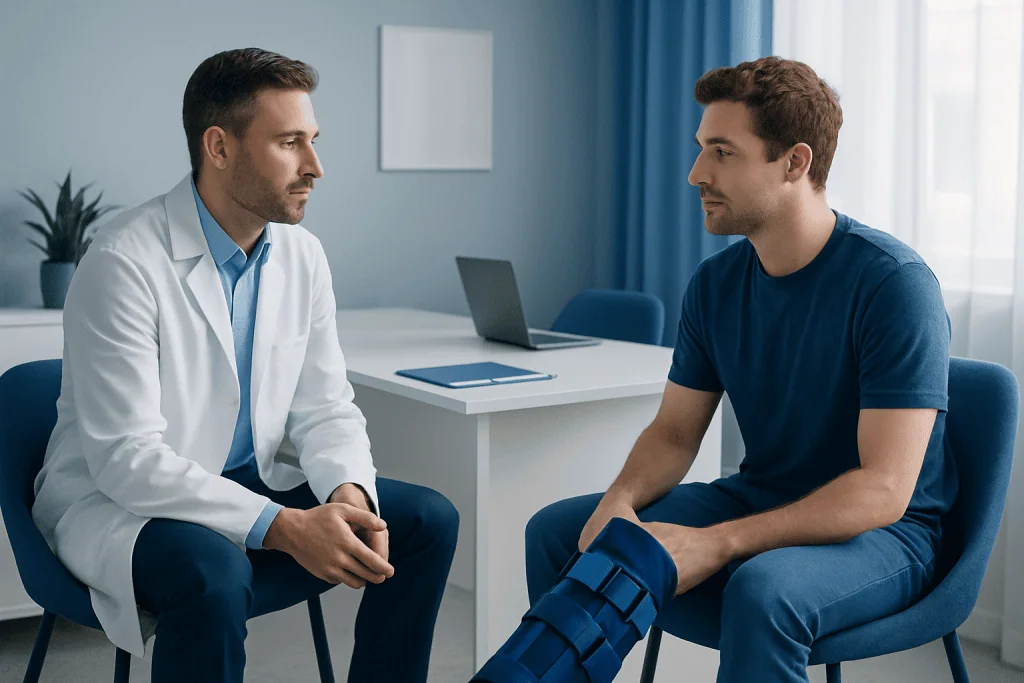
Airports demand more walking, standing, and waiting than most people remember. Istanbul’s main airports are large, and even short connections can involve long distances. If your mobility is limited, request wheelchair or mobility assistance directly from the airline as soon as your flight is confirmed, at least 48 hours before departure, and reconfirm the request the day before you travel. Assistance booked at the last minute is possible but far less reliable.
When you book assistance, be specific rather than polite. Airlines use different service levels, and the right one depends on honest answers to a few questions:
- Can you walk short distances, or do you need a wheelchair for the whole route?
- Can you climb the aircraft steps if there is no jet bridge?
- Can you transfer from a wheelchair into an aircraft seat without help?
- Do you use crutches or a brace but tire quickly? Say so, fatigue counts.
Plan your ground transport with the same care. Choose a transfer vehicle that is easy to get in and out of, with space to keep a leg elevated if your doctor has advised it, and room to stow crutches, a wheelchair, or a knee scooter safely. Hospital and hotel teams can often coordinate pickup timing so that discharge, transfer, and check-in flow into each other without rushing or long waits in uncomfortable seating.
Arrive earlier than you normally would. Extra time absorbs slow security lanes, rest breaks, and toilet stops that take longer than they used to. Wear clothing that is easy to adjust around a cast or brace, wide-legged trousers, slip-on shoes, layers rather than one heavy coat, and keep your passport, boarding pass, medication, and phone charger somewhere you can reach without bending, twisting, or lifting.
At security, a cast, brace, or metal implant may trigger additional screening. This is routine. Staff can usually screen a cast or rigid brace without removing it, and your written medical documents shorten any conversation considerably.
Comfort and safety during the flight
Once you are on board, your priorities narrow to four things: circulation, pain control, hydration, and keeping your limb or support device in a safe position. Everything else is comfort, which matters, but these four are the ones your treating team will have talked to you about.
Seating. If elevation has been advised, ask the airline what is realistically possible within its rules, bulkhead rows, extra-legroom seats, or in some cases a seat block. An aisle seat makes standing and toilet trips easier; a window seat protects an injured limb from passing trolleys and passengers. There is no universally correct choice, only the one that suits your restriction.
Medication. Take your prescribed medicines exactly as directed, keep them in original packaging in your hand luggage, and never put time-sensitive medication in checked baggage. If your journey crosses time zones, ask your treating team before you leave how to handle dose timing, do not improvise. Our guide on returning home with new medicines after treatment in Turkey covers carrying prescriptions across borders.
Movement and circulation. Long periods of sitting reduce blood flow in the legs, which is one reason doctors pay attention to travel plans after surgery on a limb. If your treating team says it is safe, change position regularly, gently move the joints that are not immobilised, and take short assisted walks on longer flights. If compression stockings or other precautions have been recommended, follow those instructions closely, and do not add new measures on your own after recent surgery.
Cabin crew. Tell the crew early that you have limited mobility or recent treatment. They cannot provide medical care, but they can arrange early boarding, help stow crutches or a removable brace, and give you extra time to stand and organise yourself. Small courtesies like these are much easier to arrange at the start of a flight than in the middle of one.
If you are travelling alone and doubt you can manage the journey independently, a companion or a professional escort changes the picture entirely. Our guide to medical escort services for flying home explains when that level of support makes sense.
What to pack in your hand luggage
Your hand luggage has to support you for the whole journey, hospital to home, not just the hours in the air. The test for every item is simple: would it be a problem if your checked bag arrived a day late? Medication, documents, and anything you need to function all pass that test and stay with you.
- Passport, tickets, and all medical documents, plus emergency contact details
- Prescribed medicines for the full journey in original packaging, with a little extra in case of delays if your doctor agrees
- A cushion or small support pillow if your team says it may help positioning
- Comfortable layers for changing cabin temperatures
- Instructions, battery details, or labels for any mobility aid you carry
- Phone, charger, tissues, wet wipes, and a light snack if permitted
Do not overload the bag. If lifting is restricted, use a small wheeled case or let a companion or airport assistant handle it. Ask the airline in advance how crutches, a sling, or a removable brace should be handled during boarding and where they will be stowed, policies vary, and knowing beforehand avoids an awkward negotiation in the aisle.
After landing: turning travel mode into recovery mode
It is normal to feel tired, stiff, or a little more swollen after a long journey. What counts as expected and what counts as worth reporting is something your treating team defines before you leave: a good discharge summary lists the specific changes to watch for with your particular cast, brace, or procedure, and tells you whom to contact and how quickly. Read that section of your paperwork before travel day, not after landing. Our guide on warning signs to report after surgery in Turkey explains why this conversation belongs before departure rather than after it.
Before you leave Turkey, confirm the rest of the follow-up plan too: whether you need a local doctor, physiotherapy, dressing care, imaging, or a virtual review once home, and when the cast or brace is due for reassessment or removal. Acibadem International teams routinely prepare a written discharge plan with a contact route for post-travel questions, which removes a lot of uncertainty from the first week at home. The whole sequence, discharge, paperwork, follow-up, flight, is easier to manage when you treat flying home with a cast, brace, or limited mobility after treatment in Turkey as one journey to plan, rather than a series of separate hurdles.
Keep your first day home deliberately simple. Arrange transport from the airport in advance, avoid unnecessary lifting, and have basic supplies, food, medication, phone charger, somewhere comfortable to elevate a limb, ready before you travel. A calm arrival is part of the recovery, not an interruption to it.
Step by step
- Confirm you are fit to fly. Speak to your treating doctor before finalising your journey home. Ask directly whether your cast, brace, pain level, swelling, and mobility make air travel appropriate on that date, and whether any precautions apply to your specific procedure.
- Contact the airline early. Tell the airline about your limited mobility, recent treatment, and any support device you are wearing or carrying. Request wheelchair assistance, discuss seating, and ask whether they require a fit-to-fly letter or a medical information form.
- Prepare your medical paperwork. Collect your discharge summary, medication list, movement restrictions in writing, and any travel letter your hospital provides. Keep everything in your cabin bag so it is at hand at check-in, security, boarding, and arrival.
- Plan airport and ground transfers. Arrange transport that minimises steps, long walks, and awkward vehicle entry at both ends of the journey. Ask your hospital or hotel to help coordinate timing so discharge, pickup, and check-in flow without rushing.
- Pack for access, not just convenience. Place medicines, documents, chargers, and comfort items where you can reach them without twisting or standing for long. If lifting is restricted, travel with a smaller bag and let a companion or airport assistant handle the rest.
- Manage the flight deliberately. Board with assistance if offered, settle your limb or brace safely, and follow your doctor’s advice on movement, hydration, and medication timing. Tell cabin crew early that you may need extra time to stand or use the aisle.
- Follow your aftercare plan at home. After landing, focus on rest, safe transport, and the follow-up steps your team set out, including who reviews the cast or brace, and when. Keep contact details for your home doctor and treating hospital easy to find.
Your checklist
- Ask your treating doctor whether you are fit to fly on your planned date
- Check your airline’s policy for casts, braces, recent surgery, and wheelchair support
- Request airport mobility assistance at least 48 hours before departure, and reconfirm it
- Carry your discharge summary, medication list, and any fit-to-fly note in hand luggage
- Keep all essential medicines in original packaging, with you at all times
- Choose loose, comfortable clothing that fits around your cast or brace
- Arrange an easy, step-free transfer at both ends of the journey
- Read the warning-signs section of your discharge plan before travel day, not after
Key takeaways
- Fitness to fly is a medical decision, confirm it with your treating doctor before booking or changing flights
- Airline rules vary widely; ask about documents, cast timing, and assistance levels directly and early
- Recently applied full casts get extra scrutiny from airlines because of in-flight swelling, timing and cast type matter
- Medicines and medical papers travel in hand luggage, never in checked bags
- Book mobility assistance at least 48 hours ahead and describe your limits honestly, including fatigue
- Your discharge plan, not the internet, defines what to watch for and whom to contact after landing
Frequently asked questions
Can I fly with a cast after treatment in Turkey?
Often yes, but it depends on the type of cast, how recently it was applied, your swelling, and your overall condition. Airlines are typically more cautious about full casts applied in the previous day or two. Your treating doctor’s advice and your airline’s own rules together decide the answer for your flight.
Will the airline provide a wheelchair at the airport?
Most airlines can arrange wheelchair or mobility assistance, but you normally need to request it in advance, ideally 48 hours or more before departure. Tell them exactly how much help you need, including whether you can walk short distances, climb aircraft steps, or transfer into your seat independently.
Do I need a fit-to-fly letter?
Not always. Some airlines ask for one after recent surgery, with a cast, or when special assistance is needed, while others do not. Ask your airline directly, and if a letter is required, request it from your hospital team before discharge so it is ready on travel day.
Can I take pain medication and other prescriptions in my hand luggage?
Yes, and essential medication should always stay with you rather than in checked baggage. Keep medicines in their original packaging and carry a medication list or prescription summary in case security or airline staff have questions.
What if my cast feels tighter during or after the flight?
Some change in comfort can happen after long periods of sitting. Your discharge instructions will set out which changes your treating team wants reported and how to reach them, read that section before you travel so you are not searching for it mid-journey.
Is it safe to travel alone with limited mobility?
Some people manage well alone; it depends on how independent you are with walking, toileting, carrying items, and managing medication. If you are unsure, travelling with a companion, arranging fuller airport assistance, or considering a professional medical escort can make the journey safer and far less tiring.
How are crutches and removable braces handled on board?
Policies vary by airline. Crutches are usually allowed in the cabin and stowed by the crew during taxi, take-off, and landing; removable braces can generally stay on unless your doctor has said otherwise. Ask the airline in advance so you know the arrangement before boarding rather than negotiating it in the aisle.
How can Acibadem International help before I leave Turkey?
The international patient services team helps with the practical side of departure: preparing medical documents in English, interpreter support, and guidance on airline requirements and transfer logistics. Patients typically leave with a written discharge plan and a contact route for post-travel questions.
Add us as a Preferred Source to see more of our trusted health content across Google Search, AI Overviews and Discover.

Update history
- PublishedAugust 6, 2026
- Medical review approvedSeptember 13, 2026
- Last content updateSeptember 12, 2026
References2
- CDC Yellow Book: Air Travel wwwnc.cdc.gov
- MedlinePlus: Deep Vein Thrombosis medlineplus.gov
More Patient Guides

Flying After a C-Section: Timing for New Mothers
A C-section is real abdominal surgery that happens to come with a newborn attached, so the flying question has two clocks…

When Can You Drive After Anesthesia or Sedation?
You feel fine an hour after the procedure. You are chatting, you walked to the car unaided, you could obviously drive it.…

Flying After Hip Replacement: When Is It Safe?
Hip replacement recovers famously well, many patients walk further at three weeks than they had in three years. Flying is part…

Flying After Knee Replacement: When Is It Safe?
The knee is new, the physio is going well, and there is a boarding pass with your name on it. Flying after…