

When You May Need Extra Recovery Time in Turkey Before Flying Home

Even when treatment goes well, your doctor may advise staying in Turkey a few extra days before flying home. Cabin pressure, long periods of sitting and the physical effort of airports all ask more of a recovering body than a hotel room does. The right departure date depends on your procedure, your day-by-day progress and your flight length, and it is set by your treating team, not your ticket.
You have a return flight booked, and now you are wondering whether you will actually be ready to take it. This is one of the most common questions international patients ask after treatment. The short answer: you may need extra recovery time in Turkey before flying home if your body needs longer than planned, your care team wants one more review before you leave, or the journey itself would demand too much of you too soon.
This guide explains what shapes a safe departure date, which signs tell doctors that flying should wait, how different treatments change the timeline, and how to manage the practical side of an extended stay, flights, hotels, medication supply and paperwork, without turning it into a crisis.
At a glance
- Best for: International patients planning the return journey after treatment in Turkey
- Main question: When is it safer to delay the flight home, and who decides
- Who decides: Your treating doctor, supported by your international patient coordinator for logistics
- Key factors: Type of treatment, pain control, swelling, mobility, wound care, flight length and airline requirements
- Practical side: Rebooking, accommodation near the hospital, transfers, interpreters and follow-up planning
Why you may need extra recovery time in Turkey before flying home
Most patients plan the journey to Turkey in detail and treat the journey home as an afterthought. It deserves the same attention. After surgery, a procedure under anaesthesia or a hospital stay, your body may need more time than the itinerary you booked months earlier allowed for. Even when everything has gone to plan, your doctor may still prefer a short delay so they can check pain control, hydration, mobility, wound healing or how you are responding to medication before you sit on an aircraft for hours.
Needing extra recovery time in Turkey before flying home does not usually mean something has gone wrong. Often it is simply the more comfortable, lower-risk choice. Long airport corridors, security queues, lifting bags into overhead lockers, hours of sitting, changes in cabin pressure and managing dressings or medication schedules in transit are all harder than they sound when you are a few days out of theatre.
Your timeline depends on what was done, your general health, how each day of recovery is actually going, and the length and shape of your flight. A two-hour direct flight and an overnight multi-leg route with tight connections are very different propositions, and your care team will treat them differently. The honest position is this: the date on your ticket is a plan, not a medical decision. If you want to understand the typical windows doctors work with, see how long before flying home you can travel after treatment in Turkey.
What a flight asks of a recovering body
It helps to understand why doctors care about the flight itself, not just the calendar. Aircraft cabins are pressurised, but not to sea level: the air pressure in flight is closer to what you would find at moderate altitude. That means slightly less oxygen is available, which matters more after cardiac, lung or major surgery, and it means gas trapped inside the body expands. This is why recent abdominal, eye, ear or chest procedures often carry specific waiting periods before flying.
Cabin air is also dry, which works against wound comfort and hydration, and long periods of sitting still raise the risk of blood clots in the legs: a risk that is already elevated after surgery. Doctors weigh all of this alongside the practical load: standing in queues, walking between gates, and coping if a flight is delayed and a short journey becomes a long day.
None of this makes flying after treatment unusual or alarming. Millions of patients do it safely. It simply explains why fit-to-fly decisions are individual, and why a few extra days on the ground can change the equation considerably.
Common signs that flying may need to wait
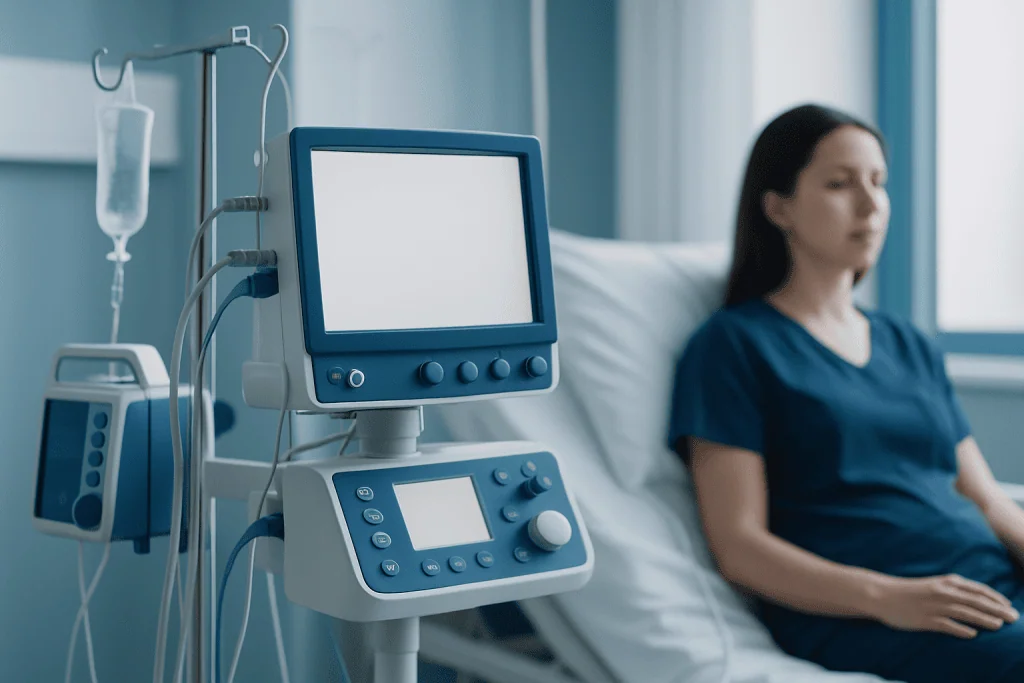
The clearest reason to stay longer is that your treating doctor advises it. Beyond that, there are practical patterns that usually push a departure date back. Care teams tend to delay travel when a patient still has:
- Pain that is not yet well controlled on the current medication plan
- Dizziness, nausea or difficulty eating and drinking normally
- Limited mobility, struggling with stairs, long walks or getting in and out of chairs
- New or increasing swelling, bleeding, fever, or a wound that needs closer observation
- Ongoing needs such as regular dressing changes, IV medication, drain care or oxygen support
Sometimes the issue is not the treatment site at all but overall stamina. If walking a hospital corridor leaves you exhausted, an international airport will be worse. That alone can justify a later flight.
Some findings carry more weight than others. Doctors treat chest pain, breathlessness, calf pain or one-sided leg swelling, heavy bleeding, confusion, persistent vomiting or sudden severe pain as reasons to pause travel plans entirely until the cause has been properly assessed. A fuller picture of what clinicians look for is in our guide to warning signs after surgery in Turkey that matter before flying home.
How your treatment type shapes the timeline
There is no single waiting period that fits every patient, but the logic behind the timelines is consistent.
Facial and cosmetic surgery
After rhinoplasty or a facelift, surgeons usually want to see you at least once after the operation, often to remove a splint, drains or sutures and to check how swelling is settling, before they are comfortable with a long flight. For rhinoplasty this commonly means staying until the external splint comes off; for a facelift, until the surgeon has reviewed the incision lines and any bruising. Cabin pressure changes and dry air can be genuinely uncomfortable on a healing nose or face, which is another reason surgeons prefer not to rush this window.
Abdominal and laparoscopic procedures
Keyhole surgery often uses gas inside the abdomen, and residual gas expands at altitude. Combined with wound healing and anaesthesia recovery, this is why abdominal procedures tend to carry firmer waiting advice than their small incisions suggest.
Orthopaedic surgery
Joint and bone surgery raises two travel questions at once: can you move safely through an airport, and can you sit for hours without raising your clot risk unacceptably? Expect your surgeon to look closely at your mobility, your walking aids and your flight duration before agreeing a date.
Cardiac, thoracic and complex care
After heart, lung or major surgery, the reduced oxygen in a cabin becomes part of the calculation, and airlines themselves may require formal medical clearance before you board. These pathways usually involve the longest stays and the most structured sign-off.
Shorter procedures
Dental work, hair transplants and many diagnostic procedures typically allow earlier travel, but even here a review appointment before departure is common, and worth keeping, because problems are far easier to address in the treating hospital than from another country.
What affects your doctor’s fit-to-fly advice

Fit-to-fly advice is individual, and it goes beyond the procedure name. Your doctor will consider whether anaesthesia was used, your clot risk, any infection concerns, whether further checks are pending, and whether the journey could worsen symptoms. They will also ask practical questions: can you sit comfortably for the flight’s duration, walk safely, use the toilet independently, keep your medication with you, and follow your aftercare instructions in transit?
The answer is rarely a flat yes or no. For some patients the plan is to extend the hotel stay and have one more review before departure. For others, the doctor approves travel but attaches conditions, break the journey, request airport assistance, drink fluids regularly, move your legs often, wear compression garments if prescribed, or travel with a companion. If you need drains, oxygen, mobility support or particular seating, these must be arranged with the airline in advance, not at the gate.
Some situations call for a formal letter or certificate rather than verbal advice. Our guide on when you need fit-to-fly clearance before flying home from Turkey explains when a document is required and who issues it. At Acibadem, the treating team and international patient services look at the whole journey together, so that discharge and travel are connected decisions rather than separate events.
Practical arrangements if your stay in Turkey is extended
If you do need to stay longer, treat it as a logistics task rather than a setback. Start by asking your care team for a realistic range, even an inexact estimate of extra days lets you rebook flights, extend accommodation and inform family or your employer with some confidence.
Then work through the basics. Will you remain in hospital, or move to a hotel? If a hotel, does the room suit your recovery: a lift, a walk-in shower, space for a companion, and a short, reliable route back to the hospital for follow-up visits? Proximity to your treating hospital is usually worth more than a nicer room across the city. Make sure you know how you will reach appointments and who to reach at night or over a weekend if your condition changes. If language is a concern, ask about interpreter support for any additional visits.
Review your medication supply early. If your return is delayed, confirm with your team that you have enough of your prescribed medicines for the extra days and the journey, and ask how they should be stored. If you normally take medicines from home, mention this promptly so there is time to arrange equivalents through the proper channels: this is a conversation for your treating doctor, not something to improvise.
Finally, keep your documents together: discharge papers, prescriptions, imaging and test reports, passport, insurance papers, airline booking details and emergency contacts. A single folder, physical or digital, makes an unplanned extension far less stressful. Acibadem’s international patient teams can often help with the coordination side of an extended stay: transfers, interpreter arrangements and guidance on accommodation. The practical steps are described in what to do if you need extra recovery days in Turkey.
Working with your airline
Airlines are used to passengers travelling after medical treatment, but they work on notice, not goodwill at the gate. If you have a mobility limitation, a medical device, wound care needs, an oxygen requirement or you may need a wheelchair, tell the airline when you rebook, most ask for at least a couple of days’ notice for special assistance, and some services cannot be added later.
For certain conditions, particularly after recent surgery or cardiac and respiratory events, airlines may require a medical information form completed by a doctor before they accept you on board. Rules differ between carriers, so check the specific airline’s requirements as soon as your new travel date firms up rather than assuming your original booking’s terms still apply. Flexible or changeable fares are worth their premium after treatment; if your original ticket is rigid, ask the airline about medical rebooking policies before buying a new one.
Seat choice matters more than usual. An aisle seat makes regular movement easier; extra legroom helps after orthopaedic surgery; and a shorter connection is not automatically better if it means running between gates.
Preparing for the flight once you are cleared
When your doctor confirms you are ready, a few small steps make the day much easier. Ask for written travel advice if you have dressings, devices, injections, medication timing to manage or mobility limits, and carry any fit-to-fly letter where you can reach it. Before you pack, check you have every document you will need on both sides of the journey; our guide to the discharge papers you need before flying home from Turkey lists them.
Keep medication, prescriptions and medical papers in your hand luggage, never in checked bags. Dress comfortably, build in generous time at the airport, accept help with luggage, and if you have been advised to move regularly, choose an aisle seat and follow the specific guidance your doctor gave you. Do not assume you will feel the same at the airport as you did in your hotel room, pace the day accordingly. If you are travelling alone, find out in advance what support the hospital, airport and airline can each provide, so nothing depends on last-minute improvisation.
After you get home: follow-up still matters
Landing is not the end of recovery. You may still need wound care, activity restrictions, medication reviews or an appointment with your local doctor. Before leaving Turkey, make sure you understand what is normal in the coming days, what your written instructions say, and how your follow-up is structured, whether your next contact is with your treating team in Turkey, your local physician, or both. Ask for reports and instructions in English if that helps you or your doctor at home.
A clear handover, discharge summary, test results, medication list, makes the transition smoother, especially if your treatment sits inside a longer pathway such as oncology, orthopaedics or cardiac care. It also helps to have your home ready before you land: our guide on preparing your home for recovery before leaving Turkey covers what to arrange in advance. Keep your records accessible after you return, and follow the reporting arrangements your team set out rather than waiting to see how things develop.
Step by step
- Ask for a realistic discharge-to-flight timeline before treatment. Find out how long patients typically stay in Turkey after your procedure and what could extend that window, then book return travel with flexibility rather than the earliest possible flight.
- Tell your care team early if recovery feels slower. More tiredness, pain, swelling or dizziness than expected is easier to assess on day two than the morning of your flight.
- Get an explicit fit-to-fly decision. Do not rely on how you feel that morning. Ask whether you need formal clearance, a medical letter, extra medication supply, compression guidance or specific precautions for the journey.
- Rework logistics around recovery, not convenience. If you need extra days, stay near your treating hospital with reliable transfers. A short, simple route to follow-up visits beats a cheaper hotel across the city.
- Build your flight-day support plan. Arrange airport assistance, luggage help and an escort if needed. Keep medicines, water, snacks, discharge papers and contact numbers within reach in your hand luggage.
- Leave with a clear aftercare plan. Before departure, confirm who your follow-up contact is, what is expected in the coming days, and which documents your doctor at home will need.
Your checklist
- Ask your doctor for the earliest safe date to fly, not just the discharge date
- Keep your return flight flexible, or check the airline’s medical rebooking policy
- Confirm whether you need a fit-to-fly letter or an airline medical form
- Make sure your medication supply covers extra days in Turkey plus the journey
- Stay close to the hospital if follow-up visits are still likely
- Book airport wheelchair or mobility assistance in advance if you may need it
- Carry discharge papers, prescriptions and contact numbers in your hand luggage
- Know which signs your team said should delay travel
- Confirm your follow-up plan for after you return home
Key takeaways
- You may need extra recovery time in Turkey before flying home even when treatment has gone entirely to plan.
- Cabin pressure, dry air, prolonged sitting and airport effort all ask more of a recovering body than a hotel room does.
- Pain control, swelling, mobility, wound care needs and flight length all feed into your doctor’s fit-to-fly decision, follow it over your ticket date.
- If your stay is extended, focus on logistics: nearby accommodation, medication supply, airline notice and airport assistance.
- Clear discharge documents and a defined follow-up plan make the journey home, and the weeks after it, considerably smoother.
Frequently asked questions
How many days should you stay in Turkey after a facelift before flying home?
Long enough for your surgeon to review healing at least once after the operation, typically until sutures or clips have been checked and any early swelling or bruising has been assessed. In practice this often means staying beyond the first week, but the number that matters is the one your own surgeon gives you after examining you, because skin quality, the extent of surgery and your flight length all change it.
How long should I stay in Turkey after rhinoplasty before flying?
Most surgeons want you to stay until the external splint is removed and healing has been checked, which commonly falls around the end of the first week. Cabin pressure changes and dry air can be uncomfortable on a healing nose, so surgeons tend to be cautious about early long-haul flights. Your surgeon confirms the exact date based on your review.
How do I know if I need extra recovery time in Turkey before flying home?
The reliable answer comes from your treating doctor, who knows your procedure, your progress and your route home. In general, doctors extend stays when there is still significant pain, swelling, bleeding, dizziness, limited mobility, nausea, a wound needing observation, or an ongoing need for dressings, drains or IV medication.
Is it normal for my return date to change after treatment?
Yes, and it does not automatically mean a complication. Recovery timelines are estimates made before anyone knows how your body will respond. Some patients simply need a few more days before a long journey is sensible, which is why flexible tickets are worth considering from the start.
Can I fly if I feel well but my doctor advises waiting?
Follow your doctor’s advice even if you feel fine. Some travel risks, clotting after surgery, gas expansion at altitude, reduced cabin oxygen, are not things you can feel in a hotel room. Feeling well on the ground is not the same as being ready for several hours in the air.
Do airlines need to know that I recently had treatment?
If you have any mobility limitation, medical device, wound care need or oxygen requirement, or you may need assistance, yes. Some airlines require a medical information form or fit-to-fly letter before boarding after recent surgery. Check your carrier’s rules as soon as your travel date firms up, since assistance services usually need advance notice.
Is revision or follow-up support handled in Turkey, or after I go home?
Both, depending on timing. Concerns identified during your stay are normally reviewed in Turkey before departure, one good reason not to book the earliest possible flight. After you return, minor matters are often managed by your local doctor with reports shared with your treating team, while anything requiring the original surgeon may mean a return visit. Ask how this is handled, and get it in writing, before you book treatment.
Add us as a Preferred Source to see more of our trusted health content across Google Search, AI Overviews and Discover.

Update history
- PublishedAugust 6, 2026
- Medical review approvedSeptember 13, 2026
- Last content updateSeptember 12, 2026
References3
- Travelers' Health – Centers for Disease Control and Prevention wwwnc.cdc.gov
- Deep vein thrombosis (DVT) – NHS nhs.uk
- Traveler's Health – MedlinePlus medlineplus.gov
More Patient Guides

Flying After a C-Section: Timing for New Mothers
A C-section is real abdominal surgery that happens to come with a newborn attached, so the flying question has two clocks…

When Can You Drive After Anesthesia or Sedation?
You feel fine an hour after the procedure. You are chatting, you walked to the car unaided, you could obviously drive it.…

Flying After Hip Replacement: When Is It Safe?
Hip replacement recovers famously well, many patients walk further at three weeks than they had in three years. Flying is part…

Flying After Knee Replacement: When Is It Safe?
The knee is new, the physio is going well, and there is a boarding pass with your name on it. Flying after…