

Medical Travel to Turkey with Diabetes: Pre-Procedure Planning Guide

Medical travel to Turkey with diabetes is safest with early planning for medicines, meals, records, and airport logistics in Istanbul or beyond.
If you are traveling to Turkey for a procedure and you live with diabetes, careful planning can make the trip much smoother and safer. This guide helps you organize medicines, meals, records, airport timing, and support services so you can focus on your treatment with more confidence.
At a glance
- Best time to prepare: Start 2-4 weeks before travel if possible
- Top priority: Keep glucose, medication, meals, and timing stable
- Bring with you: Medicines, prescriptions, glucose supplies, snacks, and records
- Share before arrival: Your diabetes type, medicines, allergies, and recent results
- Ask your hospital about: Fasting instructions, interpreter help, meal timing, and medication plans
Why diabetes needs extra travel planning
Travel for medical care already involves appointments, flights, unfamiliar routines, and changes in eating and sleeping patterns. When you also have diabetes, even small disruptions can affect your blood glucose. That is why the safest approach is to plan ahead rather than trying to adjust everything after you arrive.
Your main goal is simple: keep your diabetes routine as steady as possible while fitting it around your treatment schedule. This usually means thinking through medication timing, airport delays, fasting rules, hydration, meals, and how you will monitor your glucose during transit and at the hospital.
If you are traveling to a large center such as Istanbul, you may find the logistics easier when your hospital has international patient services. At Acibadem International, for example, patients can coordinate records, transfer questions, interpreter support, and practical arrangements in advance, which can reduce stress and help avoid last-minute confusion.
What to organize before you book or confirm dates
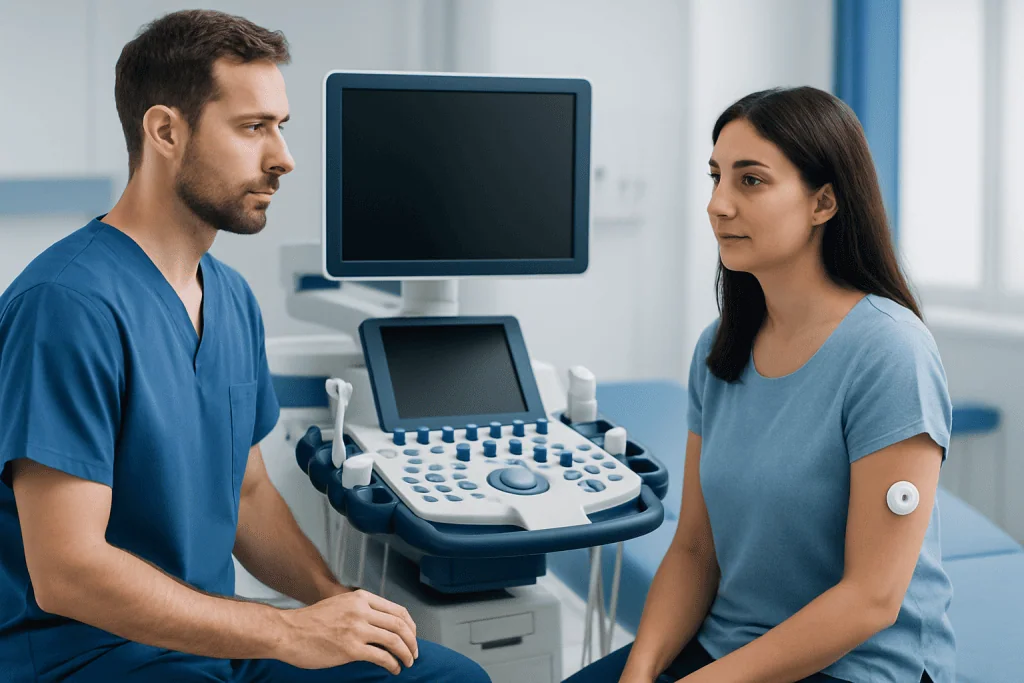
Before finalizing travel dates, tell your treating team and the hospital in Turkey that you have diabetes. Share whether you have type 1 diabetes, type 2 diabetes, gestational diabetes, insulin use, an insulin pump, a continuous glucose monitor, or a history of hypoglycemia. Also mention any kidney problems, heart disease, foot issues, or recent infections, as these details may affect scheduling and preparation.
Ask for clear written instructions about fasting, medication adjustments, and expected meal timing on the day of your procedure. Fasting can be particularly important for people taking insulin or glucose-lowering tablets, and assumptions can be risky. You should not rely on general advice alone when your treatment timing, current control, and medication regimen are unique to you.
It helps to send recent medical records before you travel. Useful items include a medication list, allergies, recent HbA1c if available, recent glucose logs, discharge summaries, and contact information for your regular diabetes doctor. Hospitals such as Acibadem International can review this information in advance so the care team understands your baseline routine and can plan more safely around it.
Packing medicines, devices, and documents the smart way
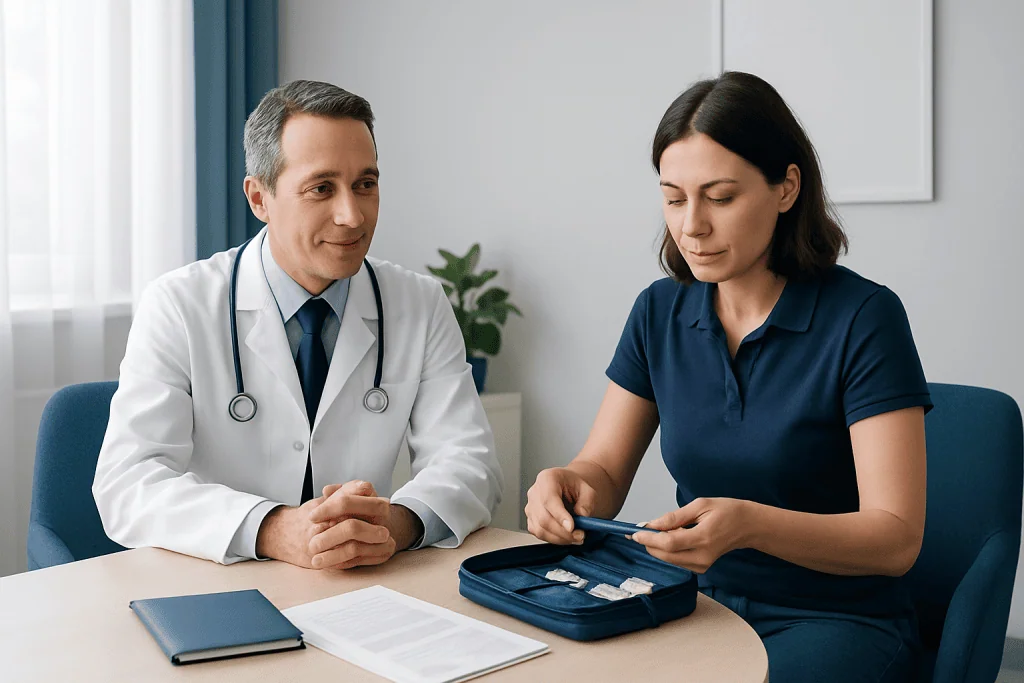
Keep all diabetes medicines and supplies in your hand luggage, not checked baggage. Delays, lost luggage, temperature changes, or tight arrival schedules can create avoidable problems if your insulin, tablets, glucose meter, sensors, or pump supplies are not immediately available. Bring more than you think you will need in case of travel delays or a longer stay.
Your travel bag should include your medicines in original packaging, a copy of your prescriptions, your glucose meter and strips, charger cables, pump or sensor supplies, alcohol swabs, lancets, and a small sharps container if practical. Pack quick-acting carbohydrate such as glucose tablets or juice boxes, along with longer-lasting snacks like crackers or nuts, especially if your meals may be delayed.
Documents matter too. Carry a concise medical summary that lists your diagnosis, current medication doses, allergies, recent relevant test results, emergency contacts, and whether you use insulin, a pump, or a continuous glucose monitor. If you are traveling to Turkey from abroad, having this summary in English is especially useful for airport discussions and for your hospital team on arrival.
- Keep medicines in your cabin bag
- Bring extra supplies for delays
- Carry prescriptions and a medical letter
- Pack hypoglycemia treatment within easy reach
Managing flights, airports, meals, and time changes
Travel days are often the most unpredictable part of your trip. Long check-in lines, security, delayed boarding, and unfamiliar food options can shift your normal routine by several hours. Build extra time into your airport plan so you are not rushed, and eat strategically rather than waiting until you are already feeling unwell or low.
If you cross time zones, ask your diabetes clinician before travel how to handle medication timing, especially if you use insulin. Even a modest time difference can matter if your dosing schedule is fixed. It is usually best to have a personalized plan written down before you depart so you do not need to make decisions while tired or under pressure.
Stay hydrated, but balance that with your comfort during transfers and clinic visits. Wear your glucose monitoring device where it is easily accessible, and check more often than usual if your routine changes, your stress is higher, or you are eating irregularly. If you use a pump or CGM and have questions about airport screening, ask your device manufacturer and your clinical team in advance.
How to plan around fasting, procedures, and hospital routines
The biggest safety issue for many patients with diabetes is the period before a procedure, when you may need to fast or follow special instructions. Do not assume the same rules apply to everyone. Your medication plan may need to change depending on the procedure, the anesthesia plan, and whether you take insulin, sulfonylureas, metformin, or other glucose-lowering medicines.
Contact the hospital before the procedure day and confirm exactly when to stop eating, whether you may drink clear fluids, and what to do with each diabetes medication. If any instruction seems unclear, ask again. It is much better to clarify in advance than to arrive fasting but over-medicated, or to take a dose that later causes hypoglycemia.
Once you arrive, remind every relevant team member that you have diabetes, even if it is already in your record. This includes admissions staff, nurses, anesthetic teams, and any ward team caring for you afterward. In JCI-accredited settings such as Acibadem International hospitals, multidisciplinary teams and international patient coordinators can help align these details, including interpreter support if you prefer to discuss instructions in your own language.
Meals, recovery, and staying steady after your procedure
After a procedure, your appetite, activity level, and stress response may change for a few days. Some people eat less because of nausea or discomfort, while others experience higher glucose because of stress, reduced movement, infection risk, or changes in medication. Plan for closer monitoring during this period rather than expecting your numbers to behave exactly as they do at home.
Ask when you will be able to eat and drink again, and tell the staff if meal delays are a concern because of your medication schedule. If you follow a particular eating pattern, mention this early. International hospitals that regularly support overseas patients, including Acibadem International, can often help coordinate meal timing and practical communication needs during recovery.
Before discharge, make sure you understand any temporary medication changes, warning signs to watch for, and who to contact if your glucose becomes difficult to control. If you are staying in a hotel or apartment after discharge, keep easy snacks, water, and your monitoring kit within reach. Recovery is smoother when you set up your room so you do not need to search for supplies when you are tired.
When to seek help and how to make the trip easier
Do not ignore symptoms just because you are traveling. Seek medical help promptly if you have repeated low glucose, very high readings, vomiting, signs of dehydration, confusion, chest pain, fever, worsening wounds, or you cannot keep food or fluids down. If you have type 1 diabetes or are at risk of ketosis, ask before travel what symptoms require urgent assessment.
It is also wise to travel with a companion if your treatment is complex, if you have had recent unstable glucose, or if you feel anxious about managing a procedure abroad. A companion can help with timing, transport, meals, supplies, and communication when you are tired. Even for independent travelers, practical support can make a meaningful difference on procedure day.
Finally, use the support systems available to you. International patient teams can help with appointment timing, airport transfers, accommodation planning, and communication between services. When those details are organized in advance, you have more energy to focus on your diabetes routine and your recovery instead of solving logistics at the last minute.
Step by step
- Tell the hospital about your diabetes early. As soon as you inquire or receive a proposed treatment date, share that you have diabetes and explain your treatment routine. Include whether you use insulin, a pump, a CGM, or tablets, and mention any past episodes of severe hypo- or hyperglycemia.
- Request written fasting and medication instructions. Ask for clear, procedure-specific advice about when to stop eating and drinking and what to do with each medication. Written instructions are easier to follow during travel and reduce the risk of mistakes on the day.
- Prepare your medical summary and recent records. Gather a concise summary with diagnoses, medicines, allergies, recent results, and your usual glucose pattern. Send copies to the hospital before arrival and carry a printed version with you.
- Pack a dedicated diabetes travel kit. Place all medicines and supplies in your hand luggage and pack extras in case of delays. Keep fast-acting sugar, snacks, testing equipment, chargers, and prescriptions where you can reach them quickly.
- Plan your flight day routine. Think through when you will eat, test, take medicines, and rest during the journey. If there is a time-zone change, confirm any dose-timing adjustments with your usual diabetes clinician before departure.
- Confirm arrival-day logistics. Know who will meet you, how long the transfer may take, and whether you need food or water before check-in or testing. Save the hospital contact details and international patient coordinator number on your phone.
- Reconfirm the plan on procedure day. When you arrive, remind the clinical team that you have diabetes and repeat your current medicines and last food intake. If anything about the plan differs from what you were told, ask for clarification before proceeding.
Your checklist
- Medication list with doses and timing
- Original prescriptions and a medical letter
- Extra insulin, tablets, strips, sensors, and batteries
- Glucose meter or CGM supplies in hand luggage
- Quick-acting sugar and longer-lasting snacks
- Recent test results and discharge summaries
- Emergency contact numbers and treating doctor details
- Written fasting and medication instructions from the hospital
Key takeaways
- Share your diabetes history and treatment routine with the hospital as early as possible.
- Keep all medicines, glucose supplies, and snacks in your hand luggage.
- Get personalized instructions for fasting and medication changes before the procedure.
- Monitor more closely during flights, schedule changes, and early recovery.
- Use international patient support services for practical help with records, transfers, and communication.
Frequently asked questions
Can I travel to Turkey for treatment if I use insulin?
Yes, many people who use insulin travel safely for treatment when they plan carefully. The key points are carrying insulin and supplies in hand luggage, having written medication instructions, and confirming how fasting or time-zone changes may affect your dosing.
Should I change my diabetes medication before flying?
You should not make changes on your own unless your usual clinician has already advised you to do so. Medication timing can depend on your flight schedule, your procedure date, fasting instructions, and whether you are crossing time zones.
What should I tell the hospital before I arrive?
Tell the hospital what type of diabetes you have, what medicines and devices you use, and whether you have had recent low or high glucose episodes. It also helps to share allergies, other medical conditions, and recent blood test results so the team can prepare safely.
What if my procedure requires fasting?
Ask for exact written instructions about eating, drinking, and each diabetes medication. Fasting plans are not one-size-fits-all, so it is important to know what applies to your specific procedure and treatment regimen.
Can I bring snacks and glucose treatment into the hospital?
In most cases, bringing your own quick-acting glucose and a few suitable snacks is sensible, especially for travel and waiting periods. Once you are at the hospital, follow the clinical team's instructions because there may be times when you must not eat or drink.
How can Acibadem International help if I have diabetes?
Acibadem International can help coordinate your records before arrival and support communication through international patient services and interpreters. In its JCI-accredited hospitals, multidisciplinary teams can also align practical details such as admission timing, fasting questions, and recovery planning.
Is it better to travel with a companion?
For many patients, yes, especially if your procedure is complex, your glucose has been unstable, or you feel anxious about managing everything alone. A companion can help with transport, timing, supplies, meals, and communication while you focus on recovery.
Add us as a Preferred Source to see more of our trusted health content across Google Search, AI Overviews and Discover.

More Patient Guides
How to Bring Medical Devices for Treatment Travel to Turkey
Bring medical devices for treatment travel to Turkey by packing documents, power adapters, supplies, and backup plans before you fly.
9 min read
Preparing for General Anesthesia in Turkey: What International Patients Should Know
General anesthesia in Turkey usually involves fasting, medication review, and pre-op checks. This guide helps international patients prepare safely in Istanbul or…
9 min read
How to Store and Carry Your Medicines Safely During Treatment Travel
Store and carry medicines safely during treatment travel by packing correctly, keeping prescriptions handy, and planning for Turkey or Istanbul airport checks.
9 min read