

Preparing for General Anesthesia in Turkey: What International Patients Should Know

Preparing for general anesthesia in Turkey means sending your medical history early, listing every medicine and supplement you take, following fasting instructions exactly, and planning your travel with recovery time built in. Your anesthesia team gives you personalised rules on food, drink and medicines: those instructions always override anything you read online, including this guide.
Wondering what you can eat the night before, or whether you should still take your usual tablets on the morning of your procedure? If you are travelling for treatment, preparing for general anesthesia in Turkey can feel unfamiliar. This guide walks you through the medical checks, fasting rules, paperwork and travel details that help you arrive informed and organised, and explains which questions only your own anesthesia team can answer.
At a glance
- Best for: International patients having a procedure under general anesthesia in Turkey
- Main priorities: Fasting, medication review, complete medical history, and safe discharge planning
- What to prepare: Medical records, a full medication and supplement list, recent test results, passport, and companion details
- The one rule: Written instructions from your own team override any general guidance, including the 2-4-6 fasting rule
- When to ask questions: Before travel, at the pre-anesthesia assessment, and again on procedure day
- Extra support: Interpreter access and care coordination are commonly arranged through international patient services
What preparing for general anesthesia in Turkey actually involves
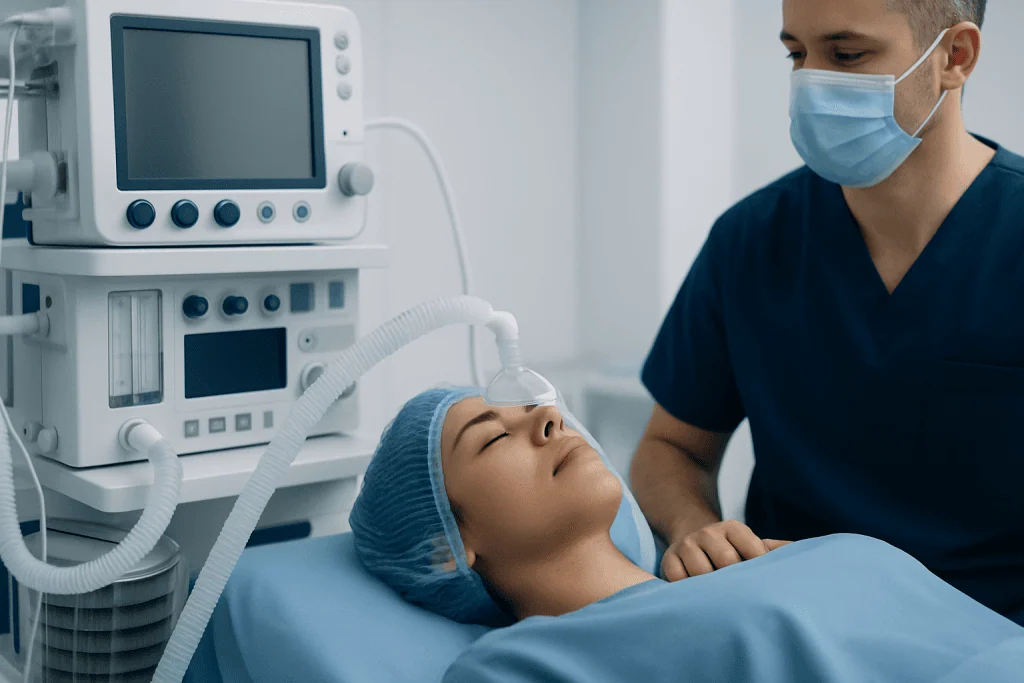
General anesthesia means you are fully unconscious during your procedure, with an anesthesiologist and monitoring equipment tracking your breathing, heart rate, blood pressure and oxygen levels throughout. Preparing for general anesthesia in Turkey covers the same clinical ground as it would anywhere: a review of your health, your medicines, and your previous experiences with anesthesia. What changes for you as an international patient is the logistics layer on top, sending records before you fly, confirming instructions across a language barrier, and timing your trip so that pre-operative assessment does not collide with jet lag.
Before your procedure, the anesthesia team will usually want to understand your health background: chronic conditions such as diabetes, asthma, heart disease, high blood pressure or sleep apnoea; allergies and previous drug reactions; smoking and alcohol use; recent illnesses; loose teeth or dental work; the possibility of pregnancy; and whether you or a blood relative have ever had a problem with anesthesia. None of these automatically prevents a procedure. They shape the plan, which drugs are chosen, how your airway is managed, and how closely you are watched afterwards.
It helps to think of preparation as a checklist that starts weeks before travel, not a single appointment. Some of it is medical (tests, medication review), some of it is administrative (consent, identity checks, insurance), and some of it is purely practical (a companion, transport, a quiet place to recover). If your procedure will use sedation rather than full general anesthesia, some of these rules differ; the guide on sedation versus general anesthesia in Turkey explains the distinction in more detail.
What to share with your anesthesia and surgical team
The safest anesthesia plan starts with accurate information from you, and the most common gap is an incomplete medicine list. Write down every prescription medicine, over-the-counter product, vitamin, herbal supplement, injection, inhaler, eye drop and blood thinner you use, with doses if you know them. Bring the original packaging where possible, brand names differ between countries, and the packaging lets the team identify the active ingredient without guesswork. Herbal products matter more than most people expect, because some interact with anesthetic drugs or affect bleeding.
Alongside medicines, share your surgical history, previous anesthesia experiences (including nausea, difficult intubation or prolonged drowsiness), drug and food allergies, and any family history of anesthesia complications such as malignant hyperthermia. If you use a CPAP machine for sleep apnoea, bring it. If you have a pacemaker, an implanted device, dentures, crowns, bridges or loose teeth, say so early: these details affect airway planning, and airway planning is central to safe general anesthesia.
If you have a complex condition, send recent test results and specialist letters before you travel: cardiology reports, blood tests, ECGs, imaging, and a summary from your regular doctor. Early review gives the team time to decide whether extra checks are needed, which is far better discovered at home than at admission. It is also worth understanding how your information is handled once it arrives; the guide on medical records privacy in Turkey covers this.
If English is not your first language, ask for an interpreter well ahead of the procedure day rather than on it. Fasting times, medicine adjustments and consent are exactly the conversations where a misunderstanding is costly, and hospitals that treat international patients routinely arrange multilingual support when asked in advance.
Fasting before general anesthesia, and what the 2-4-6 rule means

Fasting is the part of preparation patients most often get wrong, so it deserves a plain explanation. When you are unconscious, the reflexes that normally keep stomach contents out of your lungs are suppressed. An empty stomach reduces the chance of aspiration, stomach contents entering the airway, which is why fasting instructions are treated as strict rules, not suggestions.
You may have seen the 2-4-6 rule mentioned online. It is a teaching guideline used in many anesthesia services, most often quoted for children: clear fluids may usually be taken up to 2 hours before anesthesia, breast milk up to 4 hours, and formula, milk or a light meal up to 6 hours. For adults, a common pattern is no solid food for about 6 hours and no clear fluids for about 2 hours before anesthesia. Understanding the logic is useful. Following it instead of your hospital’s written instructions is not: your own team may set different times based on your procedure, your condition, medicines that slow stomach emptying, or the operating schedule. Their instructions always win.
What to eat the night before general anesthesia
Unless you are told otherwise, most patients can eat a normal, light evening meal the night before a morning procedure. Sensible choices are easily digested foods, for example soup, rice, pasta, vegetables, or grilled chicken or fish, rather than heavy, fatty or very large meals, which sit in the stomach longer. Avoid alcohol. Drink water normally up to the point your fasting instructions tell you to stop, because arriving dehydrated helps no one. If your admission is in the afternoon, the timings shift, which is another reason the exact schedule must come from your team in writing.
Medicines, supplements and day-of practicalities
Do not assume all medicines stop before anesthesia. Some should be taken as usual, often with a small sip of water even during fasting; some need dose changes; and some need to be paused in a planned way. The medicines that most often need specific instructions include blood thinners, diabetes tablets and insulin, GLP-1 weight-loss or diabetes injections, steroids, seizure medicines, and blood pressure treatment. Whether and how any of these change is a decision for your treating and anesthesia teams, never a decision to make yourself, and never one to borrow from another patient’s experience. This guide deliberately gives no drug-by-drug instructions, because the safe answer depends on your case.
There are also small practical rules on the day, and they exist for real reasons:
- Remove nail polish and makeup if askedmonitors read oxygen levels through fingertips, and staff watch skin colour during recovery.
- Leave jewellery and valuables at your accommodationmetal can interfere with surgical equipment, and hospitals prefer not to store valuables.
- Ask when to remove contact lenses, glasses, hearing aids or denturesusually just before anesthesia, and they are returned in recovery.
- Wear loose, comfortable clothing and keep your phone charged and your documents together.
One more thing hospitals plan around: last-minute illness. A fever, new cough, vomiting, diarrhoea or chest symptoms in the days before a procedure can change whether anesthesia should go ahead on schedule, which is why anesthesia services ask patients to report new symptoms before admission day rather than arriving unwell. Rescheduling is an ordinary safety decision, not a failure of planning, and it is far easier to manage when the team knows early.
What actually puts you to sleep, and how safety is built in
Patients often ask what “the stuff that knocks you out” actually is. General anesthesia usually starts with an induction agent given through a small cannula in your hand or arm, propofol is the most widely used, which sends you to sleep within seconds. In some cases, particularly with children, anesthesia begins with a gas breathed through a mask instead. Once you are asleep, unconsciousness is maintained with anaesthetic gases, continuous intravenous drugs, or both, alongside pain relief and sometimes muscle relaxants. The anesthesiologist adjusts these continuously and remains with you for the whole procedure. Waking up is equally controlled: the drugs are stopped or reversed, and you are moved to a recovery area where nurses monitor you until you are stable and alert.
You may also see references online to the “10 golden rules of anaesthesia”. There is no single official list: the phrase is used in teaching to summarise safety principles that anesthesia teams apply everywhere. An honest summary of those principles: assess the patient thoroughly beforehand; confirm identity, procedure and consent; check equipment and drugs before starting; secure and protect the airway; monitor continuously; never leave an anaesthetised patient unattended; anticipate problems rather than react to them; communicate clearly within the team; manage pain and nausea proactively; and hand over carefully to recovery staff. The repeated identity and consent checks you will notice on procedure day are these principles in action, not a sign of disorganisation. If you want to understand what the consent paperwork itself covers, see the guide on medical consent forms in Turkey.
Planning your trip and hospital day
Build slack into your travel schedule. Arrive in Turkey early enough for pre-operative tests, the anesthesia consultation and any schedule adjustments, after a long-haul flight, a day to recover from travel also makes the whole experience more manageable. Keep your passport, hospital confirmation, insurance or payment documents, medication list and medical records in your hand luggage, never in checked bags. The guide on documents to bring for hospital admission in Turkey lists exactly what admission desks ask for.
If you have a companion, make sure they know the hospital location, your admission time, and how they will receive updates during your procedure. If your procedure is planned as a day case, a responsible adult usually needs to accompany you back to your accommodation and stay with you; the guide on day surgery in Turkey explains how same-day discharge works. It is also sensible to check before travelling that your travel or treatment insurance covers your specific plan, including what happens if your procedure is rescheduled.
On admission day, expect identity checks, consent discussions, and repeated confirmation of your fasting status and medicine use by different staff members. You will usually meet nursing staff, your surgeon and the anesthesia team again before the procedure. Hospitals that regularly treat international patients typically have coordinators who manage admission timing, interpreter access and practical questions about transfers and accommodation, which makes a difference when you are handling appointments in an unfamiliar city.
Questions worth asking before you sign consent
You do not need to master the technical detail, but you should feel clear on the basics. Reasonable questions include: What time do I stop food, and what time do I stop clear fluids? Which of my medicines do I take on the morning of the procedure, and with how much water? Do I need any further tests before anesthesia? What is the plan for preventing nausea and controlling pain afterwards? What monitoring will I have in recovery, and roughly how long will I stay there?
If you have had anxiety, panic or an unpleasant anesthesia experience before, say so directly. Teams can often walk you through the sequence step by step, where you will be, who will be with you, what you will feel, and for many patients that alone changes the experience. Discharge questions matter especially for international patients: when is flying reasonable for your specific procedure, whether someone must stay with you overnight, which warning signs need urgent review, and how follow-up will work once you are home. If any part of the consent discussion feels rushed because of language or nerves, pause it and ask for clarification. A good anesthesia conversation ends with you understanding, in practical terms, what to do before, what happens on the day, and what support you need afterwards.
Recovery basics after general anesthesia
Afterwards, it is common to feel sleepy, groggy, thirsty, mildly nauseated or emotionally flat for several hours. A sore throat, shivering, dry mouth and mild dizziness are also common and usually temporary. Recovery staff monitor you until you are stable, and they want to know about anything severe or persistent while you are with them. What happens in the recovery room, how nausea is managed and when you return to your room are covered in detail in the guide on recovery after general anesthesia in Turkey.
For at least the first 24 hours after general anesthesia, do not drive, drink alcohol, operate machinery, sign important documents or make significant decisions, even if you feel surprisingly alert, judgement and reaction time recover more slowly than wakefulness does. Build a genuinely quiet day or two into your travel plans, and do not schedule flights, sightseeing or long road transfers immediately after the procedure. Before leaving the hospital, confirm your medication instructions, eating and drinking advice, any procedure-specific care, your written discharge summary, and the follow-up arrangements. Make sure the team knows where you are staying and who is with you.
Step by step
- Send your medical information early. Before you travel, share your diagnosis details, surgical history, current medicines, allergies, and recent test results if you have them. Early review gives the team time to identify whether you need extra assessment before general anesthesia.
- Confirm your pre-anesthesia instructions in writing. Ask for written guidance on fasting times, regular medicines, blood thinners, diabetes treatment and arrival time. If anything is unclear, check again before admission day rather than guessing.
- Prepare a simple document pack. Keep your passport, hospital confirmation, insurance or payment paperwork, medication list and medical summaries together in one folder in your hand luggage.
- Plan your companion and discharge logistics. For day-case or short-stay procedures, arrange a responsible adult to accompany you afterwards, and confirm transport back to your accommodation.
- Follow fasting and medication rules exactly. Do not eat, drink or take medicines outside the plan your team gives you. These details are central to anesthesia safety and can determine whether your procedure goes ahead as scheduled.
- Report any change in your health promptly. Fever, cough, stomach upset or breathing symptoms in the days before the procedure, or a medicine taken differently from the plan, are things the team needs to know before admission, because accurate information is what keeps the plan safe.
- Keep recovery time in your travel schedule. Leave space after anesthesia for rest, observation and possible follow-up before booking tourism, long transfers or return flights.
Your checklist
- Passport and hospital appointment confirmation
- Complete list of medicines, supplements and allergies, with original packaging where possible
- Recent medical reports, test results and specialist letters if relevant
- Written fasting and medication instructions confirmed in advance
- CPAP machine, glasses, hearing aids or other daily equipment you use
- Companion and emergency contact details confirmed
- Comfortable clothing, no jewellery or valuables, nail polish removed if asked
- Transport arranged after discharge, and quiet time set aside for recovery
Key takeaways
- Preparing for general anesthesia in Turkey covers medical safety and travel logistics: records sent early, medicines reviewed, fasting followed exactly, recovery time protected.
- Your medication and supplement list, allergy history and previous anesthesia experiences are the foundation of a safe plan.
- The 2-4-6 rule explains the logic of fasting, but the timings that count are the written ones from your own hospital.
- Never change, stop or restart a medicine before anesthesia on your own: those decisions belong to your treating team.
- Plan a companion, discharge transport and a quiet recovery period before you book flights home.
Frequently asked questions
What is the 2-4-6 rule for anesthesia?
It is a fasting guideline used in many anesthesia services, most often for children: clear fluids up to 2 hours before anesthesia, breast milk up to 4 hours, and formula, milk or a light meal up to 6 hours. Adults are commonly asked to stop food about 6 hours and clear fluids about 2 hours beforehand. It is a teaching rule, not a personal instruction: your hospital’s written fasting times always take priority.
What is the stuff that knocks you out before surgery?
Most general anesthetics begin with an induction drug given through a cannula in your hand or arm, propofol is the most widely used, which works within seconds. Anesthesia is then maintained with anaesthetic gases, continuous intravenous drugs, or both, adjusted throughout by the anesthesiologist. In some cases, especially with children, anesthesia starts with a gas breathed through a mask instead.
What are the 10 golden rules of anaesthesia?
There is no single official list; the phrase summarises safety principles taught to anesthesia teams: thorough assessment, confirming identity and consent, checking equipment and drugs, securing the airway, continuous monitoring, never leaving the patient unattended, anticipating problems, clear team communication, proactive pain and nausea management, and careful handover to recovery staff. The repeated checks you notice on procedure day reflect these principles.
What should I eat the night before general anesthesia?
Unless told otherwise, most patients can have a normal, light evening meal before a morning procedure, easily digested food rather than a heavy, fatty or very large meal, and no alcohol. Drink water normally until your fasting instructions say to stop. If your admission is in the afternoon, timings shift, so follow the written schedule from your team.
Should I stop all my regular medicines before general anesthesia?
No. Some medicines are continued, sometimes even during fasting with a sip of water; some need dose changes; and some are paused in a planned way. Blood thinners, diabetes medicines, weight-management injections, steroids and blood pressure treatment usually need specific instructions. Only your treating and anesthesia teams can give these, never adjust medicines on your own before a procedure.
Do I need someone with me after general anesthesia?
Usually yes, especially for same-day discharge. Even when you feel awake, anesthesia can affect balance, judgement and reaction time for hours afterwards, so a responsible adult accompanying you and staying nearby is a standard safety requirement for day-case procedures.
Can I fly soon after a procedure under general anesthesia?
It depends on the procedure, your recovery and your doctor’s advice. The anesthesia itself is only one factor; your mobility, pain control, wound status and the nature of the surgery all shape the timing. Ask your treating team for a specific flying timeline before you book or change return travel.
What should I bring to the hospital on procedure day?
Your passport or identification, appointment confirmation, medication and allergy list, and any records the team requested. Bring glasses, hearing aids, dentures or a CPAP machine if you use them, wear comfortable clothing, and leave jewellery and valuables at your accommodation.
Add us as a Preferred Source to see more of our trusted health content across Google Search, AI Overviews and Discover.

Update history
- PublishedAugust 14, 2026
- Medical review approvedSeptember 13, 2026
- Last content updateSeptember 12, 2026
References2
- General anaesthesia: NHS nhs.uk
- General anesthesia: MedlinePlus medlineplus.gov
More Patient Guides

Flying With Medication: Airline Rules, Documents and Packing
Every day, travelers hold up security lines worrying about a bag full of tablets that nobody actually wants to confiscate. The rules…
How to Send Your Medical Files Securely Before Treatment in Turkey
Send medical files securely before treatment in Turkey by using approved channels, clear file names and a complete health summary.
Pain Control After Treatment in Turkey: What Patients Should Expect and Ask About
Pain control after treatment in Turkey usually includes a tailored medicine plan, clear warning signs, and follow-up support before you leave Istanbul.

Managing Medicines Across Borders After Treatment in Turkey
Managing medicines across borders after treatment in Turkey means carrying clear documents, checking import rules, and planning refills before you fly.