

Pain Control After Treatment in Turkey: What Patients Should Expect and Ask About
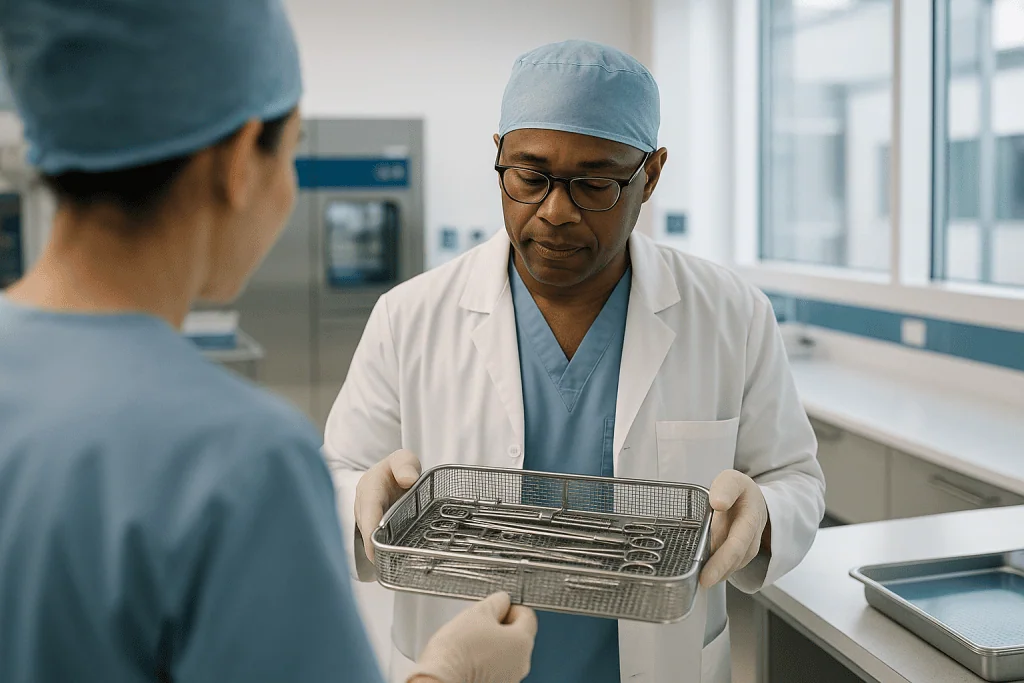
Expect a planned approach, not improvisation. Your team assesses pain regularly, combines scheduled and as-needed medicines with non-drug measures, and gives you written instructions before discharge. Ask which medicine does what, which side effects are common, and how doses work across time zones and a flight home. Strong opioids exist in Turkish hospitals, but they are tightly regulated and used under supervision.
Two questions sit behind most bookings for treatment abroad: will it hurt, and who helps me at 2am in a hotel room far from home? Neither has to stay vague. Pain control after treatment in Turkey follows a structure you can understand before you arrive, and the more of that structure you know, the fewer surprises your recovery holds.
This guide explains how hospitals in Turkey plan pain relief, which medicines are commonly involved, what your discharge paperwork should contain, and how to manage doses safely in a hotel room and on the flight home. It is written for international patients, so it also covers the parts local patients never think about: time zones, hand luggage, and pharmacies in a country whose prescription rules differ from yours.
At a glance
- Best times to ask: Before treatment, at discharge, and again before flying home
- How pain is managed: Usually several measures combined, scheduled medicines, as-needed medicines, and non-drug support
- What you should receive: A written pain plan, a medicine list with generic names, and procedure-specific guidance on what is and is not expected
- On strong painkillers: Opioids are available in Turkish hospitals but dispensed under a controlled prescription system, not over the counter
- Helpful support: Interpreters, international patient coordinators, and translated discharge instructions
- The useful habit: Track the trend of your pain over days, not single moments
How pain control after treatment in Turkey is planned
Pain control after treatment in Turkey should look planned, not improvised. In hospital, nurses assess your pain at regular intervals, often using a simple 0-to-10 scale, and the plan is adjusted based on what you report, your medical history, and the stage of your recovery. Anaesthesiology teams are involved from the start: the choices made in the operating theatre, such as regional blocks or local anaesthetic around a wound, shape how the first day feels. If you are having a procedure under general anaesthetic, it helps to read about what to expect after general anaesthesia in Turkey, because the first hours of pain management overlap with waking up from it.
One expectation is worth resetting early. The goal is rarely zero sensation. It is pain that is controlled enough to let you rest, breathe deeply, cough, eat, walk, and sleep: the activities that actually drive recovery. Chasing complete numbness usually means higher doses and more side effects, which slow you down in other ways. Good teams say this openly rather than promising comfort they cannot deliver.
Most plans are multimodal, meaning several measures work together: a scheduled base medicine, a separate medicine for breakthrough pain, and non-drug support such as positioning, ice or heat where appropriate, hydration, and paced walking. How Acibadem approaches this in practice is described in a separate guide, how we control pain after surgery and invasive procedures. For international patients, the plan should also be explained in language you actually understand, through an interpreter or translated written instructions, before you leave the ward.
The medicines you may be given, and how they fit together
You will rarely leave hospital with a single tablet and no explanation. Depending on your procedure, a discharge plan may combine several medicine groups, each with a different job. Understanding the job of each one makes the schedule less confusing and the side effects less alarming.
| Medicine group | Typical role | Worth asking about |
|---|---|---|
| Simple analgesics (paracetamol-type) | Steady background relief, often taken on a schedule rather than when pain spikes | Total daily limits, and whether any of your home medicines contain the same ingredient |
| Anti-inflammatories (NSAIDs) | Pain driven by swelling and inflammation | Stomach irritation, kidney considerations, interactions with blood thinners |
| Stomach-protective medicines | Often prescribed alongside anti-inflammatories | How long they are meant to accompany the other medicines |
| Nerve-pain medicines | Burning, shooting, or electric-type pain after some procedures | Drowsiness and dizziness, especially before travel days |
| Opioids (for example tramadol; morphine-type medicines in hospital) | Short-term use for moderate to severe pain, usually with a tapering plan | Constipation, nausea, alertness, and the rules for carrying them across borders |
| Local anaesthetic techniques and nerve blocks | Targeted relief around the operation site, mainly in the first hours or days | How long the numbness lasts, and what to expect as it wears off |
A note on regulation, because international patients often ask. Strong opioids exist in Turkey and are used in hospitals in the same way major European systems use them. Outside hospital, they are dispensed under a controlled, colour-coded prescription system and are not sold over the counter. You cannot walk into a Turkish pharmacy and buy morphine or similar medicines, and a hospital cannot hand you an open-ended supply. If your plan includes an opioid such as tramadol, expect it to be short-term, with a clear stopping or tapering plan discussed before discharge. Any change to that plan, earlier, later, higher, lower, belongs to the doctor treating you, not to a pharmacist, a forum, or a well-meaning companion.
What your care team should explain before you leave hospital

Discharge is where good pain control either survives or falls apart, so treat it as a working meeting, not a formality. Before you leave, you should know what kind of pain is expected for your specific procedure, roughly how strong it may feel, how long it typically lasts, and how each medicine is taken, with food or without, on a schedule or as needed. Ask for all of it in writing. You will be tired, possibly jet-lagged, and preparing to travel; memory is not a filing system under those conditions.
Ask for the medicine list to include both brand names and generic names. The same medicine is labelled differently in different countries, and the generic name is what your doctor at home will recognise. If you have allergies, kidney or liver problems, a history of stomach ulcers, sleep apnoea, or you take blood thinners, confirm out loud that these have been factored into the plan, do not assume they travelled from the pre-operative paperwork into the discharge prescription on their own.
Good discharge teaching also covers movement. You should be told which activities tend to increase pain after your procedure, and which gentle movement is actively recommended, short walks, support pillows, avoiding sudden twisting, pacing your day. The two classic recovery mistakes are overdoing things and doing nothing at all, and both usually come from leaving hospital without this conversation. If your procedure was a same-day one, the compressed timeline makes this even more important; the guide on day surgery in Turkey covers how discharge works when everything happens within hours.
Questions worth asking about pain medicines and side effects

Direct questions get direct answers, and no reasonable clinician minds them. The most useful distinction to establish is which medicine handles constant background discomfort and which one handles breakthrough pain: the sudden increase between scheduled doses. Confusing the two is the most common way discharge plans go wrong in hotel rooms.
Side effects deserve equal attention. Nausea, constipation, dizziness, drowsiness, and stomach irritation are all common enough to plan for, and several of them matter more when your next few days involve airport transfers and a flight. If a medicine can affect your balance, alertness, appetite, or hydration, you want to know that before you are standing in a security queue, not after.
Questions that earn their place:
- What pain level is normal for my procedure over the next few days?
- Which medicine is scheduled, and which is only if needed?
- What is the plan if the medicines do not control the pain well enough?
- Which side effects are common, and which ones does my written plan flag as reasons for review?
- Can I take my usual home medicines, vitamins, or supplements alongside these?
- Will any of this affect my ability to walk, eat, or travel safely?
- If there is an opioid in the plan, how long is it intended for, and how does it stop?
If you are uneasy about strong pain medicine, many patients are, say so early rather than quietly skipping doses. Your team can explain the intended duration, the tapering plan, and alternatives where they exist. A fuller list of questions, organised by recovery stage, is in questions to ask about pain control after surgery in Turkey.
Managing pain safely in your hotel, apartment, or recovery accommodation
Many international patients spend several days recovering outside the hospital before flying home, and this is where practical discipline matters most. Keep medicines in their original packaging, set phone alarms for doses, and use a written schedule instead of memory. Tiredness, jet lag, and multiple medicines are exactly the combination that produces a missed dose, or a doubled one.
Set the room up before you need it. Water, light snacks, your medicine list, a thermometer if you were advised to monitor temperature, and your contact numbers should all be within arm’s reach. If bending or walking is uncomfortable, arrange things so you are not repeatedly getting up. A companion is genuinely useful here: dose timing, meals, and a second memory for what the nurse said.
Pain also has amplifiers that have nothing to do with the wound. Dehydration, constipation, poor sleep, and anxiety all make the same injury feel worse. Drink enough fluids if permitted, eat regularly, move gently as instructed, and treat constipation as a medical topic rather than an embarrassment, with opioid medicines in particular, it is common and worth raising early rather than enduring. This is also where pain control after treatment in Turkey differs from recovering at home: you are managing all of this in an unfamiliar room, which is precisely why the written plan and the alarms matter more than they would in your own kitchen.
How pain normally behaves during recovery
Recovery pain has a typical shape, and knowing it saves a lot of midnight worry. Some discomfort is expected, especially with movement, coughing, changing position, or at the end of a dose interval: the trough before the next scheduled medicine is often when people feel worst and wrongly conclude the plan has failed. For many operations, the first two or three days are the hardest, partly because local anaesthetic and nerve blocks from the theatre wear off while swelling reaches its peak. Feeling worse on day two than on the day of surgery is common and does not, on its own, mean something has gone wrong.
What clinical teams pay attention to is the trend across days rather than any single moment. The usual pattern is gradual improvement with brief ups and downs: more soreness after a physiotherapy session or a long walk, easier mornings as the week goes on. A pattern that moves the other way, pain steadily building, changing character, or arriving with new symptoms such as fever, spreading redness, or swelling, is the kind of change discharge plans are written to flag. Your own paperwork should list the specific signs that matter for your procedure, because they differ between, say, a hernia repair and a dental implant. The separate guide on when pain, swelling, or fever should prompt an urgent call explains how hospitals structure that escalation, and why the pattern matters more than the peak.
Keeping a simple daily note, pain score, temperature if advised, what you ate, how far you walked, how you slept, turns a vague feeling of “worse today” into information a clinician can actually use. It takes two minutes and it is the single cheapest tool in post-treatment recovery.
Preparing for the journey home and follow-up after Turkey
Before your return flight, the questions shift from wound to journey. Is your current pain level and mobility compatible with sitting for hours, walking through terminals, and handling bags? Do dressings, drains, braces, or lifting restrictions need reviewing before departure? How do your dose times map onto a flight that crosses time zones, do you take medicines by the clock at home, the clock in Turkey, or elapsed hours? These are ordinary discharge-planning questions, and they have specific answers for your case; ask them before packing, not at the gate.
Medication supply needs the same forward planning. You should leave with enough medicine to cover the travel period and the first days at home, within what is clinically appropriate and legally allowed. If any of your medicines are controlled or restricted in your home country, some opioids are, clarify how to carry them and what paperwork you need, and keep them in hand luggage in original packaging with the prescription. Rules vary by country, and the hospital’s international patient team deals with this question weekly; use that experience.
Finally, recovery does not end at the airport, and neither should the paper trail. A discharge summary, a medicine list with generic names, relevant test results, and clear advice on when a local review makes sense are what allow your doctor at home to pick up the thread. Many patients also stay in structured contact with their Turkish team for the first weeks; the guide on remote follow-up after treatment in Turkey explains how that usually works, what gets shared, through which channels, and on what schedule.
Step by step
- Discuss the pain plan before treatment. Ask how pain is usually managed for your specific procedure, not surgery in general. Mention allergies, current medicines, previous side effects, and any concerns about strong pain medication while there is still time to shape the plan.
- Ask for plain-language discharge instructions. Leave hospital with a written plan covering what to take, when, and what is expected for your procedure. If English is not your first language, request interpreter support so the plan you carry is one you actually understand.
- Confirm how breakthrough pain fits the plan. Establish which medicine covers sudden increases between scheduled doses, how the two layers relate, and what your written plan says about pain that stays outside the expected range.
- Set up your accommodation for recovery. Medicines, water, snacks, chargers, and your paperwork within reach; phone alarms or a simple chart for doses. Design the room so tiredness cannot cause a dosing mistake.
- Track trends, not moments. Note your pain level, temperature if advised, side effects, and how you are moving, eating, and sleeping. A short daily record shows whether the pattern is heading the right way.
- Review travel readiness before flying. Confirm that your pain, mobility, and medicines are compatible with the journey, how doses map across time zones, and what documentation your hand-luggage medicines need.
- Save your contact details before discharge. Keep the hospital, ward, and international patient team numbers stored in your phone and written on paper before you leave the building, sorting this out in advance is easier than sorting it out later.
Your checklist
- Written discharge summary and pain plan
- Medication list with generic names, doses, and timing
- Procedure-specific guidance on expected pain and the signs your plan flags for review
- Contact details for the hospital and international patient team, saved before discharge
- Enough medication for your stay and journey home, where appropriate and permitted
- Advice on hydration, food, constipation, and nausea management
- Instructions on activity, walking, sleep position, and lifting limits
- Travel guidance: dose timing across time zones, hand-luggage rules, and paperwork for controlled medicines
Key takeaways
- Pain control after treatment in Turkey is structured: regular assessment, multimodal medicines, and non-drug support, with a written plan at discharge.
- Know the job of each medicine, scheduled background relief versus breakthrough cover, and the common side effects of both.
- Strong opioids are available in Turkish hospitals but tightly regulated; expect short-term use with a clear tapering plan, never over-the-counter access.
- Recovering in a hotel works best with alarms, original packaging, a written schedule, hydration, and a companion who tracks timing with you.
- Before flying home, confirm travel readiness, medication supply and paperwork, and how follow-up will continue once you are back.
Frequently asked questions
What is the most painful day after surgery?
It varies by procedure, but for many operations the first 24 to 72 hours are the hardest, and day two or three often feels worse than the day of surgery itself. That is usually because local anaesthetic and nerve blocks from the theatre wear off while swelling peaks. Feeling worse on day two is common and, on its own, is not a sign that something has gone wrong.
What is the strongest painkiller you can get in Turkey?
Turkish hospitals use the same range of medicines as major European systems, including strong opioids such as morphine-type medicines, administered under supervision. Outside hospital, strong opioids are dispensed only under a controlled prescription system and are never sold over the counter. In practice, “strongest” is rarely the useful question, matching the medicine to the type and stage of pain matters far more than raw strength.
Is tramadol effective for treating post-surgical pain?
Tramadol is an opioid commonly used in many countries, including Turkey, for moderate short-term pain after surgery, often alongside simple analgesics. It helps many people, though responses vary, and side effects such as nausea, dizziness, drowsiness, and constipation are common enough to plan for. Whether it suits you depends on your history and other medicines, which is a judgement for the doctor treating you.
What is the best pain medication to take after hernia surgery?
There is no single best medicine. After hernia repair, teams typically combine measures, local anaesthetic placed during the operation, a scheduled simple analgesic, an anti-inflammatory where suitable, and sometimes a short course of something stronger. The right combination depends on the repair technique, your stomach and kidney history, and your other medicines, so it is chosen case by case by your surgical team.
How much pain is normal after treatment?
Some pain and soreness is normal after most procedures, particularly with movement and at the end of dose intervals. What matters is the pattern across days: discomfort that gradually eases, even with brief ups and downs, is the usual shape of healing. Your discharge plan should describe the expected range for your specific procedure, which is more useful than any general rule.
Can I fly home while still taking pain medication?
Often yes, but it depends on your recovery, mobility, and the specific medicines involved. Before travelling, confirm that you are fit to fly, work out how doses map across time zones, and check the rules for carrying your medicines, controlled medicines in particular may need documentation, and should travel in hand luggage in original packaging.
Should I bring my usual medicines to Turkey?
Yes. Travel with your regular medicines in original packaging and carry a written list using generic names. This lets your team check for interactions before prescribing pain relief and keeps your routine intact if your stay runs longer than planned.
What should I ask before leaving the hospital?
Ask what to take and when, which medicine covers background pain and which covers breakthrough pain, what side effects are common, what activity is recommended and restricted, and what your written plan lists as expected versus outside the expected range for your procedure. Ask for all of it in writing, in language you fully understand, before you walk out of the ward.
Add us as a Preferred Source to see more of our trusted health content across Google Search, AI Overviews and Discover.

Update history
- PublishedAugust 21, 2026
- Medical review approvedSeptember 13, 2026
- Last content updateSeptember 12, 2026
References2
- After Surgery: MedlinePlus medlineplus.gov
- Tramadol: NHS nhs.uk
More Patient Guides

Flying With Medication: Airline Rules, Documents and Packing
Every day, travelers hold up security lines worrying about a bag full of tablets that nobody actually wants to confiscate. The rules…
How to Send Your Medical Files Securely Before Treatment in Turkey
Send medical files securely before treatment in Turkey by using approved channels, clear file names and a complete health summary.

Managing Medicines Across Borders After Treatment in Turkey
Managing medicines across borders after treatment in Turkey means carrying clear documents, checking import rules, and planning refills before you fly.

Flying to Turkey with Medical Devices or Implants: What to Prepare Before Travel
Flying to Turkey with medical devices or implants is usually manageable if you carry device documents, medicines, and airport letters before travel.