Lvad device: Symptoms, Causes, and Treatment — Complete Patient Guide
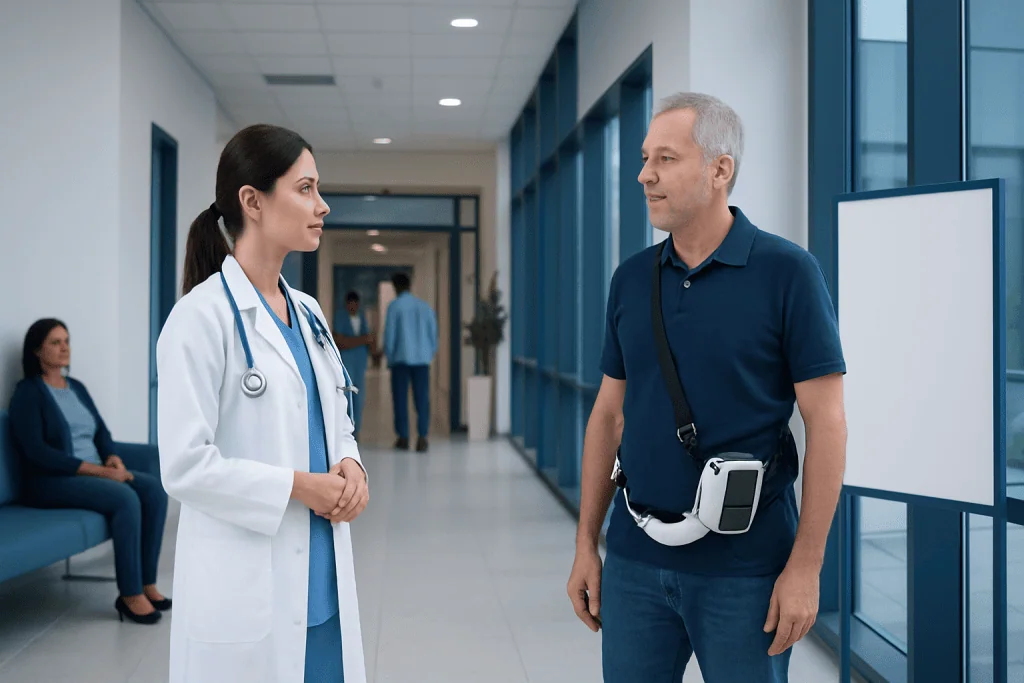
An LVAD device supports blood flow in people with advanced heart failure when medicines and other treatments are no longer enough. It does not replace the heart; it helps the left ventricle pump blood more effectively.
Key Takeaways
- An LVAD device supports blood flow in people with advanced heart failure when medicines and other treatments are no longer enough.
- It does not replace the heart; it helps the left ventricle pump blood more effectively.
- Common issues leading to LVAD consideration include severe shortness of breath, fatigue, fluid buildup, and repeated hospital stays for heart failure.
- Treatment requires surgery, close follow-up, and daily care of the driveline, power source, and medications.
- Prompt medical attention is important for signs of infection, bleeding, stroke, device alarms, or worsening heart failure symptoms.
An LVAD device is a mechanical pump placed inside the chest to help the left side of the heart move blood through the body when the heart is too weak to do so well on its own. It is most often used for advanced heart failure, either while waiting for a heart transplant or as longer-term support in selected patients.
What an LVAD Device Is and Why It Is Used
An LVAD device, or left ventricular assist device, is a battery-powered mechanical pump that helps the left ventricle send blood to the rest of the body. It is used in people with advanced heart failure whose symptoms remain severe despite medications and other standard treatments. The device can improve blood flow, reduce symptoms, and help some people become strong enough for a heart transplant or live longer with better day-to-day function.
An LVAD is not the same as an artificial heart. It does not remove the heart or completely take over heart function. Instead, it works alongside the patient’s own heart. A surgeon places the pump in the chest, with one part connected to the left ventricle and another to the aorta, the body’s main artery.
LVAD therapy is usually considered in carefully selected patients with advanced heart failure. Some people receive it as a bridge to transplant, meaning the device supports them while they wait for a donor heart. Others receive it as destination therapy, meaning it is intended for longer-term use when transplant is not planned or not possible.
Symptoms and Situations That May Lead to LVAD Evaluation
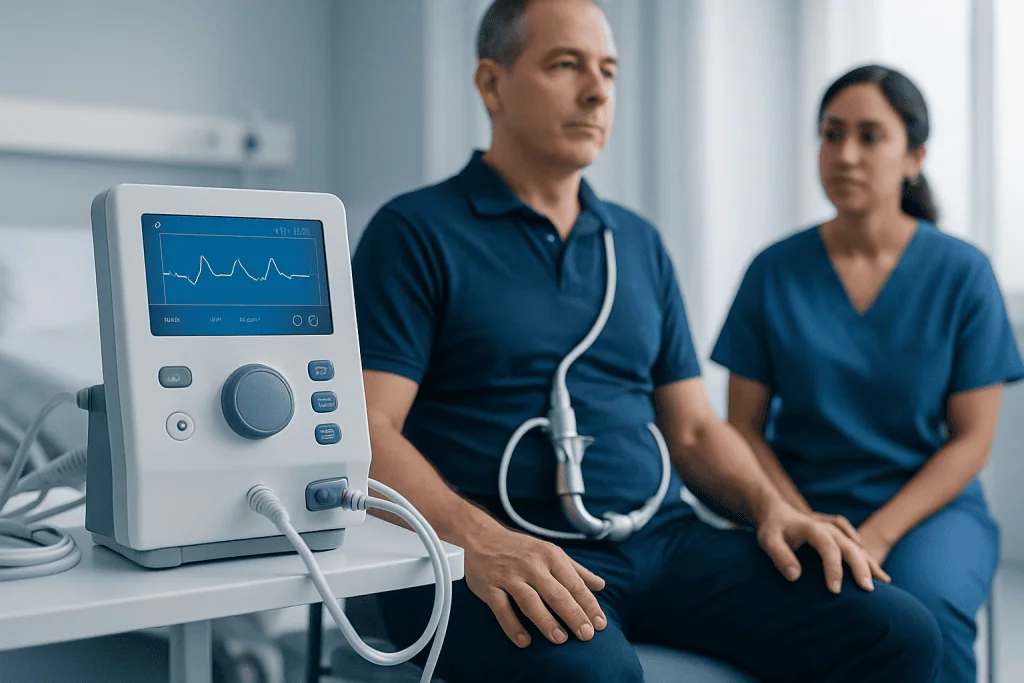
The symptoms that lead to discussion of an LVAD device are usually symptoms of advanced heart failure rather than symptoms caused by the device itself. These often include severe shortness of breath, trouble breathing when lying flat, swelling in the legs or abdomen, marked fatigue, weakness, poor exercise tolerance, and frequent need for hospital treatment. Some people also notice loss of appetite, unplanned weight changes, or difficulty performing routine tasks such as dressing, bathing, or walking short distances.
Doctors may begin to consider LVAD therapy when symptoms persist despite a well-managed treatment plan. This may happen even after the use of heart failure medicines, salt and fluid adjustments, implanted rhythm devices, or previous heart procedures. Repeated emergency visits or hospital admissions for heart failure can also signal that the heart needs more advanced support.
In some patients, low blood flow from advanced heart failure may affect other organs. This can contribute to kidney problems, confusion, dizziness, or liver congestion. An LVAD evaluation is typically based on the overall picture: symptom severity, quality of life, heart function tests, and whether the person is likely to benefit from surgery and long-term device care.
Causes and Risk Factors Behind the Need for an LVAD

An LVAD device is not used to treat every kind of heart problem. It is most often recommended when the left ventricle becomes too weak to pump enough blood, usually because of end-stage or advanced heart failure. Common underlying causes include coronary artery disease with previous heart attacks, <a href="https://acibademinternational.com/diseases/dilated-cardiomyopathy/”>dilated cardiomyopathy, long-standing high blood pressure, viral or inflammatory damage to the heart muscle, and certain inherited heart conditions.
Some people develop severe heart failure after years of chronic heart disease, while others worsen more quickly. Risk factors for progression include poorly controlled blood pressure, diabetes, smoking, obesity, kidney disease, valve disease, rhythm disorders, and delayed treatment of heart disease. In older adults, several medical conditions may contribute at the same time.
Not everyone with advanced heart failure is a candidate for an LVAD. Doctors weigh many factors, including lung function, kidney and liver health, infection risk, bleeding risk, cognitive function, nutrition, and the patient’s ability to manage the equipment and follow-up care. Family or caregiver support is also important, because living with the device involves regular monitoring and practical daily routines.
How Doctors Evaluate a Patient for an LVAD Device
Evaluation for an LVAD device is detailed and usually involves a multidisciplinary team. This team may include heart failure cardiologists, cardiac surgeons, anesthesiologists, intensive care specialists, nurses, rehabilitation professionals, and mental health or social support staff. The goal is to determine whether the device is likely to improve survival and quality of life, and whether the patient can safely undergo surgery and manage life after implantation.
Tests often include blood work, echocardiography, electrocardiography, chest imaging, and specialized heart assessments such as right heart catheterization. Doctors may also look closely at kidney function, liver function, lung health, and the presence of infections. Because advanced heart failure can affect the whole body, evaluation goes beyond the heart alone.
In many centers, the assessment also includes education about what daily life with an LVAD involves. Patients and families learn about power sources, driveline care, emergency planning, and the need for blood-thinning medication. For some people, transplant assessment may happen at the same time, especially if heart transplant is a possible next step.
Treatment Options: Surgery, Recovery, and Daily Living With an LVAD
LVAD implantation is a major heart operation performed under general anesthesia. During surgery, the pump is positioned in the chest and connected to the left ventricle and the aorta. A cable called a driveline exits through the skin and connects the pump to an external controller and power source, usually batteries. After surgery, patients are monitored closely in the intensive care unit and then continue recovery with rehabilitation and education.
The benefits of an LVAD device can include improved blood circulation, less shortness of breath, better ability to walk or do daily activities, and fewer heart failure-related admissions. Even so, living with the device requires commitment. Patients usually need blood-thinning medication, regular clinic visits, careful skin and driveline care, and attention to alarms or equipment changes. Water exposure, travel planning, and sleeping arrangements may also need adjustment.
Possible complications include bleeding, infection, blood clots, stroke, right-sided heart failure, and device malfunction. These risks are one reason why treatment is concentrated in experienced centers that can provide urgent support if needed. Depending on the person’s condition, treatment may also involve cardiac rehabilitation and other advanced heart failure treatment before and after surgery.
Near the end of evaluation and treatment, some patients may seek care in international referral centers. Acibadem International’s multidisciplinary specialists and JCI-accredited hospitals diagnose and treat advanced heart failure and LVAD candidates for international patients, with coordinated cardiology and cardiac surgery care.
Prevention, Self-care, and Living Well With Advanced Heart Failure
An LVAD device is used when heart failure has become severe, but many aspects of care before and after implantation still depend on healthy daily habits. People with heart failure are often advised to take medicines exactly as prescribed, limit sodium as recommended by their doctor, monitor weight regularly, and follow guidance on fluids, exercise, and rest. Avoiding tobacco and limiting alcohol can also reduce strain on the heart.
For someone living with an LVAD, self-care includes keeping the driveline exit site clean and dry, checking equipment every day, and making sure batteries are charged and available. Patients are usually taught how to respond to alarms, when to contact the care team, and what warning signs should prompt urgent evaluation. Caregivers often learn these steps too.
Emotional adjustment matters as much as physical recovery. It is common to feel anxious, dependent, or overwhelmed after major heart surgery or while coping with advanced illness. Support from family, rehabilitation staff, nursing teams, and counseling services can help patients build confidence and return safely to more normal daily routines.
When to Seek Medical Care
Medical care should be sought promptly for symptoms of worsening heart failure, such as increasing shortness of breath, sudden swelling, fainting, chest discomfort, confusion, or rapid decline in exercise tolerance. These symptoms may mean the heart is struggling or another complication is developing.
For patients who already have an LVAD device, urgent assessment is needed for fever, redness or drainage around the driveline, uncontrolled bleeding, severe headache, weakness on one side, trouble speaking, dark or bloody stools, or repeated device alarms. Because an LVAD can affect pulse and blood pressure readings, patients should follow the emergency instructions given by their heart team and call local emergency services if severe symptoms occur.
If symptoms are new but not severe, the safest step is still to contact the treating cardiologist or LVAD center for advice. Early review can prevent complications and may allow problems to be treated before they become emergencies.
Frequently asked questions
What does an LVAD device do?
An LVAD device helps the left side of the heart pump blood to the body more effectively. It is used in advanced heart failure when the heart is too weak to maintain adequate circulation on its own.
Is an LVAD the same as a heart transplant?
No. An LVAD does not replace the heart, while a transplant replaces the diseased heart with a donor heart. An LVAD may be used while waiting for transplant or as longer-term treatment when transplant is not planned.
Who may need an LVAD device?
People with severe heart failure symptoms that continue despite medicines and other treatments may be considered for an LVAD. The decision depends on heart function, overall health, surgical risk, and the ability to manage the device after implantation.
Can a person live at home with an LVAD?
Yes, many people return home after recovery and live with an LVAD for months or years. They need regular follow-up, careful device management, and support from trained caregivers and their medical team.
What are the main risks of an LVAD device?
Important risks include bleeding, infection, blood clots, stroke, right-sided heart failure, and device-related problems. Careful follow-up and strict self-care can help lower some of these risks, but they cannot be removed completely.
Will an LVAD device improve symptoms right away?
Many patients notice better energy and less breathlessness after recovery, but improvement is not always immediate. Recovery takes time, and benefits depend on the patient’s overall health, the function of other organs, and how well rehabilitation progresses.
References
- American Heart Association
- National Heart, Lung, and Blood Institute
- Centers for Disease Control and Prevention
- European Society of Cardiology
- International Society for Heart and Lung Transplantation
This article is for general information only and is not a substitute for professional medical advice. Please consult a qualified doctor about your individual situation.
Heart care in Turkey — expert evaluation and treatment
JCI-accredited · board-certified surgeons · reply within 24h
Check your numbers in seconds
BMI, calories, due date, blood pressure and 30+ more clinical calculators — free, instant, doctor-reviewed ranges.

More from the Health Library



Related Specialists

Dr. Nuri Soysal
Aesthetic Plastic & Reconstructive Surgery
Assoc. Prof. Dr. Mirza Zafer Dağtaş
Orthopedic Surgery & Traumatology
Dr. Metehan Bağış
Emergency Service
Dr. Evşen Çetin
Pediatrics