

Can You Fly to Turkey After Chemotherapy? Travel Timing and Safety Checks

Can you fly to Turkey after chemotherapy? Often yes, if your oncology team confirms your blood counts, infection risk, and hydration are safe for travel.
If you are planning to travel after chemotherapy, the safest timing depends on how you feel, your blood counts, your infection risk, and the type of support you may need on the journey. This guide helps you understand the practical checks to make before you fly to Turkey and how to prepare for a smoother, safer trip.
At a glance
- Best time to ask about flying: Before booking, ideally as soon as you know your chemotherapy schedule
- Main safety checks: Blood counts, infection symptoms, hydration, clot risk, and fitness to sit through the flight
- Who should clear your travel: Your treating oncologist or chemotherapy team
- Extra support to arrange: Wheelchair assistance, medication plan, insurance confirmation, and airport help
- When to delay travel: Fever, uncontrolled nausea, severe fatigue, low blood counts, or new breathing problems
The short answer: sometimes yes, but timing matters
You may be able to fly to Turkey after chemotherapy, but the right timing is not the same for everyone. Many people can travel safely once their oncology team confirms they are medically stable, eating and drinking reasonably well, and not at high risk of infection or complications during the journey.
The most important point is that chemotherapy can affect you differently from cycle to cycle. You might feel relatively well a few days after one treatment and much weaker after another. Your travel decision should be based on your current condition, recent blood test results, and the length of the flight rather than the calendar alone.
If you are traveling for further cancer care, a second opinion, imaging, or supportive treatment, it helps to coordinate early. At Acibadem International, international patient services can help you organize documents, arrival logistics, and communication with your care team in Turkey, but your treating oncologist at home should still be the person who confirms whether you are fit to fly.
What doctors usually check before they say you are fit to fly
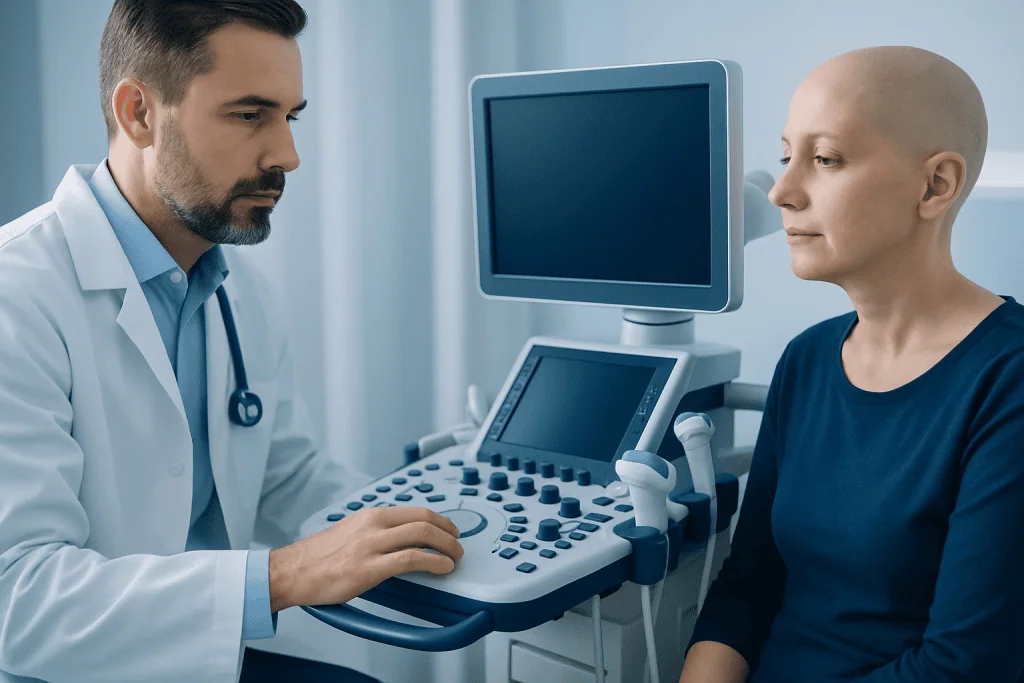
Your oncology team will usually look first at your blood counts. Chemotherapy can temporarily lower white blood cells, which raises infection risk, and low red blood cells can leave you breathless or exhausted. Low platelets can increase bleeding risk. If your counts are too low, travel may need to wait until they recover.
They will also consider how you feel overall. If you have ongoing vomiting, diarrhea, dizziness, faintness, poor fluid intake, or significant pain, a flight may be too demanding. Even when the airport and flight seem routine, they can become difficult if you are weak, dehydrated, or needing urgent medical support.
Another key check is whether you have signs of infection. A fever, chills, sore throat, new cough, painful urination, or redness around a line or injection site can be more serious after chemotherapy than they would otherwise be. In that case, do not travel until you have spoken to your treatment team and been properly assessed.
Your doctors may also review your risk of blood clots, especially if you have cancer-related clot risk factors, reduced mobility, recent hospitalization, or a history of deep vein thrombosis or pulmonary embolism. Long flights increase time spent sitting still, so you may need a prevention plan before traveling.
How long should you wait after chemotherapy before flying?

There is no single number of days that is safe for everyone. For some people, the hardest period is a few days after treatment because of nausea, fatigue, or dehydration. For others, the lower-risk window may depend more on when blood counts drop, which can happen several days later depending on the drugs used.
That is why it is usually better to ask, “When in my cycle am I likely to feel strongest and have the safest blood counts for travel?” rather than searching for a universal rule. Your oncologist knows your regimen, your usual side effects, your latest blood work, and whether you have a central line, recent transfusions, or any active complications.
If your trip to Turkey is planned around an appointment, scan, or consultation, try to leave enough flexibility for a change of date. Booking travel too close to chemotherapy without room to adjust can add stress if your team later advises you to postpone.
When patients come to Acibadem International from abroad, sharing recent chemotherapy dates, blood tests, medication lists, and a short medical summary in advance can make planning much smoother. It also helps the hospital team advise on timing, airport support, and what to bring with you.
Flight safety issues to think about before traveling
Even if you are technically well enough to travel, comfort and safety still matter. Airports involve walking, standing in lines, baggage handling, and time away from easy access to food, fluids, and toilets. If fatigue is one of your main symptoms, arranging wheelchair or buggy assistance can make a major difference to how manageable the trip feels.
Hydration is especially important. Chemotherapy side effects, poor appetite, diarrhea, and vomiting can all leave you depleted. Cabin air is dry, and travel days can be long. Try to start the journey well hydrated, carry allowed fluids where possible after security, and keep easy snacks with you if your stomach tolerates them.
Infection exposure is another practical concern because airports and planes are crowded spaces. If your immunity is reduced, ask your oncology team whether additional precautions make sense for you. Good hand hygiene, avoiding obviously unwell contacts where possible, and masking in crowded indoor areas may be sensible depending on your risk level and local guidance.
If you have breathlessness, chest pain, new leg swelling, severe weakness, or uncontrolled symptoms, do not try to push through the journey. These symptoms need medical review first. Flying should not be treated as a test of endurance after chemotherapy.
What to prepare before you fly to Turkey
Before travel, ask your oncology team for a brief fit-to-travel note if needed, plus copies of your diagnosis summary, pathology report, chemotherapy regimen, recent blood tests, scan reports, allergy list, and current medications. Keep these in your hand luggage, both digitally and on paper if possible. This is useful for airport questions, travel insurance issues, and any doctor who may need to help you during your trip.
Make a clear medication plan for the travel day. Pack all medicines in original packaging in your cabin bag, including anti-nausea tablets, pain relief, regular prescriptions, and anything you may need if there are delays. If you use injectable medications or travel with sharps, ask for a supporting letter in advance.
Think ahead about line care, dressings, and devices. If you have a PICC line, port, stoma, feeding tube, or other device, ask what supplies you should bring and what warning signs should prompt urgent help while abroad. Knowing where and how to seek medical advice in Turkey can be reassuring before you leave home.
Acibadem International can support international patients with practical coordination such as appointment scheduling, interpreter services, and guidance on arrival and accommodation. If you are coming for treatment or review, letting the team know your mobility level, fatigue, and any special needs ahead of time can help them tailor the logistics around you.
When you should postpone the trip
It is usually safest to delay flying if you have a fever, suspected infection, severe dehydration, uncontrolled vomiting or diarrhea, new confusion, significant bleeding, chest symptoms, or worsening pain. These are not minor inconveniences after chemotherapy; they can indicate complications that need prompt medical review.
You may also need to postpone if your recent blood counts are too low, especially if your team is concerned about neutropenia, symptomatic anemia, or thrombocytopenia. In these situations, the physical strain of travel and the reduced access to your usual treatment team can create avoidable risk.
Be realistic about exhaustion as well. Profound fatigue after chemotherapy is not the same as ordinary tiredness. If getting through a normal day is already difficult, an international travel day may be too much until you recover more strength.
Delaying a trip can be disappointing, especially if appointments are already booked, but a short postponement is often better than traveling while unstable. If your care in Turkey is time-sensitive, contact the receiving team as soon as possible so they can help adjust plans safely.
How to make the journey easier once you are cleared to travel
If your oncologist says you are fit to fly, simplify the day as much as possible. Choose the most direct route you can, allow extra time at the airport, and avoid carrying heavy luggage yourself. Compression advice, stretching, and walking during the journey should follow your medical team’s recommendations, especially if clot risk is a concern.
Wear loose, comfortable clothing and keep your essentials close: medications, medical documents, a charged phone, snacks, tissues, hand sanitizer, and a spare layer in case you feel cold. If you are prone to nausea, plan meals lightly and carry the anti-sickness medicine that usually works for you.
Let your companion, if you have one, know your medication timings, warning symptoms, and the plan if you feel unwell in transit. If you are traveling alone, consider asking for meet-and-assist support. For many people after chemotherapy, reducing physical strain is one of the most effective safety steps.
Once you arrive in Turkey, try not to over-schedule the first day. Rest, rehydrate, eat small tolerated meals, and give yourself time to recover from the journey. If you are attending Acibadem International soon after arrival, bring your latest medical records with you and tell the team promptly about any new symptoms.
Step by step
- Ask your oncologist before you book. Contact your chemotherapy team as soon as travel is being considered, not just the day before your flight. They can tell you whether your treatment cycle, expected blood count drop, and current symptoms make your planned dates reasonable.
- Check your latest blood tests and symptoms. Make sure your team reviews recent blood counts, hydration status, and any signs of infection or anemia. If you have fever, worsening breathlessness, dizziness, or uncontrolled nausea, ask about postponing rather than trying to manage through the trip.
- Gather your medical documents. Prepare a concise folder with diagnosis details, chemotherapy regimen, medication list, allergies, blood test results, and recent scans or reports. Keep this with you in your hand luggage so it is immediately available if needed.
- Plan the airport and flight support you need. Arrange wheelchair assistance, priority support, or extra help in advance if walking long distances will be difficult. Choose practical flight times and the simplest route possible to reduce fatigue and missed-connection stress.
- Pack for symptom control and delays. Carry all medications in original packaging, plus anti-nausea tablets, pain relief, snacks, fluids after security, and any line or device supplies you may need. Assume there could be delays and pack enough for longer than the scheduled journey.
- Coordinate your arrival in Turkey. If you are traveling for care, send your records ahead and confirm where to go, who to contact, and whether you will need an interpreter. Acibadem International can help organize practical details so your first day is less demanding.
- Keep the first 24 hours light. After landing, focus on rest, hydration, food you tolerate well, and monitoring how you feel. Seek medical advice promptly if you develop fever, breathing problems, confusion, bleeding, or symptoms that are worsening rather than settling.
Your checklist
- Ask your oncologist if you are fit to fly on your planned dates
- Check recent blood counts and ask whether infection risk is acceptable for travel
- Do not travel with fever, uncontrolled vomiting, severe diarrhea, or new breathing symptoms
- Pack all medicines in your hand luggage in original packaging
- Carry a medical summary, recent test results, and emergency contact numbers
- Arrange airport wheelchair or mobility assistance if fatigue is significant
- Choose the most direct flight and avoid lifting heavy bags
- Confirm travel insurance and any airline medical clearance requirements
- Share your records with the hospital in Turkey before you travel
Key takeaways
- You may be able to fly to Turkey after chemotherapy, but timing should be based on your condition and your oncologist's advice.
- Recent blood counts, infection symptoms, hydration, and clot risk are some of the main travel safety checks.
- There is no universal waiting period after chemotherapy; the safest window depends on your treatment cycle and recovery pattern.
- Practical support such as wheelchair assistance, medication planning, and direct flights can make travel much safer and easier.
- Delay the trip if you have fever, uncontrolled symptoms, severe fatigue, or other warning signs until you are medically reviewed.
Frequently asked questions
Can you fly to Turkey a few days after chemotherapy?
Possibly, but only if your oncology team says it is safe. A few days after chemotherapy can still be a difficult period for nausea, dehydration, fatigue, or early complications, so the decision should be based on how you feel and your recent blood tests, not the date alone.
What blood test results matter before flying after chemotherapy?
Doctors commonly look at white blood cells, hemoglobin, and platelets, along with your general condition. These help them judge infection risk, whether you may become breathless or exhausted, and whether there are any bleeding concerns that make travel less safe.
Is infection risk on a plane a problem after chemo?
It can be, especially if your immune system is suppressed. Airports and planes bring you into contact with many people, so if your white blood cell count is low or you have any signs of infection already, your team may advise delaying travel or taking extra precautions.
Should I tell the airline that I recently had chemotherapy?
If you may need special assistance, are traveling with medical equipment, or have any condition that could affect your fitness to fly, it is sensible to check the airline's requirements. Some situations may need a medical letter or advance notice, so it is better to ask early rather than at the airport.
What should I bring in my hand luggage after chemotherapy?
Keep all medicines, anti-sickness tablets, pain relief, medical documents, contact numbers, snacks, and essential supplies with you in the cabin. Do not place important medications or paperwork in checked baggage in case of delay or loss.
Can Acibadem International help if I am traveling to Turkey during cancer treatment?
Yes, international patient services can help with practical coordination such as appointment planning, interpreters, and travel or accommodation guidance. This can reduce stress, but it does not replace medical clearance from your treating oncologist at home before you fly.
When should I cancel or postpone the trip?
Postpone travel if you develop fever, suspected infection, uncontrolled vomiting or diarrhea, chest pain, new shortness of breath, significant bleeding, or severe weakness. These symptoms need medical review first and should not be managed by trying to push through a flight.
Add us as a Preferred Source to see more of our trusted health content across Google Search, AI Overviews and Discover.

More Patient Guides

How to Travel Around Istanbul During Treatment
How to travel around Istanbul during treatment: use taxis, hospital shuttles and simple route planning in Istanbul, Turkey, to stay safe and…
9 min read
Flying to Turkey for Surgery: How to Lower DVT Risk on Long-Haul Trips
Flying to Turkey for surgery? Lower DVT risk with simple in-flight, pre-travel, and arrival steps for safer long-haul travel to Istanbul.
9 min read
Traveling to Turkey While Pregnant: When Medical Treatment Needs Extra Planning
Traveling to Turkey while pregnant needs careful planning for flights, records, insurance, and hospital access in Istanbul or Turkey.
9 min read