

How to Travel Around Istanbul During Treatment

The most reliable way to travel around Istanbul during treatment is to keep every journey short, direct and planned in advance. Use a taxi, private transfer or hospital-arranged vehicle on procedure days, save public transport for lighter days or companions, and always build in extra time for traffic. Decide your return journey before you leave, not after your appointment when you are tired.
The journey that worries most patients is not the flight to Istanbul. It is the twenty minutes from the hotel to the hospital on the morning of a procedure, and the ride back afterwards when you are tired, sore or still shaking off sedation. That part of the trip gets the least planning and is felt the most.
The good news is that travel around Istanbul during treatment is manageable once you accept one principle: you are not here to travel like a tourist or a local. You are here to move between a small number of fixed points, accommodation, hospital, pharmacy, perhaps a café, with as little strain as possible. This guide covers how to do that: which transport suits which kind of treatment day, how to handle Istanbul’s traffic and geography, what to carry, and how much of the city you can reasonably enjoy between appointments.
At a glance
- Core principle: keep journeys short, direct and predictable on treatment days
- Most comfortable options: private transfer, taxi or hospital-arranged transport
- Public transport: metro, tram, ferry and bus work for companions and lighter days, not after procedures
- Geography matters: the city spans two continents; crossing the Bosphorus adds time
- Time buffer: allow generous extra time for traffic, registration and rest
- What to carry: passport copy, hospital details, medicines, charger, water if allowed
- Extra support: international patient services can help with transfers and interpreters
Why travel around Istanbul during treatment needs its own plan
Istanbul is one of the largest cities in Europe, spread across two continents and divided by the Bosphorus. It has hills, steep cobbled streets in older districts, heavy traffic at peak hours and public transport that gets genuinely crowded. None of this is a problem for a healthy sightseer with a flexible schedule. It becomes a problem when you are fasting before a test, carrying a surgical drain, or trying to reach a specific department by 08:30.
That is why travel around Istanbul during treatment deserves its own plan, separate from anything you might do as a visitor. Before your first hospital visit, map the handful of places you will actually use: your accommodation, the hospital, the nearest pharmacy, a food shop and one or two places to rest. Then work out one reliable route between accommodation and hospital, and stick to it. A repeatable journey you know well is worth more than a slightly faster one you have to figure out each time.
Distance on a map is a poor guide here. A route that looks like fifteen minutes can take forty-five in morning traffic, and a walk that seems trivial can involve a hill you did not see coming. When you choose between routes, choose the easiest one, not the shortest or the cheapest. If you want a more detailed route-planning walkthrough for appointment days specifically, see our guide on getting around Istanbul for hospital appointments.
Choose transport based on your treatment day
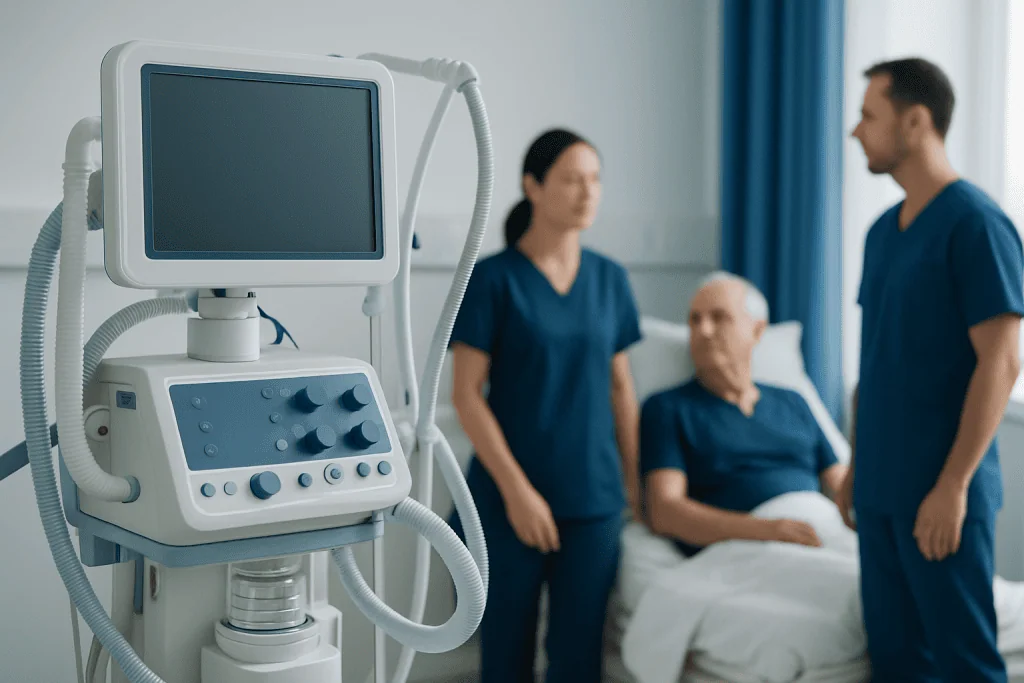
There is no single best way to travel around Istanbul during treatment, because the right answer changes with the kind of day you are having. Sort your days into three types and match the transport to each.
Consultation and test days
On days when you have a consultation, blood tests or straightforward imaging, you will usually feel much as you do normally. A taxi is the simplest option: door to door, no stairs, no standing. If you know the route well and feel confident, public transport can work too. The one caution is the return journey: a day that starts as a simple consultation can end with an unexpected extra test, a long wait or news that leaves you drained. Arrive however you like; plan to return by the easiest means available.
Procedure days
On the day of a procedure, anything involving sedation, anaesthesia, significant preparation or physical strain, arrange direct transport in both directions before the day begins. A private transfer, a hospital-arranged vehicle or a taxi booked in advance means you do not have to make decisions while groggy or in discomfort. If you have been told not to travel alone after sedation, treat that instruction as fixed. Companions travelling with you have their own logistics to think about too; our guide on how families and companions are supported during treatment travel covers that side in detail.
Rest days and light outings
Between appointments, when your care team has not restricted your movement, you have more freedom. This is when Istanbul’s public transport becomes genuinely useful: a short tram ride or a ferry across the water can be a gentle, pleasant outing rather than a chore. More on that below.
The transport options, honestly compared
- Taxis are everywhere in Istanbul and work for direct door-to-door trips. Keep your destination saved as a map pin and written down, because addresses are easier to show than to pronounce. Yellow taxis run on meters; ride-hailing apps are also widely used and remove the language barrier for stating a destination.
- Private transfers and hospital-arranged vehicles cost more than public transport but remove almost every unknown: no navigation, no walking, no waiting in the street after a procedure. On procedure days, this is usually money well spent. For how transport fits into a broader budget, see daily expenses during medical travel in Turkey.
- Metro, tram and funicular are clean, frequent and avoid road traffic entirely: a real advantage at rush hour. The trade-offs are stairs and escalators at stations, standing when carriages are full, and walking at either end. All public transport uses the rechargeable Istanbulkart, which a companion can buy and top up at machines in stations.
- Ferries cross the Bosphorus and the Golden Horn and are the most restful form of transport in the city: seats, fresh air, no traffic. For a patient on a lighter day, a ferry can double as a low-effort outing.
- Buses and the metrobus are best left to companions. They are efficient for locals who know the network, but crowded, and the metrobus in particular involves fast-moving crowds and standing.
Plan for traffic, timing, and hospital routines

Istanbul traffic is genuinely unpredictable. Mornings, late afternoons, rain and Friday evenings can double a journey time without warning, and crossings between the European and Asian sides are the most variable stretches of all. If your accommodation and hospital sit on opposite sides of the Bosphorus, treat every crossing as a long journey even when the map disagrees. Better still, when you book accommodation, choose the same side as your hospital: it is the single decision that most simplifies your daily travel.
Build a buffer into every hospital journey. Arriving thirty minutes early costs you nothing but a coffee in a waiting area; arriving late costs you a rescheduled slot and a stressful morning. If your visit involves registration, interpreter support or paperwork before you are seen, ask in advance how early you should arrive, at Acibadem hospitals, the international patient services team can tell you this, and can also confirm which entrance to use, since larger campuses have separate outpatient, main and day-case entrances. Knowing your entrance in advance saves confused walking on a day when you have no energy to spare.
Separate travel time from hospital time in your head. A single visit may include tests, waiting, imaging and more than one specialist. Do not book a tightly timed return car; keep the return flexible so you can rest or eat first if the day runs long. And note that timing pressures change with the calendar: traffic and crowds behave differently around public holidays and in high season, which is worth reading about in our guide to planning medical travel to Turkey during peak holiday seasons. Summer heat and winter rain also change how far you will comfortably walk, see how weather can affect recovery plans.
Airports: the first and last journey
Istanbul has two airports, and which one you use shapes your longest journeys of the trip. Istanbul Airport sits on the European side, well north of the centre; Sabiha Gökçen is on the Asian side. Both can be more than an hour from central districts by road, and longer in traffic. If you can choose your arrival airport, choose the one on the same side of the city as your hospital and accommodation.
For the arrival journey, a pre-arranged transfer is worth its cost: someone meets you, you do not negotiate anything after a long flight, and your luggage is handled. For departure, especially if you are flying home shortly after treatment, allow far more time than feels necessary. A missed flight after a procedure is a genuinely difficult problem; an extra hour at the airport is merely boring.
Stay comfortable and safe while moving around the city
Comfort is not a luxury during treatment travel; it is what keeps a manageable day from becoming a bad one. Wear supportive shoes that are easy to remove, and clothing that does not press on dressings, drains or swollen areas. Carry a light extra layer, cars, hospitals and ferries can all feel cooler than the street.
Carry a small day bag with only what you need: identification, a copy of your passport, your hospital details in writing, your phone and charger, tissues, water if your instructions allow it, and any snacks your care team has approved. Keep your regular medicines with you rather than at the hotel if a dose falls during the day: our guide on keeping regular medicines on schedule during medical travel covers this properly. If you are fasting before a test or procedure, re-read the instructions before you leave your accommodation, so a well-meant coffee stop does not spoil a scheduled test.
Physically, respect your limits. Do not carry heavy shopping after treatment, do not add long walks to a hospital day, and if you have been told not to drive, climb stairs or travel alone, follow that exactly. Istanbul’s older districts are steep; a route that a companion finds charming can be genuinely hard work a few days after surgery. Standard big-city awareness applies as it would in London or New York: keep bags zipped and in front of you in crowds, and use licensed taxis or app-booked cars rather than unofficial offers of a ride.
Use support services rather than solving everything yourself
You do not have to organise every journey alone, and there is no prize for doing so. Many international patients hand the fixed logistics, airport pickup, hospital transfers, interpreter arrangements, to the hospital’s international patient services team, which reduces the number of unknowns each day. If English is not your first language, arranging interpreter support in advance for key visits is far easier than improvising on the day.
Your hotel is a resource too. A concierge or reception desk can call a taxi, write your destination in Turkish, and point you to the nearest pharmacy or grocery. Keep the phone numbers of your hospital, your coordinator and your companion saved in your phone and written on paper, in case your battery dies at the wrong moment.
Balance treatment travel with light daily life
Most patients want to see something of Istanbul between appointments, and often they can. Whether and how much depends on your treatment plan, your mobility and your energy on the day, questions only your treating team can answer for your situation. What this guide can tell you is how to structure outings so they cost you little if they go wrong.
Keep every outing short, close to your accommodation, and easy to abandon. A quiet café, a flat waterfront walk, or a single ferry crossing and back are the kind of plans that work. Long sightseeing days, steep historic streets, packed markets and anything with a fixed schedule are the kind that do not: they leave you far from your bed with no easy exit when your energy drops. On some days, staying near the hotel is simply the right call, and there is no need to feel you are wasting the trip. You came for treatment; the city will still be there on a future visit.
A word on the practical questions visitors ask. Turkey does not require female visitors to cover their hair or dress in any particular way in daily life; in cities you will see every style of dress. Mosques are the exception, inside them, everyone dresses modestly and women cover their hair, and scarves are usually available at the entrance of major mosques. On general safety, the honest answer is that Istanbul is a very large city where ordinary urban precautions apply, and that conditions can change; check your own government’s current travel advice, such as the US State Department or UK FCDO pages for Türkiye, shortly before and during your trip rather than relying on older impressions either way.
Step by step
- Confirm the exact location and timing. Check the hospital, department and entrance before you travel, large campuses have several access points. Ask how early to arrive and whether fasting, paperwork or interpreter support changes your timing.
- Sort the day by type. Decide whether this is a consultation day, a procedure day or a rest day, and choose transport accordingly. Procedure days always get direct, pre-arranged transport in both directions.
- Choose the least tiring option, not the cheapest. Pick your route based on how you are likely to feel after the appointment, not only before it. If there is any chance of weakness, dizziness or drowsiness, arrange a direct return.
- Build in a generous buffer. Leave earlier than the map suggests, especially at rush hour, in rain, or for any journey that crosses the Bosphorus. A calm early arrival beats a rushed one every time.
- Pack a small essentials bag. Identification, passport copy, hospital details, medicines due that day, phone, charger, and approved water or snacks. Keep it light: you may be carrying it home tired.
- Keep communication simple. Save the destination as a map pin and carry it written down. Let your hotel or coordinator confirm the route if you are unsure.
- Plan the return before you leave. Do not wait until you are exhausted to work out how to get back. Arrange a flexible pickup or know exactly where you can get a licensed taxi at the hospital.
- Rest first, explore later. After any appointment, return to your accommodation before making further plans unless your care team has said otherwise. A short rest tells you honestly whether an outing is a good idea.
Your checklist
- Exact hospital name, department and entrance confirmed
- Accommodation on the same side of the Bosphorus as the hospital, if possible
- Appointment time plus 30–60 minutes of buffer planned
- Passport copy and hospital documents packed
- Phone charged, with local internet or roaming working
- Return transport decided before leaving
- Medicines due during the day carried with you
- Water, tissues and approved snacks packed if allowed
- Companion or coordinator told your route and timing
- Comfortable clothing and supportive shoes chosen
- Post-treatment restrictions checked before any outing
Key takeaways
- Match transport to the type of day: taxis or transfers for procedure days, public transport only for lighter days and companions.
- Stay on the same side of the Bosphorus as your hospital if you can: it removes the most unpredictable journeys.
- Allow generous time for traffic, registration and rest; arriving early is cheap, arriving late is not.
- Decide the return journey before the appointment, while you still have energy and a clear head.
- Keep outings short, nearby and easy to abandon, within whatever limits your care team has set.
- International patient services, interpreters and hotel staff exist to take logistics off your plate, use them.
Frequently asked questions
What is the best way to travel around Istanbul during treatment?
There is no single best way: it depends on the day. Taxis and pre-arranged transfers suit procedure days because they are door to door with no stairs or standing. Metro, tram and ferries suit lighter days and companions. The consistent rule is to choose the least tiring option and to plan the return journey before you leave.
Is public transport in Istanbul suitable during treatment?
On lighter days, yes: the metro and trams are frequent and avoid road traffic, and ferries are genuinely restful. After procedures, when fasting, or when you expect pain, fatigue or limited mobility, the stairs, crowds and standing make public transport a poor choice; take a taxi or arranged transfer instead.
How early should I leave for a hospital appointment in Istanbul?
Leave with a generous buffer, traffic can double a journey without warning, particularly at rush hour, in rain, or on routes crossing the Bosphorus. Add time on top for registration, finding the right department, and any interpreter or paperwork steps before you are seen.
Can I take a taxi after my treatment?
Often yes, but it depends on the treatment and how you feel. After sedation, anaesthesia or anything affecting balance and alertness, follow your care team’s instructions exactly, and travel with a companion where advised. Booking the return car before the appointment is easier than arranging one while groggy.
Is it safe for Americans and other visitors to go to Istanbul right now?
Istanbul is a very large city where ordinary urban precautions apply, and conditions anywhere can change. The honest approach is to check your own government’s current travel advice for Türkiye, for example the US State Department or the UK Foreign Office, shortly before travelling and again during your stay, rather than relying on older impressions in either direction.
Do female tourists have to cover up in Turkey?
No. There is no requirement for visitors to cover their hair or dress in a particular way in daily life, and in Istanbul you will see every style of dress. Mosques are the exception: inside them everyone dresses modestly and women cover their hair, and scarves are usually available at the entrances of major mosques.
Is Turkey a practical destination for medical tourism?
Many international patients travel to Turkey for treatment, and Istanbul has extensive hospital infrastructure and services aimed at foreign patients, including interpreter and transfer support. Whether it suits you depends on your condition, your treatment plan and your ability to travel, questions to work through with your own doctors when weighing any treatment abroad.
What should I do if I do not speak Turkish?
Keep your destination saved as a map pin and written down, since showing an address works better than pronouncing it. Ride-hailing apps remove the language barrier for taxis. For hospital visits where language matters, arrange interpreter support in advance rather than improvising on the day; hotel staff can help with everyday logistics like calling cars or finding a pharmacy.
Add us as a Preferred Source to see more of our trusted health content across Google Search, AI Overviews and Discover.

Update history
- PublishedAugust 14, 2026
- Medical review approvedSeptember 1, 2026
- Last content updateSeptember 1, 2026
References2
- UK Government: Foreign travel advice: Turkey gov.uk
- CDC Travelers' Health: Türkiye (Turkey) wwwnc.cdc.gov
More Patient Guides

GHIC and EHIC in Turkey: Why They Do Not Cover You
The blue card that quietly covers you across Europe stops working at the Turkish border, and every summer, travelers discover this…

Do You Need Vaccinations for Turkey?
Here is the answer travel clinics give every day: no vaccinations are required to enter Turkey from anywhere in the normal course…

Flying With a Broken Leg or Cast: Airline Rules and Comfort
A broken leg does not cancel a flight, airlines carry passengers in casts every single day. What surprises travelers is that…
Travel Insurance After Cancer: What Patients Should Know
A cancer diagnosis changes how insurers read your name, but it does not end your traveling life. Thousands of people with…