Recurring Fainting Spells: How Neurophysiology Testing Can Help Find the Cause

Fainting is a brief loss of consciousness caused by reduced blood flow to the brain, but not every episode has the same cause. Neurophysiology testing may help distinguish fainting from seizures and identify autonomic nervous system problems.
Key Takeaways
- Fainting is a brief loss of consciousness caused by reduced blood flow to the brain, but not every episode has the same cause.
- Neurophysiology testing may help distinguish fainting from seizures and identify autonomic nervous system problems.
- A careful history, physical exam, and heart-related evaluation are often combined with neurological testing.
- Common tests may include EEG, autonomic function testing, tilt table testing, and sometimes prolonged monitoring.
- Treatment depends on the cause and may involve hydration, lifestyle changes, medication review, or treatment of an underlying condition.
- Repeated fainting, injury during an episode, or fainting with chest pain, palpitations, or neurological symptoms needs medical assessment.
Recurring fainting spells should not be ignored, especially when they happen more than once or without a clear explanation. Neurophysiology testing can help doctors understand whether fainting is related to the nervous system, seizures, or problems with automatic body functions such as blood pressure and heart rate control.
Overview
Recurring fainting spells, also called recurrent syncope, describe repeated episodes of briefly losing consciousness and then recovering. Fainting happens when the brain does not receive enough blood flow for a short time. Many episodes are triggered by a temporary drop in blood pressure, changes in heart rate, or an exaggerated reflex in the nervous system.
Although fainting is common and often benign, repeated episodes deserve proper evaluation. Some people have warning signs such as dizziness, sweating, blurred vision, nausea, or feeling warm. Others may faint suddenly, which can lead to falls, injuries, anxiety, and uncertainty about daily activities such as driving or exercising.
Neurophysiology testing can be helpful when the cause is unclear, when symptoms suggest a nervous system problem, or when doctors need to tell fainting apart from events such as seizures. These tests assess how the brain, nerves, and autonomic nervous system are functioning. The autonomic nervous system controls automatic body processes, including blood pressure, heart rate, breathing, and sweating.
Because recurrent fainting can have more than one contributing factor, evaluation is often multidisciplinary. Doctors may look at neurological, cardiovascular, metabolic, and medication-related causes together so that treatment can be tailored to the individual rather than based on the episode alone.
Symptoms and Warning Signs
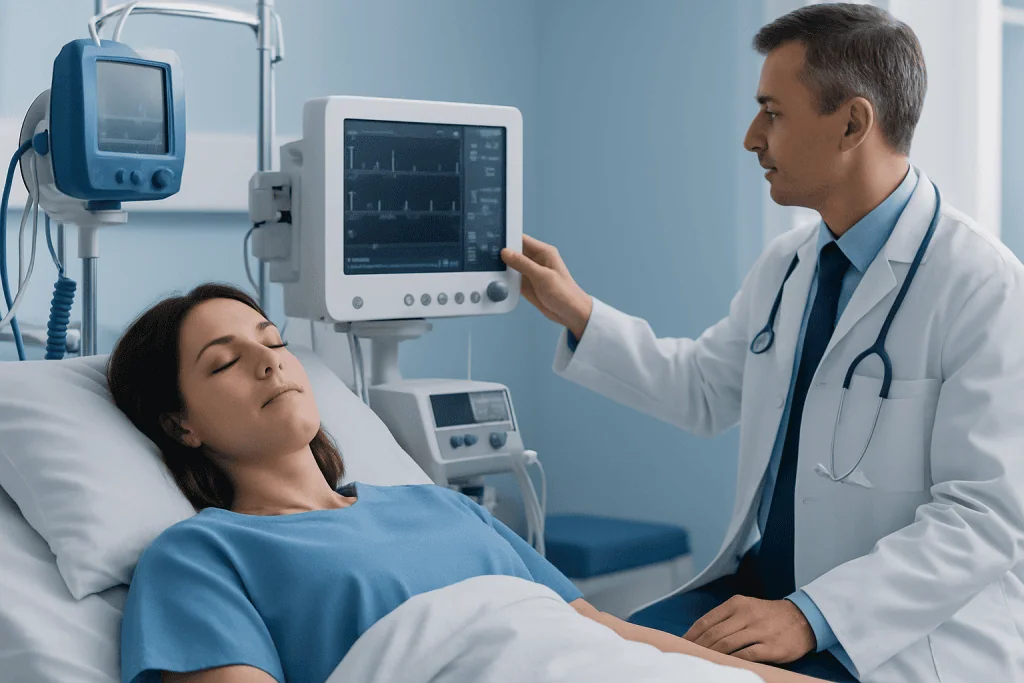
A fainting spell usually begins with lightheadedness or a sense that consciousness is about to fade. People may report blurred or tunnel vision, ringing in the ears, weakness, yawning, nausea, sweating, or feeling unusually hot or pale. These symptoms may happen after standing for a long time, seeing blood, experiencing pain, emotional stress, or getting up quickly.
During a faint, the person becomes unresponsive for a short time and typically falls or slumps. Recovery is usually quick, though tiredness, nausea, or mild confusion may follow. Brief jerking movements can sometimes happen during fainting because of reduced blood flow to the brain, which is one reason fainting may occasionally be confused with a seizure.
Features that may suggest a cause other than simple fainting include prolonged confusion after the event, tongue biting, loss of bladder control, severe headache, chest pain, palpitations, shortness of breath, or fainting during exertion. These symptoms do not confirm one diagnosis on their own, but they make a careful medical evaluation especially important.
- Common prodrome: dizziness, sweating, nausea, dim vision
- During the event: brief loss of consciousness, limpness, collapse
- After the event: fast recovery is more typical of fainting than seizure
- Concerning signs: injury, repeated sudden episodes, fainting while lying down or exercising
Causes and Risk Factors

Recurring fainting spells can happen for several reasons. A common cause is reflex syncope, sometimes called vasovagal syncope, in which the nervous system temporarily lowers heart rate or blood pressure too much. Another cause is orthostatic hypotension, where blood pressure drops on standing. Dehydration, prolonged standing, heat, skipped meals, illness, or certain medications can make these episodes more likely.
Cardiac causes are also important to consider. Abnormal heart rhythms, structural heart disease, or blood flow problems can reduce blood delivery to the brain and may cause sudden fainting. This is why doctors often combine neurophysiology assessment with heart-related testing. In some patients, episodes first thought to be fainting may eventually be linked to a rhythm problem or another cardiovascular condition.
Neurological causes are less common but clinically important. Seizures, autonomic nervous system disorders, and some disorders affecting the brain or peripheral nerves may produce episodes that resemble fainting or contribute to instability of blood pressure and heart rate. In selected cases, doctors may also consider sleep disorders, metabolic problems, medication effects, or psychological causes of apparent blackouts.
Risk factors include older age, chronic illnesses such as diabetes or Parkinsonian disorders, use of blood pressure-lowering medicines, a family history of sudden cardiac problems, and previous episodes of unexplained collapse. People with known neurological disease may require a more focused evaluation of autonomic function or brain activity, especially if symptoms overlap with epilepsy or disorders of blood pressure control.
How Neurophysiology Testing Helps
Neurophysiology testing examines how the nervous system is working in real time. In the setting of recurring fainting spells, the main goal is not simply to confirm that a person lost consciousness, but to understand whether the episode was due to a seizure, autonomic dysfunction, or another disorder affecting the body’s automatic control systems. These tests are particularly useful when standard examination and basic heart tests do not fully explain the episodes.
One commonly used test is the electroencephalogram, or EEG, which records the brain’s electrical activity. An EEG may help if there is concern that blackouts could be seizures rather than fainting. It is most useful when symptoms, witness descriptions, or recovery patterns raise suspicion for seizure activity. A normal EEG does not rule out every neurological condition, but it can be one important part of the overall picture and may be arranged as EEG testing.
Autonomic nervous system testing evaluates how the body regulates blood pressure, heart rate, breathing, and sweating. This may include heart rate variability with deep breathing, blood pressure responses to posture changes, Valsalva maneuver testing, and sweat testing. These studies can help identify orthostatic intolerance, autonomic neuropathy, or other patterns suggesting that the fainting is related to abnormal reflexes or impaired autonomic control.
Tilt table testing is often used when episodes are triggered by standing or when reflex syncope is suspected. During this test, the person is secured on a table that changes position while heart rate and blood pressure are monitored. The test can reproduce symptoms in a controlled setting and show whether a drop in blood pressure or heart rate is occurring. In some cases, additional neurological assessment such as electromyography or nerve studies may be considered if symptoms suggest an underlying neuropathy affecting autonomic function.
Diagnosis and What to Expect During Evaluation
The diagnosis of recurrent fainting begins with a detailed history. Doctors will ask what happened before, during, and after each episode; how long the person was unconscious; whether anyone witnessed the event; and whether there were triggers such as standing, heat, pain, dehydration, or stress. A medication review is essential because some medicines can lower blood pressure, affect heart rhythm, or increase the risk of blackouts.
Physical examination often includes measuring blood pressure and heart rate lying down and standing up. Doctors may also check neurological function, hydration status, and signs of heart disease. Depending on the history, blood tests, an electrocardiogram, echocardiography, heart rhythm monitoring, or brain imaging may be recommended. Neurophysiology tests are then chosen based on the most likely explanation rather than used in exactly the same way for every person.
Sometimes the main challenge is distinguishing syncope from seizure-like episodes. Witness reports are especially helpful here. Brief stiffness or jerking can occur in both situations, so diagnosis depends on the full pattern, including triggers, color changes, duration, recovery time, and test results. If necessary, specialists may also evaluate related conditions such as autonomic dysfunction or episodes concerning for syncope caused by different mechanisms.
People preparing for testing are usually advised to follow the instructions given by their care team, especially regarding food, fluids, and medications. Asking a family member or witness to describe previous episodes can also be useful. A clear, step-by-step evaluation often helps reduce uncertainty and leads to more targeted treatment.
Treatment Options
Treatment depends on the underlying cause. If recurrent fainting is due to reflex syncope or orthostatic intolerance, practical measures may be very effective. These may include drinking enough fluids, avoiding prolonged standing, rising slowly, recognizing warning signs, and using physical counter-pressure maneuvers such as leg crossing or muscle tensing when symptoms begin. Some patients also benefit from reviewing and adjusting medications that may lower blood pressure.
When autonomic nervous system disorders are identified, treatment may focus on both symptom control and the condition causing the autonomic changes. This can include management of diabetes-related nerve damage, neurological disease, or other medical problems. Compression garments, structured fluid and salt strategies when medically appropriate, and tailored rehabilitation plans may also help selected patients.
If the evaluation suggests seizure rather than fainting, treatment shifts toward neurological care, which may include further monitoring and anti-seizure therapy under specialist guidance. If a heart-related cause is suspected or confirmed, cardiology treatment is essential and may involve rhythm monitoring, medication changes, or procedures. This is why recurrent blackouts are often managed collaboratively rather than by one specialty alone.
In complex cases, specialized studies such as video EEG monitoring or formal autonomic assessment may provide the extra information needed for diagnosis. Near the end of the diagnostic journey, some patients may benefit from care at centers where neurologists, cardiologists, and neurophysiology teams work together. Acibadem International’s multidisciplinary specialists and JCI-accredited hospitals diagnose and treat patients with unexplained fainting and related neurological conditions, including access to advanced testing such as evoked potential tests when clinically relevant.
Prevention, Self-care, and When to See a Doctor
Self-care starts with understanding personal triggers. Many people notice that episodes happen with dehydration, heat, standing still for long periods, skipped meals, sudden position changes, or emotional stress. Keeping a symptom diary can help identify patterns and provide valuable information for the doctor. The diary may include time of day, activity, food and fluid intake, medications, and any warning symptoms.
People who feel faint should sit or lie down right away if it is safe to do so. Elevating the legs may help blood return to the brain. If there is no known serious cause, learning to respond early to warning signs can sometimes prevent a full fainting episode. However, self-care is not a substitute for medical evaluation when episodes are recurring or unexplained.
Medical attention is especially important if fainting occurs repeatedly, happens during exercise, causes injury, or is associated with chest pain, palpitations, shortness of breath, severe headache, weakness, or prolonged confusion. Emergency care is needed if the person does not wake up promptly, has trouble breathing, or shows signs of stroke or serious heart problems.
Even when episodes appear mild, recurrent fainting should be discussed with a qualified doctor. A thoughtful evaluation can reassure patients when the cause is benign, but it can also detect treatable heart, nerve, or brain conditions before they lead to further episodes or complications.
Frequently asked questions
What is the difference between fainting and a seizure?
Fainting is usually caused by a temporary drop in blood flow to the brain, while a seizure is caused by abnormal electrical activity in the brain. The two can sometimes look similar, especially if brief jerking occurs during a faint. Doctors use the history, witness descriptions, and tests such as EEG or heart monitoring to tell them apart.
Can neurophysiology testing diagnose the cause of every fainting spell?
No single test can explain every episode. Neurophysiology testing is most helpful when symptoms suggest a seizure, autonomic nervous system problem, or another neurological cause. It is usually combined with physical examination and heart-related evaluation for a complete diagnosis.
What is a tilt table test used for?
A tilt table test helps doctors see how blood pressure and heart rate respond to changes in position. It is often used when reflex syncope or orthostatic intolerance is suspected. The test may reproduce symptoms in a controlled environment and clarify why a person faints when standing.
Is recurrent fainting always serious?
Not always. Many fainting episodes are related to vasovagal syncope or temporary blood pressure changes and are not dangerous by themselves. Still, repeated fainting should be assessed because some causes, especially heart rhythm problems or seizures, need treatment.
When should someone seek urgent care for a fainting episode?
Urgent evaluation is important if fainting happens during exercise, with chest pain, palpitations, trouble breathing, severe headache, or neurological symptoms such as weakness or trouble speaking. It is also important if the person is injured, does not recover quickly, or has repeated unexplained episodes. These features may point to a more serious cause.
How should someone prepare for an evaluation of recurring fainting spells?
It helps to note when episodes happen, what the person was doing, and any warning symptoms before the event. Bringing a medication list and, if possible, a witness account can make the evaluation more accurate. Patients should also follow any instructions about eating, drinking, or medication changes before testing.
References
- World Health Organization
- American Academy of Neurology
- Heart Rhythm Society
- European Society of Cardiology
- National Institute of Neurological Disorders and Stroke
This article is for general information only and is not a substitute for professional medical advice. Please consult a qualified doctor about your individual situation.
Neurophysiology in Turkey — costs, top hospitals & a free quote
JCI-accredited · board-certified surgeons · reply within 24h
Add us as a Preferred Source to see more of our trusted health content across Google Search, AI Overviews and Discover.
Check your numbers in seconds
BMI, calories, due date, blood pressure and 30+ more clinical calculators — free, instant, doctor-reviewed ranges.