Proton Therapy Side Effects: What to Expect, How Long They Last and How They Are Managed
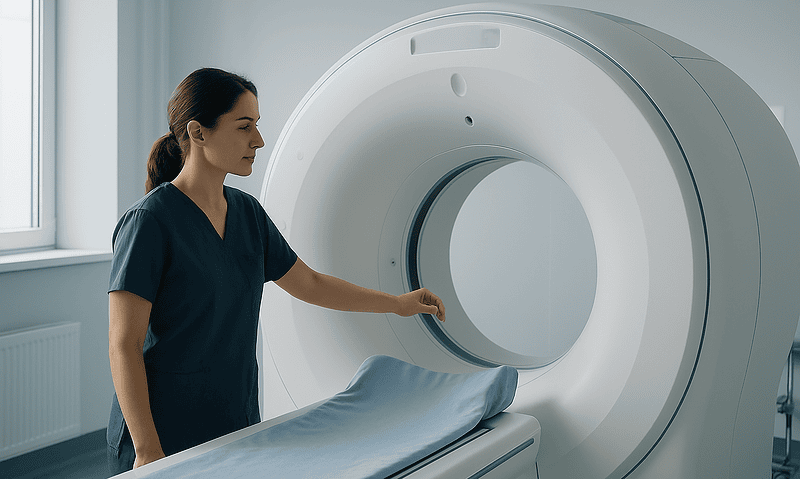
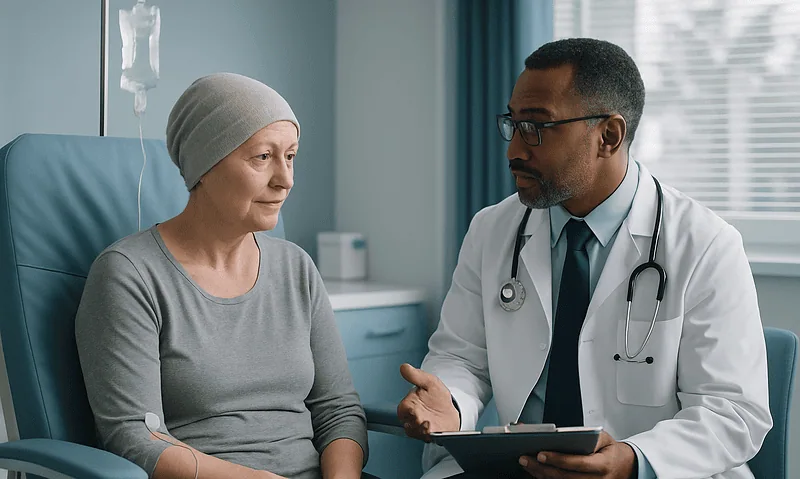
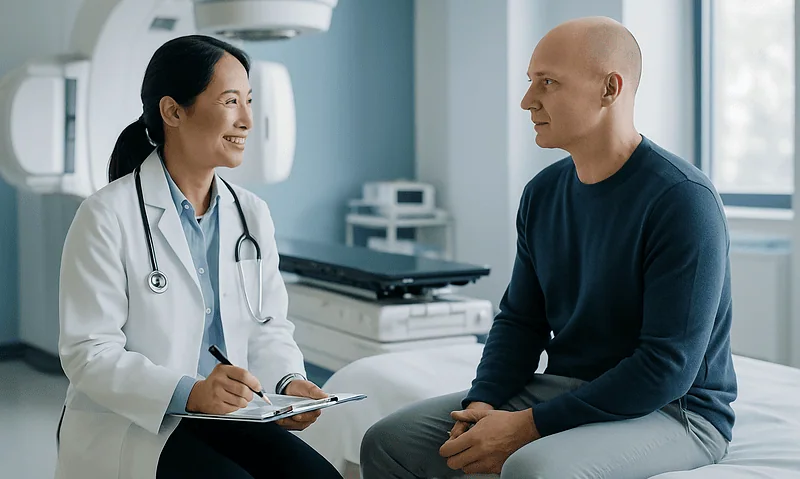
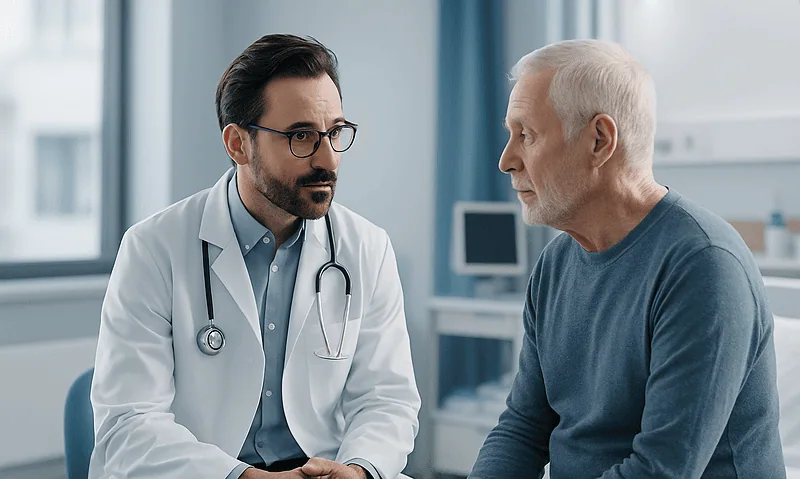
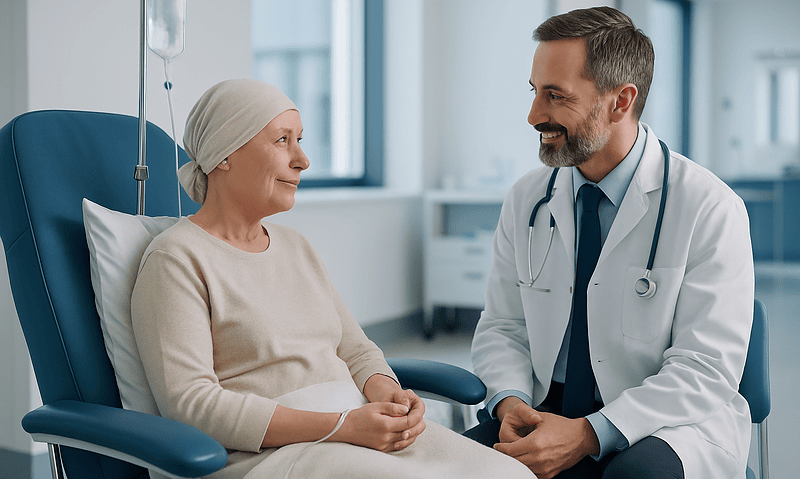
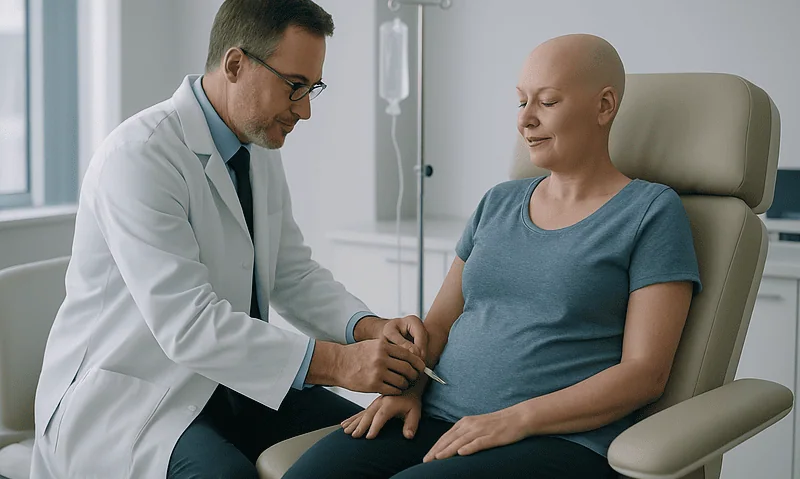
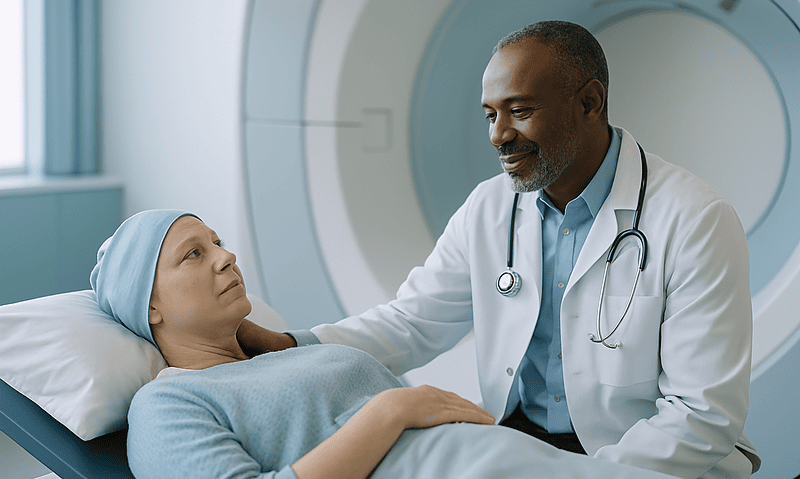
Proton therapy side effects are similar in kind to those of standard radiation but usually affect a narrower area, because protons stop inside the…
Read article

Articles on medical technology: robotic surgery, advanced imaging, radiotherapy systems and other equipment, explained by what each actually changes for the patient rather than by brand names.
Proton therapy side effects are similar in kind to those of standard radiation but usually affect a narrower area, because protons stop inside the…
Private cancer treatment means cancer care paid for directly or through private insurance rather than a public system, usually offering faster appointments, more choice…
A stem cell transplant is priced as a months-long episode of care, not a single operation: donor search or cell collection, conditioning chemotherapy, weeks…
Bone marrow transplant survival depends less on age alone than on the disease being treated, whether it is in remission, the type of transplant,…
If CAR T-cell therapy fails, the cancer either never responds or returns after an initial remission, most often within the first year. Doctors then…
Chemotherapy cost has no single figure. It depends on the drug regimen, how many cycles are planned, whether the drugs are infused or taken…
There is no single bone marrow transplant success rate. Published figures vary widely because they measure different things (survival at one or five years,…
There is no single bone marrow transplant cost, because the bill is built from a chain of stages: donor search and matching, stem cell…
Radiation therapy can cause hair loss, but only in the area being treated. Unlike chemotherapy, which circulates through the bloodstream and reaches hair everywhere,…
Radiation therapy comes in three broad types. External beam radiation, the most common, aims high-energy X-rays or particles at a tumor from a machine…
The main disadvantages of proton beam therapy are cost, limited availability, and a thinner evidence base than conventional radiation. Protons still cause side effects…
There is no single success rate for radiation therapy, because results depend on the cancer type, its stage, and whether the goal is cure,…
Family members can safely live with, hug, and care for someone having chemotherapy. The drugs are not radioactive and do not spread by touch…
The main types of immunotherapy are checkpoint inhibitors, monoclonal antibodies, CAR T-cell and other adoptive cell therapies, cytokines, oncolytic viruses, treatment vaccines, and locally…
Intrathecal chemotherapy is chemotherapy injected directly into the cerebrospinal fluid that bathes the brain and spinal cord, usually through a lumbar puncture or a…
Chemotherapy has three time scales. A single session can take anywhere from a few minutes for an injection to several hours for an intravenous…
Chemotherapy for stage 4 cancer is usually given to control the disease rather than cure it: to shrink or slow tumors that have spread,…
Radiation therapy itself is not painful: the beam cannot be felt, much like having an X-ray, and each session lasts only minutes. Discomfort, when…
Choose which cookies you allow. Essential cookies are always on because the site cannot work without them.