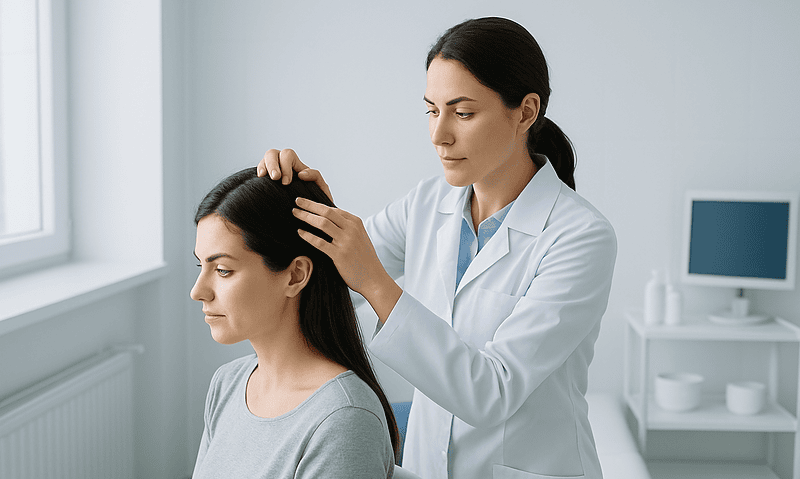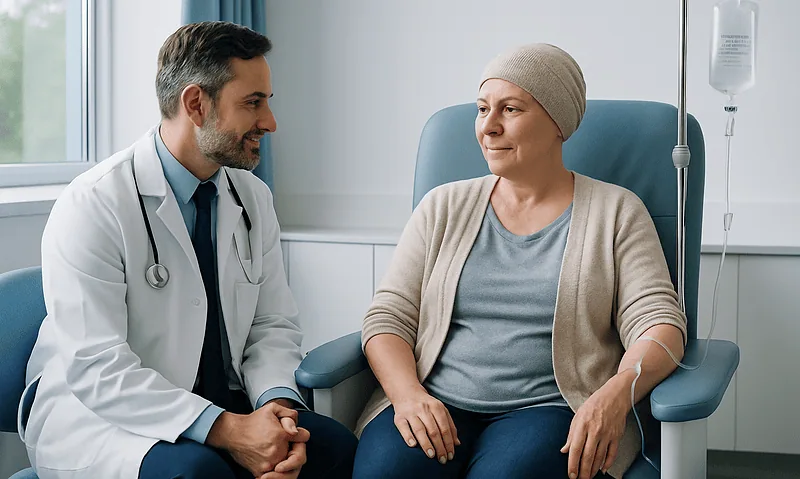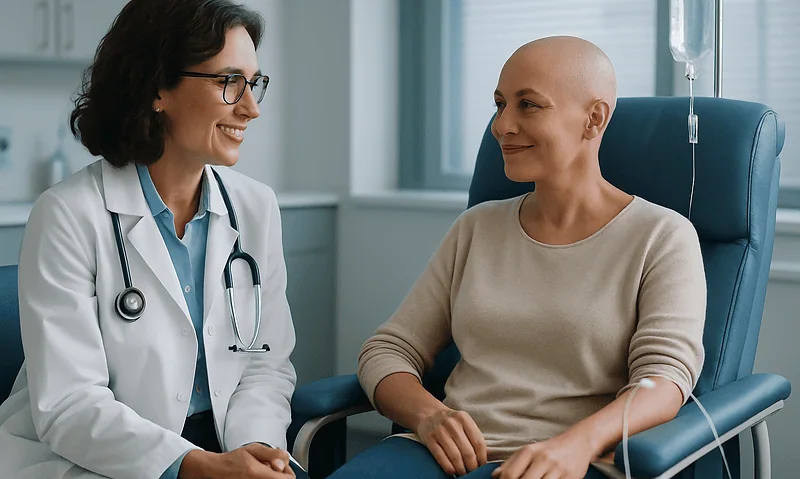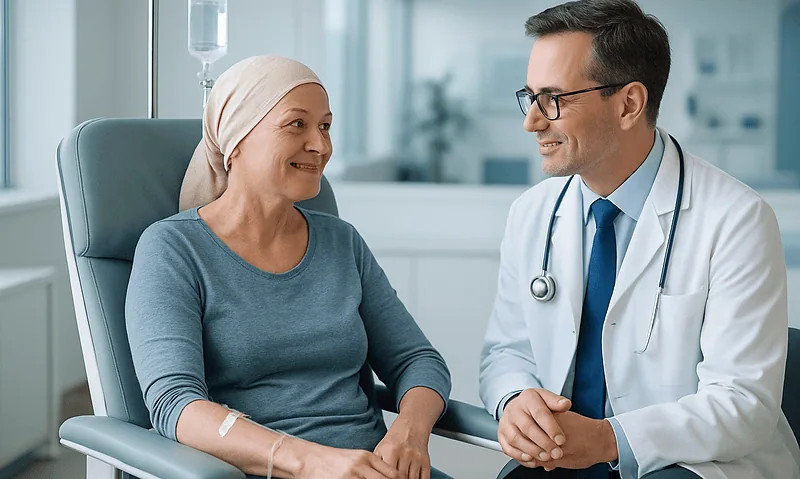
Hair Growth After Chemotherapy: What It Means, What to Expect and When to See a Specialist
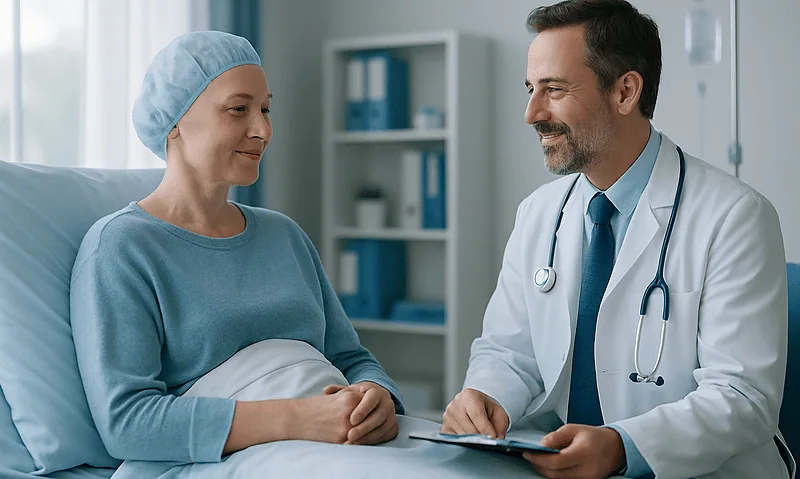
Hair growth after chemotherapy usually begins within a few weeks of the final treatment, starting as soft fuzz and reaching roughly an inch or…
Read article

Articles on medical technology: robotic surgery, advanced imaging, radiotherapy systems and other equipment, explained by what each actually changes for the patient rather than by brand names.
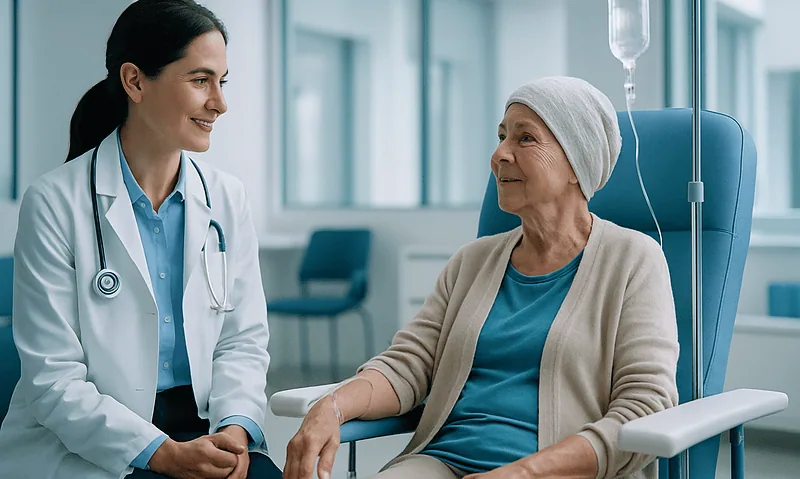
Hair growth after chemotherapy usually begins within a few weeks of the final treatment, starting as soft fuzz and reaching roughly an inch or…
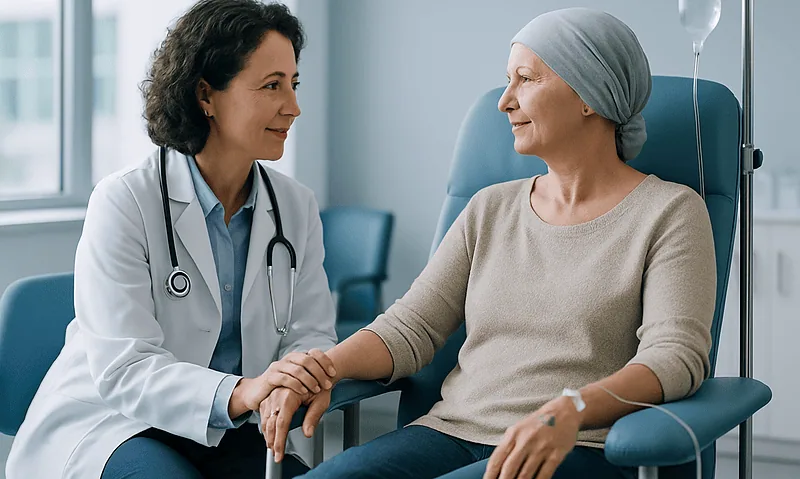
Chemotherapy for metastatic cancer is medicine that travels through the bloodstream to reach cancer cells wherever they have spread. For most metastatic cancers it…
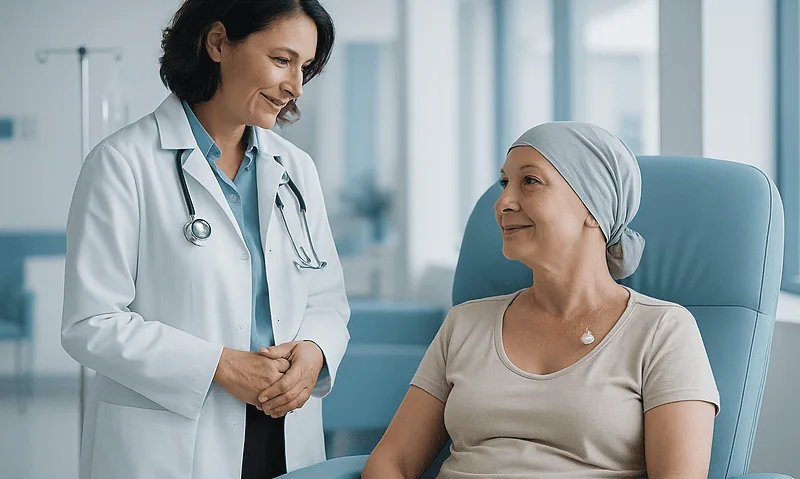
Chemotherapy hair loss happens because many chemotherapy medicines target fast-dividing cells, and the cells in hair follicles divide quickly. Shedding usually starts two to…
Chemotherapy is usually grouped in three ways: by goal (curative, adjuvant or neoadjuvant to support surgery, and palliative to control symptoms and slow growth),…
Chemotherapy and radiation are different tools for the same job. Chemotherapy uses medicines that travel through the bloodstream to reach cancer cells anywhere in…
Immunotherapy cost has no single figure because the bill is driven by which drug class is used, how many treatment cycles you receive, whether…
A bone marrow transplant, also called a stem cell transplant, replaces damaged or destroyed blood-forming stem cells with healthy ones from your own body…
A chemotherapy port is a small device, roughly the size of a quarter, placed under the skin of the upper chest and connected by…
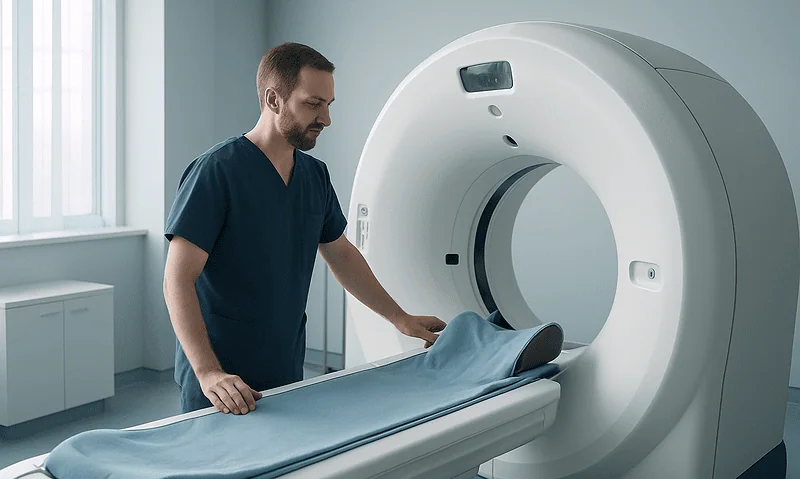
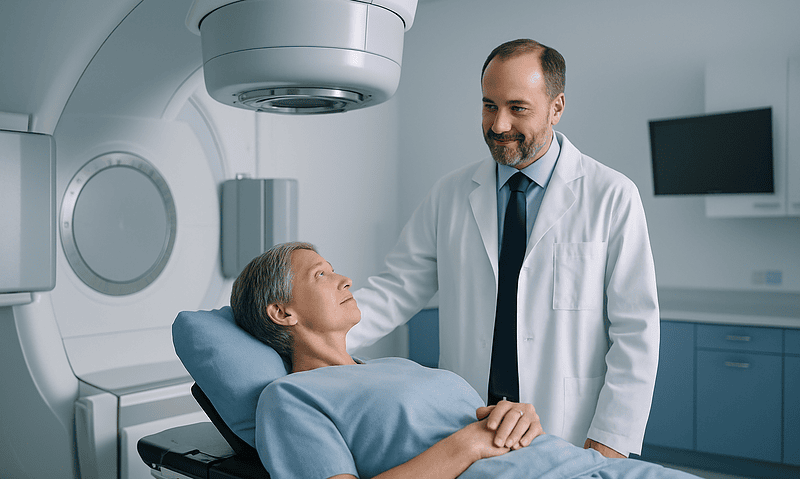
External beam radiation therapy directs precisely shaped, high-energy beams from a machine outside the body at a tumor to damage cancer-cell DNA. It is…
Immunotherapy rarely announces itself with a feeling. The clearest signs it is working come from imaging that shows tumors shrinking or holding steady, tumor-marker…
Immunotherapy works by helping your own immune system recognize and attack cancer cells, rather than poisoning the cells directly the way chemotherapy does. Some…
Most external beam radiation for prostate cancer involves 20 to 39 sessions, given five days a week over roughly four to eight weeks, while…
Immunotherapy drugs are cancer treatments that help the body's own immune system recognize and attack tumor cells, rather than killing those cells directly the…
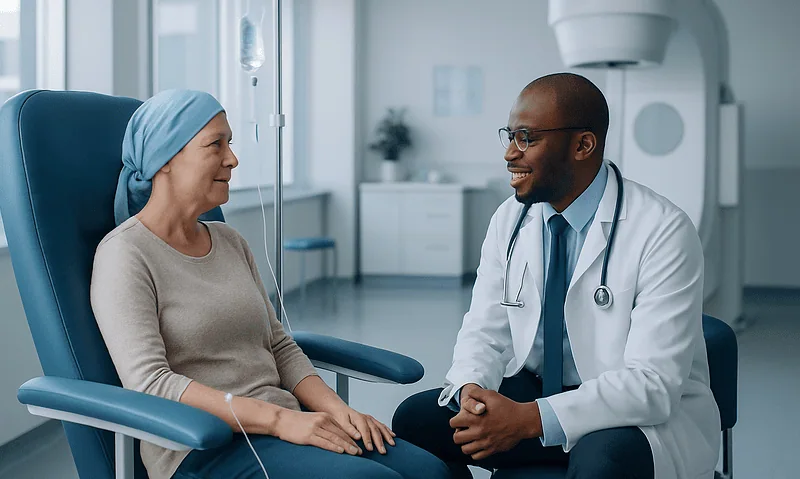
Palliative chemotherapy is chemotherapy given when cancer cannot be cured, with the aim of shrinking or slowing tumors to ease symptoms, protect quality of…
Radiation therapy works by aiming high-energy X-rays, gamma rays or particle beams at a tumor to damage the DNA inside cancer cells so they…
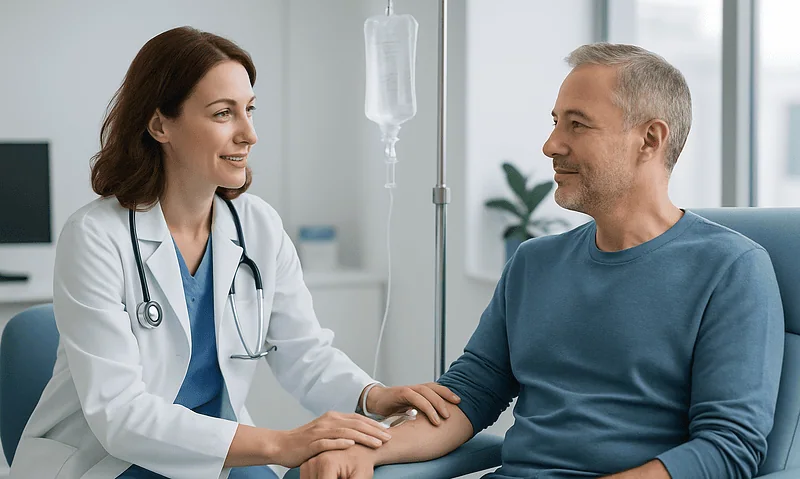
Chemotherapy drugs are medicines that kill fast-dividing cells or stop them from copying their DNA, which is why they affect cancer cells and also…
Adjuvant chemotherapy is chemotherapy given after surgery has removed a cancer, with the aim of destroying microscopic cells that may have escaped and lowering…
Neoadjuvant chemotherapy is chemotherapy given before surgery or radiation rather than after. Its goals are to shrink a tumor so an operation is smaller…
Choose which cookies you allow. Essential cookies are always on because the site cannot work without them.