JCI-accredited · 45+ hospitals & clinics · 90+ countries served · 24/7 multilingual support
Comparison Guide

Best Dental Clinics in Turkey for UK Patients

A clinically grounded guide to choosing where to have your dental care in Türkiye — hospital-based care, accredited facilities and physician-led teams, compared openly.

Updated July 2026 Clinically reviewed Transparent methodology
8 facilities compared

Dental Veneers (full smile design) — package price

Türkiye$3,500–$7,000
United States$12,600–$25,200
Save up to 72%JCI-accredited network

Best dental clinics in Turkey for UK patients are usually compared on price first, but cost alone is a poor guide for clinical decision-making. Dental work that changes bite, appearance, or long-term oral function needs structured assessment, careful treatment planning, and a setting that can support more than a straightforward cosmetic procedure. For UK-based patients, the real question is not simply where treatment appears cheaper. It is whether the provider works inside a licensed hospital environment, follows physician-led planning, and can document how care is organized before, during, and after treatment. Those factors shape risk, logistics, and the overall patient experience far more than headline package figures.

Turkey is well known in international dentistry, yet the market is mixed. Some providers operate with strong hospital infrastructure and specialist oversight, while others are built around fast sales processes that emphasize volume and speed. That difference matters when treatment includes implants, full smile rehabilitation, multiple crowns, or combined procedures requiring imaging, anesthesia planning, and staged aftercare. UK patients comparing options should therefore look for evidence of international accreditation, hospital licensing, infection control standards, and clear routes for follow-up. A serious provider should be able to explain not only what treatment is proposed, but why that plan fits the patient’s oral condition and recovery needs.

This guide reviews the best dental clinics in Turkey for UK patients using a consistent methodology focused on accreditation, clinical oversight, facility capacity, and international patient services. The facilities listed here are JCI-accredited hospitals within the Acibadem Healthcare Group network, located in İstanbul, İzmir, and Muğla. Rather than ranking them by marketing claims, the page explains how to assess quality beyond pricing, what common restorative and cosmetic techniques actually involve, why hospital settings can matter for selected cases, and how indicative market-level package ranges compare with US benchmarks. The aim is a more useful comparison for patients planning treatment from the UK.

How this list is compiled
  • International accreditation (JCI) and licensed hospital status
  • Physician-led planning and clinical oversight rather than sales-led workflows
  • Facility capacity: operating environment, inpatient backup, infection control
  • International patient services: language support, transfers, documented aftercare

Content prepared under our Editorial Policy and reviewed under the Medical Review Board process.

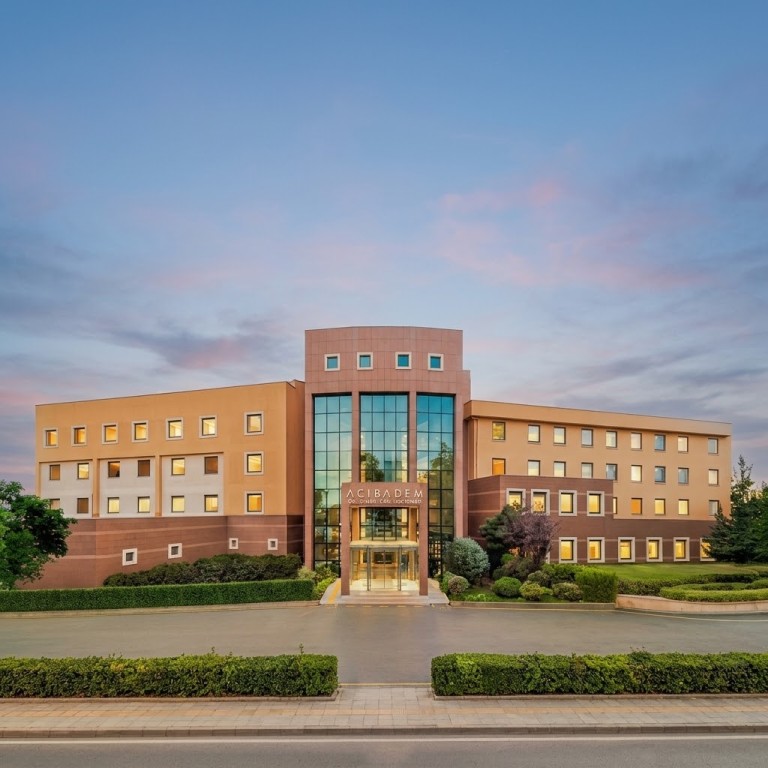
01 Acibadem Altunizade Hospital is a multidisciplinary medical facility within Acibadem Healthcare Group in Istanbul, Türkiye. Designed to serve both local and international patients, the hospital brings together medical and surgical specialties, advanced diagnostic services, inpatient care, and coordinated patient support under one integrated structure.

Acibadem Altunizade Hospital

İstanbul, Türkiye

Acibadem Altunizade Hospital belongs on this list because it combines JCI accreditation with large-scale hospital capacity in İstanbul. With 350 beds and 18 operating rooms, it represents a substantial clinical environment for patients who want dental treatment planned within a broader hospital system rather than a standalone commercial setting. For UK patients, that scale supports the guide’s core evaluation criteria: licensed hospital status, structured operating environment, infection control processes, and access to inpatient backup if needed. As part of the Acibadem Healthcare Group network, it also aligns with physician-led planning and organized international patient services.

JCI Accredited 350 beds 18 operating rooms International patient services
02 Acibadem Atakent Hospital is a multidisciplinary medical facility within Acibadem Healthcare Group in Istanbul, serving both local and international patients. The hospital brings together diagnostic, medical, and surgical specialties in a coordinated environment designed for safe, efficient, and patient-centered care.

Acibadem Atakent Hospital

İstanbul, Türkiye

Acibadem Atakent Hospital is included because it offers JCI-accredited hospital care in İstanbul with 262 beds and 8 operating rooms. Those facts matter for international dental patients seeking treatment in a setting that goes beyond a simple clinic model. The hospital’s licensed status and capacity support the methodology used in this guide, especially around operating environment, infection control, and the ability to coordinate care within a multidisciplinary institution. For UK patients comparing providers, Acibadem Atakent Hospital represents a hospital-based option where dental pathways can sit within broader clinical oversight and structured international patient support.

JCI Accredited 262 beds 8 operating rooms International patient services
03 Advanced Medical Excellence in the Heart of Istanbul

Acibadem Maslak Hospital

İstanbul, Türkiye

Acibadem Maslak Hospital stands out on this list as a JCI-accredited hospital in İstanbul with 230 beds and 20 operating rooms. For patients assessing dental care abroad, that combination suggests significant institutional capacity behind treatment planning and delivery. While bed and operating room numbers do not define treatment quality on their own, they do indicate a strong hospital framework, which is relevant for infection control, procedural coordination, and backup support. Within the Acibadem Healthcare Group network, Acibadem Maslak Hospital also aligns with the guide’s emphasis on physician-led planning and practical services for international patients traveling from the UK.

JCI Accredited 230 beds 20 operating rooms International patient services
04 Acibadem Hospitals Group modern hospital buildings illuminated at night, showcasing advanced healthc.

Acibadem Atasehir Hospital

İstanbul, Türkiye

Acibadem Atasehir Hospital earns a place in this comparison because it is a JCI-accredited hospital in İstanbul with 210 beds and 12 operating rooms. For UK patients considering dental treatment in Turkey, those details point to a credible hospital environment rather than a sales-led standalone setup. The hospital’s scale supports the guide’s core methodology around licensed hospital status, clinical oversight, infection control, and access to facility infrastructure when care is more complex than routine dentistry. As part of the wider Acibadem Healthcare Group network, it also fits the expectation of organized international patient services and documented aftercare pathways.

JCI Accredited 210 beds 12 operating rooms International patient services
05 Acibadem Kent Hospital is a private medical facility in Izmir, Türkiye, within the Acibadem Healthcare Group. Serving both local and international patients, the hospital offers multidisciplinary healthcare supported by hospital-based diagnostic, treatment and follow-up units. Its location in Izmir, one of Türkiye’s most accessible coastal cities, makes it a practical choice for patients who are combining medical care with international travel.

Acibadem Kent Hospital (Izmir)

İzmir, Türkiye

Acibadem Kent Hospital (Izmir) is included because it brings JCI-accredited hospital standards to İzmir, offering UK patients an alternative to İstanbul while remaining within the same hospital network. With 190 beds and 12 operating rooms, it has the type of facility capacity that supports dental treatment inside a structured clinical environment. That matters for patients who prioritize licensed hospital status, infection control, and access to inpatient backup if appropriate. In the context of this guide, Acibadem Kent Hospital (Izmir) reflects the same broader network strengths: physician-led planning, clinical governance, and international patient coordination.

JCI Accredited 190 beds 12 operating rooms International patient services
06 Acibadem Kartal Hospital is a modern medical facility located in Istanbul’s Kartal district, serving patients on the Anatolian side of the city and welcoming international patients who travel to Türkiye for medical care. As part of Acibadem Healthcare Group, the hospital brings together multidisciplinary medical expertise, patient-focused service, and coordinated care pathways designed to support patients from first enquiry through recovery and follow-up.

Acibadem Kartal Hospital

İstanbul, Türkiye

Acibadem Kartal Hospital belongs on this list because it is a JCI-accredited hospital in İstanbul, providing a hospital-based option for international dental patients within the Acibadem Healthcare Group network. Its 127 beds and 4 operating rooms show a smaller institutional footprint than some other facilities listed here, but still within a licensed hospital framework that supports structured care pathways. For UK patients, that means the comparison remains grounded in accreditation, hospital status, infection control, and coordinated international services rather than marketing claims alone. It is included because the methodology values governance and setting, not size alone.

JCI Accredited 127 beds 4 operating rooms International patient services
07 Acibadem Hospitals Group modern hospital building in Istanbul with palm trees in front.

Acibadem Fulya Hospital

İstanbul, Türkiye

Acibadem Fulya Hospital is part of this guide because it offers JCI-accredited hospital care in İstanbul with 124 beds and 8 operating rooms. For dental patients traveling from the UK, inclusion in a licensed hospital network is clinically relevant when treatment planning may involve multiple stages, procedural support, and clearly documented aftercare. The hospital’s capacity indicates an established operating environment rather than a narrow outpatient-only model. In line with the guide’s methodology, Acibadem Fulya Hospital fits the criteria of international accreditation, physician-led planning, facility infrastructure, and organized support services for overseas patients.

JCI Accredited 124 beds 8 operating rooms International patient services
08 Acibadem Hospitals Group building exterior showcasing modern healthcare facilities.

Acibadem Bodrum Hospital

Muğla, Türkiye

Acibadem Bodrum Hospital is included because it extends JCI-accredited hospital-based care to Muğla within the same Acibadem Healthcare Group framework. With 108 beds and 4 operating rooms, it offers a smaller but still structured hospital environment for international patients assessing dental treatment in Turkey. For UK patients, its relevance lies in the same core factors used throughout this guide: licensed hospital status, infection control standards, operating environment, and the support systems expected from a network serving international patients. Its inclusion shows that comparison should focus on governance and care structure, not only on city size or marketing visibility.

JCI Accredited 108 beds 4 operating rooms International patient services
In Depth

How to evaluate providers beyond headline prices

When comparing dental providers abroad, the first filter should be whether treatment is organized in a licensed hospital setting with recognized accreditation and clear clinical governance. Low pricing can be appealing, but extensive dentistry is not a commodity purchase. Veneers, implant-supported restorations, and full-mouth crown work affect function as well as appearance, and each case starts with diagnosis. A provider should assess oral health, bone support, bite relationships, and restorative goals before discussing a final plan. For UK patients, that means looking beyond social media images and focusing on systems: who leads planning, where treatment is delivered, and how complications or changes in plan would be handled if they arise.

A strong comparison framework starts with four practical questions. First, is the facility internationally accredited and operating as a licensed hospital? Second, is treatment planning physician-led with clinical oversight rather than sales-led workflow? Third, does the facility have meaningful capacity, including operating environments, inpatient backup, and infection control processes? Fourth, are international patient services structured, including language support, transfers, and documented aftercare? These are not small administrative details. They indicate whether the provider is set up for safe coordination, realistic communication, and continuity of care when treatment is more complex than a single straightforward procedure.

For many UK patients, another useful distinction is between a provider that sells a package and one that builds a treatment plan. Packages may help with budgeting, but dentistry should still be individualized. Not every patient is suitable for the same number of implants, the same veneer design, or the same timetable. A clinically grounded provider will explain alternatives, expected treatment stages, and likely limits based on oral condition. The best dental clinics in Turkey for UK patients are therefore better understood as hospitals and teams with systems, not simply destinations with low advertised rates. That difference often becomes most visible once diagnostics begin and decisions need nuance rather than speed.

It is also sensible to think in terms of total treatment value instead of the initial fee alone. Travel, accommodation timing, follow-up visits, possible revisions, and time away from work all affect the real cost of care. A documented pathway can make those variables easier to plan for. Providers serving international patients should be able to coordinate communication before arrival, arrange local transfers, and explain aftercare in a form patients can reference once they return to the UK. Good comparison is therefore part clinical and part logistical. The more extensive the treatment, the more important it becomes to choose a provider with a credible operating environment and robust patient coordination.

Common treatment types and what they actually involve

Cosmetic and restorative dentistry are often discussed as if they are simple menu items, but the techniques differ considerably in purpose, preparation, and commitment. Full smile veneer treatment usually refers to placing thin restorations on visible teeth to change color, shape, proportion, and alignment appearance. The clinical questions include enamel condition, bite forces, gum symmetry, and whether the desired look can be achieved conservatively. Veneers can be part of a smile design process, but that phrase should not obscure the fact that this is still dental treatment requiring examination, preparation decisions, and a discussion of maintenance over time rather than a purely aesthetic purchase.

All-on-4 implant treatment, typically priced per jaw, is a more complex category. It generally involves using four implants to support a fixed full-arch prosthesis. Suitability depends on bone condition, oral health status, and whether additional procedures may be needed as part of planning. For international patients, this is exactly the kind of treatment where hospital-based coordination and clinical oversight matter. Timelines, imaging, healing phases, and interim solutions should be explained honestly. Some patients may complete major stages in a single trip, while others may require staged treatment and later restoration work. A credible provider should present the likely sequence rather than oversimplifying the journey.

Zirconia crowns for a full set are frequently chosen when patients want broad restorative change combined with an aesthetic upgrade. Zirconia is generally selected for strength and appearance, but planning a full-arch or full-mouth crown case involves more than shade choice. Tooth condition, bite balance, gum levels, and the amount of preparation needed all influence treatment design. In practical terms, this means that two patients asking for the same outcome may need very different clinical approaches. One may be suitable for straightforward crown work, while another needs periodontal management, bite adjustment, or a phased plan to protect function. Honest technique explanation is therefore a sign of quality, not a barrier to treatment.

For UK patients reviewing the best dental clinics in Turkey for UK patients, the most important point is that technique names should never replace diagnosis. Veneers, implant arches, and zirconia restorations all sit within a broader treatment plan. The right provider will explain what the procedure involves, what assumptions pricing is based on, and what may change after examination. That does not make care less accessible. It makes treatment more transparent. In dentistry, clarity about indications, limitations, and sequence is often a better quality signal than polished before-and-after messaging.

Safety, infection control, and why hospital settings matter

Not every dental patient needs inpatient care, but hospital setting still matters when procedures are extensive, medically sensitive, or logistically complex. A licensed hospital environment can offer a more structured operating framework, including formal infection control systems, operating room access, and inpatient backup where appropriate. For a patient traveling from the UK, this can be reassuring when treatment involves implants, multiple extractions, sedation planning, or significant restorative work completed over several appointments in a short stay. It also means that the clinical team works within a broader healthcare institution rather than an isolated commercial setting, which supports escalation pathways if additional medical review is needed.

JCI accreditation is relevant because it points patients toward internationally recognized standards at hospital level. Accreditation does not remove risk and should never be presented as a guarantee, but it is a meaningful marker when comparing cross-border options. In practical terms, it helps patients focus on organizations that have invested in systems, process control, and oversight. That is particularly useful in a market where visible online promotion can make very different providers look similar at first glance. For overseas dental care, the question is not only whether treatment can be done, but whether the setting is equipped to support it properly from admission and procedure through recovery and discharge documentation.

Facility capacity is another realistic comparison point. Bed numbers, operating rooms, and institutional scale do not automatically define treatment quality, but they do help indicate the level of infrastructure behind patient care. A hospital with significant capacity is better positioned to manage scheduling, multidisciplinary support, and peri-procedural needs than a small standalone setup with limited backup. For dental tourists, those details may sound remote until a treatment plan becomes more extensive than expected. Then operating environment, recovery support, and coordinated services become highly relevant. The best dental clinics in Turkey for UK patients are often those backed by hospital systems that can handle both routine pathways and less routine clinical demands.

Safety discussion should also include communication. International patient services are not merely hospitality features; they are part of clinical reliability. Language support reduces misunderstanding around consent, treatment stages, medications, and aftercare. Transfer coordination matters when appointments are tightly scheduled. Documented aftercare matters because patients return to the UK and need written guidance they can follow or share locally if questions arise. In short, safety is not a single feature. It is the combined effect of governance, environment, infection control, backup capacity, and communication discipline across the entire patient pathway.

The patient journey from UK inquiry to recovery

A well-run international dental pathway usually begins before travel, with collection of history, prior imaging if available, and a preliminary discussion of goals. This early stage should be organized around clinical suitability, not pressure to commit quickly. UK patients often compare several providers at once, and the useful distinction is whether they receive a realistic outline of the process. Good pre-arrival planning typically covers expected diagnostics on site, likely appointment structure, approximate trip length, and what could alter the plan after examination. That framing helps patients prepare properly rather than assuming that a social media-style package will unfold identically in every case.

On arrival, the first active step is normally in-person assessment and confirmation of the treatment plan. Depending on the case, this may include imaging, oral examination, and a review of restorative or surgical sequencing. Some patients proceed rapidly to treatment; others benefit from a phased pathway. Veneer and crown cases often move on a different timeline from implant cases, particularly if healing is involved. Honest providers explain this clearly. The patient journey should also include practical support, such as language assistance and transfer coordination, because smooth logistics reduce stress and help keep clinical appointments on track during a short visit from the UK.

Recovery depends on the type and extent of treatment. Cosmetic cases involving veneers or crowns may involve short-term sensitivity and adaptation to new contours or bite changes, while implant-based treatment may require a more structured healing period and staged follow-up. The key is not to assume one universal timeline. Instead, patients should expect individualized aftercare instructions covering oral hygiene, eating guidance, symptom monitoring, medications where prescribed, and the timing of review. Documented aftercare is especially important for international patients because they will continue recovery after flying home and need clear reference points once they are back in the UK.

The most reliable providers also recognize that recovery includes communication after discharge. Patients should know whom to contact, what is expected in the first days and weeks, and when a review trip might be needed if treatment is staged. This is one reason hospital-based international patient services matter so much. They help bridge the gap between treatment in Turkey and everyday life in Britain. When comparing the best dental clinics in Turkey for UK patients, a structured journey with documented aftercare is often a better sign of quality than a faster or more aggressively marketed schedule.

Indicative costs and what dental packages usually include

Price is a valid part of comparison, but it should be handled carefully. The figures below are indicative market-level package ranges based on the data provided, not quotes or offers, and final treatment costs depend on diagnosis, materials, complexity, and whether the original plan changes after examination. For UK patients, the value discussion is often framed against US benchmarks because it highlights the international pricing gap. Within that context, Turkey remains competitive across major cosmetic and restorative categories. What matters most is understanding what the package range is meant to cover and what elements may sit outside it.

For full smile veneer treatment, the indicative Turkey range is USD 3,500 to 7,000, compared with an indicative US range of USD 12,600 to 25,200. For All-on-4 dental implants per jaw, the indicative Turkey range is USD 4,500 to 8,500, compared with USD 16,200 to 30,600 in the US. For a full set of zirconia crowns, the indicative Turkey range is USD 2,500 to 5,500, compared with USD 9,000 to 19,800 in the US. In each of these examples, the data indicates a market-level saving of 72 percent versus the US reference range. These comparisons are useful, but they should not replace clinical assessment.

Patients should also ask what a package includes in practical terms. Typical bundled elements in the market may involve consultations, core treatment steps, and aspects of patient coordination, but inclusion can vary between providers and between procedures. Travel, accommodation, additional diagnostics, revisions to the original treatment plan, and staged follow-up visits may affect the final total. That is why transparent documentation matters. A provider should explain the basis of the estimate, the assumptions behind the treatment plan, and what may reasonably change after in-person assessment. Clarity protects both budgeting and expectations.

For many patients from the UK, the attraction of cross-border dentistry is the combination of lower indicative pricing and access to hospital-based care pathways. Even so, the best decision is rarely the cheapest line on a spreadsheet. The best dental clinics in Turkey for UK patients are those that combine competitive market-level ranges with proper accreditation, physician-led planning, strong facility infrastructure, and clear aftercare arrangements. If a package looks unusually low but the clinical pathway is vague, that imbalance deserves scrutiny before any travel is booked.

Indicative Pricing

What does it cost in Türkiye?

ProcedureTürkiye (package)United States
Dental Veneers (full smile design) $3,500 – $7,000 $12,600 – $25,200 save ~72%
Dental Implants — All-on-4 (per jaw) $4,500 – $8,500 $16,200 – $30,600 save ~72%
Zirconia Crowns (full set) $2,500 – $5,500 $9,000 – $19,800 save ~72%

Indicative market-level package ranges — not a quote or an offer. Compare more countries and currencies in the free Cost Calculator. Open the Cost Calculator →

Good to Know

Frequently asked questions

Why do UK patients choose Turkey for dental treatment?
UK patients often look at Turkey because indicative market-level package ranges for veneers, implant-supported full-arch treatment, and zirconia crowns can be substantially lower than comparable US reference ranges. Cost, however, is only part of the decision. Many patients also want coordinated international services, shorter scheduling times, and treatment within a hospital environment with clear clinical oversight. The strongest comparisons balance affordability with accreditation, facility standards, and documented aftercare.
How should I compare dental providers if many advertise similar prices?
Start with accreditation and hospital licensing, then ask who leads treatment planning. A provider should be able to explain diagnosis, clinical alternatives, likely treatment stages, and follow-up expectations. It is also worth checking facility capacity, infection control standards, and whether there is inpatient backup if needed. International patient services matter too, especially language support, transfers, and written aftercare. Similar pricing can conceal very different levels of clinical structure and oversight.
Does JCI accreditation guarantee that treatment will be risk-free?
No. JCI accreditation should not be understood as a guarantee of outcome or the absence of risk. What it does indicate is that the hospital operates within internationally recognized standards at institutional level. For patients traveling from the UK, that is a useful quality marker when comparing options. It helps identify providers with established systems and governance, but treatment decisions still depend on diagnosis, procedural complexity, and how well the plan fits the individual patient.
Are veneers, zirconia crowns, and All-on-4 suitable for everyone?
No single treatment is suitable for every patient. Veneers depend on factors such as enamel condition, bite, and aesthetic goals. Zirconia crowns require assessment of tooth structure, gum health, and function. All-on-4 treatment depends on oral health and bone-related considerations as part of planning. This is why diagnosis matters more than online package descriptions. A clinically responsible provider should confirm suitability after examination and explain whether alternatives or staged treatment are more appropriate.
Why does a hospital setting matter for dental treatment?
Many dental procedures are straightforward, but hospital settings can be important when care becomes more extensive or medically sensitive. A licensed hospital environment may offer formal infection control systems, operating room access, and inpatient backup if appropriate. For international patients, it also provides a broader institutional framework around scheduling, documentation, and escalation pathways. This can be particularly relevant for implants, multiple procedures completed over a short stay, or cases requiring more coordinated peri-procedural support.
How long do I need to stay in Turkey for dental treatment?
The answer depends on the treatment type and whether care is completed in one phase or staged over time. Veneer or crown cases may follow a different schedule from implant-based treatment, especially where healing is required. A provider should outline the likely timeline before travel and explain what may change after in-person assessment. UK patients should avoid assuming that every case can be completed on the same rapid timetable, particularly for more complex restorative work.
What should I expect after I return to the UK?
You should expect to continue normal recovery and oral care with clear written instructions from the treating provider. Good aftercare documentation usually covers hygiene, eating guidance, symptom monitoring, medication advice where relevant, and when follow-up contact is appropriate. If treatment is staged, the provider should explain the next step and likely timing. For international patients, written aftercare is especially important because it supports continuity once you are home and away from the treatment center.
What are the indicative price ranges for common dental treatments in Turkey?
Using the market-level data in this guide, full smile veneer treatment is indicated at USD 3,500 to 7,000, All-on-4 implants per jaw at USD 4,500 to 8,500, and a full set of zirconia crowns at USD 2,500 to 5,500. These are not quotes or offers. Final costs depend on diagnosis, complexity, and what the package includes. Patients should ask for a clear breakdown and understand what may change after examination.
We’re With You at Every Step

How can we help you today?

We value your privacy We use essential cookies to run this site and, with your consent, analytics cookies to understand how it is used and improve it. You can accept, reject, or choose what to allow. See our Cookie Policy.