

Acne Care During Pregnancy and Breastfeeding: How Dermatologists Adjust the Plan Safely
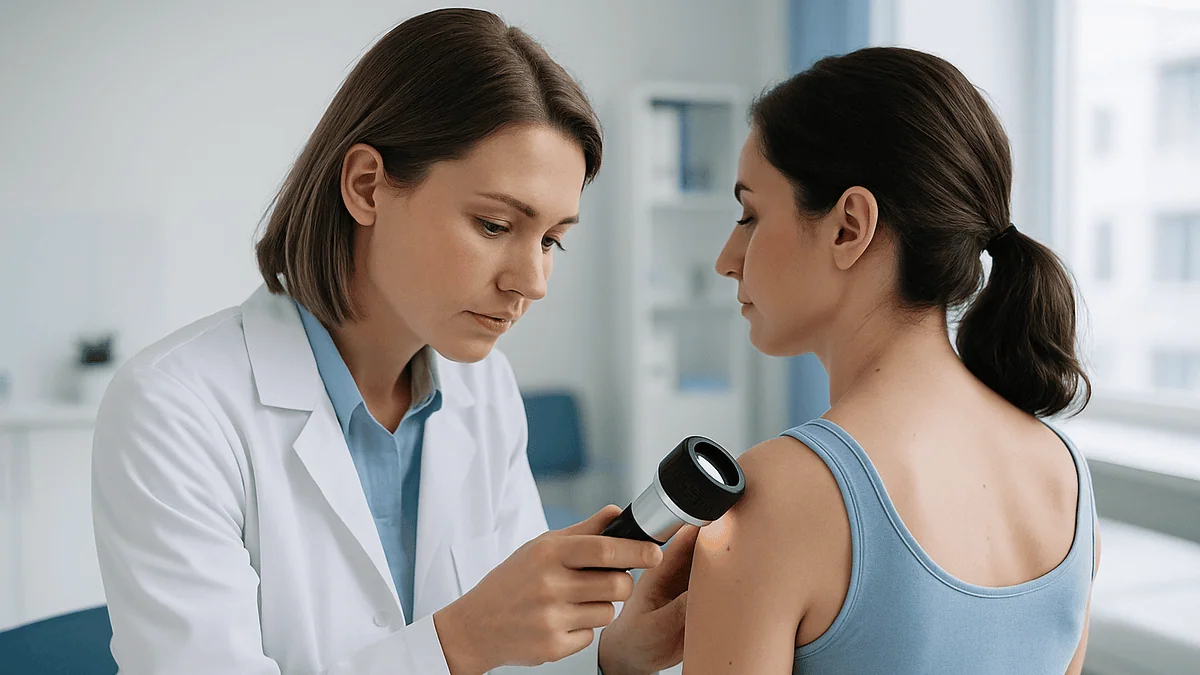
Key Takeaways
- Oral isotretinoin is a proven cause of serious birth defects, and the NHS advises avoiding pregnancy during treatment and for at least one month after the last dose.
- Topical retinoids are avoided in pregnancy as a precaution because of their chemical family, not because studies have shown harm from ordinary use.
- Tetracycline antibiotics such as doxycycline are avoided in pregnancy and breastfeeding because they can stain developing teeth and affect bone growth.
- Topical benzoyl peroxide, azelaic acid and topical clindamycin or erythromycin are the treatments most widely considered acceptable across both pregnancy and breastfeeding.
- Most acne treatments need up to about three months of consistent use before their full effect can be judged, according to NHS guidance.
- While breastfeeding, topical acne products are generally kept away from the breast and nipple area so an infant cannot swallow them during a feed.
Acne treatment during pregnancy is usually adjusted rather than abandoned. Dermatologists typically pause oral isotretinoin, topical retinoids, tetracycline antibiotics and hormonal or antiandrogen medicines, and lean on options with long safety records, such as topical azelaic acid, benzoyl peroxide and certain topical or oral antibiotics, alongside gentle skincare. Every change is individual and should be decided with the prescribing clinician and obstetric team.
The bathroom drawer tells the story. A half-used tube of retinoid cream, bought after two years of steady progress, sitting next to a pregnancy test that read positive eleven days ago. She has stopped the cream, because everyone says you should, and the breakouts along her jaw have already noticed. Now she is trying to work out what she is allowed to put on her face, and whether the question even deserves an appointment when there is a heartbeat scan to book.
It does deserve one. Acne treatment during pregnancy sits in a genuinely awkward space: the skin is often at its most reactive, and the medicine cabinet has just lost several of its most reliable tools. Yet very few people need to choose between clear skin and caution. Dermatologists rebuild the plan almost every week for someone in exactly this position.
What follows is how that rebuilding usually happens, which medicines are set aside and why, what tends to stay, and how the picture shifts again once the baby arrives and feeding begins.
Why acne often flares during pregnancy
Ask people who have carried a pregnancy about their skin and you will hear two opposite stories. Some found their complexion calmer than it had been since their teens. Others watched breakouts return across the jaw, chest and back within weeks of a positive test. Both are ordinary, and both trace back to the same shift in hormones.
Early pregnancy raises progesterone and increases androgen-like activity in the skin. Androgens are hormones that, among other jobs, tell sebaceous glands to make more sebum, the oily substance that keeps skin supple. More sebum means more material to mix with shed skin cells inside a pore. When that mix plugs the opening, a comedone forms, the medical term for a blocked pore, whether it sits closed as a whitehead or open as a blackhead. Bacteria that normally live harmlessly on the skin, chiefly Cutibacterium acnes, thrive in the trapped oil, and the immune system answers with redness, swelling and the tender bumps most people picture when they hear the word acne.
Mayo Clinic describes pregnancy acne as the same condition seen at any other age rather than a distinct disease, and notes it is most common in the first trimester as hormone levels climb (Mayo Clinic). People who had acne before pregnancy are more likely to see it flare, though some develop it for the first time.
A second, often overlooked driver is the abrupt stopping of a working treatment. A topical retinoid set aside on the day of the test leaves pores without the medicine that had been keeping them clear, and breakouts return in the weeks that follow. Hormones and the treatment gap together are where a dermatologist starts when rebuilding the plan.
How acne treatment during pregnancy actually works: two patients, one plan
The shift in thinking is simple to state and demanding to carry out. Before pregnancy, a dermatologist weighs how well a medicine clears acne against side effects for one person. During pregnancy there are two people in the room, and the second one is still building organs. A teratogen is any substance that can disturb that building process. Some acne medicines are proven teratogens; others have never been shown to cause harm but have never been properly studied in pregnancy either, which is a different kind of uncertainty.

So the plan is rebuilt in layers. First, anything with known fetal risk is stopped, full stop. Next, medicines with decades of reassuring use in pregnancy are considered, usually starting with treatments applied to the skin, because only a small fraction of a topical product is absorbed into the bloodstream compared with a tablet swallowed whole. Oral medicines are reserved for inflammatory acne that is widespread, painful or scarring, and even then the choice is narrowed to antibiotics with long safety records (NHS).
Timing matters as much as the medicine. The first trimester, when the heart, spine, limbs and face take shape, is the window of greatest caution. Certain risks, such as the effect of tetracycline antibiotics on developing teeth and bones, become relevant later in pregnancy instead. A dermatologist will therefore ask not just what you are using but how many weeks along you are.
Finally, the plan is written to be revised. What is reasonable in the second trimester may be reconsidered after delivery, and again depending on whether you breastfeed. None of this is a solo decision. The prescribing clinician, ideally in conversation with the obstetric team, makes the call, and you should expect that conversation to happen more than once.
Who is usually treated now, and who is usually asked to wait
Not every breakout in pregnancy needs a prescription, and dermatologists are honest about that. A scattering of comedones and a few small red bumps often responds to gentle skincare and time, particularly when the person expects to deliver within a few months and hormone levels will change on their own. In that situation the reasonable plan may be to protect the skin barrier, avoid picking, and revisit the question after birth.
Treatment is more likely to be offered now when acne is inflammatory and widespread, when nodules or cysts are forming under the skin, when marks are darkening into post-inflammatory hyperpigmentation (the flat brown or purple stains that linger after a spot heals), or when the person is visibly distressed by how their skin looks. Emotional weight is a legitimate reason to treat; pregnancy is not a time anyone should be told to simply put up with it.
People are usually asked to wait, or to accept a narrower plan, in a few situations:
- Someone taking oral isotretinoin who discovers they are pregnant is asked to stop immediately and is referred urgently to obstetric care, because this medicine carries a high, well-documented risk of serious birth defects (NHS).
- Someone whose acne was controlled by a hormonal contraceptive or an antiandrogen such as spironolactone will be told those options are off the table for the duration.
- Someone hoping for a chemical peel or a course of stronger oral treatment is generally asked to postpone until after pregnancy and, often, after breastfeeding.
Age, skin type and previous scarring all feed into the judgment. What does not change is who makes it: the treating team, with the patient’s priorities on the table.
Which acne medicines are stopped or avoided in pregnancy, and why
Four groups account for nearly every medicine a dermatologist will take out of the plan the moment pregnancy is confirmed or planned.

Oral isotretinoin sits alone at the top. It belongs to the retinoid family, medicines related to vitamin A that reset how skin cells mature and shrink sebaceous glands. Taken by mouth during pregnancy it is a potent teratogen, linked to severe malformations of the brain, heart and face and to pregnancy loss. Prescribing rules in many countries require a pregnancy prevention program, and the NHS advises that pregnancy must be avoided during treatment and for at least one month after the last dose (NHS). Anyone who becomes pregnant while taking it is told to stop at once and contact their doctors the same day.
Topical retinoids such as tretinoin, adapalene and tazarotene are a subtler case. Only a small amount passes through skin into the bloodstream, and studies have not clearly shown harm from ordinary use. Even so, because they are chemical cousins of isotretinoin and the theoretical risk cannot be ruled out, guidance is to avoid them throughout pregnancy (NHS). This is caution, not evidence of damage, an important distinction for anyone who used a retinoid cream before realizing they were pregnant.
Tetracycline antibiotics, including doxycycline and minocycline, are avoided because from roughly the middle of pregnancy onward they can bind to developing teeth and bone, staining enamel and affecting growth (NHS).
Hormonal treatments round out the list. Combined contraceptive pills have no role once pregnancy begins, and spironolactone, an antiandrogen that blunts the hormone signal to sebaceous glands, is avoided because of theoretical effects on the development of a male fetus. Each of these has alternatives, which is where the next section picks up.
Pregnancy safe acne treatment: what dermatologists usually reach for first
The phrase pregnancy safe acne treatment is a little generous. No medicine is tested in pregnant volunteers the way it is tested in everyone else, so dermatologists talk instead about options with long track records of use and no signal of harm. Several fit that description well.
Topical azelaic acid is often the first name mentioned. It is a naturally occurring compound that slows the overgrowth of skin cells lining the pore, has mild antibacterial activity and fades the dark marks acne leaves behind. Mayo Clinic lists it among treatments generally considered acceptable during pregnancy (Mayo Clinic).
Topical benzoyl peroxide works differently, releasing oxygen into the pore where acne bacteria cannot survive, and reducing the number of comedones over time. It has been in use for decades and its absorption through skin is minimal, which is why it is widely accepted in pregnancy; the next section covers the common worries in more detail.
Topical antibiotics, principally clindamycin and erythromycin, calm inflammatory acne by reducing bacterial numbers and the immune reaction they trigger. They are usually combined with benzoyl peroxide, because using an antibiotic alone encourages resistant bacteria.
For severe inflammatory acne that topical care cannot control, an oral antibiotic may be considered. The NHS notes that erythromycin is the usual choice in pregnancy, precisely because the tetracycline group is not suitable (NHS). Courses are kept as short as the skin allows.
Wash-off products containing low-strength salicylic acid, a beta hydroxy acid that loosens the plug in a pore, are generally regarded as low risk in the small amounts absorbed from a cleanser, though stronger leave-on formulations and professional peels are set aside. Which of these is right, and in what combination, depends on the pattern of acne in front of the clinician, not on a list.
Is benzoyl peroxide safe in pregnancy?
This is the question most people type into a search bar at midnight, usually after reading something alarming in a comment thread. The reassuring part comes first: benzoyl peroxide is one of the acne treatments most widely accepted for use in pregnancy, and Mayo Clinic includes it among options generally considered acceptable when discussed with a clinician (Mayo Clinic).
The reasoning rests on how the molecule behaves. Applied to skin, benzoyl peroxide breaks down almost immediately into benzoic acid and oxygen. Only a small proportion is absorbed, and what does enter the body is a compound already present in many foods and cleared quickly by the kidneys. There is no plausible pathway for meaningful fetal exposure from a thin layer on the face, chest or back, and no studies have raised a safety signal.
That said, the caveats are practical rather than theoretical. Benzoyl peroxide dries and can irritate skin, and pregnancy skin is often more sensitive than usual. Dermatologists tend to suggest starting with the gentlest available formulation, applying it to clean dry skin and pairing it with a bland, fragrance-free moisturizer. It also bleaches fabric, so pillowcases and towels take the hit if it is not fully rinsed.
Two limits are worth respecting. First, more is not better; covering larger areas or layering several active products increases irritation without improving results. Second, benzoyl peroxide targets bacteria and blocked pores but does little for deep nodules or hormonal jawline acne, so it is a partner in a plan rather than the whole plan. If your skin stings, peels or reddens beyond mild dryness, that is a reason to pause and speak to whoever recommended it, not to push through.
Acne treatment during pregnancy and breastfeeding at a glance
The table below summarizes how commonly used acne treatments are generally approached at each stage. It reflects mainstream guidance and is not a substitute for a conversation with your prescriber, who knows your history, your stage of pregnancy and the pattern of your acne.
| Treatment | During pregnancy | While breastfeeding | Notes |
|---|---|---|---|
| Topical benzoyl peroxide | Generally considered acceptable | Generally considered acceptable | Minimal absorption; can dry and irritate skin |
| Topical azelaic acid | Generally considered acceptable | Generally considered acceptable | Also helps fade dark marks |
| Topical clindamycin or erythromycin | Generally considered acceptable | Generally considered acceptable | Usually combined with benzoyl peroxide |
| Oral erythromycin | Usual oral choice when needed | Often considered acceptable | Reserved for severe inflammatory acne |
| Topical retinoids (tretinoin, adapalene) | Avoided as a precaution | Often reconsidered; keep away from the chest | Low absorption, limited pregnancy data |
| Oral tetracyclines (doxycycline, minocycline) | Avoided | Generally avoided | Affect developing teeth and bone |
| Oral isotretinoin | Contraindicated | Contraindicated | Known cause of serious birth defects |
| Spironolactone | Avoided | Discussed case by case | Antiandrogen; theoretical fetal effects |
| Combined hormonal contraceptives | Not applicable | Timing decided with obstetric team | Estrogen-containing options have specific postpartum considerations |
Two things stand out. The topical column barely changes between pregnancy and breastfeeding, which is why many people can keep the same simple routine from the first trimester through the early months of feeding. The oral column changes more, and it is here that a fresh review after delivery earns its place. Sources: NHS acne treatment guidance, Mayo Clinic, NIH LactMed database.
Acne while breastfeeding: what changes once the baby arrives
Delivery closes one safety question and opens another. The fetus is no longer exposed to whatever crosses the placenta; instead, the concern becomes what might pass into breast milk and, from there, into an infant whose liver and kidneys are still maturing. The two are related but not identical, and treating acne while breastfeeding is generally more permissive than treating it in pregnancy.
The best single resource clinicians use is the NIH’s LactMed database, which summarizes published evidence on medicines and lactation drug by drug (NIH). Its entries make a recurring point about topical acne products: when applied to the face or back, the amount reaching milk is expected to be negligible, but products should not be applied to the breast or nipple area where an infant could swallow them directly during a feed. That one practical rule covers most of the day-to-day risk.
Topical benzoyl peroxide, azelaic acid, clindamycin and erythromycin therefore usually continue unchanged. Topical retinoids, avoided in pregnancy as a precaution, are often reconsidered after delivery because so little is absorbed, again with the instruction to keep them well away from the chest. This is a decision for the prescriber, not a green light to restart a leftover tube.
Oral medicines need more thought. Erythromycin is often regarded as compatible with breastfeeding. Tetracyclines remain generally avoided because of the same effect on developing teeth. Isotretinoin stays contraindicated; the NHS is explicit that it should not be taken while breastfeeding (NHS). Spironolactone and hormonal options are discussed individually, and the timing of any estrogen-containing contraceptive is usually set by the obstetric team because of clotting considerations in the weeks after birth.
If a medicine is prescribed, it is reasonable to ask how it was checked against lactation data and what infant signs, such as unusual drowsiness or feeding changes, would prompt a call.
Postpartum acne breakouts: why the skin often resets on its own timetable
Many people expect their skin to snap back the week after delivery. Some are lucky. Others see a second wave of postpartum acne breakouts that seems unfair after months of careful management. Both patterns make sense once you follow the hormones.
Estrogen and progesterone fall sharply within days of birth. Prolactin, the hormone that drives milk production, rises and stays elevated for as long as feeding continues, and it suppresses the hormone signals that would otherwise restart ovulation. The result is a hormonal landscape unlike either pregnancy or ordinary cycling, and sebaceous glands respond to it in individual ways. Add broken sleep, which raises cortisol, and a shift in diet, hydration and time for skincare, and a flare in the first weeks is common rather than surprising.
Timelines vary too widely for any promise. What can be said, with the NHS as the reference point, is that acne treatments in general typically need up to about three months of consistent use before improvement is obvious (NHS). A postpartum plan therefore needs the same patience as any other, and the first few weeks are usually spent re-establishing gentle basics rather than chasing quick results.
Dermatologists commonly use this period to review everything paused in pregnancy. If you are not breastfeeding, most of the pre-pregnancy toolkit becomes available again, including topical retinoids and, for suitable candidates, hormonal or oral options. If you are breastfeeding, the topical routine usually continues and the oral options are checked against lactation evidence. Either way, the review is a conversation about what your acne is doing now and what your priorities are, not a return to autopilot.
One caution: the exhaustion of new parenthood makes it tempting to try whatever a friend swears by. Marks left by picking or by harsh products can outlast the acne itself.
What the first weeks and months of treatment usually look like
Acne medicines are slow by nature, and pregnancy does not speed them up. Knowing the typical shape of the first months prevents the most common mistake, which is giving up on a plan just before it starts to show.
In the first two to three weeks, most people notice side effects before benefits. Benzoyl peroxide and azelaic acid can cause dryness, mild stinging or flaking as skin adapts. This settles for most as the barrier adjusts, especially with a plain moisturizer applied over the treatment. New spots may still appear during this period because comedones that were already forming under the surface continue to mature; a treatment cannot undo a plug that started weeks earlier.
Around the one-month mark, the number of new comedones usually begins to fall, and existing inflamed spots heal a little faster. Dark marks from earlier spots often look more obvious now simply because there is less active acne around them to distract the eye; they fade slowly, over months, and azelaic acid is one reason dermatologists like it in this phase.
The NHS advises that most acne treatments take up to about three months of regular use before their full effect can be judged, and that a review at that point is the usual moment to adjust (NHS). In pregnancy that review may coincide with a change of trimester, which can itself alter both the acne and the safety considerations, so dermatologists often build the timing around it.
Beyond three months, the plan becomes maintenance. Fewer products, applied consistently, tend to outperform frequent changes. If oral antibiotics were used for severe inflammatory acne, this is usually when the clinician considers stepping down to topical treatment alone, keeping antibiotic exposure as brief as the skin allows.
Planning a pregnancy while on acne medicine
The most protective conversation about acne and pregnancy happens before conception, and it is the one least often held. If you are using any prescription acne treatment and thinking about trying for a baby, tell the prescriber early, even if the timeline is vague.
For isotretinoin the rules are formal. Treatment programs require reliable contraception before starting, throughout the course and for a period afterward; the NHS specifies at least one month after the last dose (NHS). People planning pregnancy sooner than that are usually advised to complete or stop the course well ahead of time and to confirm a negative pregnancy test before contraception is relaxed. The medicine clears the body within weeks, so a past course, finished months or years ago, does not affect a future pregnancy.
Topical retinoids call for a gentler version of the same logic. Because they are avoided in pregnancy as a precaution, many dermatologists suggest switching to azelaic acid or benzoyl peroxide once you start trying, so the skin has time to adjust and there is no anxious gap when the test turns positive.
Spironolactone and combined contraceptives are stopped when conception is intended, and since the contraceptive may have been doing double duty against acne, a replacement topical plan is worth agreeing at the same visit.
Tetracycline antibiotics are usually a short-course treatment anyway, but if you are partway through one, the clinician will want to know your plans so the course can be finished or switched before the second trimester risk window.
None of these steps require heroics. A single appointment, ideally shared with whoever provides your preconception care, sets up a plan that carries through pregnancy and into feeding with far less improvising.
What people often get wrong
Acne folklore multiplies in pregnancy forums, and some of it leads to real harm. A few corrections, grounded in what the evidence actually shows.
Nothing is safe, so I should use nothing. Untreated inflammatory acne can scar and leave pigmentation that lasts years. Topical benzoyl peroxide, azelaic acid and certain antibiotics have long records of use in pregnancy without a safety signal. Choosing not to treat is a legitimate option; believing there is no option is a misunderstanding.
Natural means safe. Essential oils, high-strength acids marketed as botanical, and herbal supplements are not exempt from biology. Many have no pregnancy data at all, and some, such as concentrated oils applied to skin, are irritants. A clinician can only vouch for what has been studied.
I used a retinoid cream before I knew, so the damage is done. Topical retinoids are avoided as a precaution because of their chemical family, not because studies show harm from ordinary use. Tell your obstetric team, stop the product, and expect reassurance rather than alarm.
Scrubbing harder clears pores faster. Mayo Clinic advises washing with a mild cleanser and avoiding scrubbing, because friction inflames the skin and worsens breakouts (Mayo Clinic). Pregnancy skin is already more reactive.
Acne means I am having a girl, or a boy. No study supports any link between acne and the baby’s sex. Hormone patterns that drive acne are the parent’s, not the fetus’s.
Blue light or laser treatments are a proven substitute. Evidence for light-based acne therapies is limited and mixed in the general population, and there is little pregnancy-specific data. They may be discussed as an adjunct, but presenting them as a reliable replacement for medicine overstates what is known.
Questions to ask your care team
A ten-minute appointment goes further when you arrive with specific questions. These are the ones dermatologists and obstetric clinicians say they wish more people asked.
- Which of the products I am currently using, prescription and over the counter, should I stop, and which can I keep? Bring the tubes or photograph the ingredient lists.
- For anything you recommend, what is the evidence in pregnancy, and is it a proven record or an absence of studies?
- How many weeks along am I, and does that change which options are reasonable now versus later in pregnancy?
- What is the realistic timeline before I should expect to see a difference, and when will we review?
- What side effects are ordinary in the first weeks, and which ones should make me stop and call?
- If I plan to breastfeed, will this plan carry over, or will we need to change it after delivery?
- Are there products I should keep away from my breasts and nipples once feeding begins?
- Is my acne likely to leave marks, and is there anything we should do now to reduce that risk?
- Who do I contact between appointments, and is that the dermatology team or the obstetric team for a given question?
- Is there anything in my history, such as previous isotretinoin or a hormonal condition, that changes your thinking?
Write the answers down. Advice given across a pregnancy is easy to misremember, and a short note in your phone means the plan travels with you between the two teams looking after you. If a recommendation feels rushed or unclear, it is entirely reasonable to ask for it to be explained again or confirmed in writing.
When to call your doctor
Most acne in pregnancy and breastfeeding is a nuisance rather than an emergency, and the ordinary rhythm of scheduled reviews is enough. A few situations should not wait for the next appointment.
Contact your prescriber or obstetric team promptly if you become pregnant, or suspect you might be, while taking oral isotretinoin, a tetracycline antibiotic, spironolactone or any prescription medicine you were told to stop before conception. The same-day call matters most for isotretinoin (NHS).
Seek care quickly for signs that a skin problem is more than acne: rapidly spreading redness, heat and swelling around a lesion; a fever with new skin changes; painful, deep nodules appearing over days; or an itchy widespread rash, particularly one starting on the abdomen, which may point to a pregnancy-specific skin condition that needs its own assessment.
Call about a treatment reaction if a topical product causes intense burning, blistering, swelling of the lips or eyelids, or hives, or if an oral antibiotic brings on severe diarrhea, vomiting that prevents you keeping fluids down, yellowing of the skin or eyes, or a rash.
While breastfeeding, mention any new unusual drowsiness, poor feeding, persistent diarrhea or rash in your baby after you start a medicine, so the team can check whether the two are linked.
Finally, reach out if the state of your skin is affecting your mood, sleep or willingness to leave the house. Low mood in pregnancy and after birth deserves attention in its own right, and it is a legitimate reason to revisit how aggressively acne is treated.
Every decision described in this article, from which cream to use to when to restart a paused medicine, belongs with the clinicians who know your history. This explainer is meant to make that conversation easier, not to replace it.
Frequently asked questions
Is there a pregnancy safe acne treatment I can start without seeing a doctor?
Gentle skincare is the only step to begin on your own: a mild cleanser, a fragrance-free moisturizer and oil-free cosmetics. Over-the-counter benzoyl peroxide and azelaic acid are widely regarded as acceptable in pregnancy, but a quick check with your midwife, obstetric clinician or dermatologist is worthwhile before adding any active product, particularly if you are unsure what else you are using or how far along you are.
I used a topical retinoid before I knew I was pregnant. Should I be worried?
Tell your obstetric team, stop the product, and expect reassurance rather than alarm. Topical retinoids are avoided in pregnancy as a precaution because they belong to the same family as isotretinoin, but only a small amount is absorbed through skin and studies have not clearly shown harm from ordinary use. Your clinician can document the exposure and, if appropriate, suggest an alternative such as azelaic acid.
Is benzoyl peroxide safe in pregnancy if I use it on my back and chest as well as my face?
Benzoyl peroxide is widely considered acceptable in pregnancy, and covering the back and chest does not change that in principle, since absorption remains minimal. The practical issue is irritation: larger treated areas mean more dryness and a greater chance of stinging on sensitive pregnancy skin. Use the gentlest formulation you can, moisturize afterward, and mention the areas you are treating to your clinician.
Does acne while breastfeeding need different treatment than acne during pregnancy?
Often not for topical products, which usually continue unchanged; the main rule is to keep them away from the breast and nipple area so the baby cannot swallow them. Oral medicines are reviewed more carefully against lactation evidence, and options paused in pregnancy, such as topical retinoids, may be reconsidered by your prescriber after delivery. Isotretinoin and tetracycline antibiotics remain generally avoided while breastfeeding.
How long do postpartum acne breakouts usually last?
There is no reliable figure, because the hormonal shift after birth and during breastfeeding varies so much between people. What can be said is that acne treatments in general typically need up to about three months of consistent use before improvement is clear, so a postpartum plan needs the same patience as any other. Many people find their skin settles as feeding patterns and sleep stabilize.
Can I take an oral antibiotic for acne while pregnant?
Sometimes, for severe inflammatory acne that topical treatment cannot control. The tetracycline group, including doxycycline and minocycline, is avoided because of effects on developing teeth and bone, so erythromycin is the usual choice in pregnancy according to NHS guidance. Courses are kept as short as possible and usually paired with a topical plan, and the decision rests with your prescriber in discussion with your obstetric team.
I finished a course of isotretinoin a year ago. Does that affect my pregnancy?
No. Isotretinoin clears the body within weeks of the last dose, which is why prescribing rules require contraception for a set period afterward rather than indefinitely. A course completed a year ago has no bearing on a current pregnancy. It is still worth mentioning in your history so your team has the complete picture of past acne treatment.
Are salicylic acid cleansers acceptable during pregnancy?
Wash-off products containing low-strength salicylic acid are generally regarded as low risk, because very little is absorbed from a cleanser rinsed off within a minute. Stronger leave-on formulations and professional chemical peels are usually set aside during pregnancy, since higher exposure has not been studied. If you rely on salicylic acid heavily, ask your clinician whether azelaic acid or benzoyl peroxide would be a more comfortable substitute.
Do blue light or laser treatments work for acne in pregnancy?
The evidence is limited. Studies of light-based acne therapies in the general population are small and mixed, and there is very little data specific to pregnancy. Some clinicians discuss them as an adjunct when medicine options are narrow, but they should not be presented as a proven replacement for treatment. Any device treatment during pregnancy should be agreed with your obstetric and dermatology teams.
Does acne in pregnancy mean I am having a girl?
No. There is no scientific evidence linking acne during pregnancy to the baby’s sex. The hormonal changes that drive breakouts, chiefly rising progesterone and androgen-like activity in the skin, belong to the pregnant person, not the fetus, and they occur regardless of whether the baby is a boy or a girl. Pregnancy acne is simply ordinary acne appearing in a period of hormonal change.
References
- Acne – Treatment (NHS)
- Isotretinoin capsules – Pregnancy, breastfeeding and fertility (NHS)
- Acne (MedlinePlus)
- Drugs and Lactation Database (LactMed) (NIH National Library of Medicine)
This article is for general information only and is not a substitute for professional medical advice. Please consult a qualified doctor about your individual situation.

More from the Blog

Benzoyl Peroxide: How It Works, the Concentration Question and the Bleaching Problem
Benzoyl peroxide is an over-the-counter acne treatment that releases oxygen into the pore, killing acne bacteria without breeding resistance and loosening the plugs that…
Sun Protection With Vitiligo: Why Depigmented Skin Burns Faster and How to Care for It Daily
People with vitiligo sunburn faster because depigmented patches have lost melanocytes, the cells that make melanin, the pigment that absorbs ultraviolet light before it…
Does Seborrheic Dermatitis Cause Hair Loss?
Seborrheic dermatitis does not usually destroy hair follicles, so it is not a classic cause of permanent hair loss. It can, however, trigger temporary…

Why Dandruff Treatment Takes Time to Work and Why Stopping Early Brings the Flakes Back
Dandruff treatment usually takes several weeks to show a clear difference, because medicated shampoos slow the yeast and skin-cell buildup that create flakes rather…

When Hives Come With Lip, Tongue or Throat Swelling: Why It Is Treated as Urgent
Hives with lip swelling mean the reaction has moved from the skin surface into deeper tissue, a process called angioedema. Most episodes settle on…
Is Laser Hair Removal Permanent? What Permanent Reduction Really Means
Laser hair removal is not fully permanent for most people. It delivers long-term hair reduction: after a full course, typically four to six sessions,…