

Before a Urodynamic Test: Bladder Medicines, Fluids and the Infection Check That Comes First
Key Takeaways
- A urine sample is checked before the study because an infected bladder produces false overactive readings and catheterization risks pushing bacteria toward the kidneys, so confirmed infection usually means rescheduling.
- Whether you continue or pause bladder medicines such as antimuscarinics or beta-3 agonists depends on the question being asked, and only the ordering clinician can give that instruction.
- The NHS advises a bladder diary of at least three days, and the team uses it to set filling volumes and to judge whether findings in the room match your everyday bladder.
- The Cleveland Clinic describes the study itself as lasting about 30 to 60 minutes, but check-in, urine testing, and explanation typically make the appointment closer to 90 minutes.
- The NIDDK reports that mild burning and pink-tinged urine for a few hours afterward are common and suggests an eight-ounce glass of water every half hour for two hours to ease them.
- Leaking during the test is the intended result, not a failure, and the main recognized complication is a usually mild urinary tract infection in the days that follow.
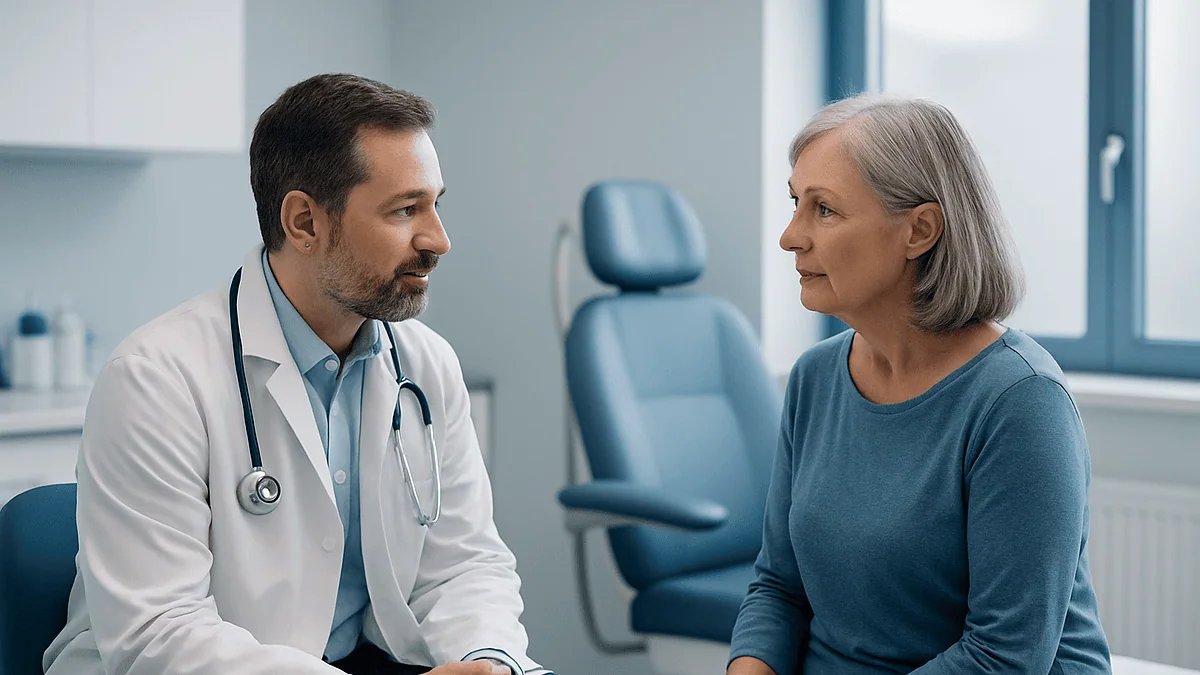
Urodynamic test preparation is usually simple: your care team first checks a urine sample for infection, because the study is typically postponed until any infection has been treated. Ask the ordering clinician whether to continue or pause bladder medicines rather than deciding yourself, arrive with a comfortably full bladder if instructed, bring a completed bladder diary and a medication list, and expect the study itself to take roughly 30 to 60 minutes.
The appointment letter is two pages long, and one line keeps catching her eye: arrive with a full bladder. She has spent three years planning her day around toilets. A full bladder is precisely the thing she has learned to avoid. Next to the letter sits the weekly pill organizer, and in every compartment is the small tablet her doctor started for urgency. Should she take it that morning or not? The letter does not say.
That small confusion is where most questions about urodynamic test preparation begin. The test is not complicated, and it is not dangerous, but it is a measurement, and measurements are only as good as the conditions you create for them. An untreated infection, a medicine that quiets the bladder, or a bladder emptied in the parking lot because nobody explained why it mattered can all blur the picture.
What follows is the honest version of the instructions: what each step is for, what your team will decide, and what you should never decide on your own.
What does a urodynamic test actually measure?
Urodynamics is a family of tests that record how your bladder stores urine and how it empties. The bladder is a muscular bag, and the muscle in its wall is called the detrusor. The outlet, the urethra, is held closed by sphincter muscles and the pelvic floor. Leaking, urgency, and slow or incomplete emptying all come down to a mismatch somewhere in that storage-and-release system, and urodynamics is the only routine test that watches the system perform in real time.
Two thin, flexible tubes called catheters do most of the work. One sits in the bladder and slowly fills it with sterile fluid while measuring pressure. A second sits in the rectum or vagina to measure pressure in the abdomen, so the computer can subtract coughing, laughing, and straining from what the bladder muscle is doing on its own. Small sticky pads near the anus may record the electrical activity of the pelvic floor, a measurement called electromyography or EMG.
Around those core measurements sit simpler ones. Uroflowmetry is a special toilet that records how fast urine leaves the body. The post-void residual measurement checks, by ultrasound or catheter, how much urine remains after you finish. Together these numbers answer questions a conversation cannot: does the bladder contract when it should not, does it hold a normal volume, does pressure stay safe during filling, and does the outlet open properly when you try to go (NIDDK; MedlinePlus).
The reason preparation matters is now obvious. Every one of those measurements assumes a bladder behaving the way it usually does on an ordinary day. Anything that changes that behavior on test day, from infection to medication to anxiety-driven emptying, changes the answer the team reads on the screen.
Why the infection check comes first in urodynamic test preparation
Before anything else happens, you will usually be asked for a urine sample. A dipstick test looks for white blood cells, blood, and chemical traces of bacteria within minutes; a urine culture, which grows any bacteria in a laboratory, takes a day or two. Many units run the dipstick on arrival and send a culture beforehand, and this is the single step most likely to change your appointment.

An infected bladder is irritable. It contracts at low volumes, feels urgent when only lightly filled, and can bleed slightly with any handling. Test that bladder and the tracing will show an overactive, low-capacity organ that may look nothing like your usual bladder. The team would be measuring the infection, not you. Worse, pushing catheters past an infected urethra and filling an infected bladder risks spreading bacteria upward toward the kidneys. Guidance from the NIDDK notes that urinary tract infection is the main recognized complication of the test even when the urine starts out clean, so starting with an infection stacks the odds badly.
For those reasons the study is usually postponed if infection is confirmed, and rescheduled after treatment. That can feel frustrating when you have waited weeks, but the alternative is a result that might send your care down the wrong path.
In the days before the appointment, notice whether urination has begun to burn, whether urine has turned cloudy or strong-smelling, or whether you feel feverish or have new back pain. The CDC lists these among common urinary tract infection features. If they appear, contact the unit before the day rather than on it. A short phone call may save you a wasted trip, and if treatment is needed the team can time it so your rescheduled study is clean. Do not take leftover antibiotics on your own initiative; that can mask an infection without clearing it and complicates interpretation of the culture.
Bladder medicines before urodynamics: what to ask, and what not to decide alone
This is the question in the pill organizer, and the honest answer is that it depends on why the test was ordered. Two classes of medicine are commonly prescribed for urgency and overactive bladder. Antimuscarinics block the chemical signal that tells the detrusor to squeeze, and beta-3 agonists relax the bladder wall through a different receptor. Both are designed to make the bladder calmer and hold more (Mayo Clinic). A calmer bladder is wonderful on an ordinary Tuesday and unhelpful when a clinician wants to see the untreated behavior that prompted referral.
Sometimes, though, the point of the study is the opposite: to see how the bladder behaves on treatment, or to check emptying in someone whose medicine might be slowing it. In that case the team wants you to continue exactly as usual. Only the ordering clinician knows which version applies, which is why the NIDDK says your health care professional may ask you to stop certain medications and why the instruction should come from them, not from a leaflet or a forum.
Other medicines matter too. Diuretics, often called water tablets, change how quickly urine arrives and can make the full-bladder instruction unworkable. Some antidepressants and antihistamines have bladder-relaxing side effects. Medicines for an enlarged prostate alter outlet resistance. Blood thinners rarely need adjustment for a catheter study but should be declared. Bring a complete list, including anything bought without a prescription and any supplements.
If you are told to pause a medicine, ask for the exact instruction in writing and ask what to expect while you are off it, since urgency and leakage often return within days. If you are told to continue, continue. If nobody has told you either way, call and ask. The one option that does not exist in good urodynamic test preparation is guessing.
Fluids before a urodynamic test: full, not bursting
Most units ask you to arrive with a comfortably full bladder, because the first measurement is usually uroflowmetry, the special toilet that times your natural stream. A half-empty bladder produces a weak, stop-start flow that looks abnormal even in a perfectly healthy person. The NIDDK notes that for some tests you may be asked to arrive with a full bladder, and that your team may ask you to change your fluid intake beforehand.

Comfortably full is the operative phrase. Drinking a large volume in the waiting room and then holding it through registration produces a bladder stretched beyond its normal working range, and a first flow that reflects panic rather than physiology. A practical approach many units suggest is to drink your usual amounts through the day and then a glass or two of water an hour or so before the appointment, then avoid emptying until you are called. If the urge becomes genuinely painful, tell reception; staff would rather run the flow test early than have you leak in the corridor or void in a cubicle unrecorded.
Caffeine and alcohol deserve a specific mention. Both irritate the bladder lining and increase urine production, and they can exaggerate urgency during filling. Many units ask you to skip them on test day; follow whatever your instruction sheet says.
There is no need to fast. Urodynamics is not surgery and does not involve sedation, so eat a normal breakfast or lunch. Some people arrive having starved themselves out of habit from other procedures and then feel faint during a long filling phase. An ordinary meal helps you stay steady.
Bowel preparation is occasionally requested, because a full rectum can distort the abdominal pressure reading from the second catheter. If you are prone to constipation, mention it when the appointment is booked. Some units suggest a simple measure the evening before; that decision is theirs, and it should never involve a laxative you chose on your own.
The bladder diary before urodynamics: three days that shape the whole study
The least glamorous item on the preparation list may be the most useful. A bladder diary is a simple chart on which you record, for a set period, everything you drink, every time you pass urine, roughly how much, and any leaks or urgency. The NHS recommends keeping one for at least three days as part of assessing incontinence, and most urodynamic units either send one with the appointment letter or ask you to complete one before referral.
Why does a paper chart matter to a computerized test? Because the study is an artificial hour. The bladder is filled faster than nature fills it, with fluid at a temperature your kidneys never produce, while a stranger watches. The diary tells the team what your bladder does in the real world. If your diary shows you pass urine every hour with volumes of a small teacup, the clinician will fill slowly and watch for early contractions. If the diary shows infrequent, large voids, they will expect a bigger bladder and read a modest capacity in the room as an anxious artifact rather than a true finding. The diary also lets them match test volumes to your usual volumes so the numbers on the screen are comparable to your life.
Keep it honestly. Record night-time trips, which point toward a different set of causes than daytime frequency. Note what triggered leaks: a sneeze, the sound of running water, standing up. Use a measuring jug if one is provided; estimates drift, usually upward. If you cannot manage three full days, two honest days beat three invented ones.
Bring the completed diary to the appointment along with your medication list and any previous scans or test results. People who arrive with these three things generally have a shorter, calmer visit, because the team spends the first ten minutes reading rather than reconstructing your history from memory.
Who is usually sent for urodynamics, and who is usually asked to wait
Urodynamics is not a first step. Guidelines in the United States and United Kingdom reserve it for situations where the answer would change what happens next. The NHS describes it as a test used when the type of incontinence is unclear or when surgery is being considered; the Mayo Clinic lists it among the additional tests for overactive bladder when the cause is uncertain or initial treatment has not worked.
People commonly referred include those whose symptoms mix stress leakage with urgency and the team cannot tell which dominates; those being considered for an operation to correct leakage, where the surgeon wants to know how the bladder empties beforehand; men with obstruction symptoms where it is unclear whether the prostate or a weak bladder muscle is responsible; and people with neurological conditions such as spinal cord injury, multiple sclerosis, or spina bifida, in whom high bladder pressures can silently threaten the kidneys. Children with persistent daytime wetting or recurrent infections are sometimes studied, with adapted equipment and a parent alongside.
Others are usually asked to wait, or are steered elsewhere. Someone with a current urinary infection is rescheduled, as described above. Someone with straightforward stress incontinence who has not yet tried pelvic floor training, or straightforward urgency who has not tried bladder retraining and lifestyle changes, is generally offered those first, because the test result would not alter that advice. A person who is acutely unwell, has significant recent pelvic bleeding, or cannot tolerate lying and sitting still for an hour may need a different approach.
Pregnancy is generally a reason to defer non-urgent testing. Certain heart conditions or joint replacements once prompted routine antibiotic cover; current practice varies and is decided case by case, so raise any such history at booking. The decision to proceed, delay, or choose an alternative always sits with the clinician who ordered the study and the team performing it.
Urodynamic test: what to expect on the day, step by step
Most people are surprised by how ordinary the room is: an examination couch, a screen, a chair that doubles as a toilet, and one or two staff who do this all day. You will be asked to confirm your identity, symptoms, and medicines, hand over the diary, and give a urine sample if one has not already been checked. Then the sequence below begins. Not every unit performs every component, and the order can vary.
| Step | What happens | What it measures |
|---|---|---|
| Uroflowmetry | You pass urine in private into a special toilet | Speed and pattern of the natural stream |
| Post-void residual | Ultrasound over the lower abdomen, or a catheter | Urine left behind after emptying |
| Catheter placement | Thin tubes placed in bladder and rectum or vagina | Allows filling and pressure recording |
| Filling cystometry | Bladder filled slowly with sterile fluid while you report sensations and cough on request | Capacity, unwanted contractions, leakage, pressure during storage |
| Pressure-flow study | You pass urine with the thin catheters still in place | Coordination of bladder squeeze and outlet opening |
| Video urodynamics (some units) | X-ray contrast used as the filling fluid | Shape of bladder and outlet during the study |
During filling you will be asked, repeatedly, how the bladder feels: first sensation, normal desire, strong desire, and the point where you would stop everything to find a toilet. Report honestly; there is no correct answer. You will be asked to cough or bear down at intervals so the team can see whether leakage occurs with pressure. You may be asked to stand, to listen to running water, or to wash your hands, deliberately provoking the triggers you described in your diary.
Leaking during the test is expected and useful. It is the whole point. Staff are not embarrassed, and the chair and floor are designed for it. Many people report afterward that the anticipation was far worse than the event (Cleveland Clinic).
How long does a urodynamic study take?
Allow more time than the test itself. The Cleveland Clinic describes the study as typically lasting about 30 to 60 minutes, and that range matches what most units quote. Around that hour sit the administrative pieces: checking in, the urine test, undressing and dressing, the conversation before and the explanation after. A realistic appointment slot is closer to 90 minutes, and some units block two hours when video imaging or a repeated filling phase is planned.
Several factors stretch the timeline. A very large bladder simply takes longer to fill at a safe, physiologic rate. A bladder that empties poorly may need a second pressure-flow attempt. If a catheter slips during a cough test the filling may need to restart. Children and people with neurological conditions are often studied more slowly, with more pauses. None of this indicates a problem; it indicates a team unwilling to rush a measurement they may only get one chance to make.
Plan the day around that. Arrange transport that does not depend on a fixed pickup time. If you rely on a caregiver, book them for the whole morning or afternoon. You can drive yourself home, because no sedation is used, but some people prefer company for the small indignities and the slightly sore walk to the car.
Results are a separate timeline. The tracings are recorded in real time and the person performing the test can often describe the broad picture immediately. Formal interpretation, particularly if a specialist other than the tester reads the study, usually comes at a follow-up appointment or by letter. Ask before you leave how and when you will hear, and who will explain what the numbers mean for your options. A study that ends without a clear route to that conversation has done only half its job.
Is urodynamic testing painful? An honest answer
Uncomfortable, yes. Painful, usually not. That distinction is worth preserving, because vague reassurance leaves people unprepared for the specific sensations that do occur.
Catheter placement is the moment most people worry about. The tubes used for urodynamics are far thinner than the drainage catheters used after surgery, and a lubricating gel is applied first. The typical experience is a brief stinging or pressure at the urethral opening, lasting seconds, followed by an awareness that something is there. People with a sensitive or previously injured urethra, and men with an enlarged prostate, may find placement more uncomfortable, and telling the team in advance lets them adjust technique and pace. The rectal catheter causes a moment of pressure and then is usually forgotten.
Filling produces a strong urge to urinate, which is the intended experience rather than a side effect. It can feel almost unbearable at the end, and then you are allowed to go. Some people feel a cramping ache as the bladder reaches capacity. A minority feel light-headed, particularly if they skipped meals; say so, because lying flat for a minute resolves it.
Afterward, the NIDDK notes that mild discomfort when passing urine for a few hours is common, along with a small amount of pinkish tinge in the urine. Both stem from minor irritation of the urethral lining by the catheter and settle on their own.
Emotional discomfort deserves equal honesty. Being watched while you leak, or asked to cough until you do, feels exposing. Staff can offer a gown, a sheet, a same-sex chaperone, or simply a running commentary so nothing is a surprise. People with a history of sexual trauma are entitled to raise it, with as little detail as they choose, and to have the test adapted or, if they prefer, declined. Discomfort you were warned about is far easier to bear than discomfort that arrives unannounced.
The hours and days after the test
Most people walk out and get on with their day. The first few trips to the toilet may sting, and the urine may look faintly pink; both reflect small scratches to the urethral lining and typically settle within a few hours (NIDDK). Drinking well helps dilute the urine and flush the bladder; the NIDDK specifically suggests an eight-ounce glass of water every half hour for two hours after the test, unless your team has asked you to restrict fluids for another medical reason. A warm bath or a warm, damp cloth held against the urethral opening is also suggested for lingering soreness.
Some units give a short course of antibiotic to reduce the chance of infection after instrumentation. The NIDDK describes this as a possibility rather than a rule, and practice varies with local resistance patterns and your individual risk. If you are given one, take it as prescribed and finish it. If you are not, that is a considered decision, not an oversight.
If you paused a bladder medicine for the test, do not restart it until the team confirms you should, and do not restart at a different pattern than before. Ask at the end of the appointment; if you forget, phone. The gap between test and follow-up can be several weeks, and living with untreated urgency for that long may be unnecessary.
Over the following days, expect to feel essentially normal. Leakage and urgency will be whatever they were before, minus any temporary effect of the test itself. Some people notice a day or two of increased frequency as the irritated bladder settles. That is expected. What is not expected is worsening pain, fever, inability to pass urine, or heavy bleeding, all covered in the final section.
The formal result arrives through the route you were told. Bring your diary and a written list of questions to that conversation; the numbers only matter in the light of what you want your bladder to let you do.
Can urodynamic tests cause problems? Risks and alternatives
Yes, occasionally, and it is fair to name them. The NIDDK lists urinary tract infection as the principal complication, arising because catheters can carry skin bacteria into the bladder despite careful cleaning. It is uncommon and usually mild when it does occur, presenting with burning, frequency, and cloudy urine over the next several days, and it responds to standard treatment. Small amounts of blood in the urine are common and short-lived. Temporary difficulty passing urine, from swelling or reflex spasm of the urethra, is rare and more likely in men with an enlarged prostate. Video urodynamics adds a small radiation dose and a possible reaction to contrast in people with known allergy, which is why allergy history is asked at booking.
Very rarely, in people with spinal cord injury above the mid-chest, filling the bladder can trigger autonomic dysreflexia, a sudden dangerous rise in blood pressure with headache and sweating. Units that study these patients monitor for it and stop filling immediately if it appears, and you should tell the team if you have ever experienced it.
Alternatives exist, and the right one depends on the question. For many people the bladder diary, a physical examination, a urine test, and a post-void residual scan answer enough to start treatment without urodynamics at all (NHS). Uroflowmetry alone, without catheters, gives a useful screen for emptying problems. A cough stress test in clinic, in which you cough with a full bladder while the clinician watches for leakage, can confirm stress incontinence simply. Ultrasound and cystoscopy, a camera look inside the bladder, answer structural questions that pressure tracings cannot.
None of these replicate the pressure measurements that matter most when surgery or nerve disease is in play, which is why urodynamics survives as a test. The trade-off between its small risks and its specific information is exactly the conversation to have with the clinician who proposed it.
What people often get wrong about urodynamic test preparation
The myths cluster around three things: the medicine, the fluid, and the meaning of the test.
The most consequential mistake is stopping a bladder medicine on your own because a website said the test needs an untreated bladder. Sometimes the team wants exactly the opposite, and in any case the clinician needs to know what state you were in when the tracing was recorded. The second version of the same mistake is quietly continuing a medicine you were asked to pause because the urgency came back and you could not face it. Either way the study answers a question nobody asked. If you deviated from the instruction, say so on arrival; the team can often adapt or reschedule, but only if they know.
The fluid myth runs in both directions. Some people fast and dehydrate as if for an operation, arrive with an empty bladder, and produce a flow trace that looks like obstruction. Others drink enormous volumes, arrive in distress, and empty in the waiting-room toilet unrecorded. Comfortably full, as discussed above, is the target.
A third belief is that leaking during the test is a failure, or that the test is pass or fail. Leakage in the room is data the team was hoping to capture. A study showing no abnormality is also useful: it may redirect attention to the pelvic floor, the bowel, medicines, or sleep, or reassure a surgeon that the bladder will cope after an operation.
Finally, people assume urodynamics is a treatment or that it will fix something. It measures. The value of the measurement is entirely in what your team does with it afterward, which is why the follow-up conversation, not the test day, is where the real decisions are made. Preparation done well simply ensures that conversation is built on numbers that reflect you.
Questions to ask your care team
A good unit will welcome these. Write them down; the day itself is not the moment you will remember them.
- What question is this test meant to answer, and how would the result change what you recommend?
- Should I continue, pause, or adjust any of my medicines before the test? Can I have that instruction in writing, with the specific names?
- If I am asked to pause a bladder medicine, what should I expect while off it, and when and how do I resume?
- Will my urine be tested before the study, and what happens if infection is found? Should I send a sample in advance?
- How full should my bladder be when I arrive, and what should I do if I cannot hold it?
- Do you want a bladder diary, for how many days, and is there a form you prefer?
- Which parts of the test will I have: flow only, full pressure study, EMG, video imaging?
- How long should I set aside for the appointment, and can I drive myself home?
- Can I have a chaperone, a gown, or a particular member of staff present?
- Will I be given an antibiotic afterward, and if not, what is the reasoning?
- What symptoms after the test should prompt me to call, and which number do I use out of hours?
- Who will interpret the result, when will I hear, and will the options be explained in a face-to-face appointment?
Two further questions are worth asking if they apply. If you have had sexual trauma, a difficult catheterization in the past, or severe anxiety about the procedure, ask what adaptations are possible; many units can slow the pace, explain each step aloud, or allow a support person. If you have a neurological condition, ask whether the team is experienced in studying people with it and what monitoring they use. The answers tell you as much about the unit as any brochure would.
When to call your doctor
Most people need no contact with the team between the test and the follow-up appointment. A small number do, and knowing the difference between expected irritation and a developing problem is the last piece of preparation.
Mild stinging on passing urine, a slightly pink tinge, and a day or two of extra frequency are expected and settle on their own (NIDDK). Call the unit or your usual doctor, the same day, if any of the following appear in the week after the test:
- Burning or pain on urination that is worsening after the first day rather than improving, particularly with cloudy or foul-smelling urine, which can indicate a urinary tract infection.
- Fever, chills, or shaking, with or without pain in one side of the back below the ribs; these can signal that infection has reached a kidney and need prompt assessment (CDC).
- Being unable to pass urine at all, or passing only small amounts with a painful, swollen lower abdomen; this is urinary retention and needs same-day care.
- Heavy bleeding, urine that is frankly red rather than pink, or passing clots.
- Severe or steadily worsening lower abdominal or pelvic pain.
- In people with spinal cord injury, a pounding headache, sweating, or flushing above the level of injury, which can indicate autonomic dysreflexia.
Seek emergency care rather than waiting for a call back if you cannot pass urine and are in severe pain, if you have a high fever with rigors and feel very unwell, or if you have any of the dysreflexia features above.
Call for a different reason, too, if you were asked to pause a bladder medicine and nobody has told you whether to resume it, or if you realize you did not follow a preparation instruction and the study has already been done. Both are ordinary questions the team expects. Every decision about restarting medicines, treating an infection, or repeating the study belongs to the clinicians who ordered and performed it; your job is simply to give them accurate information, early.
Frequently asked questions
How uncomfortable is urodynamic testing?
Most people describe it as uncomfortable and undignified rather than painful. Placing the thin, lubricated catheters causes brief stinging or pressure; the filling phase produces an intense urge to urinate that is part of the test. The NIDDK notes that mild burning when passing urine can persist for a few hours afterward. Telling the team about a sensitive urethra, an enlarged prostate, or past trauma lets them slow the pace and explain each step.
How long does a urodynamic study take from start to finish?
The Cleveland Clinic gives a typical range of about 30 to 60 minutes for the study itself. With check-in, a urine test, undressing, and the explanation afterward, the appointment usually occupies around 90 minutes, longer if video imaging or a repeat filling phase is planned. Book transport and any caregiver for a flexible window rather than a fixed pickup time.
Can you show me a video of a female urodynamics test?
Many urology and urogynecology units provide their own patient-information video or illustrated leaflet showing the room, the flow toilet, and catheter placement, and asking the unit for theirs is the most reliable option because equipment and sequence vary. If you search online, prefer videos from hospital or national health organizations over anonymous uploads, and remember that what you see may not match the exact procedure your team plans.
Can urodynamic tests cause problems afterward?
Occasionally. The NIDDK identifies urinary tract infection as the main complication, usually mild and treatable, arising because catheters can introduce bacteria. Brief pink-tinged urine and stinging are common and settle within hours. Rarely, temporary difficulty passing urine occurs, mostly in men with prostate enlargement. Fever, worsening pain, inability to urinate, or heavy bleeding should prompt a same-day call to your care team.
Do I stop my bladder medication before urodynamics?
Do not decide this yourself. Antimuscarinics and beta-3 agonists calm the bladder, and some clinicians want to see the untreated bladder while others want to assess it on treatment or check emptying. The NIDDK notes your health care professional may ask you to stop certain medications; if that instruction has not been given, phone the unit and ask, and request it in writing including when to resume.
What should I eat and drink before a urodynamic test?
Eat normally; no sedation is used, so fasting is unnecessary and can make you light-headed during the long filling phase. Drink your usual amounts, then a glass or two of water an hour or so before the appointment so the bladder is comfortably full for the initial flow test, unless your instruction sheet says otherwise. Many units ask you to avoid caffeine and alcohol on the day because both irritate the bladder.
Why do they test my urine before the study?
An infected bladder is irritable and contracts at small volumes, so a study performed during infection records the infection rather than your usual bladder, and pushing catheters into infected urine risks spreading bacteria toward the kidneys. A dipstick gives an immediate result and a culture confirms it in a day or two. If infection is found the study is usually postponed until treatment is complete.
Is a bladder diary before urodynamics really necessary?
It is one of the most useful things you can bring. The NHS recommends at least three days of recording drinks, voids, volumes, urgency, and leaks. The team uses it to choose filling volumes, to interpret a small or large capacity in the room, and to decide which triggers to reproduce. Two honest days are more valuable than three estimated ones; use a measuring jug if given.
What is urodynamic test what to expect for the results?
The tracings are recorded live, so the person performing the test can often describe the broad picture immediately, such as whether unwanted contractions or leakage with coughing were seen. Formal interpretation, especially if a different specialist reads the study, usually comes at a follow-up appointment or by letter. Ask before leaving how and when you will hear and who will explain what the findings mean for your options.
Can I drive home and go back to work after urodynamics?
Usually yes. No sedation or anesthetic is used, so you can drive and return to ordinary activities the same day. Expect mild stinging on the first few trips to the toilet and possibly faintly pink urine for a few hours (NIDDK). Drinking well afterward helps; some people prefer company for the drive, but it is not medically required unless your team advises otherwise.
References
- Urodynamic Testing: National Institute of Diabetes and Digestive and Kidney Diseases (NIH)
- Cystometric study: MedlinePlus Medical Encyclopedia
- Urinary incontinence: Diagnosis: NHS
- About Urinary Tract Infection: CDC
This article is for general information only and is not a substitute for professional medical advice. Please consult a qualified doctor about your individual situation.

More from the Blog

How a Recurrent UTI Prevention Plan Is Built: Hydration, Habits and Options Beyond Antibiotics
A recurrent UTI prevention plan is built in layers: confirming that repeated symptoms really are infections with urine cultures, correcting risk factors such as…

How Are Contrast Decisions Made for a Urology CT or MRI When Your Kidneys Are Weak?
Before a urology CT or MRI, the imaging team estimates kidney function with a blood test (eGFR), reviews your history, and weighs the diagnostic…

Which Tests Map a Urethral Stricture? Uroflowmetry, Cystoscopy and Urethrography Explained
Urethral stricture tests usually work in stages. Uroflowmetry measures how fast urine leaves the body and flags a blockage without showing where it is.…
Can You Have ESWL With a Pacemaker or During Pregnancy? When Shock Waves Are Avoided or Adapted
A pacemaker is not usually an absolute barrier to ESWL. Most modern devices can tolerate shock wave lithotripsy if the cardiac team checks the…

When Is Circumcision Considered for Phimosis? The Step-by-Step Treatment Pathway
Circumcision is usually considered for phimosis only after simpler steps have been tried or when there is a clear medical reason. Those reasons include…

Prostatitis With Fever: Why Acute Bacterial Prostatitis Is Treated Promptly and Followed Up
Prostatitis with fever usually points to acute bacterial prostatitis, an infection of the prostate gland that can spread into the bloodstream, form an abscess,…