

Before Coronary CT Angiography: Caffeine, Fasting and Kidney Function Checks

Key Takeaways
- Caffeine raises heart rate and blunts the beta-blocker used to slow it, which is why Mayo Clinic and Cleveland Clinic advise avoiding it for about 12 hours before the scan.
- Fasting is short, roughly four hours from food, and water is encouraged rather than restricted because hydration helps both the cannula and the kidneys.
- The iodine-based dye leaves the body through the kidneys, so a creatinine and eGFR blood test beforehand tells the team whether extra fluids, less dye or a different test is safer.
- Metformin and erectile dysfunction medicines are the two drug groups most likely to change the plan, but any pause or restart is the prescriber's decision, never a self-made one.
- The scan itself lasts seconds to minutes; Mayo Clinic puts the whole visit at about an hour, and whether you can drive home depends on which medicines you were given.
- A shellfish allergy is not an iodine allergy, and a pacemaker is not a barrier to CT; a prior reaction to contrast dye is the history that genuinely matters.
To prepare for coronary CT angiography, most people are asked to avoid caffeine for roughly 12 hours, stop eating about 4 hours beforehand while continuing to drink water, and have a recent blood test of kidney function before the iodine-based contrast dye is given. Bring a full medicines list, mention any earlier contrast reaction or possible pregnancy, and follow your own team's written instructions where they differ.
The kitchen is dark, the kettle is warm, and the appointment letter on the counter says one thing louder than the rest: no coffee this morning. For a lot of people, that single line is the moment the test becomes real. Working out how to prepare for coronary CT angiography turns out to be less about the scanner and more about the small choices made in the hours before it.
The scan itself is quick. What makes it succeed or fall short is a heart beating slowly and steadily, a stomach that is settled, veins that are well hydrated, and kidneys that the team already knows can handle the contrast dye. Each of those depends on you, at home, the day before.
This explainer walks through why the rules exist, which ones matter most, where the folklore goes wrong, and what the days after the scan usually look like.
What actually happens during coronary CT angiography?
Computed tomography, or CT, is an X-ray technique in which a rotating tube takes images from many angles and a computer assembles them into thin cross-sectional slices. Coronary CT angiography adds two things: an iodine-based contrast dye injected through a small plastic tube in an arm vein, which makes blood inside the heart arteries appear bright, and electrode stickers on the chest so the scanner can time each image to a quiet moment in the heartbeat. Radiologists call that timing gating; you can think of it as photographing a hummingbird only when its wings pause.
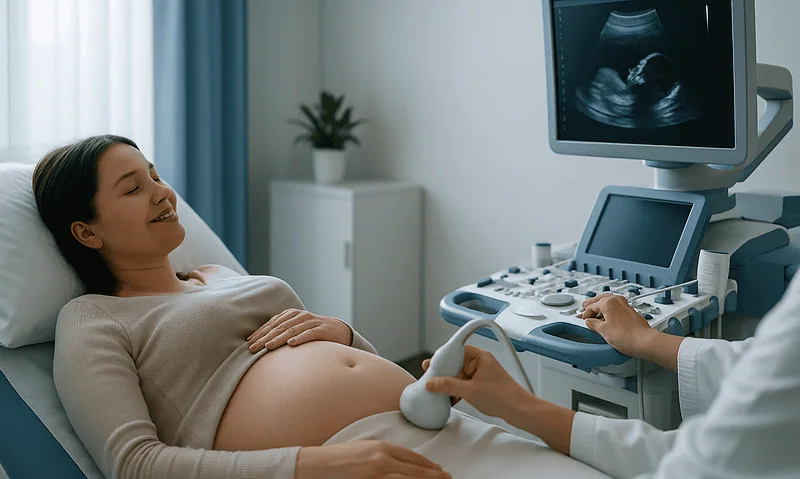
You lie on a narrow table with your arms above your head. The table slides into a ring roughly the shape of a large doughnut, open at both ends. Many centers run a short scan without dye first to measure calcium in the artery walls, a number known as a calcium score. Then the dye goes in. Mayo Clinic describes the sensations most people notice: a warm flush spreading through the body, a metallic taste, sometimes a brief feeling of needing to urinate. All of it fades within a minute or so.
A voice asks you to hold your breath for a few seconds while the pictures are taken. Breathing moves the heart, so the pause matters. Once the technologist confirms the images are sharp, the cannula comes out, a dressing goes on, and you sit for a short observation period. The whole visit, including waiting for any heart-slowing medicine to take effect, commonly runs about an hour according to Mayo Clinic, though the image acquisition itself is measured in seconds to minutes.
How to prepare for coronary CT angiography: the day-before checklist
Written instructions from the imaging department always win over anything in a magazine, including this one. Protocols differ slightly between scanners and radiologists. With that said, the elements below appear in almost every set of instructions, and knowing the reasoning makes them easier to follow.

- Confirm that a recent kidney function blood test is on file, or that one is scheduled. The NHS notes that people with kidney problems may need this before contrast is used.
- Write down every medicine and supplement you take, including inhalers, erectile dysfunction tablets, over-the-counter painkillers and herbal products. Bring the list.
- Tell the booking team about any past reaction to contrast dye, asthma, diabetes, kidney disease, heart rhythm problems, or a possibility of pregnancy.
- Plan your last caffeine for the previous afternoon or evening, and your last meal so that roughly four hours pass before the scan.
- Drink water normally through the day unless you have been told to restrict fluids for another medical reason.
- Choose a top without metal: no underwire, zippers, snaps or necklaces near the chest.
- Arrange your journey, and ask whether you should bring a companion to drive.
None of this is difficult, but skipping the caffeine and the hydration undermines the two things the scan depends on most: a slow heart and cooperative veins. The next sections explain why each rule earns its place, starting with the one that hurts the most at six in the morning.
Why caffeine before a CT angiogram matters more than you might think
Coronary arteries are narrow, a few millimeters across at their widest, and they move with every heartbeat. The faster the heart, the shorter the still moment the scanner can capture, and the more motion blur creeps into the pictures. That is the whole reason caffeine is off the menu. Caffeine blocks adenosine receptors, which nudges heart rate upward and can provoke extra beats. It also works directly against the beta-blocker medicine many teams give to slow the heart, so a strong coffee can partly cancel the very drug meant to sharpen your scan.
Both Mayo Clinic and Cleveland Clinic advise avoiding caffeine for about 12 hours beforehand. Coffee is the obvious source, but the list is longer than most people expect: black and green tea, cola and many other sodas, energy drinks, chocolate, some pre-workout powders, and certain cold and headache remedies that combine caffeine with a painkiller. Decaffeinated coffee is not caffeine-free; it is simply lower, and on the morning of a heart scan it is better treated as off-limits too.
Nicotine deserves the same treatment for the same reason. Cigarettes, vapes and nicotine gum all raise heart rate, so most instructions ask you to avoid them on the day.
If you drink a lot of coffee, the withdrawal headache is real and can arrive during the wait. Mention it when you check in rather than reaching for a combination painkiller that may contain caffeine. Water and, if allowed, a small plain snack after the scan usually see people through, and normal coffee habits can resume once the team says so.
Do you need to be fasting before a CT angiogram?
Yes, but not for long, and not from fluids. Mayo Clinic advises not eating for roughly four hours before the scan while continuing to drink water. The fasting has two purposes. Contrast dye occasionally causes nausea, and an empty stomach makes vomiting less likely and less risky. In the rare event of a serious reaction to the dye that affects breathing, a stomach without food is also safer to manage. That is the honest extent of it; there is no metabolic reason to starve.

Water is a different story. Hydration plumps the arm veins, which makes placing the cannula easier and reduces the chance of dye leaking into surrounding tissue. Well-hydrated kidneys also clear the contrast more efficiently, which is part of how teams protect kidney function. Arriving thirsty and dry after an overnight fast is the opposite of helpful. Unless another condition, such as advanced heart failure, means you have been told to limit fluids, plain water up until the appointment is generally encouraged. Coffee, tea and cola do not count as water for this purpose, for the reasons above.
People living with diabetes need a specific conversation. Skipping a meal shifts blood glucose, and the timing of glucose-lowering medicines around a missed breakfast is something the prescribing clinician or diabetes nurse should map out in advance. Ask when you book rather than guessing on the morning.
Once the scan is finished, there is no reason to keep fasting. Most people can eat normally straight away, and Mayo Clinic suggests drinking plenty of water afterward to help flush the dye.
Why is a kidney function test needed before CT contrast?
The iodine-based dye that lights up your arteries leaves the body almost entirely through the kidneys. In healthy kidneys that is uneventful. In kidneys already working near their limit, a dose of contrast can cause a temporary drop in filtering ability, a condition called contrast-associated acute kidney injury. It is usually mild and reversible, but the team wants to know the baseline before, not after.
The check is a simple blood draw. Creatinine is a waste product from muscle that healthy kidneys remove steadily; a higher level suggests slower filtering. From creatinine, age and sex, the laboratory estimates a glomerular filtration rate, or eGFR, which is a rough measure of how many milliliters of blood the kidneys clean each minute. MedlinePlus describes the creatinine test and what it reflects. The NHS states plainly that people with kidney problems may need this blood test before a CT scan with dye.
Who is at higher risk? People with known chronic kidney disease, diabetes, heart failure, dehydration, older age, or who take medicines that stress the kidneys such as anti-inflammatory painkillers or water tablets. If your result is borderline, that is not automatically a cancellation. Teams have options: giving fluids through the vein before and after, using a smaller volume of dye, or choosing a different test altogether. Some also arrange a repeat blood test in the days after the scan for higher-risk patients.
A recent result from another appointment may be enough; the radiology department decides how recent is recent enough. Ask, and save yourself a second needle.
Your regular medicines, and the ones the team may add
Do not stop any prescribed medicine because of the scan unless the person who prescribed it, or the imaging team in agreement with them, tells you to. Bring the list instead, and let them make the calls. A few medicines come up repeatedly.
Metformin, a common glucose-lowering drug, is cleared by the kidneys. If contrast temporarily reduces kidney function, metformin can build up. That is why some people with reduced kidney function are asked to pause it around the scan and resume once a follow-up blood test looks fine. Whether that applies to you depends on your eGFR and is a decision for your prescriber.
Erectile dysfunction medicines, the phosphodiesterase-5 inhibitor class, matter for a different reason. The team may give you a nitrate under the tongue during the scan, and combining nitrates with these drugs can drop blood pressure dangerously. Tell the team if you have taken one in the past couple of days, even if it feels awkward. Nobody in that room will blink.
Two medicines are often added on the day. A beta-blocker slows the heart and steadies its rhythm, given as a tablet before the scan or through the cannula on the table; Cleveland Clinic notes that teams aim for a slow resting rate, generally in the low 60s or below, for the sharpest images. A short-acting nitrate widens the coronary arteries so they show more clearly, at the price of a brief headache or flushing in some people. Asthma, very low blood pressure or certain rhythm conditions can change these plans, which is one more reason the full history matters.
What not to do before a CT angiogram
Most preparation slip-ups are not dramatic. They simply make the pictures blurrier, the cannula harder to place, or the appointment longer. Here is what experienced technologists most often wish patients had avoided.
- Drinking coffee, tea, energy drinks, cola or eating chocolate in the 12 hours before, per Mayo Clinic and Cleveland Clinic guidance.
- Smoking or vaping on the morning of the scan; nicotine pushes heart rate up.
- A hard workout that morning, which raises heart rate for hours and leaves you dehydrated.
- Arriving thirsty. Plain water up to the appointment is usually welcome.
- Eating a meal within about four hours of the scan.
- Taking an erectile dysfunction tablet in the preceding days without telling the team.
- Stopping or doubling any prescribed medicine on your own initiative.
- Wearing metal at chest level, including underwire, jewelry, body piercings and zippers.
- Keeping quiet about a previous reaction to contrast dye, a possible pregnancy, or kidney problems.
One more habit worth dropping: assuming the instructions from a friend’s scan apply to yours. Departments differ on whether the beta-blocker is given at home or on arrival, on how recent the kidney blood test must be, and on whether a driver is needed. When the leaflet and the phone call disagree, ring the department and ask. Ten minutes on the phone beats a rescheduled scan.
Who is coronary CT angiography usually for, and who is asked to wait?
The test shines at answering one question in people whose symptoms are stable: are the coronary arteries narrowed by plaque, and if so, how much? Plaque is the build-up of cholesterol, calcium and inflammatory cells inside the artery wall. Because the scan sees the artery wall itself rather than inferring blockage from stress responses, a clean result is reassuring. UK guidance from NICE recommends it as the first-line test for many people with new stable chest pain thought to come from the heart, and the American Heart Association describes its role in evaluating chest pain and coronary anatomy.
Typical reasons for referral include chest discomfort on exertion, an inconclusive exercise test, a strong family history with worrying symptoms, checking bypass grafts, or mapping unusual artery anatomy before another procedure.
Some people are asked to wait, or steered to a different test. An irregular rhythm such as atrial fibrillation, or a fast heart rate that medicine cannot settle, makes gating unreliable. Severe kidney impairment raises the stakes of contrast. A previous serious reaction to contrast dye needs planning, sometimes with premedication, sometimes with another test. Pregnancy is usually a reason to choose an alternative; the NHS notes CT is not routinely recommended in pregnancy because of radiation to the fetus. Difficulty lying flat or holding a breath, and very heavy artery calcification that can obscure the channel inside, also reduce the value of the images.
Chest pain that is new, severe or at rest is not an outpatient scan question at all. That is an emergency pathway, and the section on when to call your doctor covers it.
Coronary CT angiography vs. other heart tests: what each one shows
Patients often ask why they were sent for this scan and not a treadmill test, or why a friend went straight to a catheter procedure. The tests answer different questions, and the table below sets them side by side. Anatomical tests show the pipe; functional tests show whether enough blood gets through the pipe under load. Cardiologists frequently use one to decide whether the other is needed.
| Test | What it shows | Contrast or radiation | Preparation highlights |
|---|---|---|---|
| Coronary CT angiography | Artery walls, plaque and degree of narrowing | Iodine dye through arm vein; low-dose X-ray | No caffeine about 12 hours, no food about 4 hours, kidney blood test, heart-rate medicine |
| Invasive coronary angiography | Artery channel in real time; allows stenting during the same procedure | Iodine dye through wrist or groin catheter; X-ray | Fasting, kidney blood test, day-case admission, driver required |
| Exercise ECG stress test | Electrical changes and symptoms during exertion | None | Comfortable shoes, light meal, medicine review |
| Stress echocardiogram | Heart wall motion at rest and under stress | Usually none | Similar to exercise test; sometimes caffeine restriction if a drug is used for stress |
| Nuclear perfusion scan | Blood flow to heart muscle at rest and stress | Radioactive tracer; radiation | Caffeine restriction, fasting, longer visit |
Johns Hopkins describes CT angiography as a way to view vessels without a catheter, which is its central advantage: no arterial puncture, no bed rest afterward. Its limits are the flip side. It cannot treat what it finds, and in heavily calcified arteries it may overestimate narrowing. Which test fits you is a judgment your cardiologist makes from symptoms, risk factors and rhythm, not something a table can settle.
How long does a CT coronary angiogram take, and can I drive after a CT angiogram?
Two questions, two honest answers. The imaging itself is over in a breath hold or two. The appointment is longer. Mayo Clinic puts the whole process at about an hour, and it can stretch further if a beta-blocker needs time to bring your heart rate down or if the first pass shows motion and the team repeats a sequence. Bringing a book is not a bad idea.
Afterward, the cannula comes out and you sit for a short while so staff can watch for any late reaction to the dye. Mayo Clinic advises drinking plenty of water for the rest of the day to help the kidneys clear the contrast. Eating is fine immediately. Most people return to ordinary activities, including work, the same day.
Driving is where instructions vary, and the difference comes down to medicines. If you received nothing beyond contrast, many departments are comfortable with you driving yourself home. If you were given a beta-blocker or a nitrate under the tongue, a few people feel light-headed or tired for a while, and some centers ask that you arrange a driver or wait until the effect has clearly passed. Mayo Clinic notes that you will generally be able to drive yourself, but asks patients to check whether pre-scan medication changes that. The safe course is to ask when you book and, if there is any doubt, bring someone.
Results do not come in the room. A radiologist or cardiologist reviews the images and writes a structured report, and your referring clinician discusses it with you. Ask how and when that conversation will happen so you are not waiting by the phone without a timeline.
What happens if they find a blockage during a CT angiogram?
First, a word about language. The report will rarely say blockage. It will describe plaque, note whether it is calcified or soft, and grade any narrowing in bands from minimal to severe, often using a standardized scoring system. It may also give a calcium score. A finding is a starting point for a conversation, not a verdict, and the next steps depend on how much narrowing there is and where.
Plaque without significant narrowing is common, especially with age, and usually leads to a discussion about risk factors: blood pressure, cholesterol, smoking, activity and, where appropriate, whether a cholesterol-lowering medicine such as a statin is worth starting or adjusting. That decision belongs to you and your prescriber, weighing your overall risk rather than one image.
Moderate narrowing often prompts a second, functional question: does this narrowing actually limit blood flow? Answers can come from a stress test, from software that models flow using the CT images, or from further review with a cardiologist. Severe narrowing, or narrowing in a critical location such as the left main artery, typically leads to a cardiology appointment and a discussion about invasive angiography, during which a stent can sometimes be placed, and in some cases about bypass surgery. Each option has risks and benefits that your team will lay out.
Occasionally the scan spots something unrelated in the lungs or nearby tissues. Most such findings turn out to be harmless, but some need follow-up imaging. In the days and weeks after the scan, expect a results conversation, possibly a medicine review, and sometimes a second test. What you should not expect is to be left to interpret the report alone.
What people often get wrong about preparing for coronary CT angiography
Some myths are harmless. Others cost people a wasted morning or a blurred scan. A few of the most persistent, corrected.
Decaf is fine. It is not caffeine-free, and on this particular morning the difference matters. Treat it like regular coffee until the scan is done.
Longer fasting is better. Fasting overnight does nothing extra for the scan and tends to leave people dehydrated, with flatter veins and kidneys that clear dye less efficiently. About four hours without food, with water throughout, is the pattern Mayo Clinic describes.
A shellfish allergy means an iodine allergy. Shellfish allergy is a reaction to proteins in the shellfish, not to iodine, and iodine itself is not an allergen in the usual sense. Tell the team about every allergy anyway, and especially about any earlier reaction to contrast dye, which is the history that genuinely changes planning.
It is the same as a regular angiogram. No catheter goes into an artery. The dye enters through an arm vein, and there is no groin or wrist puncture to rest afterward.
Pacemakers rule it out. That concern belongs to MRI. CT scanners have no strong magnet, and implanted devices are generally not a barrier, though they can cause small streaks on images.
The scanner is a claustrophobic tunnel. It is an open ring, and your head is usually outside or close to the edge.
A clear scan means the heart medicines can stop. A clean set of arteries today says nothing about blood pressure or cholesterol tomorrow. Any change to a prescription is a conversation with the prescriber, never a conclusion drawn from a report.
Questions to ask your care team before your coronary CT angiography
Good preparation is partly logistics and partly knowing what you are walking into. The booking call and the pre-scan conversation are the moments to ask. Write the answers down; nervous memories are unreliable.
- Why this test rather than a stress test or an invasive angiogram, and what will you do with the result?
- Is my kidney blood test recent enough, or do I need a new one? What was my eGFR?
- Given my kidney function, diabetes or other conditions, should any of my medicines be paused around the scan, and who will tell me when to restart?
- Will I be given a beta-blocker or a nitrate, and where: at home, on arrival, or through the cannula?
- Exactly how long before the scan should I stop caffeine and food, and is water allowed right up to the appointment?
- Do I need someone to drive me home?
- I have had a reaction to contrast before. How will you handle that?
- Could I be pregnant, and if so, what are the alternatives?
- I have a pacemaker, stents or a bypass. Does that change the scan or the pictures?
- How long will the whole visit take, and how and when will I get results?
- What symptoms after the scan should make me call, and what number do I call?
Notice that several of these questions have no single right answer. They depend on your kidneys, your rhythm, your medicine list and your department’s protocol. That is exactly why they belong in a conversation with the people who will be in the room with you, and why the decisions that follow the scan sit with your treating team.
When to call your doctor
Coronary CT angiography is a low-risk outpatient test, and the great majority of people go home and think no more about it. Knowing the handful of warning signs, before and after, is still worth two minutes.
Before the appointment. If your chest pain changes character while you wait for the scan, becoming more frequent, occurring at rest, waking you at night, or lasting longer than usual, do not wait for the scan date. Contact your doctor promptly. Chest pressure at rest lasting more than a few minutes, especially with sweating, nausea, breathlessness, or pain spreading to the arm, jaw or back, is a reason to call your local emergency number immediately.
In the hours after. Hives, itching, swelling of the lips, face or throat, wheezing, or any difficulty breathing can signal a reaction to the contrast dye. Mild itching that starts while you are still in the department should be reported to staff; breathing difficulty or facial swelling anywhere, at any time, is an emergency. Light-headedness after a beta-blocker or nitrate usually settles quickly, but fainting or a heart rate that feels very slow should be reported the same day.
At the cannula site. Some bruising is normal. Spreading redness, increasing pain, marked swelling, blistering, or numbness and tingling in the hand suggest dye may have leaked into the tissue or an infection is developing. Call.
In the following days. A rash appearing a day or two later is usually mild but worth a phone call. If you have known kidney disease or diabetes and notice passing much less urine, new swelling of the ankles, or unusual tiredness, contact your doctor; a repeat kidney blood test may be needed. Whatever the symptom, if it worries you, the number your team gave you exists to be used.
Frequently asked questions
What should I not do before a CT angiogram?
Avoid caffeine in any form for about 12 hours, food for about four hours, smoking or vaping on the day, and vigorous exercise that morning, as described by Mayo Clinic and Cleveland Clinic. Do not stop prescribed medicines on your own, and do not wear metal at chest level. Never withhold a history of contrast reactions, kidney problems or possible pregnancy from the team.
Why is caffeine before a CT angiogram such a problem?
Caffeine speeds the heart and can trigger extra beats, and coronary arteries move with every beat. Faster motion means blurrier pictures. It also works against the beta-blocker medicine often given to slow the heart. Coffee, tea, cola, energy drinks, chocolate and some cold remedies all count, and decaffeinated coffee still contains some caffeine, so it is treated the same way on scan day.
How long is the fasting before a CT angiogram?
Mayo Clinic advises not eating for roughly four hours before the scan. Water is allowed and encouraged right up to the appointment unless another condition means you have been told to limit fluids. Longer fasting adds nothing and can leave you dehydrated. People with diabetes should ask their prescriber in advance how to time meals and glucose-lowering medicines around the missed meal.
Why do I need a kidney function test before contrast?
The iodine-based dye is cleared by the kidneys, and in kidneys already under strain it can cause a temporary fall in function. A creatinine blood test and the eGFR calculated from it, described by MedlinePlus, show the team your baseline. The NHS notes people with kidney problems may need this before a CT with dye. Borderline results often lead to extra fluids or a smaller dye volume rather than cancellation.
How long does a CT coronary angiogram actually take?
The pictures are taken in one or two breath holds lasting seconds. Mayo Clinic describes the whole visit as about an hour, including placing the cannula, attaching electrodes, waiting for any heart-slowing medicine to work, and a short observation afterward. If the heart rate is slow to settle or a sequence has to be repeated, the appointment can run longer, so allow extra time.
Can I drive after a CT angiogram?
Often yes, but it depends on medicines. If you received only contrast, many departments are happy for you to drive yourself. If you were given a beta-blocker or a nitrate under the tongue, some people feel light-headed or tired for a while, and some centers ask you to arrange a driver. Mayo Clinic suggests checking this point when you book, and bringing a companion if there is any doubt.
What happens if they find a blockage during a CT angiogram?
The report grades any narrowing and describes the plaque, and your referring clinician discusses it with you. Minor plaque usually leads to a risk-factor and medicine review. Moderate narrowing often prompts a functional test to see whether flow is limited. Severe or critically placed narrowing typically leads to cardiology review and a discussion of invasive angiography, stenting or, occasionally, surgery. Every step is decided with your team.
Do I have to stop metformin for a CT angiogram?
Not necessarily. Metformin is cleared by the kidneys, and if contrast temporarily lowers kidney function it can accumulate, so some people with reduced eGFR are asked to pause it around the scan and resume after a follow-up blood test. People with normal kidney function are often told to continue. Whether that applies to you is a decision for your prescriber, so ask before the scan rather than guessing.
Can I have a coronary CT angiogram if I have a pacemaker or a shellfish allergy?
Usually yes to both. CT uses X-rays, not a magnet, so pacemakers and other implanted devices are generally not a barrier, though they can cause small streaks on images. Shellfish allergy involves shellfish proteins, not iodine, and does not predict a contrast reaction. What does matter is any previous reaction to contrast dye itself, which the team needs to know about in advance.
Is coronary CT angiography safe in pregnancy or while breastfeeding?
CT is not routinely recommended during pregnancy because of radiation to the fetus, as the NHS notes, so tell the team if there is any chance you are pregnant so alternatives can be considered. For breastfeeding, the amount of contrast reaching milk is very small and many guidelines allow feeding to continue, but confirm the advice with your own team, who know the specific dye used.
References
This article is for general information only and is not a substitute for professional medical advice. Please consult a qualified doctor about your individual situation.

More from the Blog
How Is Deep Vein Thrombosis Treated in Pregnancy and After Surgery? Adapting the Plan
Deep vein thrombosis in pregnancy and after surgery is treated with anticoagulant medicines that stop the clot growing while the body slowly dissolves it.…

Pulmonary Embolism Recovery: Restarting Activity Gradually and What the First Months Involve
Pulmonary embolism recovery time varies widely. Most people feel noticeably better within a few weeks, but full recovery of stamina commonly takes several months,…

Metabolic Health: The Five Markers That Define It and How Few Adults Meet Them
Metabolic health is usually defined by five markers measured without medication: a waist circumference below 40 inches for men and 35 for women, fasting…

When Is an Electrophysiology Study Recommended Before Ablation or a Device?
An electrophysiology (EP) study is usually recommended when the heart's rhythm problem cannot be pinned down from an ECG or wearable monitor alone, when…

Living With an Aortic Condition: Blood Pressure Control, Imaging Checks and Activity Pacing
Living with an aortic aneurysm or a healed dissection usually rests on three habits: keeping blood pressure steadily within the range your cardiology team…

Soreness or Bruising After Ablation Therapy: What Usually Fades and What Needs a Call
Mild chest soreness, a dull ache in the groin and a bruise that spreads down the thigh are common after cardiac ablation and usually…