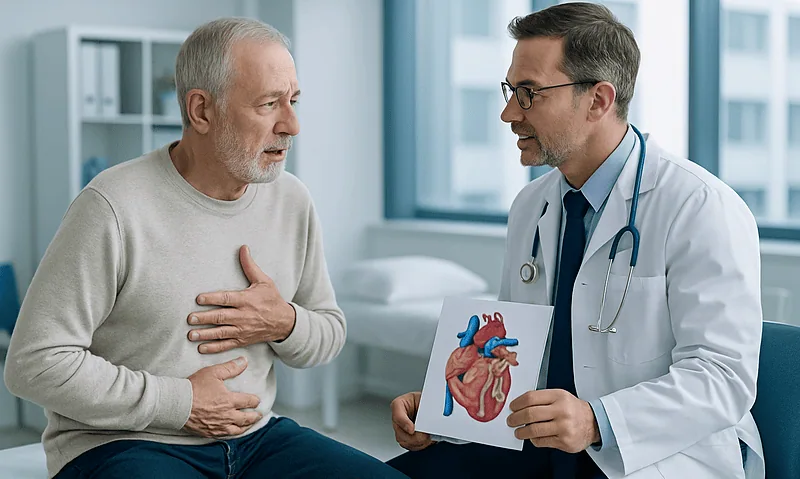
How Is a Pulmonary Embolism Treated? Anticoagulants, Thrombolysis and Catheter Options
A pulmonary embolism is treated mainly with anticoagulant medicines, which stop the clot from growing and prevent new ones while the body gradually dissolves…
Explore Heart & Metabolism at Acibadem International — experienced specialists, internationally accredited hospitals and dedicated multilingual support for patients from around the world.
A pulmonary embolism is treated mainly with anticoagulant medicines, which stop the clot from growing and prevent new ones while the body gradually dissolves…
Stroke volume is the amount of blood the heart's left ventricle pumps out with a single contraction — roughly 70 milliliters in a healthy…
Insulin therapy can contribute to modest weight gain — in long-term trials, roughly 4 kilograms (about 9 pounds) over several years, with most of…
A standard echocardiogram, the ultrasound scan of the heart done through the chest wall, usually takes 15 to 60 minutes according to the NHS,…
Type 1 diabetes is an autoimmune condition in which the immune system destroys the pancreas's insulin-producing cells, so insulin must be replaced from diagnosis…
You can lower LDL cholesterol meaningfully without medication by replacing saturated fats with unsaturated ones, eating 5 to 10 grams of soluble fiber daily…
An ECG (electrocardiogram) records your heart's electrical activity through sticky skin electrodes, showing heart rate, rhythm, and patterns that can suggest arrhythmias, reduced blood…
Stable angina is chest discomfort that follows a predictable pattern, arrives with exertion or stress, and eases within minutes of rest; it is usually…
To read an ECG, first check the paper speed (usually 25 mm per second), then identify the P wave, QRS complex, and T wave,…
Lymphatic drainage refers both to the body's normal process of returning excess tissue fluid to the bloodstream and to a gentle massage technique meant…
Most adults with type 2 diabetes can drink alcohol in moderation, if their blood sugar is well managed and their care team agrees. The…
Atrial fibrillation (AF) is partly hereditary: having a parent or sibling with AF raises your own risk, and a small subset of families carry…
Heart rate zones divide exercise effort into bands based on a percentage of your estimated maximum heart rate, often figured as 220 minus your…
A parasite cleanse — an herbal supplement regimen marketed to expel intestinal parasites — is unnecessary for most people and unsupported by clinical evidence.…
Regular aerobic exercise is the most reliable way to lower a resting heart rate; consistent endurance training typically trims several beats per minute within…
For most people without diabetes, blood sugar after eating typically peaks within about an hour and stays below 140 mg/dL (7.8 mmol/L) two hours…
Pyrexia is the medical term for fever: a body temperature of about 100.4°F (38°C) or higher, driven by the brain raising its thermostat in…
Feeling dizzy after eating most often comes from a temporary drop in blood pressure as blood shifts toward the digestive system, a condition called…
Choose which cookies you allow. Essential cookies are always on because the site cannot work without them.