

Blood Tests Before a Hair Transplant: What Is Checked and Why
Key Takeaways
- A standard pre-transplant panel covers a complete blood count, clotting tests (PT/INR and aPTT), blood glucose or HbA1c, and screening for hepatitis B, hepatitis C, and HIV.
- A single transplant session can create 3,000 to 6,000 micro-incisions, which is why platelet counts and clotting times matter far more than the word cosmetic suggests.
- Surgeons often prefer HbA1c over a one-off glucose reading because it reflects roughly three months of blood sugar control and predicts wound healing more honestly.
- Thyroid disease and low ferritin can mimic or worsen pattern hair loss, and pre-op blood work sometimes redirects a patient away from surgery entirely.
- Never stop a prescription blood thinner on your own before a transplant; any adjustment must come from the prescribing clinician, coordinated with the surgical team.
- Evidence that PRP improves post-transplant results comes from small, non-standardized studies, so treat it as a low-risk optional extra rather than a necessity.
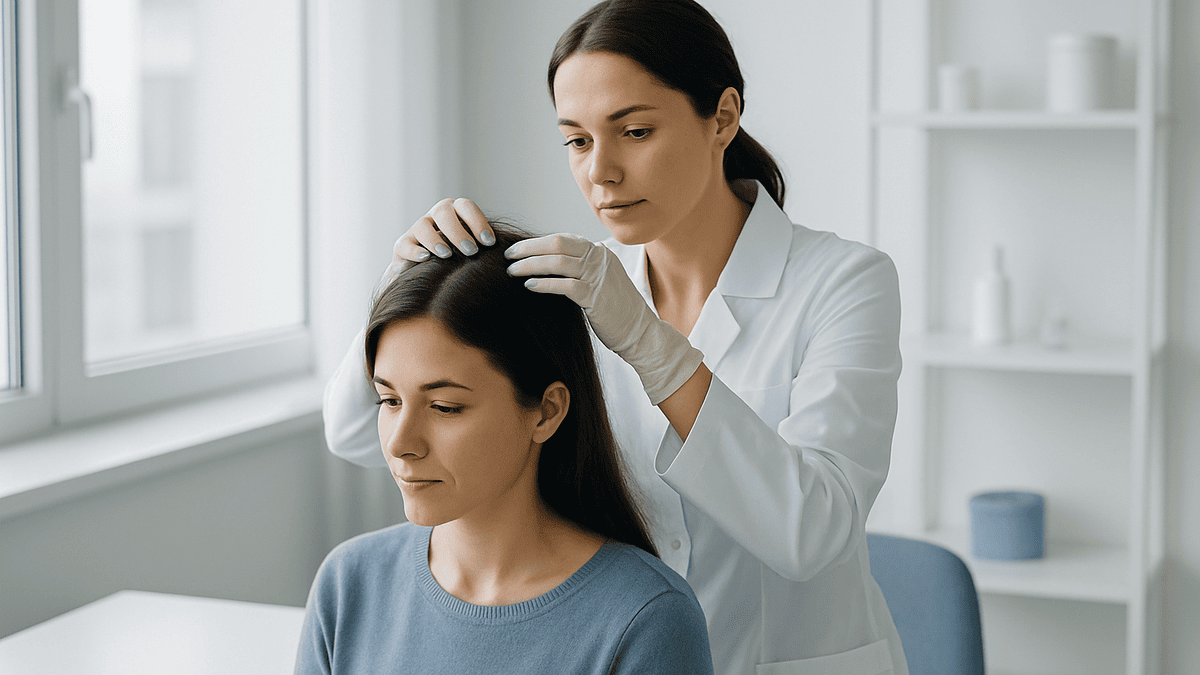
Before a hair transplant, most surgeons order a complete blood count, clotting tests, blood glucose, and screening for hepatitis B, hepatitis C, and HIV. Many also check thyroid function, iron stores, and sometimes hormone levels to confirm the cause of hair loss. Together these tests screen for anemia, bleeding risk, poorly controlled diabetes, and infections that affect safety, healing, and graft survival during surgery.
Most people booking a hair transplant spend weeks studying hairline photos and graft counts. Almost nobody expects the first appointment to end with a lab requisition and a needle in the arm. Yet at reputable clinics, that vial of blood matters more than any before-and-after gallery.
Here is the part the marketing brochures gloss over: a hair transplant is real surgery. A single session can involve harvesting and replanting 1,500 to 3,000 follicular units, each one a tiny incision, over four to eight hours. Your scalp is one of the most blood-rich areas of the body, and every graft depends on that blood supply to survive.
The pre-operative panel is how a careful surgeon confirms your body can handle a long day of controlled micro-wounds and heal them well afterward. Occasionally, it also uncovers the real reason your hair is falling out, and that discovery can change the entire plan.
Why does a cosmetic procedure need blood work at all?
Because the word cosmetic describes the goal, not the risk. According to MedlinePlus, hair transplantation involves removing strips or individual units of hair-bearing scalp and implanting them into recipient sites, all under local anesthesia during a procedure that routinely runs most of a working day. Multiply one small incision by a few thousand and you get a meaningful surgical load on the body.
Blood work answers three practical questions before anyone picks up an instrument. Can your blood clot well enough to keep thousands of micro-wounds from oozing? Can your tissues heal and fight infection afterward? And is there anything circulating in your blood, an infection or a metabolic problem, that changes how the team should proceed?
There is also a principle worth naming: elective surgery should clear a higher safety bar, not a lower one. Nobody needs a hair transplant this month. If a lab result reveals borderline anemia or unexpectedly high blood sugar, the sensible move is to fix that first and operate later. A clinic that skips testing entirely, or treats it as a box-ticking formality, is telling you something about how it weighs your safety against its schedule. Occasionally the pre-op panel becomes the first time a person in their thirties or forties has had blood drawn in a decade, and it catches something that matters far beyond hair.
What blood tests are required before a hair transplant surgery?
There is no single universal list. Requirements vary by country, by clinic, and by your medical history. That said, a fairly consistent core panel shows up at well-run practices worldwide, usually drawn within a few months of the surgery date.
| Test | What it measures | Why it matters before a transplant |
|---|---|---|
| Complete blood count (CBC) | Red cells, hemoglobin, white cells, platelets | Flags anemia, infection, and low platelets that could cause prolonged bleeding |
| PT/INR and aPTT | How quickly your blood clots | Predicts bleeding across thousands of graft sites |
| Fasting glucose or HbA1c | Current or three-month average blood sugar | High sugar slows healing and raises infection risk |
| Hepatitis B, hepatitis C, HIV screens | Blood-borne viral infections | Guides instrument handling and protects patient and team |
| TSH (thyroid) | Thyroid gland function | Thyroid disease causes diffuse shedding that surgery cannot fix |
| Ferritin | Iron stores | Low iron is linked with increased hair shedding, especially in women |
| Kidney and liver panels | Organ function | Affects how the body processes anesthetic medication |
Some surgeons add vitamin D, vitamin B12, or hormone panels depending on your story. If your clinic asks for none of this, ask why. If it asks for more, that is usually a sign of thoroughness, not upselling, provided the additions connect logically to your history.
What does the complete blood count actually tell your surgeon?
The CBC is the workhorse of pre-operative medicine, and each of its three main readings answers a different surgical question.
Hemoglobin comes first. MedlinePlus lists typical adult ranges of roughly 13.8 to 17.2 grams per deciliter for men and 12.1 to 15.1 for women. Hemoglobin carries oxygen, and freshly implanted grafts are hungry for it. Significant anemia means less oxygen reaching healing tissue, plus a patient more likely to feel faint during a long procedure. Mild, unexplained anemia is also a finding no responsible clinician ignores, because it sometimes points to a problem elsewhere that deserves investigation before any elective surgery.
Platelets come second. A normal count runs from about 150,000 to 450,000 per microliter. These cell fragments are the first responders that plug every one of those graft-site punctures. A low count can turn a routinely tidy procedure into hours of persistent oozing, which not only obscures the surgeon’s field but can physically lift newly placed grafts out of position.
White cells round out the picture. An elevated count may signal an active infection, exactly the wrong time to create thousands of open micro-wounds, while an unexpectedly low count raises questions about the immune system’s ability to defend those wounds afterward. None of these findings necessarily cancels a transplant. They redirect the timeline.
Why clotting tests matter for a thousand tiny incisions
Picture the mechanics for a moment. In follicular unit extraction, each graft is harvested through a punch typically under a millimeter across, then placed into a recipient incision of similar size. A 2,000-graft session means roughly 4,000 controlled punctures in a scalp laced with blood vessels. Individually, each is trivial. Collectively, they demand a clotting system that works.
That is what the prothrombin time with INR and the activated partial thromboplastin time measure: the two main chemical cascades your blood uses to form a stable clot. MedlinePlus describes the PT/INR as a standard check before surgical procedures precisely because it catches problems patients do not know they have. Mild inherited clotting disorders can sit silent for decades, surfacing only when surgery or a lab test exposes them.
These numbers also matter for the many adults who take blood-thinning medication for heart or vascular conditions. Here the rule is absolute, and worth stating plainly: never stop a prescription blood thinner on your own to qualify for a cosmetic procedure. The stroke or clot you risk is incomparably worse than delayed hair restoration. Any adjustment must come from the clinician who prescribed the medication, coordinating directly with the surgical team. A clinic that suggests you simply skip your medication for a few days, without involving your prescriber, has failed a basic safety test.
What does blood sugar have to do with hair grafts?
More than most patients expect. Chronically elevated glucose damages the smallest blood vessels first, and small vessels are exactly what a transplanted follicle depends on. In the days after surgery, each graft survives on oxygen and nutrients diffusing from surrounding tissue until new capillaries grow into it. Poor microcirculation starves that process.
High blood sugar also blunts the immune system. White blood cells work less efficiently in a high-glucose environment, which is one reason poorly controlled diabetes is associated with slower wound healing and higher infection rates across surgical specialties, not just hair restoration.
This is why many surgeons prefer an HbA1c over a single fasting glucose reading. A fasting test is a snapshot of one morning; HbA1c reflects average blood sugar over roughly the previous two to three months, which is much harder to game with a virtuous week before the blood draw.
Having diabetes does not disqualify you. Well-controlled diabetes is compatible with hair transplantation at most practices, though your surgeon may adjust timing, technique, or aftercare monitoring. What the test screens out is the dangerous middle ground: diabetes that is undiagnosed or drifting out of control. Finding that out from a pre-op lab slip is unwelcome news, but it is far better news than discovering it through infected, failing grafts three weeks after surgery.
Why hepatitis and HIV screening is standard, and not a judgment
Every credible surgical practice screens for hepatitis B, hepatitis C, and HIV before an invasive procedure. It is worth being clear-eyed about why, because patients sometimes read this requirement as suspicion.
The first reason is your own health. Chronic hepatitis B and C can smolder for years without symptoms while quietly affecting the liver, the organ that processes the local anesthetic used throughout a transplant. Knowing your status lets the team plan safely, and if a screen comes back positive, it connects you to care that matters enormously beyond hair. Modern management of all three infections has improved dramatically; early knowledge is the whole game.
The second reason is operational. Hair transplant surgery involves hours of work with sharp instruments in a blood-rich field, often with several technicians handling grafts. Confirmed status guides sterilization protocols and protects everyone in the room.
What a positive result means for your surgery varies honestly from clinic to clinic. Some practices operate on patients with well-managed chronic infections using enhanced precautions; others refer those cases to hospital-based settings; a minority decline outright. There is no single international standard, so if this applies to you, ask directly about a clinic’s policy before paying a deposit. What a positive result should never mean, anywhere, is shame. These are common infections, screening is routine surgical practice, and results are confidential medical information.
Thyroid, iron, and vitamin D: when hair loss is not what it seems
Here is the quiet plot twist of pre-transplant blood work: sometimes it reveals that surgery is the wrong tool entirely.
Not all hair loss is androgenetic. An underactive or overactive thyroid can push large numbers of follicles into their resting phase simultaneously, producing diffuse shedding across the whole scalp. Transplanting into a scalp that is shedding for metabolic reasons is like reseeding a lawn during a drought; the surgeon relocates follicles, but the underlying condition keeps thinning everything around them. A simple TSH test catches most thyroid problems, and treating the gland often improves the hair without a single graft.
Iron tells a similar story. Ferritin, the storage form of iron, is the marker most clinicians check, and low levels are associated with increased shedding, particularly in premenopausal women. The evidence has genuine limits worth admitting: studies disagree on the exact ferritin threshold that matters, and correcting iron does not reliably regrow hair in everyone. Still, the NIH Office of Dietary Supplements notes that iron deficiency is the most common nutritional deficiency worldwide, so it is a sensible thing to rule out before irreversible surgery.
Vitamin D receptors play a documented role in follicle cycling, and low levels frequently show up in people with hair loss. Whether supplementing actually improves hair remains unproven in rigorous trials. An honest surgeon will say exactly that, correct a deficiency for general health, and not oversell it as a hair cure.
Do hormone tests apply to you? For women, usually yes
Men and women often arrive at the same clinic door but need different workups, and this is one place where a one-size lab panel shortchanges women.
For most men with classic pattern loss, receding temples and a thinning crown in the familiar shape, extensive hormone testing adds little. The condition is driven mainly by how sensitive individual follicles are to normal levels of androgens, not by abnormally high hormones in the bloodstream. A man with textbook pattern loss, a clear family history, and normal core labs rarely needs more.
Women are a different case. Female hair loss has a longer list of plausible causes, and pattern loss in women can be the visible edge of an underlying condition. Clinicians commonly check thyroid function, ferritin, and sometimes androgen levels, especially when hair thinning arrives alongside irregular menstrual cycles, acne, or increased facial hair. Shedding that began after childbirth, rapid weight change, or a significant illness points toward telogen effluvium, a usually temporary shed that no surgeon should transplant into, because it typically resolves on its own within months.
The practical takeaway: if you are a woman considering a transplant and no one has investigated why you are losing hair, insist on that diagnosis first. Cleveland Clinic and other major centers emphasize that identifying the cause of hair loss comes before choosing any treatment, surgical or otherwise. The best candidates for surgery are people whose diagnosis is settled and whose loss is stable.
What disqualifies you from a hair transplant?
Fewer things than the internet suggests, and most of them are temporary. It helps to separate true disqualifiers from postponements.
Genuine long-term barriers include insufficient donor hair, because a transplant redistributes hair rather than creating it, and if the donor zone at the back and sides is itself thinning diffusely, there is nothing stable to move. Active scarring forms of alopecia, where inflammation is destroying follicles, also rule out surgery until the disease is fully quiet, since grafts placed into inflamed scalp tend to fail. Unstable, rapidly progressing loss in very young patients is another honest reason for refusal; operating on a 22-year-old with an unpredictable pattern often creates an unnatural result a decade later.
Then there are the fixable flags, many of them surfaced by blood work:
- Poorly controlled diabetes, usually a postponement until glucose is managed
- Significant anemia or very low ferritin, correctable over weeks to months
- Untreated thyroid disease driving the shedding
- Clotting abnormalities or blood-thinner regimens needing coordination with a prescriber
- Active scalp or systemic infection at the time of surgery
One more category deserves respect: expectations. Ethical surgeons decline patients seeking density that their donor supply cannot deliver, and they screen carefully when a patient’s distress seems out of proportion to visible loss, which can signal body-image concerns better served by a mental health professional than a scalpel. A refusal from a good surgeon is not rejection. It is often the most valuable medical opinion in the whole process.
What should you avoid doing before a hair transplant?
Your surgeon’s written instructions outrank anything you read online, including this article. That said, the common guidance across reputable practices clusters around a few themes, all aimed at bleeding and blood flow.
Alcohol thins the blood and dehydrates tissue, so most clinics ask you to stop drinking for several days to a week beforehand. Smoking and nicotine in any form constrict the small vessels that new grafts depend on; surgeons typically want nicotine stopped at least one to two weeks before surgery and through the early healing period, and honestly, if a transplant becomes the reason someone quits for good, that is the best outcome on the whole ledger.
Medications and supplements need a conversation, not a guess. Blood-thinning prescriptions must only ever be adjusted by the clinician who prescribed them. Several over-the-counter pain relievers and popular supplements, including certain herbal products and high-dose fish oil, can also increase bleeding, so bring your complete list, everything, to the pre-op review and let the surgical team decide what pauses and what continues.
Smaller practical points round out the list: avoid heavy sun exposure that irritates the scalp in the preceding week, skip intense workouts the day before and after, do not cut your hair short without asking (some techniques need length to camouflage the donor area), and arrive rested and fed unless instructed otherwise, since most transplants use local anesthesia and a fainting-prone empty stomach helps no one during an eight-hour day.
What happens if a blood test comes back abnormal?
Usually, a postponement rather than a cancellation, and often a genuinely useful detour.
The pattern at well-run clinics looks like this. A borderline result, say mildly low hemoglobin or a slightly elevated glucose, prompts a referral back to your primary care clinician for confirmation and treatment. Low iron gets investigated and corrected over a matter of weeks to months. Blood sugar gets optimized. A newly discovered thyroid problem gets treated, and sometimes the hair improves enough on its own that the surgical plan shrinks or disappears. Once the numbers stabilize, the clinic repeats the relevant test and reschedules.
A markedly abnormal result, a very low platelet count, a significantly prolonged clotting time, evidence of active infection, stops the process cold until a specialist has weighed in. That can feel like bureaucracy when you have already booked time off work. It is actually the system functioning exactly as designed: the entire purpose of testing is to find these things while they are still cheap to find.
Two practical notes. First, ask the clinic how long results stay valid; most accept labs drawn within three to six months of surgery, so a delay may mean redrawing blood. Second, always request copies of your results. They belong to you, they are useful to your regular doctor, and a clinic reluctant to share them is waving a flag you should not ignore.
Is PRP worth it after a hair transplant? What the evidence actually shows
Platelet-rich plasma is the add-on nearly every clinic now offers, so it deserves a straight answer, and the straight answer is: maybe, modestly, and the evidence is thinner than the sales pitch.
The concept is biologically plausible. A sample of your own blood is spun in a centrifuge to concentrate the platelets, which carry growth factors involved in tissue repair, and the concentrate is injected into the scalp. In theory, those growth factors support the survival of freshly implanted grafts and nudge follicles into their growth phase sooner.
What do studies show? Small randomized trials and reviews suggest PRP may produce modest improvements in hair density and may shorten the temporary shedding phase after a transplant. But the honest caveats are substantial: most studies enroll a few dozen patients, preparation methods vary wildly from clinic to clinic (spin speed, platelet concentration, number of sessions), follow-up is often short, and results are inconsistent across trials. There is no standardized protocol, which means the PRP you buy at one clinic is not the PRP that was studied in the trial another clinic cites.
The reassuring part is safety: because PRP comes from your own blood, serious reactions are rare when it is prepared properly. A fair framing, then: PRP is a reasonable, low-risk optional extra for patients who understand the evidence is preliminary, and it is not a requirement for a successful transplant. If a clinic presents it as essential, ask to see the data behind that claim.
When to see a doctor, before you ever book a consultation
A hair transplant consultation is a sales conversation as much as a medical one. A visit to your own doctor or a dermatologist is neither, which is why it should usually come first.
See a clinician promptly, before pursuing surgery, if any of the following describes you:
- Hair loss that is sudden, patchy, or accompanied by broken hairs, rather than gradual thinning in a familiar family pattern
- Shedding alongside fatigue, unexplained weight change, feeling unusually cold, or heavy menstrual periods, all of which can point to thyroid or iron problems
- Itching, burning, scaling, pain, or visible scarring on the scalp, possible signs of inflammatory conditions that surgery would worsen
- Hair loss that began after starting a new medication, a major illness, surgery, or childbirth, which often resolves without any procedure
- In women, thinning combined with irregular cycles, acne, or new facial hair growth
These patterns suggest causes that blood tests and examination can identify and that no transplant can fix. The NHS makes the same point about hair loss generally: establishing the cause comes before choosing a treatment.
And if you have already had surgery, know the red flags of the recovery period. Fever, spreading redness, pus or foul-smelling discharge from graft sites, or pain that worsens rather than eases after the first few days all warrant same-day medical attention. Normal healing involves scabbing, mild swelling, and a disheartening shed of the transplanted hairs around weeks two to four before regrowth begins; infection does not, and it is treatable when caught early.
Frequently asked questions
What blood tests are required before a hair transplant surgery?
The typical core panel includes a complete blood count, clotting tests (PT/INR and aPTT), a blood sugar test such as fasting glucose or HbA1c, and screening for hepatitis B, hepatitis C, and HIV. Many clinics add thyroid function, ferritin, and kidney and liver panels, and some check vitamin D or hormone levels based on your history. Exact requirements vary by clinic and country, so confirm the list at your consultation.
What disqualifies you from a hair transplant?
The main long-term barriers are insufficient donor hair, active scarring forms of alopecia, and unstable, rapidly progressing loss, especially in very young patients. Most other issues are postponements rather than disqualifications: uncontrolled diabetes, significant anemia, untreated thyroid disease, clotting problems, or an active infection can all be corrected before rescheduling. Ethical surgeons also decline patients whose expectations exceed what their donor supply can realistically deliver.
What should I avoid doing before a hair transplant?
Stop alcohol for several days to a week beforehand and nicotine in all forms for at least one to two weeks, since both affect bleeding and blood flow to grafts. Review every medication and supplement with the surgical team, because some increase bleeding, and never adjust prescription blood thinners without your prescriber’s direction. Avoid heavy sun exposure, skip intense exercise the day before, and follow your own surgeon’s written instructions above all.
Is PRP worth it after a hair transplant?
Possibly, but the evidence is preliminary. Small studies suggest PRP may modestly improve density and shorten the temporary shedding phase after surgery, yet trials are small, preparation methods vary between clinics, and results are inconsistent. Because PRP uses your own blood, serious risks are low when it is prepared properly. A fair view: it is a reasonable optional add-on, not a requirement for a successful transplant.
Do I need to fast before pre-op blood tests?
Only for certain tests. A fasting glucose or some cholesterol panels require going without food for several hours beforehand, while an HbA1c, complete blood count, clotting tests, and infection screens do not. Your clinic’s lab requisition will specify what applies to you. When in doubt, ask before the appointment rather than guessing, because an unnecessary redraw delays your surgical clearance.
Can I have a hair transplant if I have hepatitis B, hepatitis C, or HIV?
It depends on the clinic and on how well the infection is managed. Some practices operate on patients with well-controlled chronic infections using enhanced sterilization protocols, others refer these cases to hospital-based settings, and a minority decline. There is no single international standard, so ask about the policy directly before committing. A positive screen is confidential medical information and should always connect you to appropriate ongoing care.
How long are pre-op blood test results valid?
Most clinics accept results drawn within three to six months of the surgery date, though policies vary and some require testing within a shorter window, particularly for infection screens. If your procedure gets postponed, expect to repeat at least some tests. Always keep copies of your results; they belong to you and are useful for your regular doctor as well as the surgical team.
Can low iron or a thyroid problem cause hair loss instead of genetics?
Yes. Both underactive and overactive thyroid can push follicles into a resting phase and cause diffuse shedding, and low ferritin, the marker of iron stores, is associated with increased hair loss, particularly in premenopausal women. Treating these conditions often improves hair without surgery, which is exactly why responsible clinics test for them first. The evidence on precise ferritin thresholds is mixed, but ruling out deficiency before irreversible surgery is sound practice.
Do women need different blood tests than men before a transplant?
Often a broader panel, yes. Because female hair loss has more possible underlying causes, clinicians commonly check thyroid function, ferritin, and sometimes androgen levels, especially when thinning appears alongside irregular cycles, acne, or increased facial hair. Men with classic pattern loss and a clear family history usually need only the standard surgical panel, since their condition is driven by follicle sensitivity to normal hormone levels rather than abnormal readings.
What happens if my blood test results are abnormal before surgery?
Most often the procedure is postponed, not cancelled. Borderline findings like mild anemia or elevated glucose are referred to your regular clinician, corrected over weeks to months, then rechecked before rescheduling. Markedly abnormal results, such as very low platelets or prolonged clotting times, require specialist evaluation first. Frustrating as delays feel, this is the testing process working as intended: finding problems while they are still easy to fix.
References
- MedlinePlus: Hair Transplant
- MedlinePlus: Complete Blood Count (CBC)
- MedlinePlus: Prothrombin Time Test and INR (PT/INR)
- NHS: Hair Transplant (Cosmetic Procedures)
This article is for general information only and is not a substitute for professional medical advice. Please consult a qualified doctor about your individual situation.

More from the Blog

Who Suits Scalp Micropigmentation for Scars and Thinning, and Who Needs Another Approach?
Scalp micropigmentation for scars usually suits adults whose scar is fully healed and flat, whose skin does not tend to form raised keloids, and…

Failed Hair Transplants: Why They Happen and How Repair Works
A hair transplant can fail when grafts don't survive relocation, when the design ignores future hair loss, or when healing is disrupted by infection…
Who Is a Candidate for Robotic Hair Surgery? Why Hair Color, Curl and Contrast Matter
A typical robotic hair surgery candidate has stable, pattern-type hair loss, a dense donor area at the back and sides of the scalp, and…
Eyebrow Transplant Recovery: Healing, Scabbing and the Trimming Routine
Eyebrow transplant recovery typically follows a predictable arc: redness and tiny scabs for the first 5 to 10 days, a shedding phase between roughly…
Afro Hair Transplant for Traction Alopecia: Why Stopping the Pull Comes Before Surgery
An afro hair transplant can restore a hairline thinned by traction alopecia, but only after the pulling has fully stopped and the scalp has…

Norwood 6: What Advanced Loss Means for Donor Supply and Expectations
Norwood 6 is advanced male pattern hair loss: the frontal and crown bald areas have merged into one, leaving only a horseshoe of hair…