

Dental Fillings During Pregnancy: Timing, X-Ray Shielding and Anesthesia Considerations
Key Takeaways
- Mainstream obstetric and dental guidance supports necessary fillings in any trimester, because untreated decay progresses toward pain and infection regardless of pregnancy.
- The second trimester is usually the most comfortable window for routine fillings, but comfort, not safety, is the reason, and a painful tooth should be treated whenever it hurts.
- A dental X-ray is aimed at the jaw, uses a lead apron and thyroid collar, and involves radiation far below levels associated with fetal harm, according to Mayo Clinic.
- Local anesthetics such as lidocaine block nerve signals at the injection site and are used in small amounts, which is why being properly numb is considered the appropriate approach.
- Intact amalgam fillings should not be removed during pregnancy, since drilling releases more mercury vapor than leaving them undisturbed.
- After vomiting, the NHS advises rinsing with water and waiting about an hour before brushing, because acid-softened enamel wears away under a toothbrush.
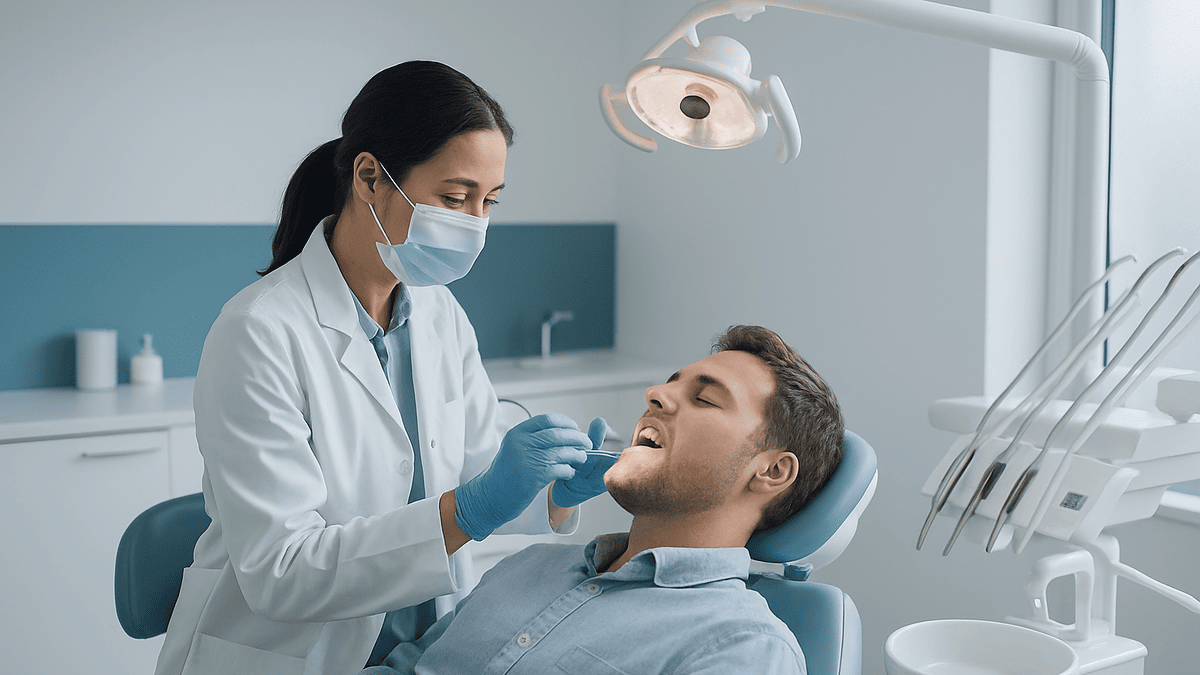
Dental fillings during pregnancy are generally considered safe and are often recommended rather than delayed, because untreated decay can progress to pain or infection. Mainstream guidance supports necessary fillings in any trimester, with the second trimester usually the most comfortable. Local numbing is widely used, dental X-rays are taken only when they change treatment and with shielding, and the dentist and obstetric team decide together.
The twinge arrives with a spoonful of cold yogurt, somewhere around week eleven. It fades, then returns a few days later with the first sip of iced water. You know exactly what it is, because the dentist mentioned a soft spot on a back molar at your last check-up and suggested keeping an eye on it. Now you are pregnant, and the question that seemed trivial a few months ago feels weighty: fix it now, or wait until the baby arrives?
Many people quietly choose to wait, often out of a sense that the dental chair is somewhere a pregnant body should not be. The evidence points the other way. The question of dental fillings during pregnancy has been studied, debated and written into professional guidance, and the picture is reassuring, with a few sensible adjustments.
This explainer walks through what actually happens during a filling, why timing matters more for comfort than for safety, what the X-ray and numbing evidence shows, and which signs mean you should stop deliberating and call someone today.
Can you get a filling while pregnant? What guidelines say about dental fillings during pregnancy
Yes. The short version of mainstream guidance is that necessary dental treatment, including fillings, should not be postponed simply because someone is pregnant. The NHS encourages people to see a dentist during pregnancy and notes that routine care remains appropriate. In the United States, the American College of Obstetricians and Gynecologists has stated that dental treatment, including the use of local anesthetics, is acceptable at any stage of pregnancy when it is clinically needed.
The reasoning rests on a simple comparison of risks. A cavity, which is a hole in the tooth created when acid from bacteria dissolves enamel and dentin, does not pause for nine months. Left alone, decay advances toward the nerve, and what might have been a small filling can become a toothache, an abscess (a pocket of pus from infection) or an emergency visit at a far less convenient moment. Infection and severe pain are the outcomes clinicians want to avoid in pregnancy, not a routine filling.
None of this means every filling has to happen immediately. Dentists distinguish between decay that is actively spreading and shallow early changes in enamel that can sometimes be slowed with fluoride and better plaque control. That judgment is individual, and it depends on where the tooth is, how deep the decay runs and whether there are symptoms.
What matters most, in our view, is that the decision gets made deliberately by you, your dentist and, where relevant, your obstetric provider, rather than by default through avoidance. Tell your dental office you are pregnant and how far along you are. That one sentence shapes the positioning, the X-ray decision and the choice of materials, and it opens the conversation that this article is designed to prepare you for.
How a dental filling actually works, step by step
A filling is a repair, not a cosmetic add-on. The goal is to remove the softened, infected tooth structure and seal the space so bacteria cannot re-enter. Cleveland Clinic describes the sequence in plain terms, and it is worth knowing before you sit down.

First comes numbing. The dentist applies a topical gel to the gum, then injects a local anesthetic, a medicine that temporarily blocks nerve signals in one small area so the tooth and surrounding tissue lose sensation. Within a few minutes the lip and cheek on that side feel thick.
Next, the decayed tissue is removed with a high-speed handpiece, sometimes finished with a slower drill or hand instruments. You feel vibration and hear noise, but not pain. The cavity is then cleaned and dried, and if the decay sat close to the nerve a protective liner may be placed first.
Then the material goes in. With composite resin, the tooth-colored option most offices now use, the dentist etches the surface, applies a bonding agent and places the resin in layers, hardening each with a blue light. With amalgam, the silver-colored metal alloy, the material is packed firmly into the cavity and sets on its own.
Finally, the filling is shaped and polished, and you bite on a thin strip of marking paper so the dentist can trim any high spots. The whole process is usually a single appointment for one or two teeth.
Nothing in that sequence changes fundamentally because you are pregnant. What changes is around the edges: how you are positioned, whether an X-ray is taken first, which material is chosen and how long you are comfortable in the chair.
Why pregnancy changes your mouth, from pregnancy gingivitis to bleeding gums
Pregnancy does not weaken teeth directly, but it changes the environment they live in. Three shifts matter most.
Hormones come first. Rising progesterone and estrogen increase blood flow to the gums and amplify the body’s inflammatory response to plaque, the sticky bacterial film on teeth. The NHS notes that swollen, sore gums that bleed when brushed are common in pregnancy; dentists call this pregnancy gingivitis, meaning gum inflammation driven by plaque and hormonal sensitivity. Some people also develop a pregnancy epulis, a harmless, reddish overgrowth of gum tissue between teeth that usually shrinks after birth.
Acid comes second. Vomiting from morning sickness bathes enamel in stomach acid, which softens the surface. The NHS advises rinsing with plain water afterward and waiting about an hour before brushing, because brushing softened enamel can wear it away. Reflux later in pregnancy does the same thing more quietly.
Eating patterns come third. Frequent small meals and sugary cravings mean teeth spend more of the day under acid attack, which is exactly how cavities begin, according to MedlinePlus.
A common question is whether receding gums are a normal part of pregnancy. Swelling and bleeding are expected; true recession, where the gum margin pulls back and exposes root surface, is not a direct hormonal effect. It more often reflects over-vigorous brushing, pre-existing gum disease or inflammation that has gone on long enough to affect the supporting tissue. Recession deserves a dental look, not reassurance.
Put together, these changes explain why a tooth that was borderline before pregnancy may tip into needing a filling during it, and why the dental check-up in pregnancy is not a luxury.
When is the best trimester for dental fillings during pregnancy?
If you can choose, the second trimester (roughly weeks 14 to 27) is the window most dentists prefer, and the reasons are practical rather than alarming.

The first trimester is when the baby’s organs are forming, so clinicians instinctively keep anything optional to a minimum, even though the evidence on local anesthesia and dental radiographs does not show harm. Nausea is also at its peak, and lying back with instruments in your mouth is miserable when your gag reflex is on a hair trigger.
The second trimester is typically the calmest stretch. Nausea has usually eased, the uterus is not yet large enough to make reclining uncomfortable, and energy tends to be better. This is when routine fillings, cleanings and treatment of gum inflammation are most comfortably done.
The third trimester brings a different set of issues. Lying flat on your back can compress the large vein returning blood to the heart, causing dizziness or a drop in blood pressure (supine hypotension), so appointments need tilt and breaks. The bladder is crowded, the back aches and long appointments feel endless. Short visits for urgent problems are entirely reasonable; a leisurely replacement of three old fillings is not.
Here is the honest caveat: trimester preferences describe comfort and caution, not a line between safe and unsafe. The American College of Obstetricians and Gynecologists considers necessary dental care appropriate throughout pregnancy. A painful cavity at week nine should be treated at week nine, not booked for week sixteen. A symptom-free spot found at week thirty may wait until after birth. Timing is a conversation about urgency, and your dentist is the person to have it with.
Who is usually treated now, and who is usually asked to wait
Dentists sort pregnant patients into rough categories, and knowing which one you fall into makes the appointment easier.
Treated now, in any trimester, are people with decay that is causing pain, sensitivity that lingers after hot or cold, a visibly broken tooth, a lost filling with a sharp edge or an open cavity trapping food, or any sign of infection such as swelling or a bad taste. Waiting here carries clearer risks than treating.
Usually treated in the second trimester are people with moderate cavities found at a check-up that are not yet hurting. Nothing bad happens by scheduling these a few weeks later for comfort, but letting them drift to the postpartum period, when sleep and time vanish, often means they get worse.
Often monitored rather than filled are very early lesions confined to enamel. Mayo Clinic notes that early decay can sometimes be slowed or reversed with fluoride and plaque control, so a dentist may choose to watch these and recheck after the baby is born.
Usually asked to wait are people seeking purely elective work: replacing sound but discolored fillings, cosmetic bonding, whitening, or removing intact amalgam fillings for non-clinical reasons. The last point deserves emphasis, because drilling out intact amalgam releases more mercury vapor than leaving it undisturbed.
A separate group needs coordination rather than delay: anyone with a high-risk pregnancy, a bleeding disorder, heart valve disease, uncontrolled diabetes or a history of preterm labor. Here the dentist should speak with the obstetric team before treatment, not to refuse care but to plan it well.
Where you sit in this list is a clinical judgment. Ask your dentist to name the category out loud; it makes the plan concrete.
Dental X-rays while pregnant: shielding, dose and what the evidence shows
This is the question that keeps people out of the chair, so it deserves a clear answer. A dental radiograph, the technical term for an X-ray image, uses a narrow beam aimed at the jaw. The pelvis is not in the path of the beam. The exposure from a single small dental image is among the lowest of any diagnostic X-ray.
Mayo Clinic puts it plainly: most diagnostic X-rays, dental images included, do not expose a developing baby to enough radiation to cause harm, and the amount involved is far below the level associated with birth defects or miscarriage. A lead apron over the abdomen and a thyroid collar around the neck add a further margin, and digital sensors have reduced exposure compared with older film.
Guidance differs slightly in emphasis, and it is fair to say so. The NHS notes that a dentist will often wait until after the birth for X-rays that are not needed urgently, even while acknowledging that most dental X-rays do not affect the abdomen. US obstetric guidance frames shielded dental radiographs as acceptable during pregnancy. The two positions are not in conflict: both reduce to the same principle, that an X-ray should be taken when it will change what the dentist does, and skipped when it will not.
For a filling, that often means one or two small images to see how deep the decay goes and whether it approaches the nerve, information that determines whether a filling will do or a root canal is needed. Guessing is not safer than knowing.
Tell the dental team you are pregnant before any image is taken, ask whether the image will change the plan, and expect the apron and collar. Those three steps cover what the evidence asks of you.
Local anesthesia during a pregnancy filling: what is used and why
Being numb is not a luxury here. Pain and anxiety raise stress hormones and blood pressure, and a filling attempted without adequate numbing is more stressful for everyone, including the baby. Local anesthesia is therefore considered an appropriate part of dental treatment in pregnancy by both obstetric and dental guidance.
The mechanism is reassuringly local. A dental anesthetic such as lidocaine works by blocking sodium channels on nerve fibers, the tiny gates that let a pain signal travel. With the gates shut, the signal from the tooth never reaches the brain. The effect is confined to the area injected, the amount used for a filling is small, and the medicine is broken down by the liver over the following hours. Lidocaine has the longest safety record of the dental anesthetics and is the one most commonly chosen in pregnancy.
Most dental anesthetics are combined with a vasoconstrictor, usually epinephrine, which narrows nearby blood vessels. That keeps the anesthetic where it is placed, prolongs numbness, reduces bleeding and allows the dentist to use less anesthetic overall. Dentists aspirate, meaning they draw back on the syringe before injecting, to avoid placing the medicine directly into a blood vessel. People with high blood pressure or certain heart conditions may be offered a different formulation, which is one more reason to share your full history.
Which agent, how much and whether it includes a vasoconstrictor are decisions for the dentist, informed by your medical history. The point for you is simpler: ask for enough numbing to be comfortable, say so if you can still feel the drilling, and expect the numb lip to linger for a few hours afterward. Avoid chewing on that side until feeling returns, so you do not bite your cheek.
Filling materials in pregnancy: composite, amalgam and the temporary option
The material question comes up in nearly every pregnancy filling appointment, so it helps to see the options side by side.
| Material | What it is | Pregnancy considerations | Typical use |
|---|---|---|---|
| Composite resin | Tooth-colored plastic and glass mixture, bonded to the tooth and set with a blue light | Contains no mercury; now the default in most offices; requires a dry field, so cheek retraction and suction are needed | Most small and medium cavities, front and back teeth |
| Dental amalgam | Silver-colored alloy of mercury with silver, tin and copper, packed into the cavity | Durable and tolerant of moisture; US regulators advise that pregnant and breastfeeding people are among the groups for whom non-mercury alternatives are preferred where appropriate; existing intact amalgam fillings are not recommended for removal in pregnancy | Large back-tooth cavities where moisture control is difficult |
| Glass ionomer | Tooth-colored cement that bonds chemically and releases fluoride | No mercury; less durable under heavy chewing; often used when a dentist wants a fluoride-releasing, moisture-tolerant option | Root surface cavities, children’s teeth, areas near the gumline |
| Temporary filling | Soft material placed to seal a tooth for weeks to a few months | Buys time when a dentist wants to defer definitive work, for example in late pregnancy or when nausea makes a long appointment impractical | Stabilizing a tooth until a later visit |
Two honest notes. First, there is no good evidence that existing amalgam fillings harm a pregnancy; the regulatory preference for alternatives is precautionary, based on the lack of long-term data in groups considered more sensitive to mercury, not on demonstrated harm. Second, having a sound amalgam filling drilled out during pregnancy exposes you to more mercury vapor than leaving it in place, which is why dentists advise against elective removal until after the baby arrives and, if you are breastfeeding, often later still.
Your dentist will choose based on the tooth, the bite and moisture control. Asking why a particular material was chosen is a fair question with a straightforward answer.
What should you avoid at the dentist when pregnant? Positioning, sedation and pain relief
The list of things to avoid is shorter than most people expect, but each item matters.
Lying flat on your back for long stretches is the first, particularly after about 20 weeks. The growing uterus can press on the inferior vena cava, the large vein that returns blood from the lower body to the heart, and reduce blood pressure; this is supine hypotension, and it feels like dizziness, nausea or sweating. The fix is simple: a small pillow or rolled towel under the right hip so you tilt slightly to the left, the chair kept semi-upright where the dentist can manage it, and permission to sit up whenever you need to.
Elective sedation is the second. Nitrous oxide (laughing gas) and oral sedatives are usually deferred in pregnancy unless there is a strong clinical reason, because they add exposure without being necessary for a filling. Local anesthesia alone is the standard approach.
Cosmetic treatments are the third. Whitening and elective veneers can wait; there is no urgency and limited safety data.
Pain relief afterward is the fourth, and the one where people most often improvise badly. Acetaminophen is the pain reliever generally regarded as the first choice in pregnancy. Non-steroidal anti-inflammatory drugs such as ibuprofen are generally avoided, particularly from the second half of pregnancy onward, because of effects on the baby’s circulation and kidneys. Aspirin for pain is likewise not used. The medicine, the amount and the duration are for your obstetric provider or dentist to specify; check with them before taking anything, and never borrow a leftover prescription.
Finally, avoid silence. Skipping the appointment, or attending without mentioning the pregnancy, is the one choice the evidence consistently argues against.
What the days and weeks after a pregnancy filling usually look like
The first few hours belong to the numbness. Expect the lip, cheek and tongue on the treated side to feel swollen and clumsy for a while after you leave. Soft foods on the other side of the mouth are sensible until sensation returns, mainly to avoid biting your cheek without realizing it. Lukewarm drinks are easier than hot ones, which you cannot judge properly while numb.
Over the first day or two, mild tenderness at the injection site and a tooth that feels slightly aware of itself are both ordinary. Cleveland Clinic notes that temporary sensitivity to cold, sweet or pressure after a filling is common and usually settles on its own as the tooth calms down.
Across the first week, pay attention to the bite. If the tooth feels high, meaning it hits before the others when you close, call the office rather than waiting it out; a high filling can cause a dull ache and is adjusted in minutes. Composite fillings are fully hardened the moment the light cures them, so you can brush and floss normally from the first evening. Amalgam continues to harden over the first day, and dentists often advise easing off hard chewing on that side until the next morning.
Across the following weeks, sensitivity should be fading rather than growing. Pain that worsens, a throb that wakes you at night or sensitivity to heat that lingers for a minute or more suggests the nerve is inflamed and should be reassessed; that is a possibility with any deep filling, pregnant or not.
Longer term, the pregnancy itself is the thing to manage: continue brushing twice a day with a fluoride toothpaste, floss daily, rinse with water after vomiting and keep the next check-up. Many dentists schedule a postpartum visit to reassess gums once hormones settle.
Tooth pain during pregnancy: can I go to the ER, and when should I?
Toothache in pregnancy is common enough that the question of where to go deserves a straight answer. For pain alone, the right place is a dentist, ideally yours, and ideally soon. The NHS advises seeing a dentist if toothache lasts more than two days, does not ease with simple pain relief, or comes with fever, swelling, a bad taste or pain on biting. Most dental offices keep same-day emergency slots, and many areas have urgent dental services for people without a regular dentist.
An emergency room is the right place when the problem has moved beyond the tooth. Swelling of the face or jaw that is spreading, swelling under the tongue or in the floor of the mouth, difficulty swallowing or breathing, fever with a stiff neck or a feeling of being very unwell, or a tooth knocked out or broken in an accident all warrant emergency care. These are signs that infection may be spreading into deeper tissues, and in pregnancy a spreading infection is treated as urgent.
Hospital emergency departments can manage infection, pain and airway concerns, and can prescribe appropriately for pregnancy, but they usually cannot fill or extract a tooth. You will typically be stabilized and sent to a dentist for the definitive repair, so the dentist remains the destination either way.
Here is what not to do: tolerate escalating pain for weeks because you believe the dentist is off-limits, or dose yourself with whatever pain reliever is in the cabinet. Call your dentist first; if the office is closed and you have any of the warning signs above, go to the emergency room. Mention the pregnancy and how many weeks along you are at every step.
What people often get wrong about dental work in pregnancy
Some of the most persistent beliefs about pregnancy and teeth are not merely wrong but actively harmful, because they talk people out of care.
The first is the old saying that you lose a tooth for every baby, supposedly because the fetus draws calcium from your teeth. It does not. Calcium in enamel is not mobilized the way bone mineral is, and MedlinePlus is clear that tooth decay comes from bacterial acid, not from pregnancy itself. The real culprits are hormonal gum inflammation, vomiting and snacking, and all three are manageable.
The second is that numbing injections reach the baby in meaningful amounts. Local anesthetics act on nerves at the injection site, are used in small quantities for a filling and have a long safety record in pregnancy. Pain and stress from an untreated tooth are the more plausible concern.
The third is that a single dental X-ray can cause miscarriage or birth defects. Mayo Clinic notes that diagnostic X-rays, including dental ones, involve radiation far below the levels associated with those outcomes, and the beam is aimed at the jaw, not the abdomen.
The fourth is that bleeding gums mean you should brush more gently or less often. The opposite is true: bleeding signals plaque-driven inflammation, and gentle but thorough brushing twice a day plus daily flossing is what settles it, as the NHS advises.
The fifth is that pregnancy is a good time to have amalgam fillings removed. Intact amalgam is not recommended for removal in pregnancy; drilling releases more mercury vapor than leaving it be.
The sixth is that everything can simply wait nine months. Decay does not wait, and the first months with a newborn are rarely when anyone finally books the dentist.
Questions to ask your care team before a filling in pregnancy
Good questions turn a nervous appointment into a shared plan. Bring these, and expect clear answers.
- How urgent is this cavity? Is it actively spreading, or could it be monitored until after the birth?
- Do you need an X-ray to plan the filling, and will the image change what you do? What shielding will be used?
- Which local anesthetic do you plan to use, and does it contain a vasoconstrictor? Is that the right choice given my blood pressure and medical history?
- Which filling material do you recommend for this tooth, and why?
- How will I be positioned, and can I stop or sit up if I feel dizzy or nauseated?
- Roughly how long will I be in the chair, and can the work be split across shorter visits if needed?
- What can I take afterward if the tooth aches, and have you confirmed it with my obstetric provider or do I need to?
- Are there signs after the filling that should prompt me to call you rather than wait?
- Do you want to speak with my obstetric team before treatment, given my pregnancy history?
- Should I come back after the baby is born to reassess my gums or any teeth you are monitoring?
Bring your prenatal records or at least your due date, a list of every medicine and supplement you take, and any pregnancy complications your obstetric provider has mentioned. Dentists and obstetric clinicians are used to coordinating; a quick call between them is routine, not a red flag.
One more suggestion from the editor’s chair: ask the dentist what they would do if the patient were a close relative. The answer tends to cut through hedging and reveal how urgent they believe the tooth really is.
When to call your doctor
Most pregnancy fillings are uneventful, but a few situations should prompt a same-day call to your dentist, your obstetric provider or both.
Call the dentist promptly if a tooth that was filled becomes more painful rather than less over several days, throbs enough to wake you, reacts to heat with pain that lingers for a minute or longer, or feels high when you bite. These suggest the nerve is inflamed or the bite needs adjusting, and both are fixable.
Treat the following as urgent, meaning the same day, and go to an emergency department if a dentist cannot see you quickly:
- Swelling of the face, jaw or neck that is spreading or making one side look visibly different
- Swelling under the tongue or difficulty swallowing, speaking or breathing
- Fever, chills or feeling generally unwell alongside a toothache
- Pus, a persistent foul taste or a bump on the gum that drains
- Bleeding from the mouth that does not stop with firm pressure after twenty minutes
- A tooth broken or knocked out in a fall or accident
Call your obstetric provider, or your maternity unit, if during or after a dental visit you experience fainting, chest pain, a racing heartbeat that does not settle, severe headache, vaginal bleeding, fluid leaking, regular tightening or contractions, or a noticeable change in the baby’s movements. These are not expected consequences of a filling, but they are pregnancy warning signs that should never be filed under dental.
If you are unsure which number to call, call the obstetric one. Pregnancy teams are used to triaging symptoms and will direct you. Every decision about treatment, medicines and timing rests with the clinicians caring for you; this article is a map, not a prescription.
Frequently asked questions
Can cavity filling be done during pregnancy?
Yes. A cavity filling can be done during pregnancy, and guidance from obstetric and dental bodies supports treating active decay rather than postponing it. Local anesthesia is considered appropriate, the second trimester is usually the most comfortable time, and purely cosmetic work is generally deferred. Your dentist assesses how urgent the decay is and coordinates with your obstetric provider if your pregnancy is high risk.
Can you get a filling while pregnant in the first trimester?
You can, and a painful or infected tooth should be treated in the first trimester rather than left. Dentists often prefer to schedule non-urgent fillings for the second trimester because nausea is usually worse early on and clinicians keep optional procedures to a minimum while the baby’s organs form. That preference is about comfort and caution, not evidence that a first-trimester filling causes harm.
Are dental X-rays while pregnant safe for the baby?
Dental X-rays involve a narrow beam aimed at the jaw, and Mayo Clinic notes that the radiation from diagnostic X-rays is far below the level associated with birth defects or miscarriage. A lead apron and thyroid collar add protection. Dentists take images only when they will change the treatment plan, and some, following NHS guidance, defer non-urgent X-rays until after birth.
Can I go to the ER for tooth pain while pregnant?
You can, but for pain alone a dentist is the better destination, since emergency departments usually cannot fill or extract a tooth. Go to the ER if toothache comes with spreading facial swelling, swelling under the tongue, difficulty swallowing or breathing, fever, or a tooth broken in an accident. Those signs suggest infection spreading beyond the tooth, which is treated urgently in pregnancy.
What should you avoid at the dentist when pregnant?
Avoid lying flat for long periods after about 20 weeks, elective sedation such as nitrous oxide, cosmetic treatments like whitening, and removal of intact amalgam fillings. Also avoid taking leftover pain relievers without checking; non-steroidal anti-inflammatory drugs are generally not used in pregnancy. Most importantly, avoid skipping care or failing to mention the pregnancy, since both lead to worse outcomes than treatment.
Is it normal for my gums to recede during pregnancy?
Swollen, tender gums that bleed when brushed are common in pregnancy because hormones amplify the response to plaque, a condition called pregnancy gingivitis. True recession, where the gum pulls back and exposes root, is not a direct hormonal effect. It usually reflects over-vigorous brushing or underlying gum disease, so it should be examined by a dentist rather than assumed to be normal.
Is pregnancy gingivitis with bleeding gums a reason to brush less?
No. Bleeding gums signal inflammation driven by plaque, and the NHS advises brushing twice daily with fluoride toothpaste and cleaning between teeth every day to settle it. Brushing less allows plaque to build and makes bleeding worse. A soft brush and gentle technique help, and a professional cleaning during pregnancy is appropriate and often recommended.
Is the numbing injection for a filling safe during pregnancy?
Local anesthetics used in dentistry are considered appropriate during pregnancy by obstetric and dental guidance. They act on nerves near the injection site, are used in small amounts for a filling and are cleared by the body over several hours. Lidocaine has the longest safety record. Adequate numbing also reduces pain and stress, which matters for you and the baby.
Should I have amalgam fillings removed while pregnant?
No, not unless a filling is broken or decayed and must be replaced. Drilling out intact amalgam releases more mercury vapor than leaving it in place, so elective removal is deferred until after pregnancy and often after breastfeeding. If a new filling is needed, US regulators advise that non-mercury alternatives such as composite resin are preferred for pregnant people where appropriate.
What pain relief can I take after a filling during pregnancy?
Acetaminophen is the pain reliever generally regarded as the first choice in pregnancy, while non-steroidal anti-inflammatory drugs and aspirin for pain are generally avoided, particularly in the second half of pregnancy. Which medicine, how much and for how long are decisions for your dentist or obstetric provider. Confirm with them before taking anything, and report pain that worsens over several days.
References
This article is for general information only and is not a substitute for professional medical advice. Please consult a qualified doctor about your individual situation.

More from the Blog

Can You Drink Coffee With Clear Aligners In? Eating, Drinking and the Water-Only Rule
Most orthodontic teams advise drinking only plain water while clear aligners are in. Coffee, tea and other drinks can stain the plastic, hot liquids…

Composite Bonding Aftercare: Coffee, Tea and Habits That Keep the Resin Looking Even
Composite bonding aftercare centers on protecting a resin surface that is softer and more porous than natural enamel. Most dentists advise avoiding coffee, tea,…

How Sore Are Metal Braces in the First Days, and How Is Discomfort Eased?
Metal braces soreness is usually a dull ache and tenderness when biting, beginning a few hours after fitting, peaking around days two and three,…
What Causes a Gummy Smile? Gum Overgrowth, Short Teeth, Jaw Position and Lip Movement
A gummy smile, which dentists call excessive gingival display, usually comes from one of four sources or a mix of them: gum tissue that…

What Laser Assisted Dental Procedures Can and Cannot Do: Realistic Results by Treatment Type
Laser dental treatment results depend on the procedure. For soft-tissue work such as gum reshaping, tongue-tie release and small biopsies, lasers cut precisely with…

Gum Graft vs Bonding for Gum Recession: Covering the Root or Protecting It
A gum graft and dental bonding address gum recession differently. A graft moves or places soft tissue to cover the exposed root and rebuild…