

Fibroids and Diet: What Research Links to Growth and What Helps
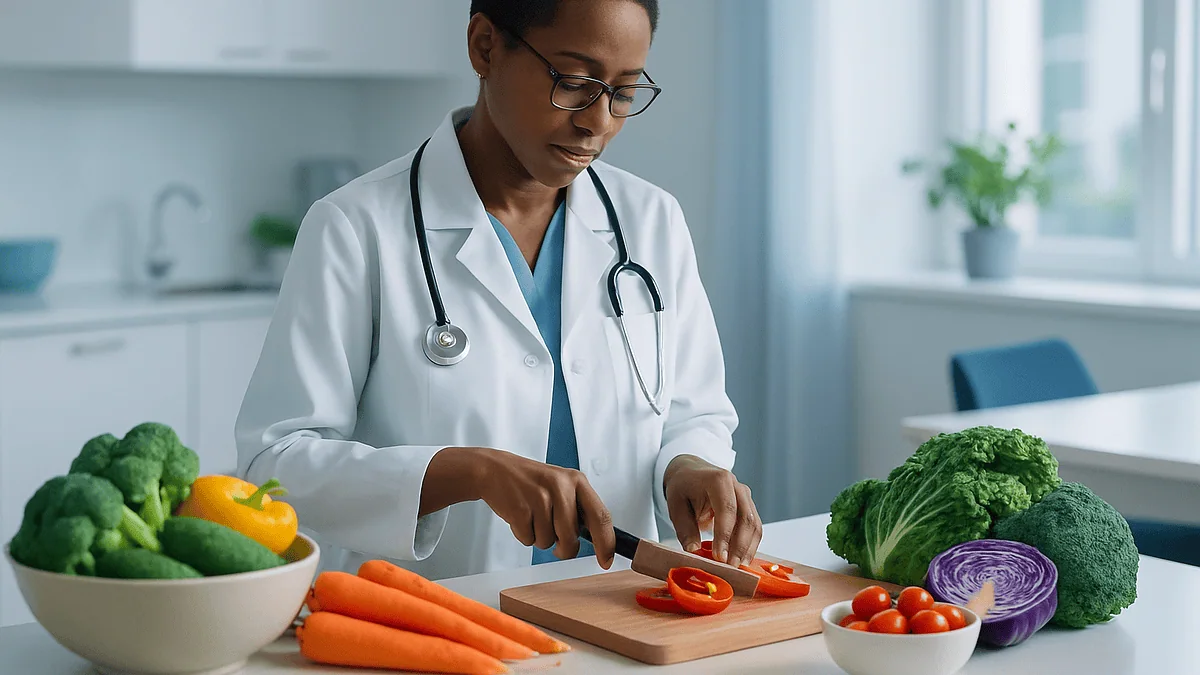
Key Takeaways
- No randomized trial has shown that any food or whole diet shrinks existing fibroids; the strongest dietary evidence concerns risk over years, not treatment.
- Prospective cohort data link four or more daily servings of fruit and vegetables, especially citrus, with roughly 10 to 20 percent lower fibroid incidence.
- Women with sufficient blood vitamin D had about 32 percent lower odds of fibroids in a 2013 NIH-funded study, and small trials suggest correcting deficiency may slow growth.
- A single small randomized trial of concentrated green tea extract reported reduced fibroid volume, but concentrated catechin supplements carry a documented liver-injury risk and remain investigational.
- Higher dairy intake was associated with about 30 percent lower fibroid incidence in a large prospective cohort, contradicting the common belief that dairy fuels fibroids.
- Heavy menstrual bleeding from fibroids is the leading cause of iron deficiency anemia in premenopausal women, so pairing plant iron with vitamin C and testing iron levels matter more than any 'shrinking' food.
No food has been shown in randomized trials to shrink fibroids. Observational studies link higher fruit, vegetable and dairy intake and adequate vitamin D with lower fibroid risk, while red and processed meat, alcohol and excess body fat are linked with higher risk. A plant-forward, iron-aware eating pattern supports overall health alongside, never instead of, the plan agreed with your clinician.
The video has been viewed millions of times: a woman holds up a glass of green juice and announces that it dissolved her fibroids in six weeks. The comments fill with questions about turmeric, castor oil, apple cider vinegar and whether red meat is the real culprit. As of September 2026, searches for a fibroids diet have climbed sharply, driven partly by that wave of social media testimony and partly by genuine scientific momentum: a run of cohort analyses and small randomized trials on vitamin D and green tea extract that give the topic real, if modest, substance.
Fibroids are common enough that almost everyone knows someone living with them. They are also stubborn, hormone-sensitive and poorly understood, which makes them fertile ground for confident claims. This piece separates what population studies suggest from what has actually been tested, grades the strength of each thread, and shows how food fits sensibly beside medical care rather than in place of it.
What changed recently in fibroids diet research
For decades, advice about food and fibroids rested on a handful of case-control studies from the 1990s. Three things have shifted that picture, and the dates matter because they explain why the subject feels new.
First, large prospective cohorts began reporting. The Black Women’s Health Study, following tens of thousands of participants, published analyses in the 2010s linking higher dairy and fruit intake with lower fibroid incidence. Prospective means participants reported diet before fibroids were diagnosed, which reduces the risk that illness changed what people ate.
Second, in 2013 the NIH-funded National Institute of Environmental Health Sciences reported that women with sufficient blood vitamin D had roughly one-third lower odds of fibroids than women with low levels. That finding triggered a series of small randomized trials testing whether supplementation slows growth. The NIH Office of Dietary Supplements now lists uterine fibroids among the conditions under active vitamin D investigation, with the caveat that evidence is preliminary.
Third, treatment itself changed. In 2020 and 2021 the US Food and Drug Administration approved the first oral combination medicines that lower ovarian hormone production to control heavy fibroid bleeding, and the Mayo Clinic and Cleveland Clinic patient pages were updated to reflect them. Better medical options paradoxically raised interest in lifestyle, because more people are managing fibroids long term rather than heading straight to surgery.
What has not changed is the headline: no randomized controlled trial of any whole diet has shown fibroid shrinkage. The science is moving, but it is moving from almost nothing toward early signals, not toward proof.
Why would food matter to a fibroid at all?
A fibroid is a benign growth of muscle and fibrous tissue in the wall of the uterus. By age 50, scans would find at least one in up to 70 to 80 percent of women, according to the Cleveland Clinic, though many never cause symptoms. Black women develop them two to three times more often, at younger ages and with larger size.
Fibroids grow in response to estrogen and progesterone, the two main ovarian hormones. That is why they tend to appear during reproductive years, often enlarge in pregnancy and usually shrink after menopause. Anything that nudges hormone exposure, inflammation or tissue growth signals could, in theory, nudge fibroids. Food touches all three.
The plausible mechanisms look like this:
- Body fat produces estrogen through an enzyme called aromatase, so diet patterns that raise body fat raise background estrogen.
- Fiber helps the gut excrete estrogen that the liver has processed; low-fiber eating allows more of it to be reabsorbed.
- Vitamin D receptors sit on fibroid cells, and laboratory studies show vitamin D slows their proliferation and the production of extracellular matrix, the dense protein scaffold that makes fibroids firm.
- Polyphenols in tea, fruit and vegetables dampen inflammatory signalling in cell cultures.
A mechanism is a reason to run a study, not a result. Cells in a dish are bathed in concentrations no meal reproduces, and rodent models do not grow human fibroids. The honest framing is that biology makes a diet link possible, population data make it plausible, and trials have so far tested only narrow pieces of it.
What the evidence actually says, graded
Medical evidence comes in tiers. Randomized controlled trials, where participants are assigned to an intervention or comparison by chance, sit at the top because they cancel out hidden differences between groups. Observational studies, which watch what people already do, come next and can show association but not cause. Expert opinion and laboratory work sit below. Here is how the fibroids diet literature sorts out.
Randomized trial evidence (limited, small): Vitamin D supplementation has been tested in several trials, mostly in women with low baseline levels, with some reporting slower growth or fewer new fibroids over 6 to 12 months. Trials are small, short and of variable quality. One small trial of green tea extract reported reduced fibroid volume and bleeding over four months in a few dozen women. No trial has tested a complete eating pattern.
Observational evidence (moderate volume, consistent direction): Higher fruit and vegetable intake, higher dairy intake and higher blood vitamin D are each associated with lower fibroid risk across multiple cohorts. Red and processed meat, alcohol (particularly beer) and higher body mass index are associated with higher risk. These findings recur in different populations, which strengthens them, but confounding by income, access to care and overall lifestyle cannot be excluded.
Expert opinion and mechanism: Advice to favor fiber, limit alcohol and maintain adequate vitamin D rests on this tier plus the general cardiometabolic case for such habits.
Put plainly: the evidence supports eating in a way that is good for you anyway and that may modestly influence fibroid risk. It does not support any claim that a specific food, juice or supplement shrinks an existing fibroid in a predictable way.
Does eating more fruit and vegetables lower fibroid risk?
The cleanest dietary signal in the literature points toward produce. An early Italian case-control study compared women with and without fibroids and found that those eating the most green vegetables and fruit had lower odds of diagnosis, while frequent ham and beef eaters had higher odds. Case-control studies ask people to recall past diet after diagnosis, so they are vulnerable to memory bias, but the pattern was striking enough to prompt follow-up.
The Black Women’s Health Study later confirmed part of it prospectively. Women who ate four or more servings of fruit and vegetables daily had lower fibroid incidence than those eating under one serving, and the association was strongest for fruit, especially citrus. Because diet was recorded years before diagnosis, reverse causation is unlikely.
Why might produce help? Several non-competing explanations exist:
- Fiber binds estrogen metabolites in the gut and speeds their exit, lowering the amount recirculated.
- Carotenoids and flavonoids in colorful produce act as antioxidants, and oxidative stress is elevated in fibroid tissue.
- People who eat more produce tend to eat less processed meat, drink less alcohol and carry less body fat, so part of the benefit may belong to those companions.
The effect size is modest. Across studies, the difference between the highest and lowest produce intakes corresponds to roughly a 10 to 20 percent difference in fibroid risk, not elimination. That is comparable to the difference seen for many other dietary associations with chronic disease: real, worth having, and not dramatic.
Practically, the target most guidelines use for general health, around five servings a day with an emphasis on variety, is also the amount associated with lower fibroid risk. There is no evidence that any single vegetable outperforms the rest.
Red meat, processed meat and fibroids
Meat shows up on the other side of the ledger with reasonable consistency. The Italian case-control work found that women eating beef or ham most often had around 1.7 times the odds of fibroids compared with those eating them least. A later analysis in a US cohort reported a weaker but similarly directed association for red and processed meat.
Three mechanisms are usually proposed. Red meat is calorie-dense and, in Western eating patterns, displaces fiber-rich foods, which indirectly affects estrogen handling. Processed meats contain preservatives and advanced glycation end products, compounds formed during high-heat cooking that promote inflammation in laboratory studies. And heme iron, the readily absorbed iron in meat, generates reactive oxygen species in excess, though this cuts both ways because many women with fibroids are iron deficient from heavy bleeding.
Here caution is essential. The strongest meat studies are case-control designs, the weakest form of observational evidence, and no trial has randomized women to eat less meat and tracked fibroid outcomes. The association could partly reflect that heavy meat eaters differ in other ways.
What the data do not say matters too. They do not show that occasional lean red meat causes fibroids, and they do not identify a safe threshold. The World Health Organization classifies processed meat as a cause of colorectal cancer and red meat as a probable cause, so limiting both is already standard public health advice independent of fibroids.
A sensible reading: treat red meat as an occasional food rather than a daily staple, favor poultry, fish, legumes and eggs for most protein needs, and if heavy periods have left you anemic, discuss with your clinician how to meet iron needs without relying on processed products.
Dairy, calcium and fibroids: the counterintuitive finding
If you have read that dairy fuels fibroids because it contains hormones, the prospective data may surprise you. In the Black Women’s Health Study, women consuming four or more servings of dairy a day had about 30 percent lower fibroid incidence than those consuming under one serving. The association held after adjusting for body size, alcohol, smoking and other dietary factors.
Several explanations are plausible. Dairy is a major source of calcium and, in fortified products, vitamin D, both of which may restrain the proliferation of smooth muscle cells. Dairy fat contains butyric acid, a short-chain fatty acid that inhibits tumor cell growth in culture. Milk proteins and calcium can also bind bile acids and reduce the reabsorption of estrogen in the gut.
The hormone objection deserves a direct answer. Milk from pregnant cows does contain estrogen metabolites, but the amounts are tiny relative to a premenopausal woman’s own production, and the largest study to test dietary estrogen exposure from dairy found no measurable rise in circulating hormone levels. The theoretical concern has not translated into observed harm.
Limitations remain. The finding comes mainly from one cohort, so replication in other populations is needed. Lactose intolerance is more common in Black and Asian populations, which could create confounding if people who avoid dairy differ systematically. And association is not instruction: nobody should force down dairy they do not tolerate on the strength of one study.
For those who do consume it, the data offer reassurance rather than a prescription. Dairy does not need to be cut to protect against fibroids, and modest intake of milk, yogurt and cheese fits comfortably within an eating pattern associated with lower risk. Fortified plant alternatives supply calcium and vitamin D for those who prefer them.
Vitamin D and fibroids: the strongest lead so far
Of every nutrient studied, vitamin D has the deepest file. Fibroid cells carry vitamin D receptors, and in the laboratory the active form of the vitamin reduces cell division, lowers production of the fibrous matrix proteins that give fibroids their bulk, and reduces the expression of estrogen and progesterone receptors on fibroid cells.
The 2013 NIEHS study measured blood vitamin D in more than 1,000 women aged 35 to 49 who were screened for fibroids by ultrasound regardless of symptoms. Those with sufficient levels had about 32 percent lower odds of fibroids than those who were deficient. The association appeared in both Black and white participants, and was echoed by a later finding that women reporting more than an hour of sun exposure daily had lower risk.
Randomized trials followed. Most enrolled women with small fibroids and low vitamin D, gave supplementation for six to twelve months, and tracked fibroid volume by ultrasound. Several reported that fibroids grew less, or new ones appeared less often, in the supplemented group. Meta-analyses pooling these trials describe a modest benefit but flag small sample sizes, short follow-up and inconsistent methods. This is grade-B evidence: promising, not settled.
What it means for a reader is narrower than headlines suggest. Vitamin D deficiency is common, particularly in people with darker skin, those who cover their skin and those at northern latitudes, and correcting a deficiency is sensible for bone and muscle health regardless of fibroids. Whether supplementation above sufficiency offers anything extra for fibroids is unknown, and high intakes carry real risks including kidney stones and elevated blood calcium.
Ask your clinician whether a blood test is appropriate. If a deficiency is found, they will advise on correction; self-prescribing high intakes on the strength of early trials is not supported.
Green tea extract and fibroids: promising, not proven
Green tea has become the poster child of the fibroids diet trend, and the story behind it is genuinely interesting. The main catechin in green tea, epigallocatechin gallate or EGCG, inhibits the growth of human fibroid cells in culture and shrank fibroid tissue implanted in mice. A small randomized trial then gave women with symptomatic fibroids either concentrated green tea extract or placebo for four months. The extract group reported a roughly one-third reduction in fibroid volume, lighter bleeding and better quality of life, while the placebo group’s fibroids grew.
That result is real and was peer reviewed. It is also a single study of fewer than 40 women completing the protocol, run at one center, over a short period. Science rarely accepts a finding until it is reproduced independently with larger numbers, and larger confirmatory trials are now being conducted. Until they report, EGCG sits firmly in the investigational column.
Two safety points matter. Concentrated green tea extracts, as opposed to brewed tea, have been linked in case reports to liver injury, and the NIH Office of Dietary Supplements and the European Food Safety Authority have both issued cautions about high-dose catechin supplements. Brewed green tea delivers far smaller catechin amounts and has a long safety record; the trial used an extract, not cups of tea, so drinking green tea does not replicate the study.
The responsible conclusion: enjoy green tea if you like it, as part of a produce-rich pattern, and do not start concentrated extracts on your own. If you are interested in the research, raise it with your gynecologist, who can weigh it against your fibroid size, symptoms, other medicines and liver health. The decision to try any supplement belongs in that conversation.
Alcohol, caffeine, sugar and refined carbohydrates
Beyond the headline nutrients, several everyday habits appear in the observational literature.
Alcohol shows the most consistent association. In the Black Women’s Health Study, current drinkers had higher fibroid incidence than non-drinkers, with the strongest link for beer; women drinking seven or more beers a week had about 1.5 times the risk. Alcohol raises circulating estrogen and impairs the liver’s processing of it, giving the association biological footing. A UK cohort found a weaker but similar direction.
Caffeine is murkier. The same cohort found that heavy coffee intake was associated with higher risk only in women under 35, and other studies have found no link. The evidence does not justify giving up coffee for fibroids.
Added sugar and refined carbohydrates have been examined through glycemic index, a measure of how quickly a food raises blood sugar. One prospective analysis found a modest increase in fibroid risk with higher glycemic index in younger women, possibly via insulin, which can stimulate ovarian hormone production. Findings are inconsistent across studies.
Soy deserves mention because of fear that its plant estrogens, called isoflavones, feed fibroids. Multiple cohorts in Asian and Western populations have found no consistent association in either direction. Moderate soy intake is not a recognized risk factor.
The practical synthesis is familiar from heart health. Keeping alcohol low, with the UK NHS ceiling of 14 units spread across the week as a reasonable reference, limiting sugary drinks and choosing whole grains over refined ones all track with lower fibroid risk in population data, and each carries independent benefit. None has been tested in a trial for fibroids, so expectations should stay modest.
Fibroids and weight: what body fat does to estrogen
Body size is one of the better-established influences on fibroid risk, and understanding why clarifies much of the diet discussion. Fat tissue is not inert storage. It contains aromatase, the enzyme that converts androgens into estrogen, so higher body fat means higher background estrogen exposure independent of the ovaries. Fat tissue also lowers levels of sex hormone-binding globulin, the protein that keeps estrogen inactive in the blood, so a larger fraction circulates in its active form.
Epidemiological studies reflect this. Women with higher body mass index have higher fibroid incidence, and in several cohorts the risk rises with weight gained since early adulthood. Mayo Clinic lists obesity among recognized risk factors. The relationship is not perfectly linear; some studies find risk plateaus or dips at the highest BMI categories, possibly because very high body fat disrupts ovulation and lowers progesterone, which fibroids also need.
Two caveats keep this from becoming a prescription. First, fibroids themselves can cause abdominal enlargement and bloating that are mistaken for weight gain, and heavy bleeding can sap the energy needed for activity, so cause and effect can run both ways. Second, no trial has shown that intentional weight loss shrinks existing fibroids. The evidence supports prevention-level associations, not treatment.
Body weight is shaped by genetics, medicines, sleep, stress and environment as much as by food choice, and it is not a measure of effort or character. If your clinician considers weight relevant to your fibroid management, the conversation should be about sustainable patterns, metabolic health markers and symptom relief rather than a number. Any eating approach that improves energy and reduces inflammation is worthwhile on its own terms; a change in fibroid size would be a bonus that current evidence cannot promise.
Fibroids diet at a glance: what the evidence supports
The table below condenses the sections above into a single reference. The direction column records what studies have found; the strength column grades the evidence using the tiers described earlier. Nothing here is a treatment.
| Food or factor | Direction of association | Strength of evidence | Practical note |
|---|---|---|---|
| Fruit and vegetables | Lower fibroid risk | Moderate observational, prospective cohorts | Aim for variety; citrus and green vegetables studied most |
| Dairy | Lower fibroid risk | Moderate observational, mainly one large cohort | No need to avoid; fortified alternatives if preferred |
| Vitamin D sufficiency | Lower risk; slower growth in small trials | Observational plus small randomized trials | Test and correct deficiency with clinician; no megadosing |
| Green tea extract (EGCG) | Reduced volume in one small trial | Single small randomized trial; investigational | Brewed tea fine; concentrated extracts only under medical advice |
| Red and processed meat | Higher fibroid risk | Weak to moderate observational, mainly case-control | Occasional rather than daily |
| Alcohol, especially beer | Higher fibroid risk | Moderate observational | Keep low; benefits extend well beyond fibroids |
| Caffeine | Inconsistent | Weak observational | No reason to stop coffee for fibroids |
| Soy | No consistent association | Moderate observational | Moderate intake not a known risk |
| Higher body fat | Higher fibroid risk | Moderate observational; mechanism well understood | Focus on sustainable habits, not a target number |
Reading across the rows, a pattern emerges that closely resembles a Mediterranean-style diet: plant-forward, moderate in dairy and fish, sparing with red meat and alcohol. That overlap is not a coincidence. The same hormonal and inflammatory pathways thought to influence fibroids also drive cardiovascular and metabolic disease, which is why dietary advice converges. Whatever fibroids do, this way of eating is unlikely to be wasted effort.
Common myths about foods that shrink fibroids
Viral health content thrives on specificity, and fibroids attract some memorable claims. Here are the most common, and what the evidence says.
Myth: Castor oil packs dissolve fibroids. No clinical study has tested castor oil for fibroids, and there is no mechanism by which oil applied to the skin would reach and break down a dense muscle growth several centimeters inside the abdomen. Warmth may ease cramping, which is pleasant but not shrinkage.
Myth: Apple cider vinegar alkalizes the body and starves fibroids. Blood pH is held within a narrow range by the lungs and kidneys; no food changes it. Fibroids are not fed by acidity.
Myth: Eating soy feeds fibroids because of plant estrogens. Isoflavones bind weakly to estrogen receptors and can block stronger natural estrogen. Cohort studies find no consistent increase in risk with soy.
Myth: Dairy causes fibroids. The largest prospective study found the opposite association. The hormone content of milk is far too low to influence fibroid biology.
Myth: A juice cleanse or fasting protocol shrinks fibroids in weeks. No trial exists. Fibroids are made of muscle and collagen and do not respond to short-term caloric restriction. Rapid fasting can worsen anemia in women already losing blood.
Myth: Turmeric or curcumin shrinks fibroids. Curcumin reduces fibroid cell growth in culture, but it is poorly absorbed from food and no human trial has shown shrinkage.
Myth: If diet is linked to risk, diet alone can treat them. Risk reduction over years of eating is a different question from shrinking a growth already present. Even the best dietary data show modest risk differences, not reversal.
A testimonial of a fibroid vanishing after a diet change usually reflects natural fluctuation, measurement variability between scans or an approaching menopause rather than the diet. That does not make the person dishonest; it makes single stories a poor guide.
What to eat with fibroids: a practical day plate
Taking the evidence seriously means turning it into meals that are realistic, affordable and enjoyable. The pattern below is a template rather than a rule, and it should sit alongside whatever monitoring or treatment your clinician has recommended.
Breakfast might be oats with milk or a fortified alternative, berries and a spoon of ground flaxseed, which adds fiber and lignans, plant compounds that help the gut excrete estrogen. Yogurt with citrus segments works equally well.
Lunch could center on legumes: a lentil or chickpea salad with leafy greens, tomatoes, olive oil and a squeeze of lemon. The vitamin C in citrus and peppers roughly doubles absorption of plant iron, which matters because heavy menstrual bleeding is the most common cause of iron deficiency anemia in premenopausal women, according to MedlinePlus.
Dinner favors fish, poultry, tofu or eggs with two vegetables and a whole grain. Oily fish twice a week supplies omega-3 fats and vitamin D. Red meat appears occasionally, perhaps once a week, chosen lean.
Through the day, water and tea, including green tea if you enjoy it, replace sugary drinks. Alcohol stays infrequent.
A few additional points for women with symptomatic fibroids:
- Iron-rich foods include lentils, beans, tofu, pumpkin seeds, dark leafy greens and, for those who eat it, lean red meat. Pair plant sources with vitamin C and avoid tea or coffee at the same meal, since tannins reduce iron absorption.
- Only a blood test can confirm anemia, and iron supplements should be taken on medical advice because excess iron is harmful.
- Fiber helps with the constipation that large fibroids pressing on the bowel can cause; increase it gradually with fluids.
- If bloating is troublesome, keeping a food and symptom diary for a few weeks helps a clinician or dietitian distinguish dietary triggers from fibroid pressure.
None of this requires special products. The groceries are ordinary, and the goal is a pattern you can sustain for years, because that is the timescale over which the observational benefits appear.
When to see a doctor about fibroids
Diet is a background influence. Symptoms are a reason to be seen, and some are a reason to be seen quickly. Fibroids are diagnosed by pelvic examination and ultrasound, sometimes MRI, and no amount of self-tracking substitutes for imaging.
Make a routine appointment if you notice:
- Periods lasting longer than seven days, or bleeding heavy enough to soak through a pad or tampon every hour for several hours.
- Passing large clots, or bleeding between periods.
- Pelvic pressure, a feeling of fullness, or a visibly enlarging lower abdomen.
- Needing to urinate frequently, difficulty emptying the bladder, or new constipation.
- Pain during sex, or persistent lower back or leg pain.
- Difficulty conceiving or recurrent pregnancy loss, since some fibroids affect the uterine cavity.
- Fatigue, breathlessness on exertion, pale skin or cravings for ice, which can signal iron deficiency anemia.
Seek urgent care the same day if you have:
- Sudden, severe pelvic pain, which can indicate a fibroid outgrowing its blood supply or twisting on its stalk.
- Very heavy bleeding with dizziness, fainting, a racing heart or confusion.
- Fever with pelvic pain.
- Any vaginal bleeding after menopause, which always needs prompt evaluation regardless of a fibroid history.
Tell your clinician about every supplement you take, including green tea extract, vitamin D, herbal products and anything bought online, because some interact with medicines or affect the liver. If you are already on treatment for fibroids, do not stop or alter it on the basis of a dietary change; discuss any adjustment with the person who prescribed it.
Treatment options range from watchful waiting through hormonal medicines, uterine artery embolization, focused ultrasound and surgery, and the right choice depends on symptoms, fibroid size and location, age and reproductive plans. That decision belongs with you and your gynecologist, informed by imaging rather than by a food list.
Frequently asked questions
Are there foods to avoid with fibroids?
No food is proven to worsen fibroids, but observational studies associate red and processed meat, alcohol (especially beer) and sugary, refined carbohydrates with higher fibroid risk. Limiting these is sensible for general health and may modestly influence risk. Soy, dairy and coffee are not supported as foods to avoid; the data for dairy actually point the other way.
Can a fibroids diet actually shrink fibroids?
Not according to current trial evidence. Observational studies link certain eating patterns with lower risk of developing fibroids, and small trials of vitamin D and green tea extract suggest slowed growth, but no whole diet has been randomized and shown to reduce the size of existing fibroids. Dietary changes complement medical management rather than replace it.
Does vitamin D help fibroids?
Possibly, and it is the best-studied nutrient. Sufficient blood vitamin D is associated with roughly one-third lower fibroid odds, and small randomized trials in deficient women report slower growth with supplementation. Evidence is preliminary and does not support high intakes. Ask your clinician whether a blood test is appropriate and follow their advice on correcting any deficiency.
Is green tea good for fibroids?
Brewed green tea is safe and fits a produce-rich pattern, but the research used concentrated extract, not tea, in one small trial that reported reduced fibroid volume. Larger trials are needed. Concentrated green tea extracts have been linked to liver injury, so they should only be considered after discussion with your doctor, never started on your own.
Does dairy make fibroids worse?
The evidence suggests not. In the largest prospective study, women with the highest dairy intake had about 30 percent lower fibroid incidence than those with the lowest, possibly because of calcium, vitamin D and butyric acid. Hormone levels in milk are far too low to affect fibroid biology. If you tolerate dairy, there is no fibroid-related reason to cut it.
Should I avoid soy if I have fibroids?
Current evidence does not support avoiding soy. Its isoflavones bind weakly to estrogen receptors and can block stronger natural estrogen, and cohort studies in Asian and Western populations find no consistent link between moderate soy intake and fibroid risk in either direction. Tofu, edamame and soy milk can remain part of a balanced eating pattern.
Does losing weight shrink fibroids?
No trial has shown that weight loss shrinks existing fibroids. Higher body fat is associated with higher fibroid risk because fat tissue produces estrogen, so sustainable habits that support metabolic health are reasonable for prevention and overall wellbeing. Fibroids themselves can cause abdominal enlargement mistaken for weight gain, which is worth raising with your clinician.
What should I eat for anemia caused by fibroids?
Iron-rich foods include lentils, beans, tofu, pumpkin seeds, leafy greens and lean red meat, and pairing plant sources with vitamin C from citrus or peppers roughly doubles absorption. Avoid tea or coffee with iron-rich meals. Anemia should be confirmed by a blood test, and iron supplements should be taken only on medical advice because excess iron is harmful.
Does caffeine affect fibroids?
The evidence is inconsistent. One large cohort found higher fibroid risk with heavy coffee intake only in women under 35, while other studies found no association. There is no good reason to give up moderate coffee or tea for fibroids, though keeping caffeinated drinks away from iron-rich meals helps absorption if you are anemic.
Can diet replace treatment for fibroids?
No. Diet may modestly influence the risk of developing fibroids over years, but it has not been shown to control heavy bleeding, pressure symptoms or fertility effects from fibroids already present. Treatment decisions, from monitoring to medicines or procedures, belong with your gynecologist based on imaging and symptoms. Do not stop or change prescribed treatment because of a dietary change.
References
This article is for general information only and is not a substitute for professional medical advice. Please consult a qualified doctor about your individual situation.

More from the Blog

Hormonal Birth Control Side Effects: What Is Common, What Is Rare and What Is Myth
Hormonal birth control side effects are usually mild and temporary: spotting, nausea, breast tenderness and headaches that fade within two to three months. Bleeding…
The Preconception Checkup: Tests, Vaccines and Folate Before Trying
A preconception checkup is a visit with a clinician in the months before trying to conceive. It reviews medical and family history, medicines, vaccination…
How to Read a Reproductive System Report and When a Second Specialist Opinion Makes Sense
To read a reproductive system report, start with the conclusion or impression, then check which findings support it and look for lines marked abnormal,…

When Is Artificial Fertilisation Recommended? The Decision Path From Simple Options to IVF
Artificial fertilisation, better called assisted reproduction, is usually recommended only after simpler steps have been tried or ruled out. Guidelines suggest seeing a doctor…

PCOS and Fertility: Why Ovulation Stalls and the Step-by-Step Options
PCOS is the most common cause of ovulation-related infertility, yet most people who have it can conceive. Excess androgens and insulin keep ovarian follicles…

Is Egg Retrieval Done Under Anesthesia? What IVF Patients Feel on the Day and After
Yes. In most fertility programs, egg retrieval is done under intravenous sedation or a light general anesthetic given by an anesthesia professional, so patients…