

Getting Ready for Male Infertility Testing: Abstinence Days, Records to Bring and What Is Asked

Key Takeaways
- Most labs ask for two to seven days without ejaculation before a semen analysis; two days meets the lower limit, and using the same interval for a repeat test keeps results comparable.
- A sample generally must reach the lab within about 30 to 60 minutes, kept near body temperature, because sperm motility changes quickly once a sample cools or ages.
- Lubricants, saliva and ordinary condoms can damage or contaminate sperm, so collection should use only the lab's container or a lab-approved collection condom.
- Sperm take roughly two to three months to develop, so a fever, hot-tub habit or medicine from months ago can still show in today's result.
- Supplemental testosterone and anabolic steroids commonly suppress sperm production, which is why the clinician asks about them; never stop or start them without the prescriber.
- One abnormal result is a reason for a second sample weeks later, not a diagnosis, and reference ranges are population lower limits rather than pass-or-fail lines for conception.
To prepare for a male fertility test, follow the lab's abstinence window (usually two to seven days without ejaculation), avoid fever-inducing illness, hot tubs, heavy alcohol and lubricants beforehand, and bring a full list of medicines and supplements, past test results, surgical and infection history, and notes on how long you have been trying. Expect questions about sexual, medical and lifestyle history.
The appointment card says 7:45 a.m. and, beneath it, a line that has already caused an argument in the car: “Please observe the abstinence period.” Nobody explained what the period was, or why a lab would care. He has been counting days on his fingers since Tuesday, wondering whether the timing is right, whether the cup will be the awkward part, and whether anyone will ask about the year he spent on gym supplements.
Most men arrive at this test knowing less about it than they knew about their driving exam. That is not a personal failing; fertility conversations have tilted toward women for decades, and the male side is often reduced to a single word: “sample.” Understanding how to prepare for a male fertility test changes the experience from something done to you into something you can steer.
Here is what the lab is really looking for, what the clinician will ask, what to put in your folder, and where the popular advice quietly goes wrong.
What actually happens during a male fertility test
The centerpiece is a semen analysis: a laboratory test in which a fresh semen sample is examined under a microscope and by machine. The lab measures several things at once. Volume tells whether the glands that make seminal fluid are working. Concentration counts how many sperm sit in each milliliter. Motility describes what share of them are moving, and how purposefully. Morphology grades their shape, since a well-formed head and tail matter for swimming and for entering an egg. The lab also checks pH, how quickly the sample liquefies, and whether white blood cells suggest inflammation, according to MedlinePlus.
Timing is unusually strict. Sperm behave differently as a sample cools and ages, so labs generally want it analyzed within about 30 to 60 minutes of collection and kept close to body temperature on the way, as the Mayo Clinic describes. That single fact explains most of the rules you will be given.
A semen analysis is a snapshot, not a verdict. Counts swing from week to week in the same man, which is why guidelines expect at least two samples, weeks apart, before anyone draws conclusions. One unusual result is a reason to repeat the test, not a diagnosis.
Around the sample sits the rest of the evaluation: a conversation about your history, a brief physical examination, and sometimes blood tests for hormones. The full picture, not the cup alone, is what the clinician interprets. Knowing that in advance takes some of the weight off a single morning.
How to prepare for a male fertility test: the week before
Preparation begins about seven days out, because that is roughly how long the lab’s instructions reach back. Start by reading the sheet you were given, twice. Labs differ on small details, such as the exact abstinence window, whether home collection is allowed, and which container to use, and their instructions beat anything you read online, including this article.

Guard your health that week. A feverish illness can temporarily depress sperm production, and the effect can echo in results for weeks afterward, so if you come down with a significant fever, call and ask whether to reschedule rather than pushing through, a point the Mayo Clinic makes when discussing factors that alter results.
Keep the testicles cool. They sit outside the body because sperm develop best slightly below core temperature, so skip hot tubs and saunas, and avoid a laptop parked on your lap for hours. Moderate alcohol and stop smoking if you can; both are associated with lower sperm quality in population studies summarized by the NHS.
Then do the administrative work. Gather your medication list, dig out old results, and write down the date you started trying to conceive. Book a morning slot if possible, and decide how you will get the sample to the lab within the time limit, whether that means collecting on site or driving with the container kept warm against your body. A small amount of planning now removes almost all of the scrambling later.
How long to abstain before a sperm test, and is 2 days enough?
Abstinence here means no ejaculation at all, by any route, for a set stretch before collection. Most laboratories ask for a minimum of two days and a maximum of seven, the range Cleveland Clinic and MedlinePlus describe, and some labs narrow it further, often to two to five days.
Why a window rather than a single number? The two ends fail in different ways. Ejaculate too recently and the reservoir has not refilled: volume and sperm count read low, not because production is poor but because the tank was drained yesterday. Wait too long and the count may rise while the sperm themselves age; motility tends to fall and the share of dead or misshapen cells creeps up. The window is the compromise zone where the sample reflects your baseline rather than your calendar.
So, is two days enough? Two full days meets the lower edge of the standard window and is acceptable to most labs. If your lab specified three, use three. Consistency matters more than the exact figure, because your second sample should be collected after the same interval so the two are comparable. Note the number of days on the form; the lab will usually ask.
If an unplanned ejaculation happens inside the window, do not hide it. Call the lab. They may ask you to reschedule, or they may accept the sample and record the shorter interval. A quietly inaccurate abstinence figure is worse than a rebooked appointment, because it can send the whole interpretation sideways.
What not to do before a semen analysis
A short list of avoidable mistakes accounts for most spoiled samples. None of them is exotic.
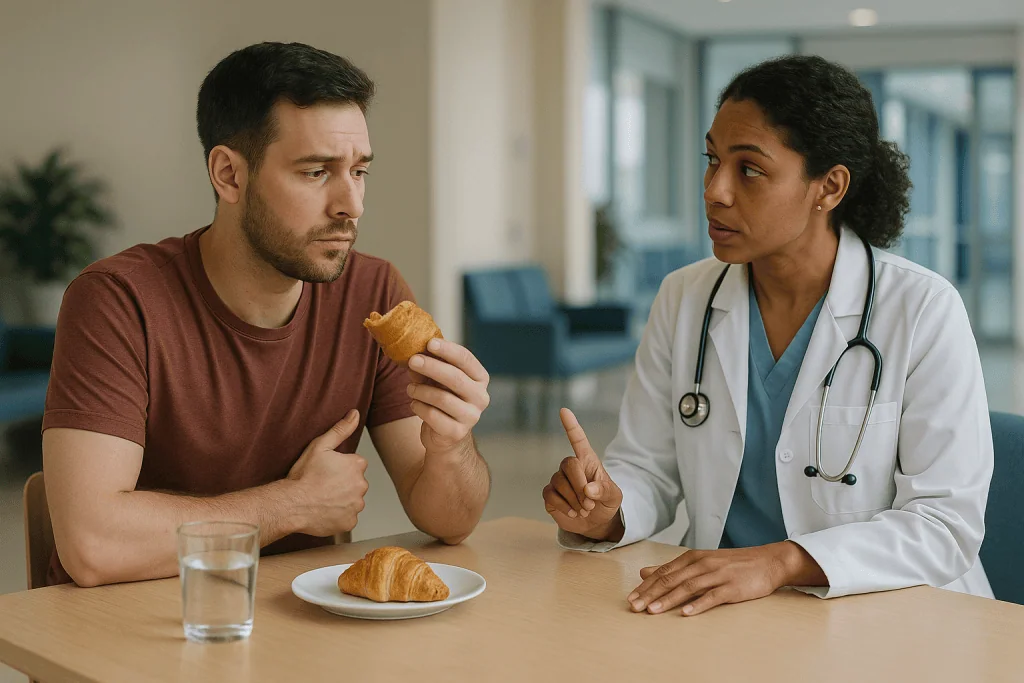
Do not use lubricant, saliva or lotion during collection. Many lubricants are toxic to sperm, and saliva contains enzymes and bacteria that alter the sample; MedlinePlus lists this among the standard instructions. If dryness is a real barrier, ask the lab in advance whether they can supply a product tested as sperm-safe.
Do not use an ordinary condom to collect. Standard condoms often carry spermicide or lubricant, and the material itself can impair motility. Some labs provide special collection condoms for men who cannot produce a sample by masturbation; that is a lab decision, not a pharmacy aisle decision.
Do not lose part of the sample. The first portion of the ejaculate carries the highest concentration of sperm, so a spill at the start can make a normal sample look poor. If it happens, tell the lab so they can note it.
Do not stop or start any medicine on your own to “clean up” for the test. Testosterone and anabolic steroids are the classic example: outside testosterone tells the brain to cut the hormonal signals that drive sperm production, which can drive counts sharply down. Stopping abruptly can cause its own problems, and the prescribing clinician needs to know in order to interpret the result. Bring it up; do not act on it alone.
Finally, do not arrive without having asked about timing. A sample that reaches the lab an hour late, cold, or in the wrong container is a wasted week of preparation.
What to bring to your fertility appointment: the records that matter
Think of the folder as the second half of the test. A clinician reading a borderline result with a rich history can often say why; the same result with no context is just a number.
Bring a complete list of everything you take, including prescription medicines, over-the-counter products, supplements, protein powders and anything bought online for muscle, hair or energy. Some medicines and many hormonal products affect sperm production or ejaculation, and clinicians cannot factor in what they do not know about. Include things you stopped in the last year, with rough dates, because sperm take roughly two to three months to develop, so past exposures still show up in today’s sample, as Cleveland Clinic explains.
Collect previous results: any earlier semen analyses, hormone tests, genetic tests, or scans. If your partner has had investigations, bring those too, since fertility is assessed as a couple.
Write a short medical timeline. Childhood conditions such as an undescended testicle, mumps after puberty, or hernia repair; adult events such as testicular injury, infections including sexually transmitted infections, chemotherapy or radiation; and chronic conditions such as diabetes. Vasectomy or its reversal belongs here too.
Add exposures: occupations involving heat, pesticides, solvents or heavy metals; long-haul driving; recreational drug use. The Mayo Clinic lists these among factors linked to male infertility.
Lastly, note when you started trying, how often you have intercourse, and whether you use anything to time it. Honest, unglamorous detail helps more than a polished summary.
What is asked at the appointment: the questions behind the questions
Expect the conversation to feel more personal than most medical visits. Each question has a purpose, and knowing it makes answering easier.
“How long have you been trying?” establishes whether testing is timely. “How often do you have sex, and around what part of her cycle?” checks whether timing, rather than biology, explains the wait. “Any trouble with erections or ejaculation?” screens for problems that reduce the chance of sperm reaching the right place, including retrograde ejaculation, where semen flows backward into the bladder.
“When did puberty start? Any surgery on the groin or testicles as a child?” points toward developmental causes. “Have you ever had mumps, a testicular infection, or a sexually transmitted infection?” looks for past damage or blockage. “Have you fathered a pregnancy before, with anyone?” helps distinguish a lifelong issue from a new one.
Then come lifestyle and exposure questions: smoking, alcohol, cannabis, anabolic steroids, hot tubs, occupation. “Do you take testosterone or any bodybuilding product?” is asked because these commonly suppress sperm production, and men often do not connect the two, according to the Mayo Clinic.
You may be asked about family history, including relatives with fertility problems or genetic conditions, and about your general health, sleep and stress.
None of this is judgment. The clinician is building a list of possible explanations and crossing them off. Vague or flattering answers leave items on the list that should have been removed. If a question feels intrusive, it is reasonable to ask why it matters; a good clinician will tell you.
Who male fertility testing is usually for, and who is asually asked to wait
Fertility testing is typically offered when a couple has been trying without success for about a year, a threshold the CDC uses to define infertility. When the female partner is 35 or older, the CDC and NHS suggest seeking assessment after about six months, because the window for treatment options is shorter. Infertility affects roughly 1 in 7 couples in the UK, per the NHS, so the waiting room is fuller than most men expect.
The male partner is tested early rather than last. A semen analysis is simple, non-invasive and informative, so guidelines recommend it alongside the female partner’s first investigations, not after them.
Some men are reasonably tested sooner. Known risk factors, such as a history of undescended testicles, testicular surgery, chemotherapy, a prior vasectomy, or difficulties with ejaculation, justify earlier evaluation. Men planning cancer treatment may be tested before starting so that sperm can be stored if they choose.
Who is usually asked to wait? A couple a few months into trying, with no risk factors and regular intercourse, will often be counseled that most healthy couples conceive within a year and that testing now is likely to add worry without adding information. Someone recovering from a recent high fever or a serious illness may be asked to postpone the sample by a couple of months so it reflects baseline production rather than a bad month.
Men currently using testosterone or anabolic steroids are sometimes tested anyway, so the effect can be documented, but the prescribing clinician will guide what happens next.
Producing the sample: at the lab, at home, and whether a partner can help
Collection is by masturbation into a sterile, wide-mouthed container the lab provides. Wash your hands and genitals with water first, avoid soap residue, and catch the whole ejaculate. Do not use lubricant or saliva, and do not transfer semen from another surface.
Most facilities offer a private collection room. It is usually plain and quiet, and staff are matter-of-fact about it; awkwardness is universal and expected. If you find it difficult to produce a sample in that setting, say so beforehand. Many labs allow home collection provided you can deliver the sample within their stated time, generally about 30 to 60 minutes according to MedlinePlus, keeping the container at body temperature, for example in an inside pocket, and out of sunlight or cold.
Can a partner help? The honest answer is: sometimes, within limits. A partner can be present and can help with arousal, but the sample cannot involve saliva, lubricant, or contact with vaginal fluid, all of which contaminate it. Collection via intercourse is possible only with a special sperm-friendly collection condom supplied or approved by the lab; ordinary condoms are not suitable. Ask the lab what they permit before the day so there are no surprises.
Men with spinal cord injury, ejaculatory disorders, or religious objections to masturbation should raise this at booking. Clinicians have established alternatives, and a frank conversation beforehand is far better than a failed attempt on the morning.
Label the container with your name and the exact time of collection. That timestamp is part of the science.
Beyond the semen analysis: physical exam, blood tests and imaging
The sample rarely travels alone. A short physical examination checks the size and firmness of the testicles, the presence of the vas deferens (the tube that carries sperm out of each testicle), and any varicocele, which is a cluster of enlarged veins in the scrotum that can raise local temperature. The clinician may also look for signs of hormonal imbalance, such as sparse body hair or breast tissue changes. The exam takes a few minutes and is done in private.
Blood tests come into play when the semen analysis is abnormal or the history suggests a hormonal cause. Follicle-stimulating hormone (FSH), which signals the testicles to make sperm, and testosterone are the usual first measurements; prolactin and luteinizing hormone may follow. Patterns matter: a very high FSH with a low count suggests the testicles themselves are struggling, whereas low FSH and low testosterone together point toward the brain’s signaling, a distinction the Mayo Clinic outlines.
Further tests are selective rather than routine. A scrotal ultrasound can visualize a varicocele or blockage. Genetic tests are considered when the count is extremely low or absent, since certain chromosome changes and gene variants explain some cases and carry implications for children. A post-ejaculation urine test checks for retrograde ejaculation. In rare situations a testicular biopsy is discussed to see whether sperm are being produced but blocked.
Each step is a decision made with you, based on the earlier results. You are unlikely to have all of these done, and you are entitled to ask what each one would change.
Sperm test preparation tips at a glance
The table below gathers the practical rules into one place. Where the lab’s written instructions differ from anything here, the lab wins.
| When | What to do | Why it matters |
|---|---|---|
| About a week before | Read the lab sheet; confirm abstinence window, container and delivery time | Labs vary; a missed detail can void the sample |
| Week before | Avoid hot tubs, saunas, heavy alcohol, smoking; call if you develop a fever | Heat and illness can lower counts and motility temporarily |
| 2 to 7 days before | Begin abstinence; note the start date | Standard window per Cleveland Clinic and MedlinePlus |
| Days before | Compile medicine and supplement list, past results, medical timeline, trying-to-conceive dates | Context changes how a result is interpreted |
| Night before | Sleep normally; avoid alcohol; do not stop or start any medicine on your own | Abrupt changes can harm you and confuse results |
| Collection | Wash with water; no lubricant, saliva or ordinary condom; capture the whole sample | Contaminants kill sperm; first fraction is sperm-rich |
| Transport | Deliver within lab’s time limit, kept at body temperature; record collection time | Sperm change quickly once cooled or aged |
| After | Ask when results arrive and whether a second sample is planned | Two samples weeks apart are standard practice |
Notice how little of this is about heroics. There is no special diet that transforms a sample in a week, and no drink that sharpens results overnight. Preparation is mostly about not sabotaging a test that is otherwise straightforward, and about arriving with the information that gives your result meaning.
What the following days and weeks usually look like
Results typically come back within a few days to a couple of weeks, depending on the laboratory. Some clinics phone; others release a report to a portal and schedule a discussion. Ask at the appointment how and when you will hear, so you are not refreshing a screen at odd hours.
Read the report with the clinician rather than alone. Each parameter is compared with reference values published by the World Health Organization, and those reference ranges describe the lower limits seen in men who recently fathered a child; they are not pass-or-fail lines for conception. Men below a threshold do conceive, and men above one sometimes struggle. Cleveland Clinic is explicit that a single abnormal value does not, on its own, mean infertility.
If anything is outside range, expect to be asked for a second sample. Because sperm take about two to three months to mature, and because counts vary naturally, the repeat is usually scheduled a few weeks to about three months later. Use the same abstinence interval so the two are comparable.
Two normal analyses generally shift attention to other parts of the couple’s evaluation. Two abnormal analyses lead to the next tier: hormone bloods, examination for varicocele, sometimes genetic testing. From there, options are discussed as a couple and depend heavily on the specific finding and on the female partner’s results and age.
The weeks between tests can feel like limbo. Reasonable things to do in that gap are the same modest ones as before: keep cool, moderate alcohol, do not smoke, and keep taking prescribed medicines unless the prescriber says otherwise.
What people often get wrong about preparing for a male fertility test
“Longer abstinence means a better sample.” It does not. Beyond about a week, counts may look higher on paper while motility declines and older sperm accumulate. The window exists because both extremes distort the picture.
“You can tell poor sperm by symptoms.” Almost never. Most men with abnormal results feel entirely well, have normal erections and ejaculate normally in appearance and volume. Occasionally an underlying cause produces its own signs, such as a swelling or ache in the scrotum, but those are reasons to be examined, not a way to self-diagnose. The Mayo Clinic notes that the main sign of male infertility is simply the inability to conceive. Only the test tells.
“A supplement blitz the week before will fix things.” Sperm you produce today began developing months ago. No product taken for a week changes a sample meaningfully, and evidence for most fertility supplements ranges from weak to mixed. Bring what you take so the clinician can weigh it; do not add things to game the test.
“Testosterone helps fertility.” The opposite is common. Supplemental testosterone suppresses the brain’s signals for sperm production. Men on it are often surprised by very low counts. The answer is a conversation with the prescriber, not a secret pause.
“A bad result is final.” One analysis is a snapshot. Guidelines assume variation and build in repetition for that reason.
“It’s the woman’s problem until proven otherwise.” A male factor is found in a large share of couples, which is why the semen analysis sits at the start of the workup, not the end.
Questions to ask your care team
Writing questions down beforehand keeps a short appointment from ending with the important ones unasked. These are the ones that consistently earn their place on the page.
- What exact abstinence window does this lab want, and does it matter if I am at the shorter or longer end?
- Can I collect at home, and what is the time limit for getting the sample to you?
- Which of my medicines or supplements could affect the result, and should any of them be reviewed by the prescriber, not stopped by me?
- How many samples will you want before drawing conclusions, and how far apart?
- How will I receive results, and who will explain them to me?
- If a value is outside the reference range, what does that actually mean for our chances, and what would the next test be?
- Is a physical examination part of this visit? Are hormone blood tests planned now or only if the semen result is abnormal?
- Do you need my partner’s results, and can our two evaluations be reviewed together?
- Is there anything in my history, such as the childhood surgery or the infection, that changes what you are looking for?
- If I struggle to produce a sample here, what alternatives do you offer?
- Are there lifestyle changes with reasonable evidence for my situation, and how long would they take to show in a repeat test?
You are not being difficult by asking. Clinicians generally prefer a patient who understands the plan, and the answers will often shape your preparation for the second sample. If time runs short, ask which questions can be answered by phone or message afterward.
When to call your doctor
Fertility testing is elective and unhurried by nature, but some findings should not wait for the next scheduled visit. Contact your doctor promptly if you notice a new lump, firmness or enlargement in a testicle, or a persistent ache or heaviness in the scrotum; testicular changes deserve examination regardless of fertility plans, as the Mayo Clinic advises. Seek urgent care for sudden severe testicular pain, especially with nausea or swelling, because twisting of the testicle is an emergency measured in hours.
Call soon, though not urgently, if you develop pain or burning on urination, discharge from the penis, blood in semen, or fever with genital discomfort, since infection can affect both health and results. Report new difficulty with erections or ejaculation, decreased sex drive, or breast tenderness, which can hint at hormonal problems. Tell the team if you have a high fever or serious illness within the weeks before a scheduled sample; they may prefer to postpone.
Reach out as well if you are using testosterone, anabolic steroids or other hormonal products and were unsure whether to mention it. Clinicians would far rather know before the test than after.
Emotional strain is a legitimate reason to call. Fertility evaluation can bring anxiety, low mood, or tension in a relationship, and care teams can point you toward counseling and support.
Every decision that follows testing, from whether to repeat a sample to whether to pursue further investigation or treatment, rests with you and your treating team, who can weigh your results against your full history and your partner’s.
Frequently asked questions
What should you not do before a sperm test?
Do not ejaculate inside the lab’s abstinence window, and do not use lubricant, saliva or an ordinary condom to collect. Avoid hot tubs, saunas, heavy drinking and smoking in the days before, and postpone if you develop a fever. Do not stop or start medicines or supplements on your own to improve the result; tell the clinician instead so they can interpret the sample properly.
How long to abstain before a sperm test?
Most laboratories ask for at least two days and no more than seven days without ejaculation, and some narrow this to two to five days. Too short an interval lowers volume and count; too long lets motility fall as sperm age. Follow your lab’s specific instruction, record the number of days on the form, and use the same interval for any repeat test.
Is 2 days enough for a sperm test?
Yes, two full days meets the lower edge of the standard two-to-seven-day window and is accepted by most labs. If your lab specified a longer minimum, use theirs. What matters most is accuracy and consistency: report the true interval, and repeat any second sample after the same number of days so the two results can be compared fairly.
Can wife help with sperm sample?
A partner can be present and assist with arousal, but the sample must not contact saliva, lubricant or vaginal fluid, which contaminate it. Collection during intercourse is possible only with a special sperm-friendly collection condom supplied or approved by the lab; regular condoms contain substances that harm sperm. Ask the lab beforehand exactly what they allow.
What are signs of poor sperm?
Usually there are none. Most men with abnormal semen results feel well and have normal-looking ejaculate and normal sexual function, so the only reliable way to know is the test. Some underlying causes have their own signs, such as a testicular lump, swelling or ache, or hormonal changes like low sex drive, and those warrant a medical examination rather than self-diagnosis.
What to bring to a fertility appointment as the male partner?
Bring a complete list of prescription medicines, over-the-counter products and supplements including anything hormonal or bodybuilding-related, plus previous semen analyses, hormone or genetic tests, and any partner results. Add a short medical timeline covering childhood testicular problems, infections, surgery, chemotherapy or radiation, chronic illnesses, occupational exposures, and the date you began trying to conceive.
What not to do before semen analysis if I have a cold or fever?
Call the lab before the appointment. A significant fever can temporarily lower sperm production and the effect may persist for weeks, so many clinicians prefer to postpone the sample so it reflects your baseline. A mild cold without fever is usually not a reason to delay, but the lab can advise based on your situation.
Can I do the sample at home instead of the clinic?
Many labs allow home collection if you can deliver the sample within their time limit, typically about 30 to 60 minutes, kept close to body temperature and protected from cold and sunlight. Use only the container they provide, note the exact collection time, and confirm in advance that home collection is permitted, since policies differ between facilities.
Why do I need a second sperm test if the first was abnormal?
Because sperm counts vary naturally from week to week in the same man, and a single sample can be affected by a recent fever, a short abstinence interval or a collection problem. Guidelines expect at least two analyses, usually a few weeks to about three months apart, before drawing conclusions. A repeat is standard practice, not a sign that something is seriously wrong.
Does taking testosterone affect a male fertility test?
Often, yes. Testosterone from outside the body signals the brain to reduce the hormones that drive sperm production, which can lower counts substantially, and the same is true of anabolic steroids. Tell the clinician everything you take. Do not stop or change it on your own; the prescribing clinician will decide how to interpret the result and what, if anything, to adjust.
References
- MedlinePlus – Semen Analysis
- Cleveland Clinic – Semen Analysis
- NHS – Infertility: Diagnosis
- CDC – Infertility: Frequently Asked Questions
This article is for general information only and is not a substitute for professional medical advice. Please consult a qualified doctor about your individual situation.

More from the Blog
Embryo Transfer Step by Step: What Happens in the Room From Catheter to Ultrasound Check
An embryo transfer is a short outpatient step near the end of an IVF cycle. With a full bladder and an ultrasound probe on…

How Do You Prepare for GIFT? Ovarian Stimulation, Monitoring Scans and the Same-Day Sample
Preparing for GIFT (gamete intrafallopian transfer) usually means confirming at least one open fallopian tube, completing baseline blood tests and a semen analysis, then…
Fresh vs Frozen Embryo Transfer: How Your Fertility Team Decides Which Path Fits Your Cycle
In a fresh embryo transfer, an embryo is placed in the uterus a few days after egg retrieval, within the same stimulated cycle. In…

How Many IUI Cycles Before Moving to IVF? What Fertility Teams Weigh After Each Insemination
Most fertility teams reassess after three to four intrauterine insemination (IUI) cycles, because the cumulative chance of pregnancy rises fastest across the first few…

Medicines, Supplements and IVF: What Your Fertility Team Checks Before Stimulation Starts
Before IVF stimulation starts, tell your fertility doctor about every prescription medicine, over-the-counter product, herbal remedy, vitamin and supplement you use, including occasional painkillers,…
Infertility Treatment When You Have Diabetes or Thyroid Disease: What the Team Adjusts
When someone has diabetes or thyroid disease, fertility teams usually adjust the order of care rather than the goal: blood glucose and thyroid function…