

How to Get Rid of Eye Bags: What Works by Cause, Not by Trend
Key Takeaways
- Eye bags that fade by afternoon are fluid and largely fixable; bags that look the same all day are structural and won't respond to creams.
- The main cause in adults is age-related weakening of the orbital septum, which lets under-eye fat pads push forward: a change no topical product can reach.
- There is no established vitamin deficiency behind eye bags; the evidence points to fluid, allergies, genetics, and aging, not a missing nutrient.
- A cool compress for 10–15 minutes and sleeping with your head slightly elevated are the two best-supported home measures, per Mayo Clinic.
- More than 70 percent of dietary sodium comes from packaged and restaurant food, so one takeout dinner can explain a puffy morning better than your salt shaker can.
- Sudden, painful, red, or one-sided under-eye swelling, or puffiness alongside swollen ankles or fatigue, warrants a medical visit, since infections, thyroid, and kidney conditions can present this way.
Getting rid of eye bags depends on the cause. Fluid-related puffiness, the kind worst in the morning, often improves with more sleep, less sodium and alcohol, allergy control, an extra pillow, and cool compresses. Bags caused by age-related shifting of the fat pads under the eyes are structural: no cream moves fat, and only procedures such as lower eyelid surgery reliably change them. Sudden, painful, or one-sided swelling deserves a medical checkup.
It usually happens on a video call. The camera angle is unflattering, the ring light is honest, and there they are: two soft crescents under your eyes that weren’t in your mental self-portrait. So you do what everyone does: you search, and the internet hands you jade rollers, ice spoons, and a thirty-dollar cream promising to “depuff” you by Friday.
Here’s the problem with that shopping list: “eye bags” is not one condition. It’s a symptom with at least four distinct drivers, pooled fluid, allergies, genetics, and the slow anatomical shifts of aging, and each responds to entirely different things. A fix that works beautifully for a salty-dinner morning does nothing for a fat pad that has been migrating forward since your forties.
So instead of ranking trends, this guide sorts remedies by cause. Figure out which pattern is yours, and most of the noise falls away.
What is the main cause of bags under the eyes?
For most adults past their mid-thirties, the main cause is anatomy, not lifestyle. Each eye sits in a bony socket cushioned by small pads of fat, held in place by a thin sheet of connective tissue called the orbital septum. With age, that septum weakens, the muscles supporting the eyelids lose tone, and the skin, already the thinnest on the body at under a millimeter in places, loses collagen and elasticity. The fat pads push forward into the lower lid, and fluid can settle in the pocket they create. The result, as Mayo Clinic describes it, is mild swelling or a saggy, puffy appearance that is almost always cosmetic rather than dangerous.
This matters more than any product recommendation, because it explains the single most common frustration in this category: why the cream didn’t work. Topical products act on skin. Fat pads sit beneath the skin, beneath the muscle, behind a structural membrane. Nothing you rub on the surface reaches them, let alone repositions them.
That said, aging is only the most common driver, not the only one. Fluid retention, allergies, smoking, sun damage, lack of sleep, and plain heredity all contribute, often in combination. A fifty-year-old with hay fever and a salty diet may be dealing with three overlapping causes at once. The rest of this article takes them one at a time, because the honest answer to “how do I get rid of eye bags” is always a follow-up question: which kind?
Puffy in the morning but fine by noon? That's fluid, not fat
Here’s a diagnostic trick that costs nothing: check the clock. If your under-eye area looks worst when you wake and visibly improves by lunchtime, you’re most likely looking at fluid, not structure.
The mechanism is simple gravity. When you lie flat for seven or eight hours, fluid that normally drains downward during the day redistributes toward your head. The loose, thin tissue under the eyes is one of the easiest places for it to collect: the same reason your fingers can feel tight in the morning. Once you’re upright and moving, the lymphatic system gradually pulls that fluid back into circulation, and the puffiness deflates on its own schedule, usually within a few hours.
Several things amplify overnight pooling:
- A high-sodium dinner or late-night snack, which prompts the body to hold water
- Alcohol in the evening, which disrupts fluid balance and sleep quality simultaneously
- Crying before bed, tears and the accompanying inflammation leave tissue swollen
- Sleeping fully flat, or face-down, which maximizes fluid settling around the eyes
The fixes follow directly from the mechanism. An extra pillow raises your head a few degrees, enough to let gravity work for you overnight. A cool washcloth over closed eyes for ten to fifteen minutes constricts small blood vessels and moves fluid along: Mayo Clinic lists this among its first-line suggestions. None of this is glamorous. All of it is more evidence-based than most of what’s sold for the purpose.
Do eye bags go away on their own?
Sometimes, and the pattern tells you which kind you have. Fluid-driven puffiness is temporary by definition. It arrives after a short night or a salty meal, and it leaves once the fluid drains and the trigger stops. If your bags come and go, you are in the reversible category, and the levers in your hands are sleep, sodium, alcohol, allergy control, and head elevation.
Structural bags follow the opposite trajectory. Puffiness caused by protruding fat pads and slackening tissue doesn’t resolve, because there is nothing temporary about it: the anatomy has changed. These bags are typically present all day, look roughly the same in the evening as in the morning, and slowly become more noticeable over years. Cleveland Clinic and Mayo Clinic both frame this kind as a normal, harmless feature of aging skin rather than a health problem, which is reassuring medically even if it’s unsatisfying cosmetically.
Many people, understandably, have both. A baseline structural bag that’s tolerable most days becomes prominent after a bad night, and the person concludes their “remedy” stopped working. It didn’t: it was only ever treating the fluid layered on top of the structure.
A useful self-test: take a well-lit photo first thing in the morning and another in the late afternoon, same angle, same lighting. Significant improvement across the day points to fluid. Little change points to structure, and toward the sections on procedures further down.
Could allergies be the real culprit?
If your puffiness comes with itching, watering, or a stuffy nose, stop reading about aging and start thinking about histamine. Allergic reactions, to pollen, dust mites, pet dander, or cosmetic ingredients, trigger the release of chemicals that dilate small blood vessels and make them leaky. Around the eyes, where skin is thin and tissue is loose, that leaked fluid shows up fast as swelling.
Allergies also cause bags indirectly. Congested nasal passages impair drainage from the veins around the eyes, producing a dusky puffiness sometimes called “allergic shiners.” And itchy eyes get rubbed. Repeated rubbing inflames the delicate under-eye tissue, and over years it can contribute to skin laxity and darkening: a slow-motion cost most people never connect to their spring sniffles.
Clues that point toward allergy rather than age or fluid:
- A seasonal rhythm, worse in spring or fall, better in other months
- Puffiness that flares in specific places (a friend’s house with a cat, a dusty room)
- Itch, redness, or tearing accompanying the swelling
- Onset after a new eye cream, makeup product, or laundry detergent
This is also the most fixable category. Reducing exposure, washing bedding in hot water, keeping windows closed on high-pollen days, patch-testing new products on the inner arm first, often makes a visible difference within weeks. If avoidance isn’t enough, a clinician can identify triggers and discuss treatment options; Mayo Clinic specifically flags allergy management as one of the few genuinely effective medical approaches to under-eye puffiness.
Salt, alcohol, and sleep: the three lifestyle levers with real evidence
Lifestyle advice around eye bags is usually vague, “live healthy, drink water.” Three habits, though, have concrete mechanisms behind them.
Sodium. Salt makes the body retain water to keep blood chemistry balanced, and some of that water parks itself in loose facial tissue. The American Heart Association recommends staying under 2,300 milligrams of sodium a day, moving toward an ideal of 1,500 for most adults, and notes that more than 70 percent of dietary sodium comes from packaged and restaurant food, not the shaker. A takeout dinner can quietly deliver a full day’s worth. If your puffiest mornings follow your saltiest evenings, you’ve found a lever.
Alcohol. A drink or two in the evening dehydrates you initially, then prompts rebound fluid retention as the body compensates. Alcohol also fragments sleep in the second half of the night, stacking two puff-promoting effects into one nightcap.
Sleep. The CDC advises adults to get at least seven hours per night, and the eyes are where a shortfall shows first. Sleep deprivation is associated with paler skin, more visible dark circles, and swollen-looking eyes, controlled research has found that observers reliably rate sleep-deprived faces as having hanging eyelids and darker under-eye areas. Short sleep doesn’t create fat pads, but it makes whatever you have look worse, partly through fluid shifts and partly through skin changes.
None of these levers will erase a structural bag. Together, though, they often shrink the daily fluctuation enough that the mirror stops surprising you.
What am I lacking if I have eye bags?
Probably nothing, and this deserves a plain answer, because supplement marketing has convinced a lot of people otherwise. There is no well-established vitamin or mineral deficiency that causes bags under the eyes, and major medical references, Mayo Clinic, Cleveland Clinic, MedlinePlus, do not list nutrient deficiency among the causes. The usual suspects are fluid, allergies, genetics, and aging tissue, not a missing pill.
Where does the idea come from? A few threads of partial truth get stretched. Iron-deficiency anemia can make skin paler, which lets the bluish blood vessels under the eyes show through more, but that’s about dark circles, not puffiness, and it comes with other signs like fatigue and breathlessness that warrant a blood test, not a guess. Significant dehydration can make under-eye skin look dull and sunken. And a genuinely poor overall diet affects skin quality everywhere, the eye area included. None of that adds up to “eye bags mean you’re deficient in X.”
If you suspect something systemic, because puffiness came with fatigue, weight change, or swelling elsewhere in the body: the right move is a checkup and basic bloodwork, not a supplement aisle experiment. Thyroid problems and kidney conditions can genuinely cause facial and periorbital swelling, and those are diagnoses a clinician makes, not ones a multivitamin fixes.
The honest summary: if your only symptom is bags under your eyes, the evidence points to the mirror-adjacent causes in this article. Spend your money on sunscreen and an extra pillow before you spend it on capsules.
Can eye bags be removed naturally?
Fluid-based puffiness, yes, often substantially. Structural bags, no, and it’s kinder to say so upfront than to let anyone spend six months on home remedies aimed at anatomy they can’t reach.
Here’s what the natural toolkit genuinely does, ranked by how well the mechanism holds up:
- Cool compress (10–15 minutes). Cold constricts small blood vessels and reduces fluid leakage into tissue. This is the single best-supported home measure: Mayo Clinic recommends it explicitly. A clean washcloth soaked in cool water works as well as any gadget.
- Sleeping with your head slightly raised. A modest elevation keeps fluid from pooling overnight. Free, and it compounds nightly.
- Chilled spoons, tea bags, cucumber slices. These mostly work, to the extent they work, because they’re cold. The vegetable is delivery, not medicine. Caffeinated tea may add a mild vessel-constricting effect, but the evidence is thin; treat it as a cool compress with better branding.
- Hydration and less evening salt. Sensible, mechanistically sound, and helpful at the margins.
- Facial massage and rollers. Gentle massage may move lymphatic fluid temporarily. Any benefit is measured in hours, and aggressive rubbing on thin under-eye skin can do more harm than good.
What no natural method does: shrink or reposition a herniated fat pad, tighten a lax orbital septum, or rebuild lost collagen in any meaningful, lasting way. If your bags are the all-day, every-day kind, “natural removal” isn’t a real option, management and acceptance are, and so are the procedures discussed below.
Eye bags and dark circles are two different problems
People use the terms interchangeably, but treating them as one problem is a common reason remedies disappoint. Bags are a contour issue, tissue that protrudes. Dark circles are a color issue, and Cleveland Clinic breaks them into several types, each with its own logic.
Some circles are pigment: extra melanin in the under-eye skin, more common in people with darker skin tones, often hereditary, sometimes worsened by sun exposure and rubbing. Some are vascular: the skin here is so thin that the blood vessels beneath show through as a blue or purple cast, especially when you’re tired or congested. And some “circles” aren’t discoloration at all: they’re shadows. A bulging fat pad above and a hollow tear trough below create a ridge and valley, and overhead lighting paints a dark line into the valley.
That last type is where the two problems meet, and it explains a curious fact: for some people, treating the bag treats the “circle,” because the darkness was never in the skin. It was geometry. You can test this yourself, look in a mirror while holding a light directly in front of your face rather than above it. If the darkness largely vanishes, you’re dealing with shadow, and no brightening cream on earth will fix a shadow.
Why this matters practically: pigment responds (modestly) to sun protection and dermatologist-guided treatment, vascular darkness responds to sleep and allergy control, and shadow responds only to changing the contour, with light, makeup, or a procedure. Match the tool to the type.
What can eye creams actually do, and what can't they?
The under-eye product market thrives on a blur between two claims: improving how skin looks and changing what’s underneath it. The first is achievable. The second is not.
What topical products can realistically deliver: moisturizers temporarily plump the outermost skin layer with water, softening the look of fine lines and crepiness within minutes to hours, real, but rented, not owned. Daily broad-spectrum sunscreen is the most evidence-backed “eye cream” there is, because ultraviolet light degrades the collagen and elastin that keep this skin from slackening; protecting it slows the structural decline that makes bags more visible over decades. And some prescription creams, used under a dermatologist’s guidance, can modestly improve skin texture and thickness over months of consistent use.
What no cream can do: reach through skin, muscle, and the orbital septum to shrink or reposition a fat pad. This isn’t a formulation problem awaiting a breakthrough; it’s a question of where the tissue sits. Products claiming to “eliminate” bags are describing fluid reduction or optical effects, light-reflecting particles that camouflage shadow, in the language of anatomy.
A few practical rules keep you out of trouble. Be skeptical of instant-result videos, where lighting and temporary film-forming ingredients do the heavy lifting. Introduce one new product at a time near the eyes, since this skin reacts easily and an allergic reaction can create the very puffiness you’re trying to treat. And judge any product over weeks with consistent photos, not over one hopeful morning.
Sometimes it's just your parents' fault: genetics and facial anatomy
Scroll through old family photos and you may spot your under-eye area on your mother at forty, your grandfather at sixty. Heredity is a genuinely underrated cause here. The size and position of your orbital fat pads, the strength of the connective tissue restraining them, the depth of your tear trough, even how thin your under-eye skin runs, all of it is substantially inherited. Mayo Clinic lists heredity among the established contributors, and some people develop noticeable bags in their twenties with excellent sleep, low sodium, and no allergies to blame.
Bone structure plays a quiet role too. A relatively recessed cheekbone or a naturally deep tear trough offers less support to the lower lid, so even a normal amount of fat casts a shadow that reads as a bag. Conversely, some people with prominent, forward-set cheekbones seem to “age well” under the eyes for reasons that have nothing to do with their skincare shelf.
There’s also a distinct entity worth knowing by name: festoons, which are sagging hammocks of skin and muscle on the upper cheek, below the true eyelid. They’re often confused with eye bags but sit lower, fluctuate more with fluid, and respond differently to treatment: a distinction a dermatologist or oculoplastic specialist can make in one look.
Why spell this out? Because if your bags are genetic and structural, the lifestyle sections of this article will only trim the edges. That’s not a reason for despair: it’s a reason to skip the six-month home-remedy detour and, if the bags bother you enough, have an informed conversation about procedures instead.
When eye bags signal something medical, and when to see a doctor
The overwhelming majority of under-eye bags are cosmetic. But periorbital swelling, the medical term for puffiness around the eyes, occasionally points elsewhere, and the distinguishing features are worth knowing cold.
See a doctor promptly if any of these apply:
- The swelling is sudden, painful, red, or warm, especially on one side. This can indicate infection, including cellulitis around the eye, which needs urgent treatment.
- One eye only. Persistent one-sided swelling isn’t a typical eye-bag pattern and deserves evaluation.
- Puffiness comes with swelling elsewherelegs, ankles, hands, or with fatigue, unexplained weight change, or changes in urination. Kidney conditions and thyroid disorders can both cause fluid retention that shows around the eyes; MedlinePlus lists these among medical causes of periorbital puffiness.
- Vision changes, bulging eyes, or eye pain accompany the swelling. Thyroid eye disease and other orbital conditions can present this way.
- Severe itching, crusting, or a rash, which suggests allergy or dermatitis needing diagnosis rather than concealer.
A reasonable rule: gradual, symmetric, painless puffiness that tracks with sleep, salt, and seasons is almost certainly the cosmetic kind. Anything sudden, asymmetric, painful, or accompanied by whole-body symptoms is a medical question, and the answer belongs to a clinician, not a search engine.
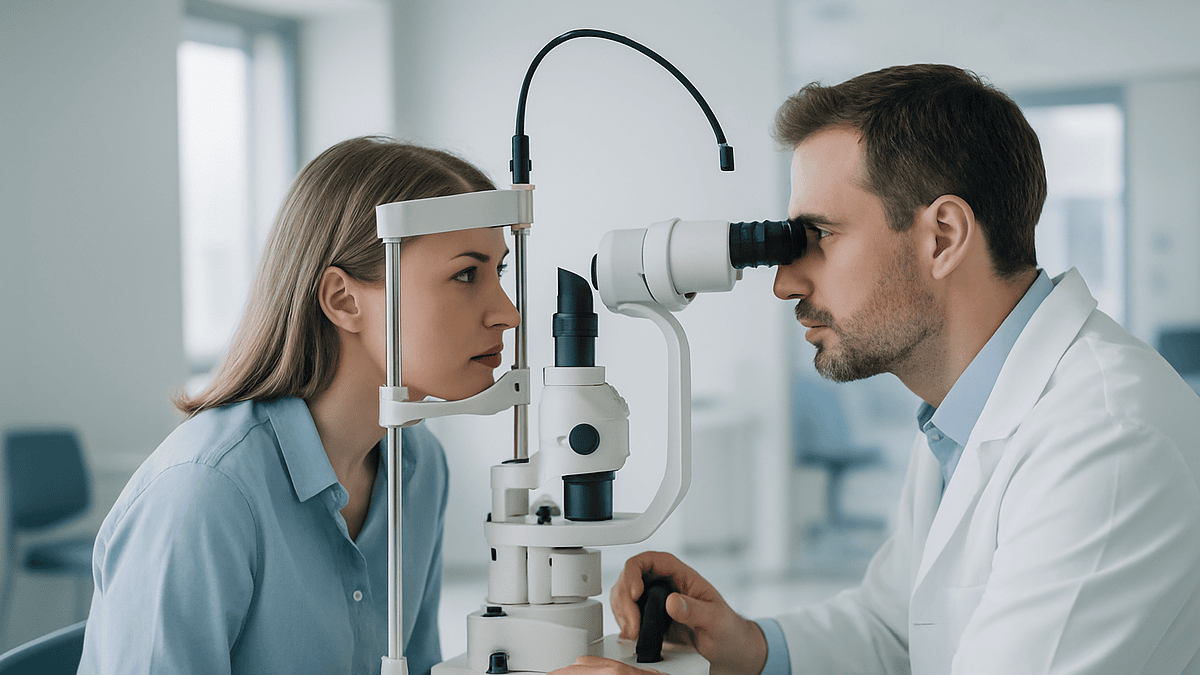
It’s also entirely legitimate to see a doctor when nothing is medically wrong. If bags bother you and home measures haven’t helped, a primary care visit or dermatology referral is the appropriate next step, both to rule out treatable causes like allergies and to discuss options honestly.
What procedures actually change structural bags?
When the cause is protruding fat and lax tissue, procedures are the only interventions with a credible mechanism, which is why every honest article on this topic eventually arrives here.
Lower eyelid surgery (blepharoplasty) is the definitive approach. A surgeon removes or, increasingly, repositions the herniated fat, often redistributing it to fill the hollow beneath the bag, and may remove a small amount of excess skin. Mayo Clinic describes it as an outpatient procedure whose results address the structural problem directly. Like any surgery, it carries risks (dry eyes, temporary vision changes, scarring, and rarely more serious complications), and results, while long-lasting, don’t stop the aging process.
Injectable fillers take the opposite approach: rather than reducing the bulge, they fill the hollow below it, smoothing the transition so the bag casts less shadow. The effect is temporary, typically months to a couple of years depending on the product used, and this area is technically demanding, so the injector’s training matters more than the price.
Skin-directed treatmentslaser resurfacing and chemical peels, tighten and smooth the skin overlying the bag. They help when crepey, sun-damaged skin is part of the picture, but they don’t move fat.
Three grounding points. First, no procedure is “the best”; each targets a different component, and many people need none. Second, seek a board-certified dermatologist, oculoplastic surgeon, or facial plastic surgeon, and treat any consultation that promises perfection as a red flag. Third, this is elective care for a harmless condition: the only wrong choice is one made under pressure.
Match the fix to the cause: a one-glance guide
Everything above compresses into a single habit: diagnose the pattern before you spend money on the remedy. The table below pairs what you actually observe in the mirror with the most likely driver and the response that evidence supports.
| What you notice | Most likely driver | What the evidence supports |
|---|---|---|
| Puffy at 7 a.m., mostly gone by afternoon | Overnight fluid pooling | Extra pillow, cool compress, less evening sodium and alcohol, adequate sleep |
| Puffiness with itching, watering, or seasonal rhythm | Allergies | Trigger avoidance, hot-wash bedding, clinician-guided allergy care |
| Constant soft bulge, similar all day, runs in the family | Protruding fat pads, lax tissue (age or genetics) | Creams won’t reach it; camouflage, or procedures if it bothers you |
| Bulge plus a dark hollow beneath it | Contour shadow from fat pad and tear trough | Front-facing light test; makeup, filler consultation, or surgery |
| Sudden, painful, red, or one-sided swelling | Infection or medical condition | Prompt medical evaluation, not home remedies |
| Puffy eyes plus swollen ankles, fatigue, or weight change | Possible thyroid or kidney involvement | Primary care visit and basic bloodwork |
Notice what the table quietly reveals: the cheapest interventions and the most expensive ones don’t compete: they serve different rows. The person who benefits from surgery was never going to be saved by cucumber slices, and the person with a salty-dinner problem doesn’t need a surgeon. Most disappointment in this category comes from picking a remedy from the wrong row.
Prevention: the unglamorous long game
You can’t out-prevent your genes, but you can meaningfully slow the tissue changes that turn a faint shadow at thirty-five into a pronounced bag at fifty-five. The interventions are familiar, which is exactly why they’re underrated.
Sun protection first. Ultraviolet exposure is the single largest controllable driver of collagen breakdown, and the under-eye skin has the least collagen to spare. Daily sunscreen, sunglasses with UV protection (which also stop the squinting that creases this area), and a hat on bright days protect the structural scaffolding that keeps skin from slackening over fat pads.
Don’t smoke. Smoking accelerates collagen and elastin loss throughout the skin and impairs the small blood vessels that supply it. Mayo Clinic lists it directly among factors that worsen under-eye bags. Of every item on this page, quitting has the largest whole-body return.
Handle the area gently. Years of vigorous rubbing, from allergies, makeup removal, or habit, add mechanical stress to skin that’s built like tissue paper. Treat itch at its source, remove eye makeup with a soaked pad held still for a few seconds rather than scrubbed, and keep fingernails out of the equation.
Keep the fluid levers set. Consistent sleep of seven-plus hours, sodium under the American Heart Association’s 2,300-milligram ceiling, moderate alcohol, and managed allergies won’t change your anatomy, but they determine whether you’re seeing your baseline or your baseline plus swelling, every single morning.
None of this trends well. It also happens to be the entire evidence-supported prevention playbook, and it costs less than one designer eye cream per year.
Frequently asked questions
Do eye bags go away on their own?
Fluid-related puffiness does: it typically improves within hours of being upright and resolves when the trigger (short sleep, salty food, alcohol, allergies) stops. Structural bags caused by age-related fat pad protrusion do not go away and tend to become gradually more noticeable over years. A simple test: compare a morning photo to a late-afternoon one. Clear improvement across the day points to fluid; little change points to structure.
What is the main cause of bags under the eyes?
Aging is the most common cause. The connective tissue holding the fat pads around the eyes weakens over time, supporting muscles lose tone, and thin under-eye skin loses collagen, allowing fat to push forward and fluid to settle in the lower lid. Genetics, allergies, fluid retention from salt or alcohol, short sleep, smoking, and sun damage all contribute, and many people have several causes overlapping at once.
Can eye bags be removed naturally?
Only the fluid component. Cool compresses, sleeping with your head slightly raised, reducing evening sodium and alcohol, managing allergies, and getting at least seven hours of sleep can noticeably shrink puffiness caused by pooled fluid. No natural remedy can shrink or reposition the fat pads behind structural bags: those sit beneath skin, muscle, and a connective-tissue membrane, out of reach of anything applied to the surface.
What am I lacking if I have eye bags?
Usually nothing. No vitamin or mineral deficiency is an established cause of under-eye bags, and major medical references don’t list one. Iron-deficiency anemia can make dark circles more visible by paling the skin, and dehydration can dull the area, but neither creates the puffy bag itself. If bags come with fatigue, weight change, or swelling elsewhere, ask a clinician for a checkup rather than reaching for supplements.
Does drinking more water help with eye bags?
Modestly, and mainly by preventing the rebound fluid retention that follows dehydration from alcohol or very salty meals. Adequate hydration also keeps under-eye skin from looking dull and sunken. What water cannot do is flush away structural bags or dramatically deflate puffiness on its own, sodium reduction, sleep, and head elevation have more direct effects on the fluid that collects overnight.
Do cold spoons, tea bags, or cucumber slices actually work?
They work to roughly the extent that they’re cold. Cold constricts the small blood vessels under the eyes and reduces fluid leakage into tissue, which is why Mayo Clinic recommends a cool compress for 10 to 15 minutes. The cucumber and the spoon are just delivery vehicles; a chilled washcloth does the same job. Caffeinated tea may add a mild vessel-constricting effect, but the evidence for that extra benefit is thin.
Does lack of sleep cause eye bags?
It worsens them rather than creating them. Short sleep is linked to paler skin, more visible dark circles, and swollen-looking eyes, research has found observers reliably rate sleep-deprived faces as having darker, puffier under-eye areas. Sleep loss shifts fluid and dulls skin but doesn’t produce the fat-pad protrusion behind permanent bags. The CDC recommends adults get at least seven hours per night, and the eye area is often where a deficit shows first.
Can eye bags be a sign of a kidney or thyroid problem?
Occasionally, yes. Both kidney conditions and thyroid disorders can cause fluid retention that appears as puffiness around the eyes, and MedlinePlus lists them among medical causes of periorbital swelling. The warning signs are context: puffiness that arrives suddenly, affects the whole face, or comes with swollen ankles, fatigue, or weight changes. Gradual, symmetric bags that fluctuate with sleep and salt are almost always cosmetic.
Does sleeping position affect eye bags?
Yes, measurably for the fluid kind. Lying completely flat lets fluid redistribute toward the head overnight and settle in the loose tissue under the eyes; sleeping face-down makes it worse. Raising your head slightly with an extra pillow uses gravity to reduce that pooling, which is why it appears in Mayo Clinic’s self-care recommendations. It won’t change structural bags, but it can shrink the morning swelling stacked on top of them.
Is surgery the only permanent fix for eye bags?
For structural bags caused by protruding fat pads, lower eyelid surgery (blepharoplasty) is the only approach that directly and durably corrects the anatomy, by removing or repositioning the fat. Fillers can camouflage the contour temporarily, and skin treatments can improve overlying texture, but neither is permanent. Surgery carries real risks and is entirely elective, eye bags are harmless, so the decision should follow an unhurried consultation with a board-certified specialist.
References
This article is for general information only and is not a substitute for professional medical advice. Please consult a qualified doctor about your individual situation.

More from the Blog

Benzoyl Peroxide: How It Works, the Concentration Question and the Bleaching Problem
Benzoyl peroxide is an over-the-counter acne treatment that releases oxygen into the pore, killing acne bacteria without breeding resistance and loosening the plugs that…
Sun Protection With Vitiligo: Why Depigmented Skin Burns Faster and How to Care for It Daily
People with vitiligo sunburn faster because depigmented patches have lost melanocytes, the cells that make melanin, the pigment that absorbs ultraviolet light before it…

Does Seborrheic Dermatitis Cause Hair Loss?
Seborrheic dermatitis does not usually destroy hair follicles, so it is not a classic cause of permanent hair loss. It can, however, trigger temporary…

Why Dandruff Treatment Takes Time to Work and Why Stopping Early Brings the Flakes Back
Dandruff treatment usually takes several weeks to show a clear difference, because medicated shampoos slow the yeast and skin-cell buildup that create flakes rather…

When Hives Come With Lip, Tongue or Throat Swelling: Why It Is Treated as Urgent
Hives with lip swelling mean the reaction has moved from the skin surface into deeper tissue, a process called angioedema. Most episodes settle on…

Is Laser Hair Removal Permanent? What Permanent Reduction Really Means
Laser hair removal is not fully permanent for most people. It delivers long-term hair reduction: after a full course, typically four to six sessions,…