

Eyelid Surgery in Turkey: Treatment Guide
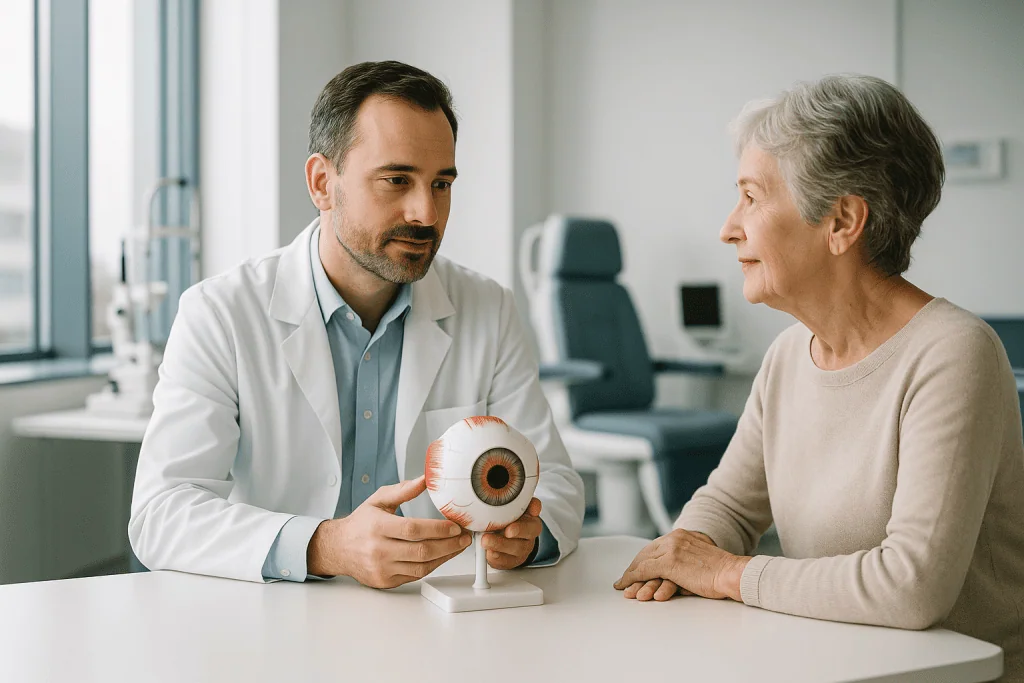
Blepharoplasty reshapes the upper eyelids, lower eyelids or both by removing or repositioning excess skin and fat. In Turkey it is usually a same-day procedure under local anaesthesia with sedation, or general anaesthesia for combined plans. International patients normally stay until a first control visit before flying home, and quotations are personalised after a medical review of photos and history.
Blepharoplasty recovery has a peculiar public relations problem: the surgery is delicate and precise, but the first week looks dramatic, bruised, swollen, unmistakably operated-on, and then improves faster than almost any facial procedure. Patients who know the curve in advance sail through it; patients who judge day three by day-thirty standards panic on schedule. This guide walks the healing stages honestly, day by day and week by week, alongside the upper-versus-lower differences and the aftercare that visibly shapes results.
The operation refresher in one paragraph: upper blepharoplasty removes the excess skin hooding the lid through an incision hidden in the natural fold; lower blepharoplasty addresses bags and the lid-cheek transition, modern technique repositioning fat rather than hollowing it, often through the inside of the lid with no external scar. Both are commonly day surgery, under local anaesthesia with sedation for uppers, deeper options for combined work.
The commercial comparison, costs, conservatism checks, surgeon credentials, lives on our eyelid surgery clinics in Turkey page. This guide owns the calendar.
The healing stages, honestly staged
Days one to three: peak swelling and the arrival of bruising, eyes feel tight, look worse each morning, and water more than usual. Cold compresses on schedule, head elevated (two pillows or a recliner), drops and ointment per protocol. Reading and screens are possible in short doses; the eyes tire fast. Days four to seven: the turn, swelling recedes visibly day by day, bruising begins its colour journey, and external sutures (where used) come out around day five to seven, an oddly satisfying milestone.
Week two: presentable territory for most, makeup typically cleared after suture removal per your surgeon’s instruction, and desk work with breaks feels normal. The person at the supermarket no longer notices; you still do. Weeks three to six: residual morning puffiness fades, incision lines pink then pale, and by week six most patients have stopped thinking about their eyes. Months two to six: the refined result, final lid crease definition, scars maturing toward invisibility. Judge the surgery at three months; judge the scar at six to twelve.
Upper vs lower: different operations, different recoveries
Upper blepharoplasty is the gentler recovery: skin-focused, incisions in the fold, bruising often modest, presentable in seven to ten days for most. Its early annoyances are tightness on full upward gaze and lash-line numbness that settles over weeks. Lower blepharoplasty swells more and longer, the lid-cheek junction holds fluid stubbornly, and its transconjunctival version (from inside the lid) trades external scarring away entirely while still bruising the cheek early on.
Combined four-lid surgery pools both timelines: expect the lower-lid schedule to govern. And one anatomical honesty repeated from every good consultation: a heavy brow masquerades as excess upper lid, and operating on the wrong structure disappoints on schedule, which is why brow position gets measured before any upper-lid plan is confirmed.
Aftercare that visibly changes outcomes
The unglamorous levers: cold compresses consistently in the first seventy-two hours (they visibly rent-control the swelling), head elevation every night of week one, sun discipline with dark glasses outdoors (fresh scars tan into permanence), no rubbing under any provocation, and the drops schedule kept like medication rather than suggestion. Contact lenses wait for explicit clearance, commonly two weeks, and eye makeup follows suture removal plus your surgeon’s go-ahead.
Dryness deserves its own paragraph: temporarily drier, scratchier eyes are common while lid mechanics settle, managed with lubricant drops and usually resolving over weeks. The escalation signs that warrant a same-day call rather than patience: significant pain, vision changes, one side ballooning disproportionately, or incompletely closing lids that worsen rather than ease. Rare problems remain rare because they get reported early.
Canthoplasty and companions: when the plan grows
Canthoplasty, tightening or reshaping the outer corner’s tendon, earns a place when lid laxity would let a standard lower bleph result sag, or when almond-shaping is the explicit goal; it adds tightness and corner swelling to the early recovery and belongs with surgeons who do it routinely. Brow lifts pair with upper work when the true culprit sits above the lid; the facelift pairing, aging rarely respecting the lid border, carries its own logic in our facelift guide.
The combination honesty: each addition extends swelling and the timeline, and the right plan comes from an examination that measures brow, lid and tendon rather than a menu. A surgeon explaining why you do not need canthoplasty is worth more than one adding it to the invoice.
Frequently asked questions
How long is blepharoplasty recovery?
Presentable at seven to fourteen days for most, sutures out around day five to seven, makeup after clearance, and the refined result at two to three months. Lower and four-lid surgery run the longer end; uppers the shorter.
What are the healing stages after eyelid surgery?
Days one to three: peak swelling and bruising. Days four to seven: visible daily improvement, sutures out. Week two: presentable with makeup. Weeks three to six: residual puffiness fades. Months two to six: final refinement and scar maturation.
How do I reduce swelling and bruising fastest?
Cold compresses on schedule for seventy-two hours, head elevation every night of week one, no rubbing, sun protection, and patience: the levers are boring and they visibly work. Arnica-type extras are optional; the basics are not.
When can I wear contact lenses and makeup?
Lenses commonly at two weeks with clearance; eye makeup after suture removal plus your surgeon’s go-ahead. Both dates are written in your aftercare sheet: the sheet wins over the internet.
Will there be visible scars?
Upper incisions hide in the natural fold and typically fade toward invisibility over months; transconjunctival lower work leaves no external scar at all. Judge scars at six to twelve months, earlier verdicts judge healing, not surgery.
Why are my eyes dry and watery after surgery?
Lid mechanics and blink coverage are recalibrating, temporary dryness with reflex watering is common, managed with lubricants and time. Pre-existing dry eye is exactly why screening belonged before surgery; escalating symptoms warrant review.
When can I exercise after blepharoplasty?
Walking immediately; sweat-raising training commonly from two weeks; swimming and contact activities later with clearance. Early exertion pumps blood pressure into fresh healing: the fortnight’s patience is visible in week three’s mirror.
My eyes look asymmetric during healing, is that normal?
Almost always: sides swell and settle on different schedules, and week-two asymmetry is healing, not surgery. Persistent difference at three months is a fair review conversation; day-ten difference is a photograph for the memory folder.
What is canthoplasty?
Tightening or reshaping the outer-corner tendon, added when lid laxity or almond-shaping goals require it. It extends early tightness and swelling, and belongs with surgeons who perform it routinely rather than occasionally.
How soon can I fly home after eyelid surgery in Turkey?
Commonly five to seven days, after suture removal and review. Fly with lubricant drops, sunglasses and aisle walks; the clearance date is your surgeon’s call.
Add us as a Preferred Source to see more of our trusted health content across Google Search, AI Overviews and Discover.

Update history
- PublishedJune 9, 2026
- Medical review approvedSeptember 1, 2026
- Last content updateSeptember 2, 2026
References2
- Eyelid lift: MedlinePlus Medical Encyclopedia medlineplus.gov
- Eyelid surgery (blepharoplasty): NHS nhs.uk
More Patient Guides

HoLEP in Turkey: How It Compares With TURP and What Recovery Involves
HoLEP in Turkey treats enlarged prostate tissue with laser enucleation; learn how it compares with TURP, recovery, travel and follow-up.

Porcelain Veneers in Turkey: Who Is Suitable and How Many Visits Are Needed?
Porcelain veneers in Turkey can enhance tooth shape and colour in two visits for suitable patients after a personalised dental assessment.

How to Prepare for a Sedation Procedure in Turkey
Prepare safely for a sedation procedure in Turkey with guidance on fasting, medicines, travel, recovery and follow-up.

Treatment Delays in Turkey: What Happens If Tests or Recovery Change Your Schedule
Treatment delays in Turkey can happen if tests or recovery change your plan. Learn how to manage appointments, travel, accommodation and follow-up.